



A Deep Dive Into the Work Aspirations of Indonesian Candidates in Japan
Understanding the Work Aspirations of Indonesian Candidates in Japan
In recent years, Japan has faced a significant labor shortage due to its declining working-age population, making the contribution of foreign workers increasingly essential across various industries, particularly in sectors like food processing that are suffering from acute labor shortages. To shed light on the genuine aspirations and concerns of young Indonesians aiming to work in Japan, Human Global Talent conducted a large-scale survey involving 470 students enrolled in Japanese language courses under the 'Specified Skilled Worker' and 'Technical Intern Training' programs, in collaboration with PT. Human Mandiri Indonesia.
Key Findings
Strong Desire for Long-term Employment
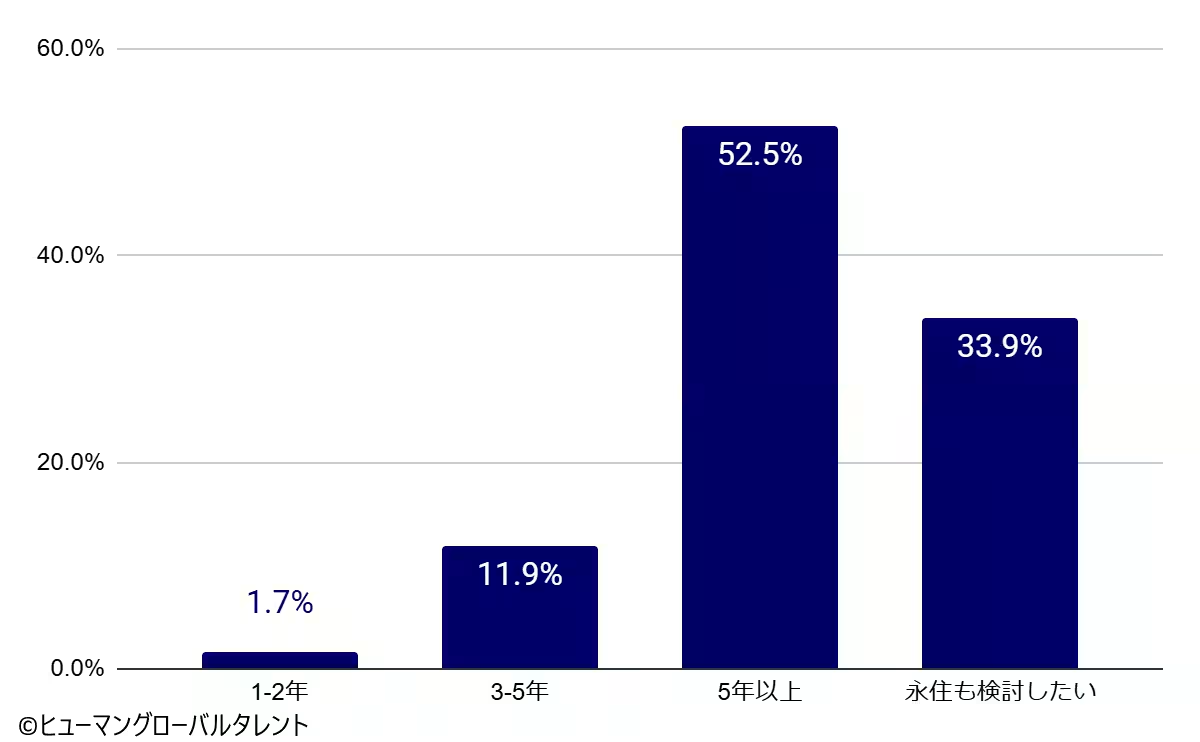
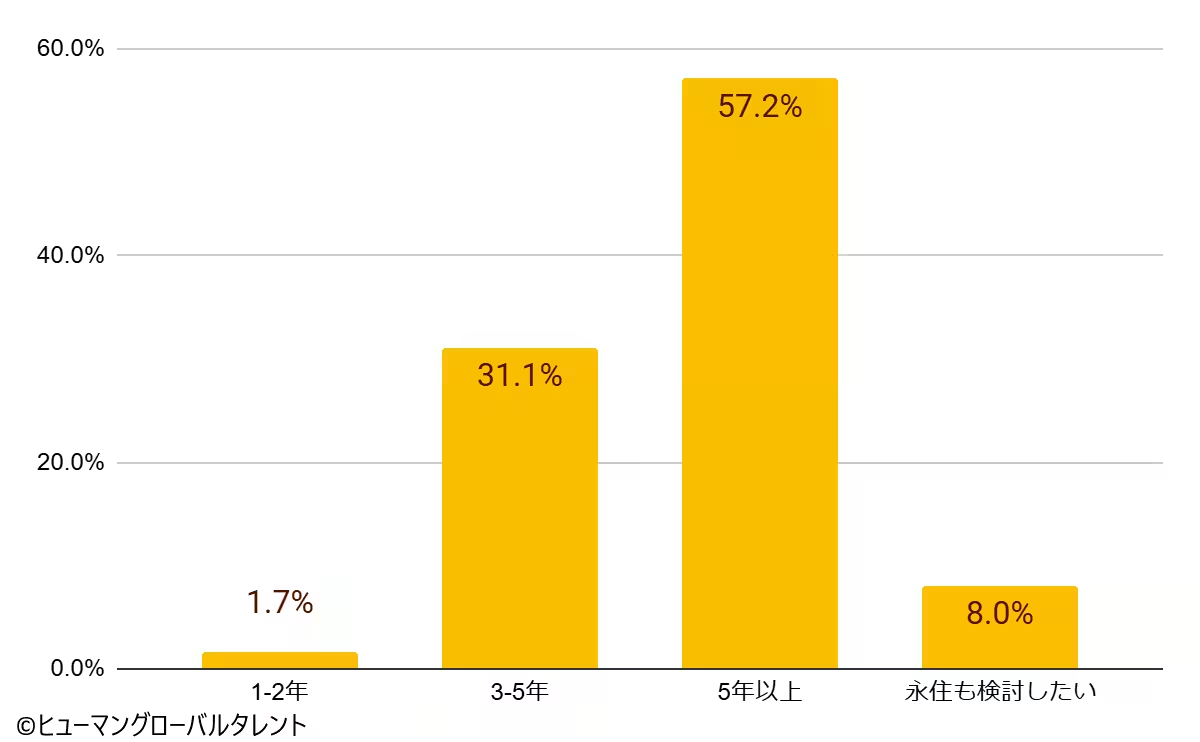
One of the most striking outcomes from the survey is the overwhelmingly high interest in long-term employment among Indonesian candidates. Despite their visa classifications, over half of the respondents expressed a desire to work in Japan for five years or more. This is a promising indication of their commitment to integrating into Japanese companies and society.
Divergent Work Values Based on Visa Class
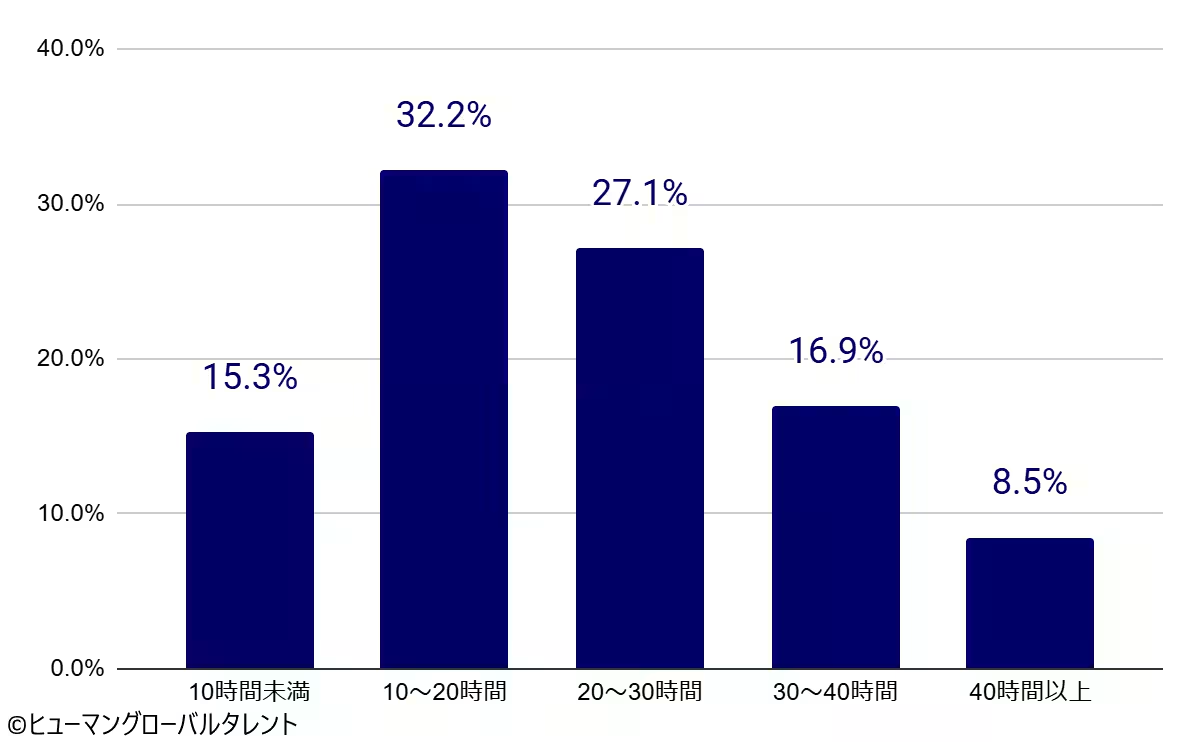
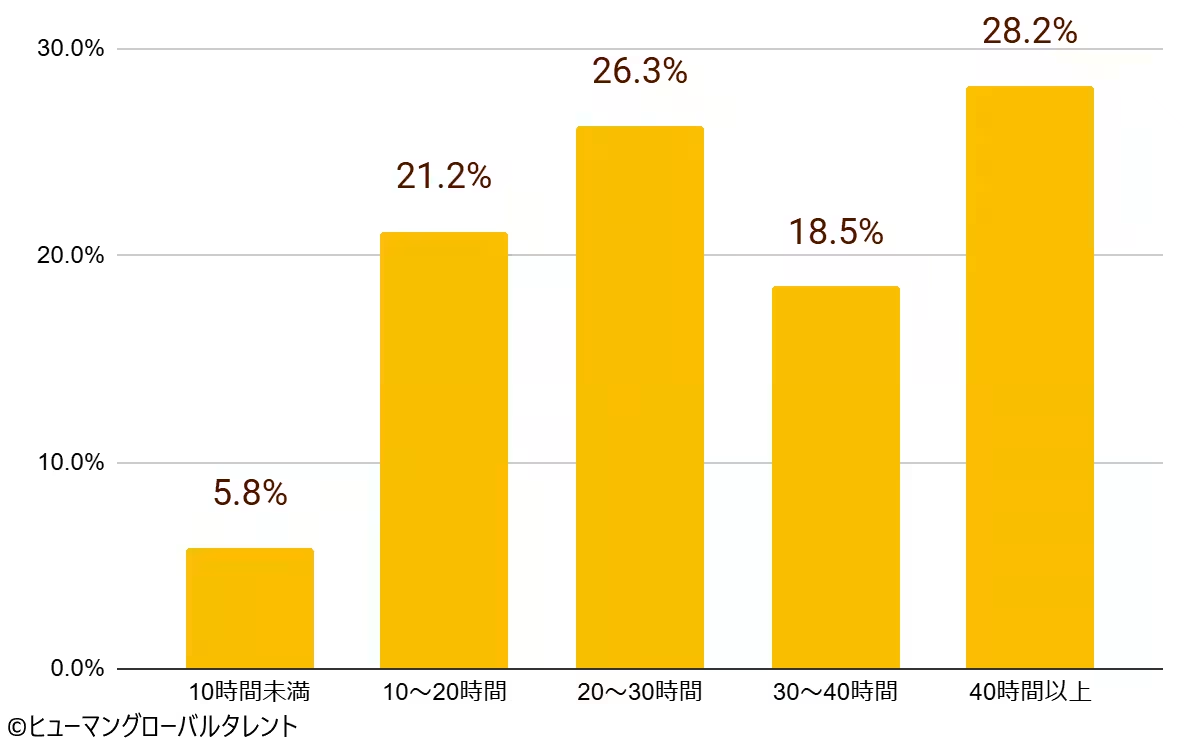
The survey results revealed a clear distinction in work values based on visa status. Candidates under the 'Specified Skilled Worker' class expressed a preference for balanced work-life conditions, typically desiring 10 to 30 hours of overtime. Conversely, those in the 'Technical Intern Training' class are more inclined to accept over 40 hours of overtime, reflecting a heightened focus on maximizing earnings. The differing preferences highlight the need for companies to align their work environments with the expectations of potential hires.
Primary Concern: Discrimination and Prejudice
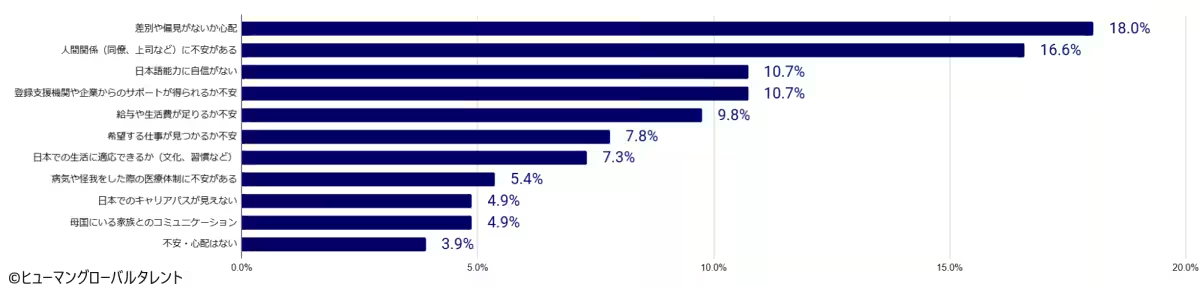
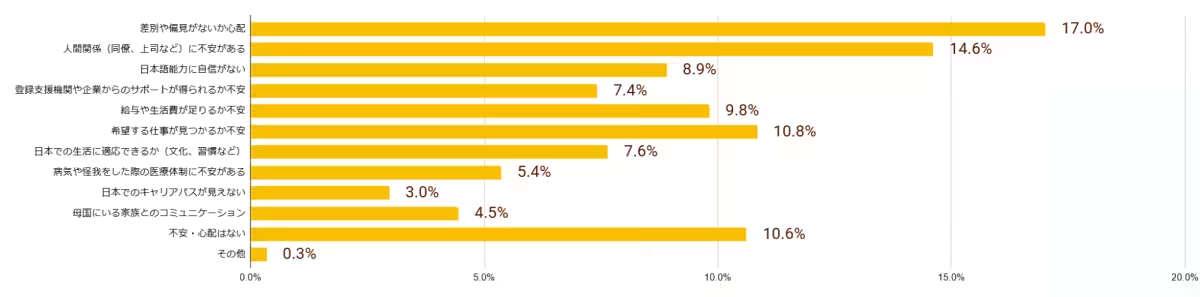
For both classes of candidates, the biggest concern during their job search is the potential for facing discrimination or bias. This common fear underscores the critical importance of creating a supportive and inclusive workplace environment to ensure successful recruitment and retention of foreign workers.
Interest in Permanent Residency
Interestingly, one in three candidates from the 'Specified Skilled Worker' class is open to the possibility of permanent residency in Japan. This trend indicates a long-term commitment to establishing themselves within the country, strengthening the potential for these individuals to become core assets in organizations looking to cultivate a diverse workforce.
Survey Results Summary
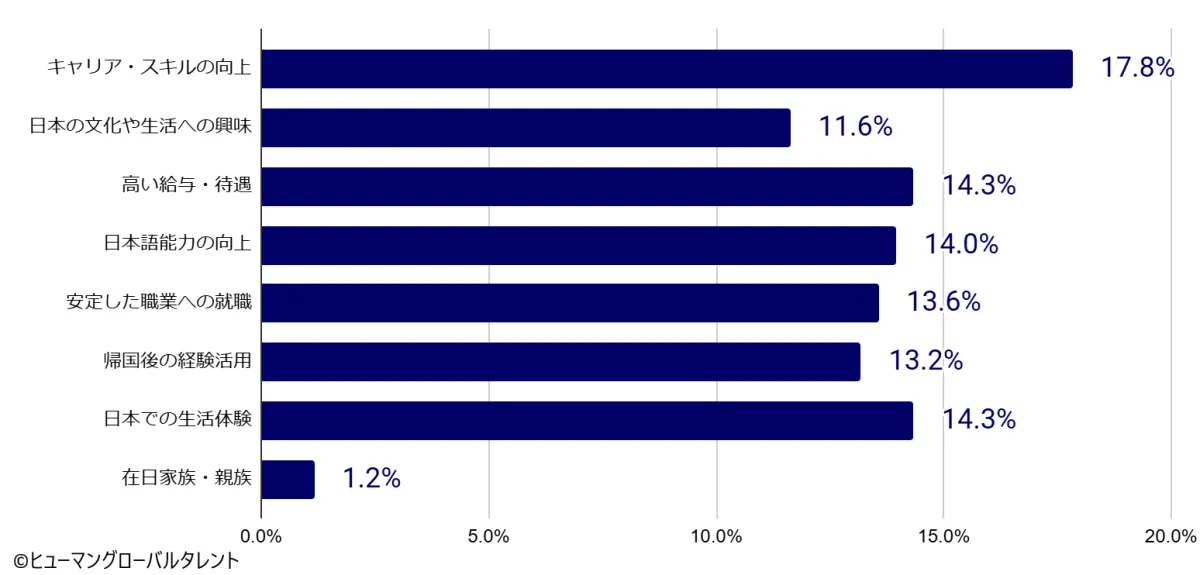
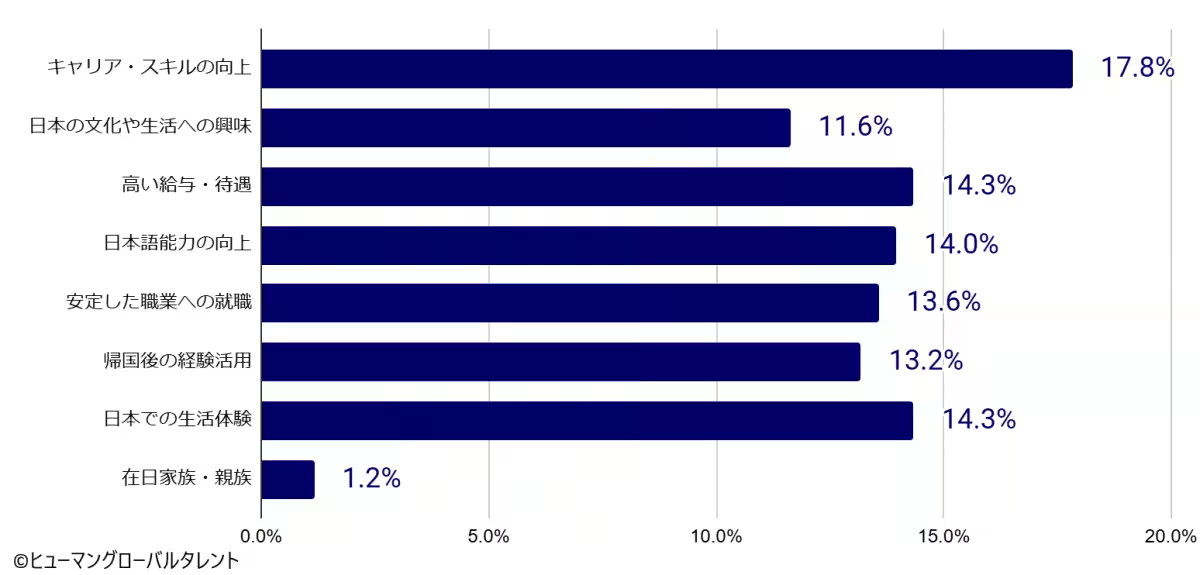
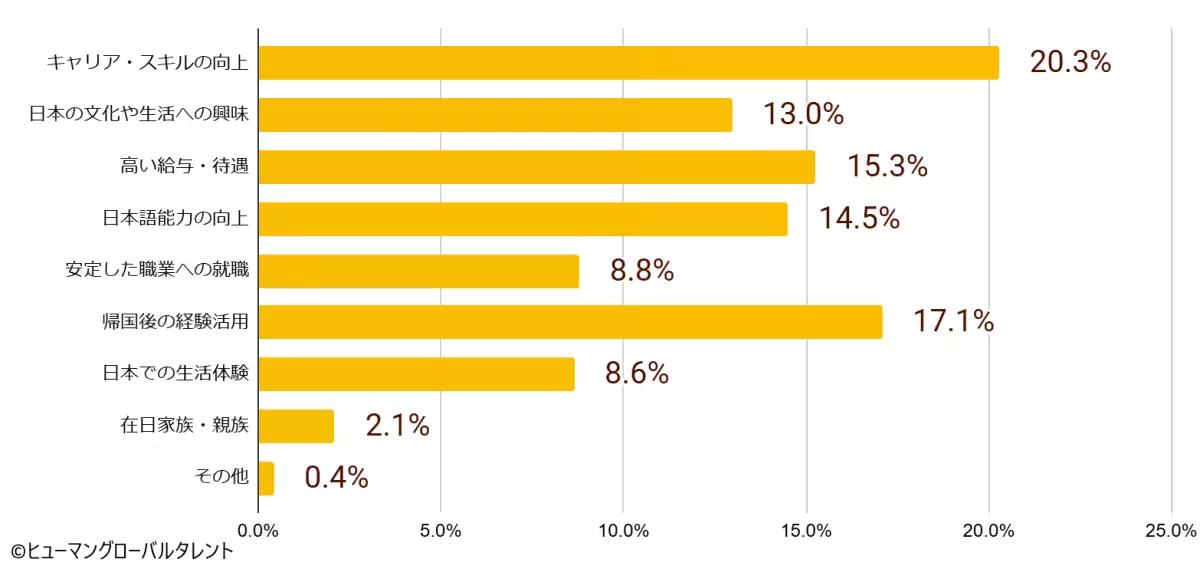
The survey confirmed that both groups of Indonesian students possess a robust desire for career growth and the intention to settle in Japan long-term. The primary motivations for working in Japan include improving career skills and pursuing personal growth through professional experiences.
Here are some detailed statistics from the survey:
- - Desired Work Duration: Majority from both classes expressed a hope for employment of over five years (52.5% from 'Specified Skilled Worker', 57.2% from 'Technical Intern Training').
- - Working Hours Preference: The most common desired overtime for the 'Specified Skilled Worker' class is between 10 to 20 hours (32.2%), while 'Technical Intern Training' candidates prefer over 40 hours (28.2%).
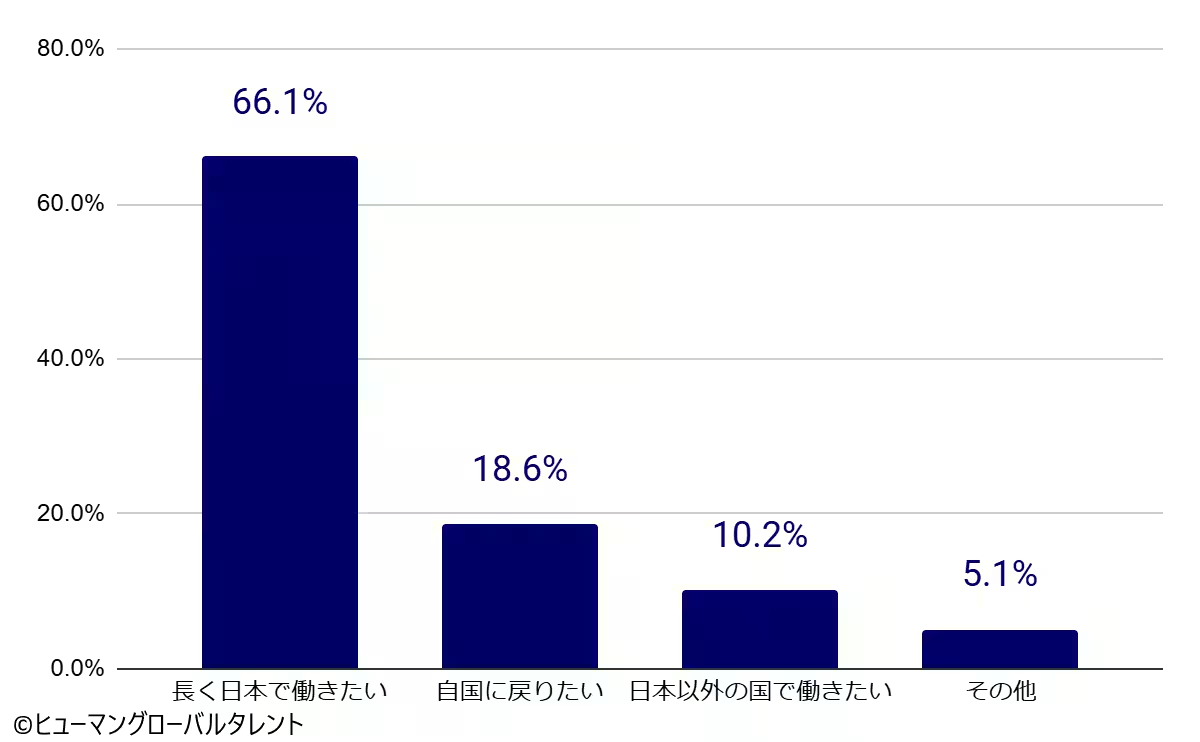
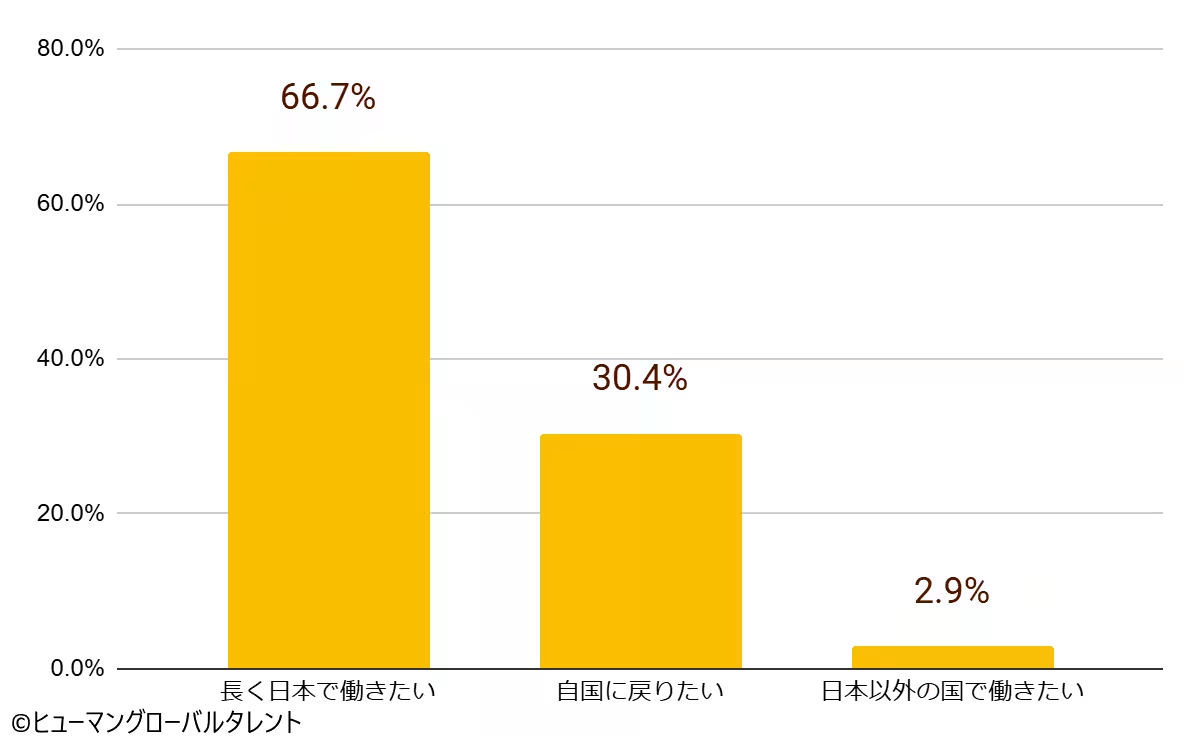
- - Future Aspirations: Both classes shared a desire to work long-term in Japan (66.1% for 'Specified Skilled Worker', 66.7% for 'Technical Intern Training'), yet there is a higher inclination among 'Technical Intern Training' individuals to ultimately return to their home country (30.4% compared to 18.6%).
Implications for Employers
The insights gleaned entail that Indonesian youngsters are driven not merely by the prospect of employment but are also eager to learn, grow, and build lasting careers in Japan. The distinct work value systems of 'Specified Skilled Workers' and 'Technical Intern Workers' hold critical implications for recruitment strategies.
Organizations offering structured work schedules with minimal overtime may attract 'Specified Skilled Workers', while those that can accommodate more demanding hours with appropriate compensation may find it easier to engage 'Technical Intern Training' candidates.
In conclusion, understanding the individual values and anxieties of candidates is vital for businesses aiming to draw and retain quality talent in an increasingly competitive market. Providing tailored information and creating a supportive work environment will be essential in preventing mismatches post-hire, thus enhancing overall workforce stability and job satisfaction.
Respondent Demographics
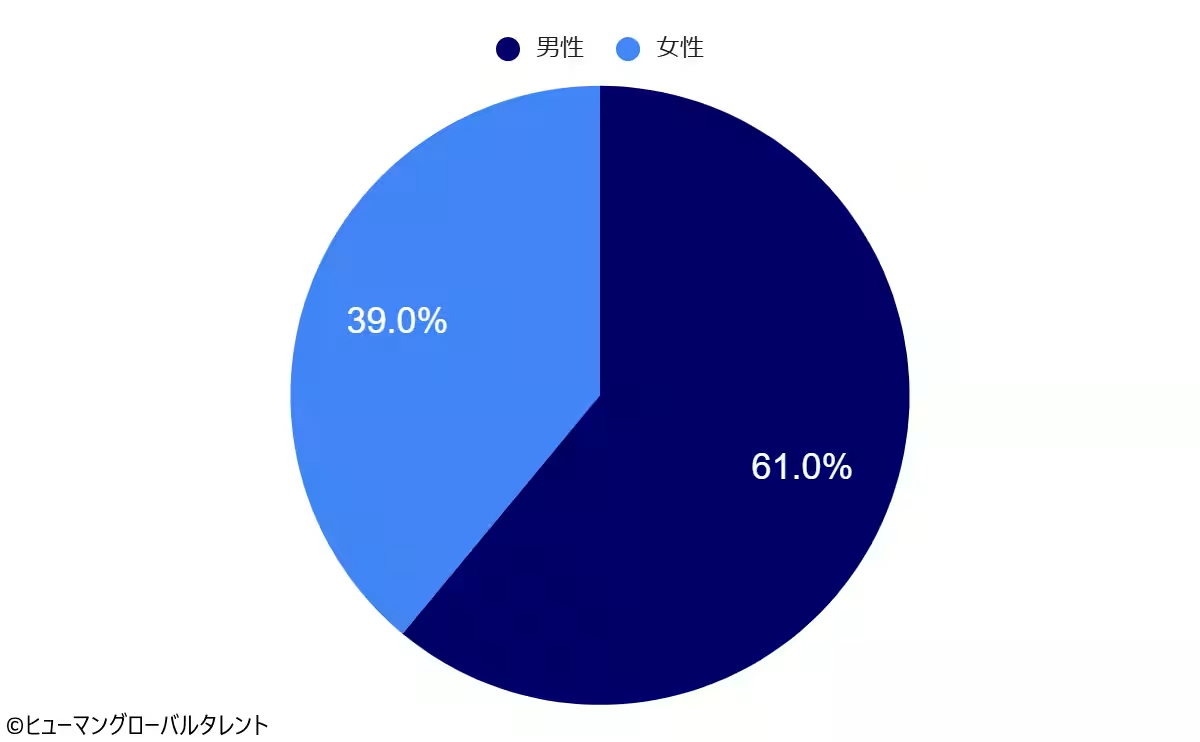
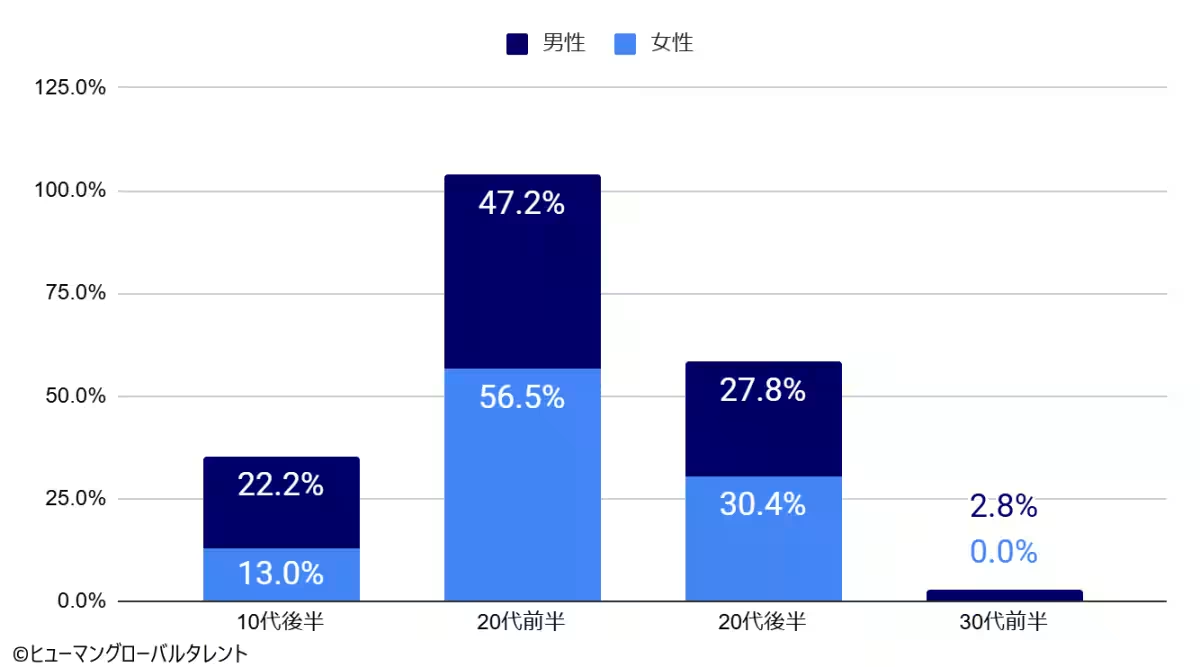
- - Specified Skilled Worker Class: 59 respondents (36 males, 23 females), average age 22.6.
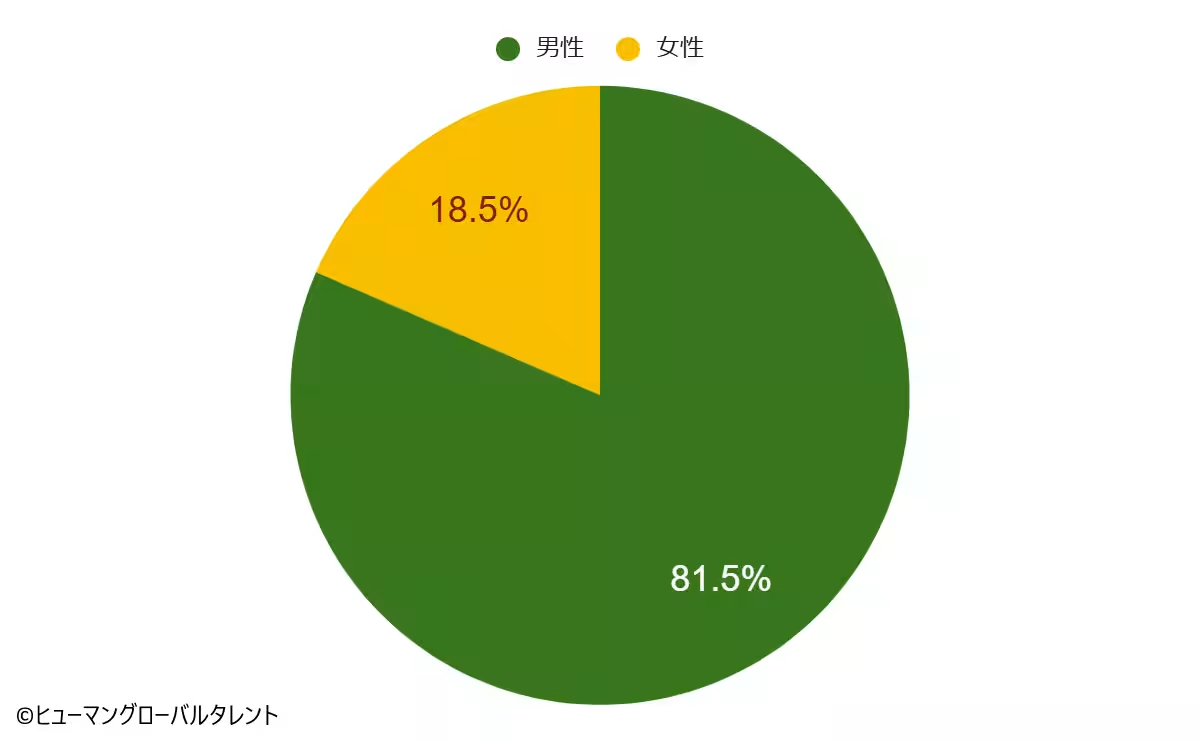
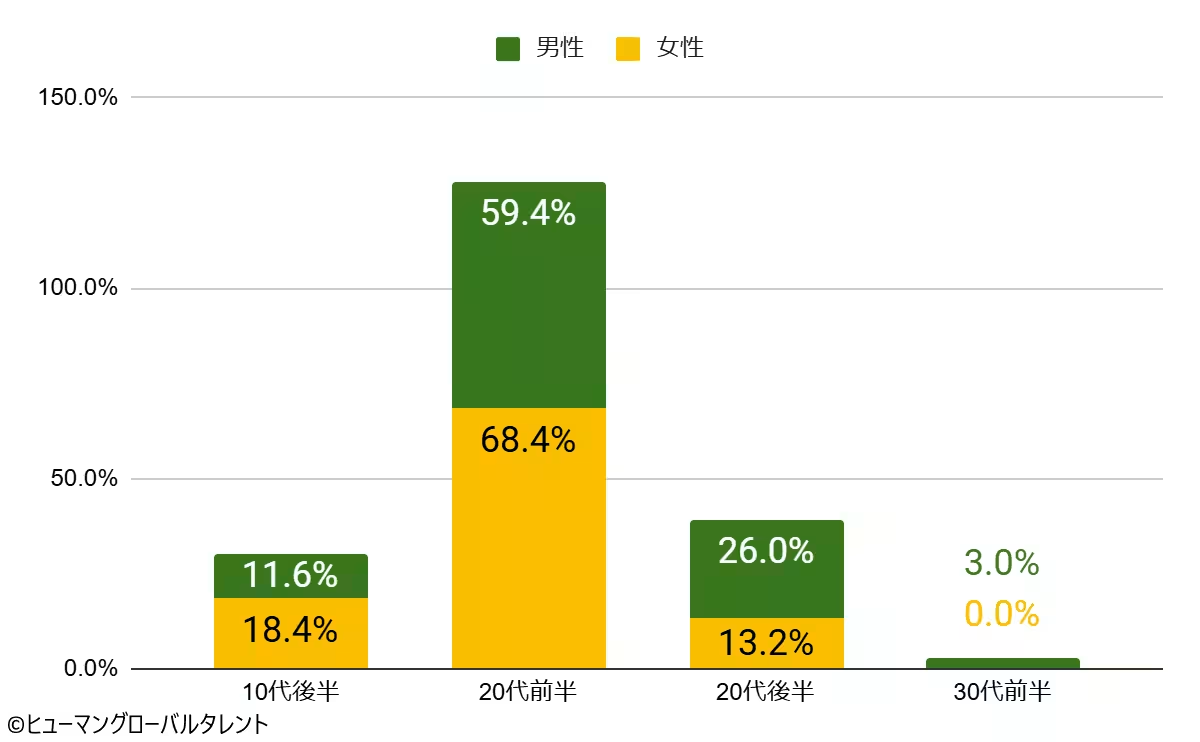
- - Technical Intern Training Class: 411 respondents (335 males, 76 females), average age 22.8.
Conclusion
Through this survey, Human Global Talent aims to facilitate better matches between companies and foreign workers, ensuring that both parties can thrive in the evolving landscape of Japan's economy.
The insights from this research will help fine-tune recruitment strategies and foster an inclusive workplace for foreign talents who seek to build their futures in Japan.



Topics People & Culture)


【About Using Articles】
You can freely use the title and article content by linking to the page where the article is posted.
※ Images cannot be used.
【About Links】
Links are free to use.