



Key Factors for Long-lasting Partnerships and Family Values Revealed
Understanding Key Factors in Long-lasting Partnerships
A recent survey conducted by Cross Marketing, a leading marketing research firm based in Tokyo, delved into the attitudes and perceptions surrounding marriage and family among individuals aged 18 to 79 across Japan. The survey, which aimed to capture shifts in lifestyle and values, involved a sample size of 3,000 people and was conducted in April 2026.
Overview of Key Findings
Marriage and Family Perspectives
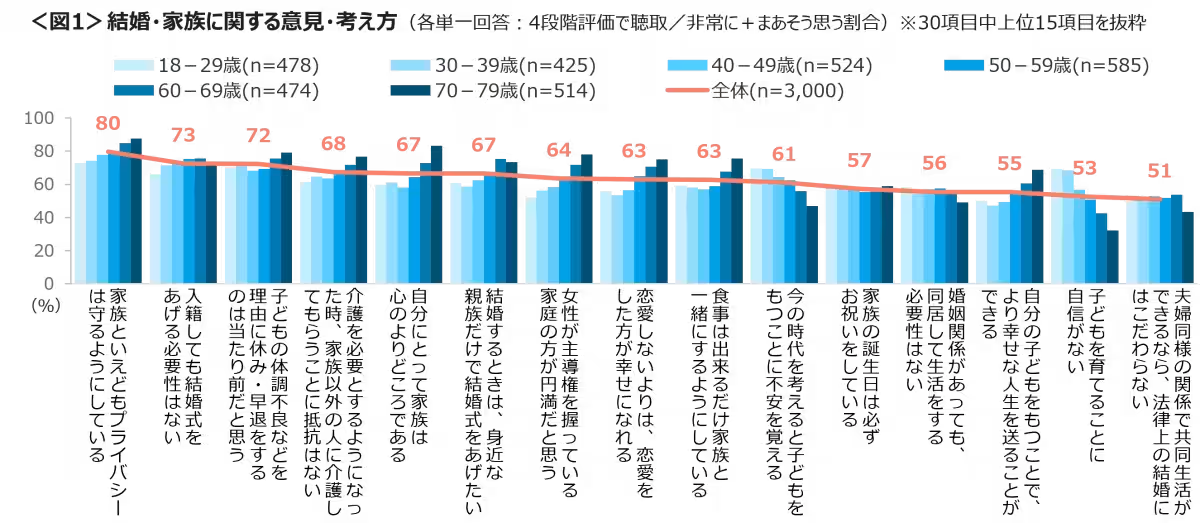
The responses to questions regarding marriage and family were structured into four tiers of agreement. A significant 80% of respondents affirmed the importance of privacy within families, while 73% expressed that a wedding ceremony is not essential after registering a marriage. Additionally, 72% agreed that taking time off for a child’s illness is a standard practice in today’s context. Notably, many young adults aged 18-29 and those in their 30s expressed anxieties about having children, indicating a shift in priorities and concerns about parenting.
Communication within Families
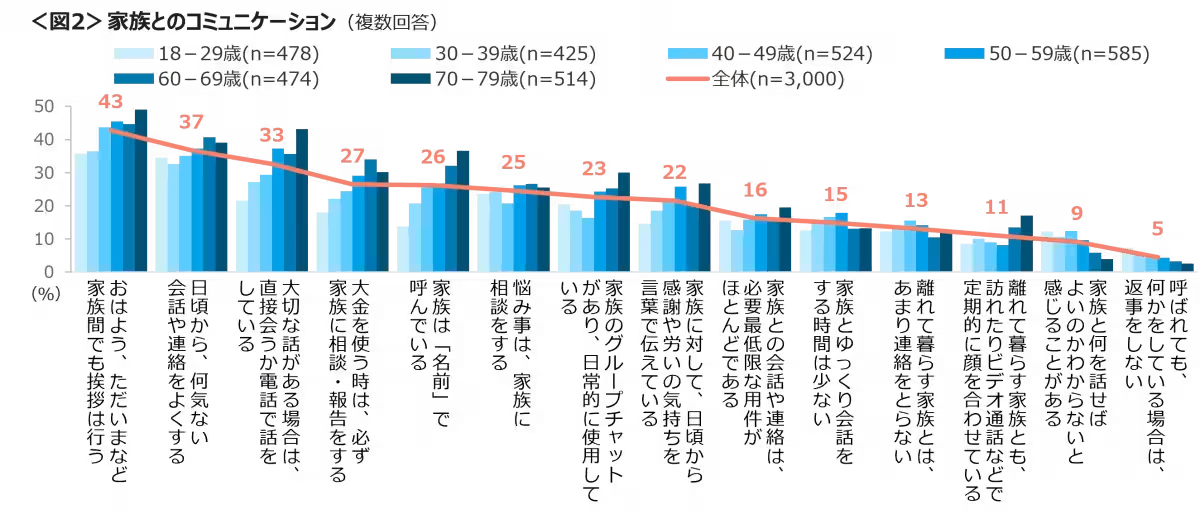
When it comes to family communication, 43% stated that they regularly exchange greetings, while around 30% noted engaging in casual conversations or making phone calls for important discussions. Interestingly, the use of family group chats for daily communications peaked among those in their 70s, suggesting a trend in adapting to digital communication methods.
Insights on Spousal Relationships
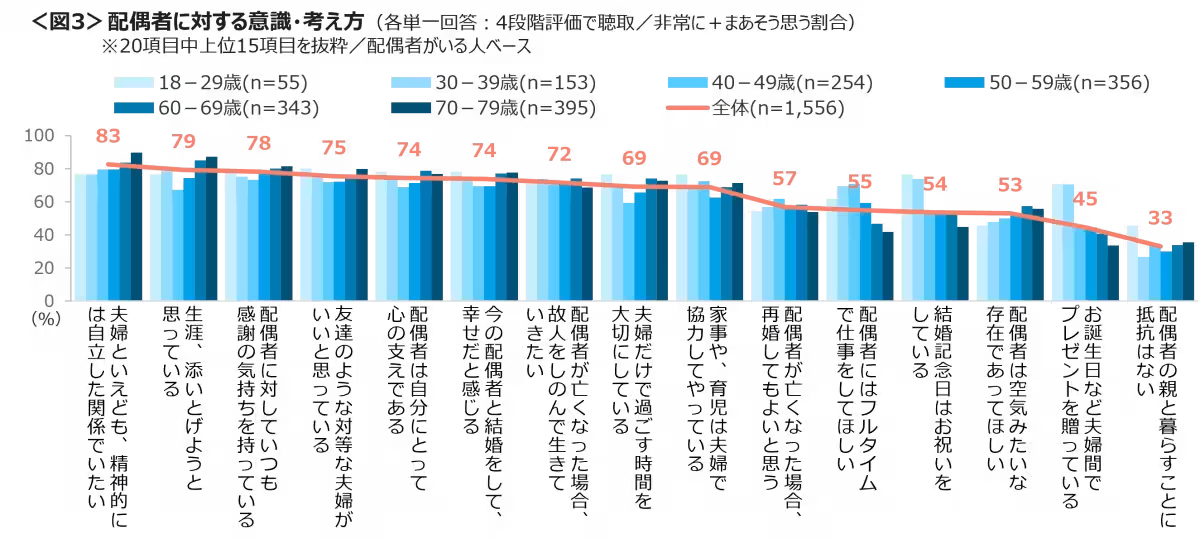
In terms of views on partners, 83% of respondents want to maintain an independent relationship, even within marriage, and 79% expressed a lifelong commitment to their spouse. Moreover, 78% emphasize the importance of gratitude towards their partners. Younger couples, especially those aged 18 to 29, also prioritize celebrating anniversaries and birthdays with gifts—a stark contrast to older generations.
Key Values for Sustaining Relationships
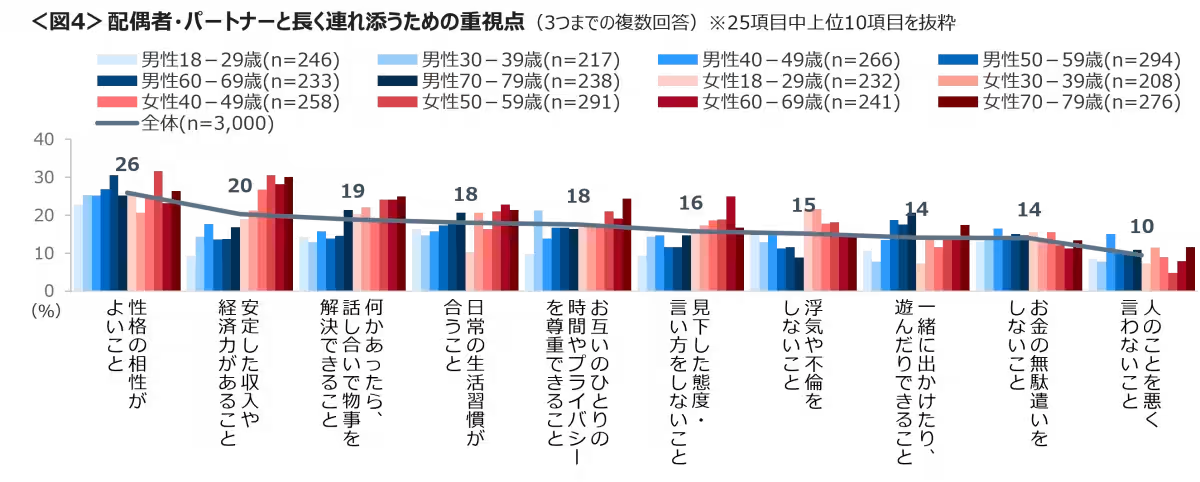
The primary factors identified for maintaining a long-lasting partnership include compatibility, financial stability, and the ability to resolve issues through discussion. The emphasis on financial stability was notably more pronounced among women, highlighting differing perspectives between genders.
Marriage Aspirations and Parenthood
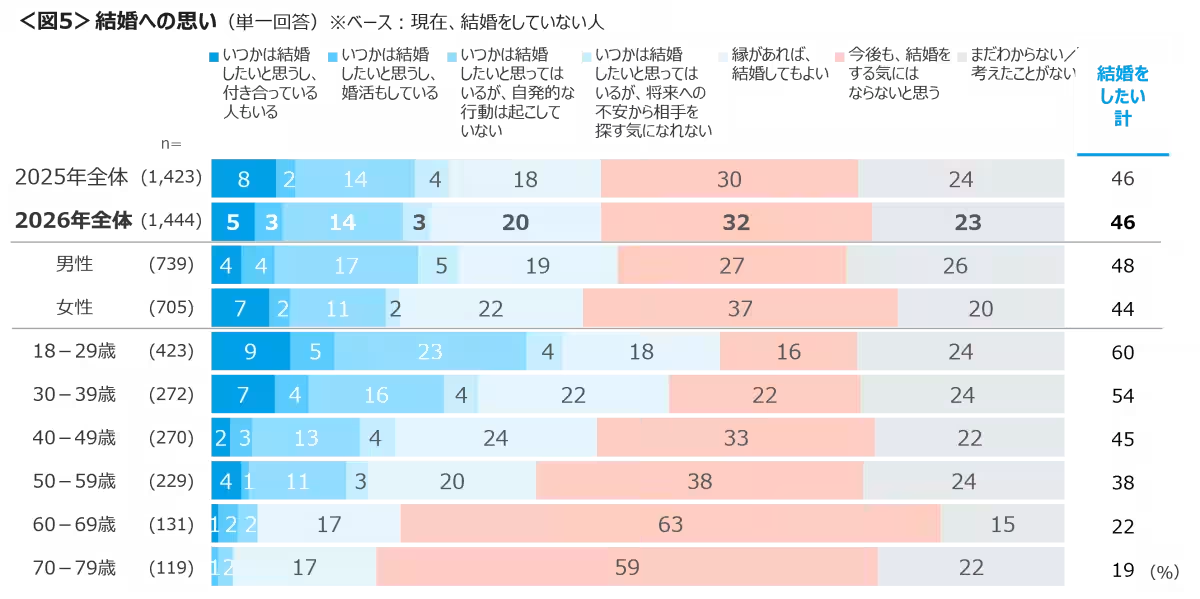
As the survey explored the desire for marriage among individuals without partners, 46% expressed a desire to marry, while 32% were not interested in marriage at all—a statistic consistent with last year's findings. Furthermore, 60% of those aged 18-29 expressed a desire to marry in the future, despite only 23% actively seeking to initiate that process.
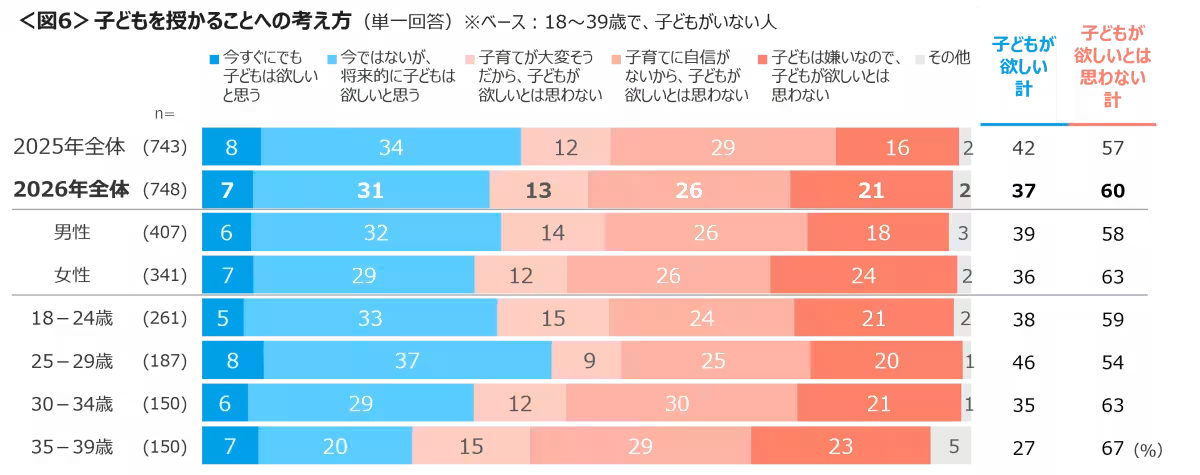
When it comes to the aspiration for children, results show a greater inclination towards not wanting children compared to wanting them, marking a decline when contrasted with previous years. This shift in perspective raises questions about youth priorities and societal pressures surrounding family planning.
Conclusion
This survey sheds light on the evolving perceptions of marriage and family among different age groups, revealing an ongoing transformation of societal norms. Modern couples may be re-evaluating traditional views on relationships, leading to a fresh outlook on family dynamics and commitments.
The results suggest that for a fulfilling partnership, individuals prioritize self-reliance, financial stability, and open communication—crucial elements that define modern relationships. Those considering marriage or parenthood are navigating a landscape shaped by personal values and concerns rather than societal expectations, ultimately impacting future family structures across Japan.
For more detailed insights, download the full report here.

Topics People & Culture)

【About Using Articles】
You can freely use the title and article content by linking to the page where the article is posted.
※ Images cannot be used.
【About Links】
Links are free to use.