



Over 70% of Teachers Believe Society Lacks Opportunities for Disabled Graduates
The Current Landscape for Disabled Students Post-Graduation
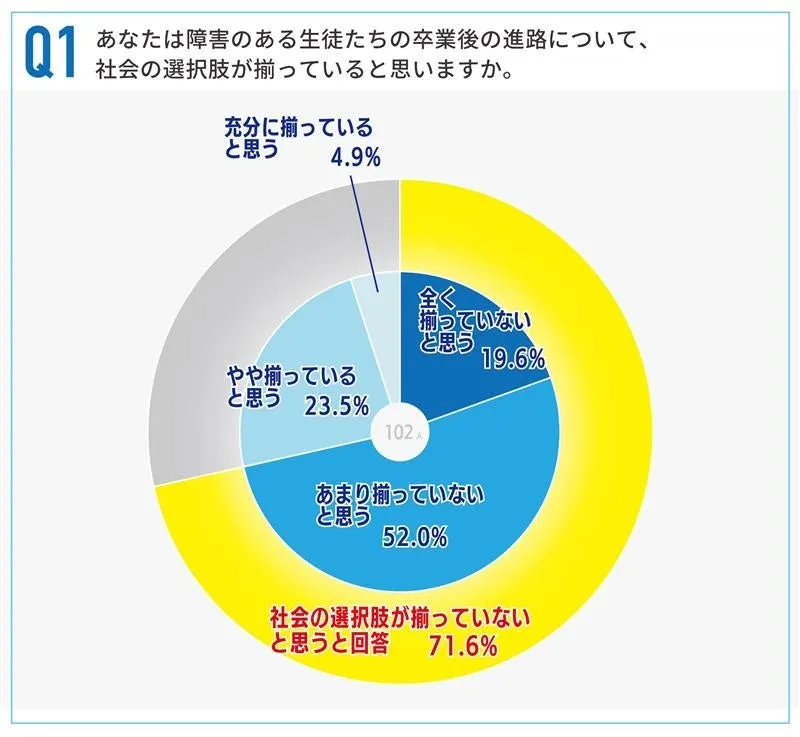
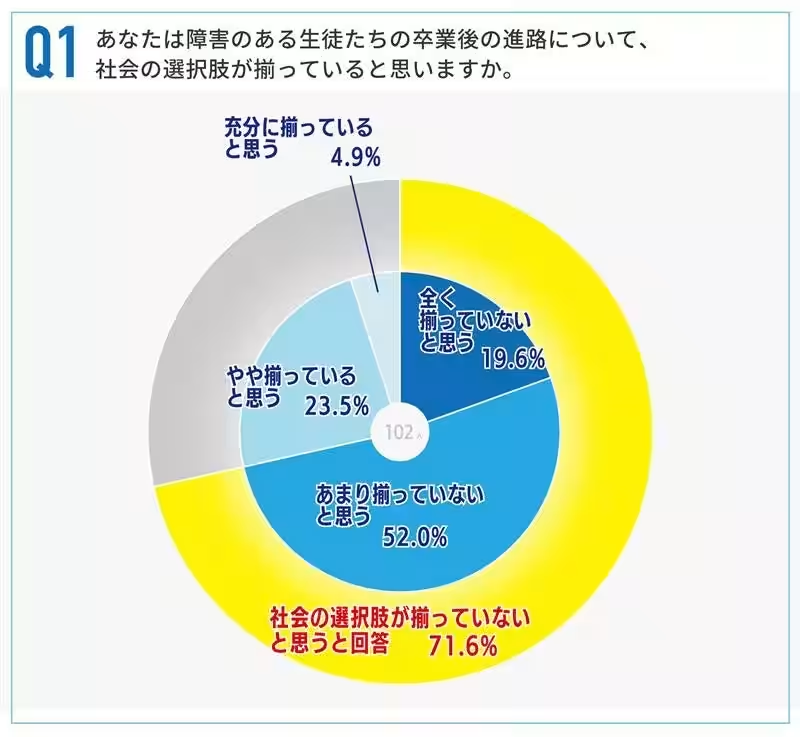
A recent survey conducted by Start Line, a company dedicated to supporting employment for people with disabilities, reveals some concerning truths about the post-graduation prospects for students with disabilities. The survey, which included 102 teachers involved in career guidance for these students, was carried out from July 30 to August 1, 2025. The results illustrate a significant gap in support and opportunities, with over 70% of respondents believing that society currently does not provide a sufficient array of options for their students.
Survey Findings
The survey specifically asked teachers if they thought society offers adequate choices for their students after graduation. A staggering 19.6% answered that there were “no options available at all,” while 52% felt that options were “not very plentiful.” This leads to the overall conclusion that more than 70% are convinced that there simply aren’t enough opportunities in society for these graduates.
Key Issues Identified
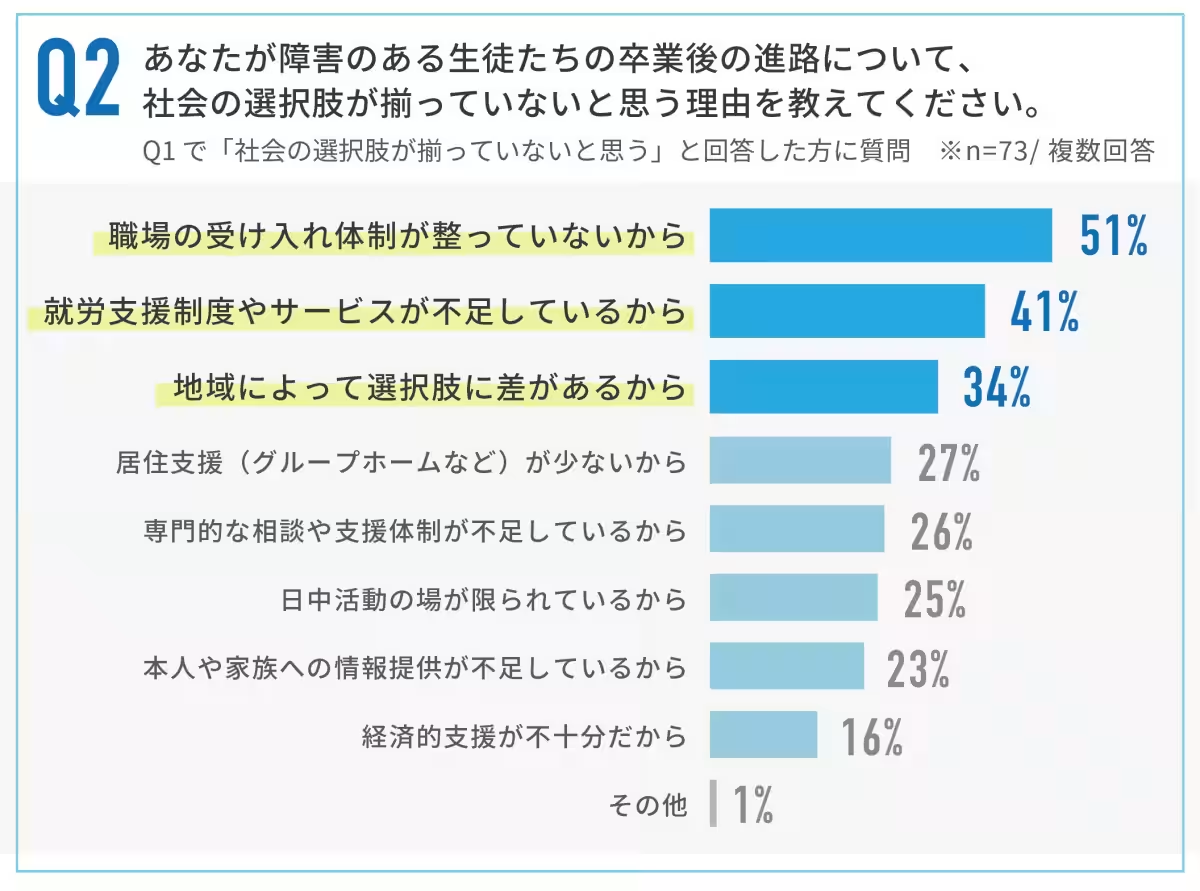
When asked to elaborate on why they believe options are lacking, the top reasons were alarming:
1. Lack of Workplace Acceptance - 51% cited that workplaces are not adequately prepared to accept disabled individuals.
2. Inadequate Support Systems - 41% indicated there is a significant lack of employment support systems and services.
3. Regional Disparities - 34% noted discrepancies in available choices based on different regions.
This indicates a need for both structural and cultural changes in various systems to provide sufficient support for those embarking on their career journey after school.
The Need for a Systemic Change
The current situation not only reflects the urgent need for improved accessibility but also pinpoints specific areas of concern that require immediate attention. According to the Ministry of Education, Culture, Sports, Science and Technology, only 29.2% of students from special needs schools transition into jobs, while a troubling 62.7% are placed into welfare facilities. These statistics should provoke a reconsideration of how society views and accommodates individuals with disabilities in workplaces.
Comments from the Disability Employment Evangelist
Eiji Yoshida, who serves as Start Line's Disability Employment Evangelist, emphasized the importance of transforming the landscape for disabled individuals in the labor market. With extensive experience supporting over 500 companies and 5,000 disabled individuals, Yoshida advocates for a more fulfilling and inclusive approach to disabilities in the workforce.
In his view, the lack of acceptance stems from multiple barriers including insufficient infrastructure, inadequate employee training regarding disability awareness, and poorly designed job roles that fail to accommodate diverse needs.
Actions for Improvement
For systemic change to occur, several key actions must be taken by businesses, educational institutions, and local communities:
- - Enhancing Workplace Infrastructure: Companies must improve their acceptance frameworks, such as providing barrier-free access and reasonable accommodations while ensuring that staff are educated about various disabilities.
- - Strengthening Educational Collaborations: Schools, in collaboration with businesses, should provide training that aligns with the characteristics of students. Increasing the availability of internships and workplace experiences will help build connections to the community earlier in the education process.
- - Building Community Support Networks: It's crucial for welfare, employment, and educational agencies to work together to provide uninterrupted support as students transition from school to the workforce. This can create a welcoming environment for those with disabilities to thrive in their communities.
In conclusion, for a society to allow young people with disabilities to experience diverse living, learning, and working options, comprehensive transformation across various sectors is essential. It should not be a case of isolated efforts but rather a concerted initiative from all societal sectors to foster an inclusive future.
References
The findings from this survey are not isolated; they echo previous reports highlighting the challenges faced by disabled individuals in the workforce. These issues require collective commitment to address, ensuring a brighter future for all.
For more information and insights on disability employment, feel free to visit Start Line.


Topics People & Culture)

【About Using Articles】
You can freely use the title and article content by linking to the page where the article is posted.
※ Images cannot be used.
【About Links】
Links are free to use.