


Transforming Workplaces: From 'Using' Systems to 'Co-Creating' Value
Transforming Workplaces: From 'Using' Systems to 'Co-Creating' Value
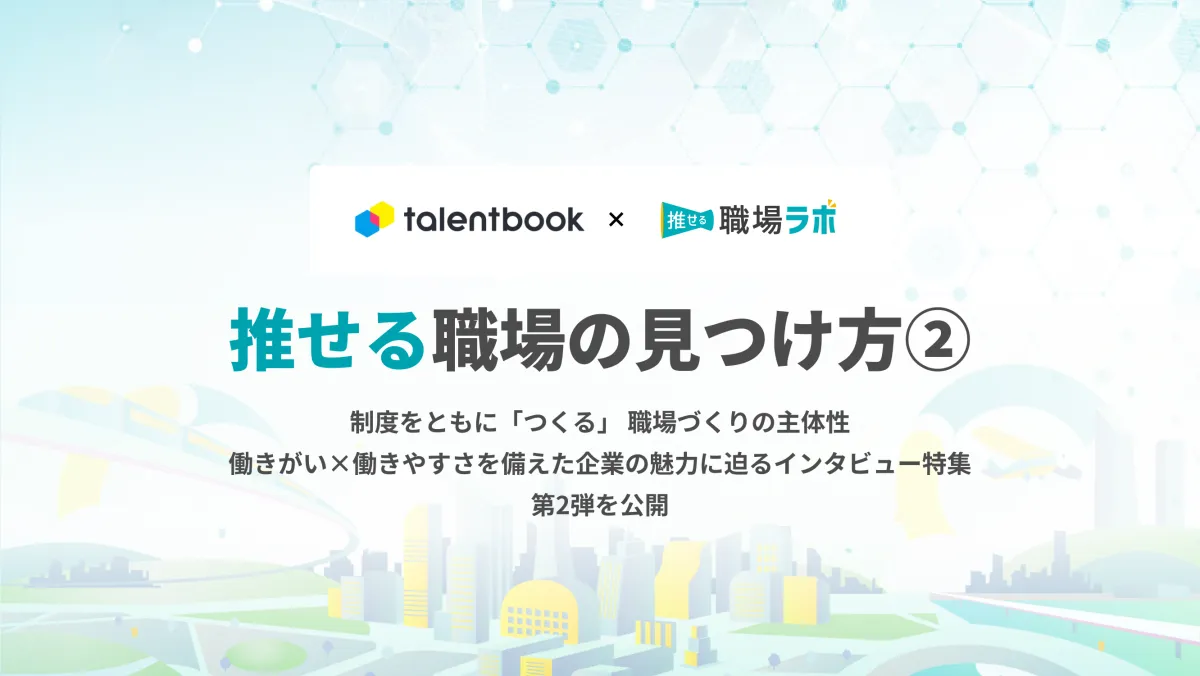
In a world where employee satisfaction is paramount, the Japanese company NEWONE, based in Minato, Tokyo, is pioneering an initiative that shifts the paradigm of workplace culture. Under the leadership of CEO Shuhei Uebayashi, NEWONE specializes in organizational development and human resources consulting aimed at enhancing engagement and creating compelling workplaces. Their recent collaboration with talentbook, a company known for its role model job hunting site, has produced the second installment of their 'Pushable Workplace' feature series, specifically focused on the theme of co-creating a workplace that enhances employee satisfaction.
The Importance of Co-Creation in Modern Work Environments
The concept of a 'Pushable Workplace' refers to an environment where employees feel a strong sense of attachment and responsibility, actively participating in the growth and improvement of their workplace. This initiative comes at a time when many organizations are grappling with how to cultivate environments that provide not only ease of work but also a profound sense of purpose and fulfillment.
Previously, the first installment emphasized 'opportunities for participation', while the current release highlights how employees can transition from merely utilizing existing systems to actively co-creating workplace culture. This shift is essential for enhancing engagement and satisfaction, which are critical for organizational growth.
Over recent years, improvements in working conditions have made jobs easier for many. However, the challenge of fostering a sense of growth and contribution among employees persists in numerous organizations. It has become increasingly clear that simply establishing systems is insufficient; individuals need to feel empowered to become integral parts of their workplace, taking on roles that allow them to shape their environments actively.
Real-Life Examples of Engagement and Co-Creation
In this special feature, NEWONE showcases exemplary cases of businesses that have successfully increased employee satisfaction through proactive engagement and co-creation. These companies have recognized that engaging employees meaningfully—not as passive users of workplace systems, but as active contributors—can lead to a culture of pride and motivation.
One of the key components highlighted involves creating an ecosystem where employees can voice their opinions and suggestions, leading to an inclusive atmosphere that values each individual’s input. This practice ensures that employees feel needed and valued, ultimately encouraging them to recommend their workplaces to others proudly.
Building a Sustainable Culture
Moreover, in the current corporate landscape, where human capital management is becoming increasingly important, the ability to engage employees effectively translates directly to sustainable organizational growth. NEWONE asserts that fostering an environment where individuals can fully engage in their work leads to a positive feedback loop—a cycle of engagement that benefits both employees and the company at large.
By promoting a workplace culture centered around co-creation, businesses can enhance the prospects of not just individual employee satisfaction, but also overall organizational success. With an increasing number of companies recognizing the significance of workplace culture, strategies that support engagement will likely become a central theme in the future of work.
For more insights, you can explore the comprehensive list of initiatives under the 'Pushable Workplace' feature series here.
Conclusion
As we look ahead to the future of the workplace, NEWONE and talentbook are at the forefront, guiding organizations toward a model that prioritizes co-creation. This approach not only contributes to enhanced employee engagement but also lays the groundwork for a thriving organizational culture where everyone feels a sense of ownership and pride.
This transformation is a vital step in addressing contemporary workplace challenges and ensuring the long-term success of companies across various sectors. Because when employees feel empowered to co-create, they become more than just workers—they become advocates for their workplace.
Topics People & Culture)




【About Using Articles】
You can freely use the title and article content by linking to the page where the article is posted.
※ Images cannot be used.
【About Links】
Links are free to use.