


The Harassment Experience in Japanese Workplaces: An In-Depth Survey Analysis
Understanding Workplace Harassment in Japan
A significant survey conducted by Webgift Inc., led by CEO Hitoshi Tomita, focused on identifying the realities of workplace harassment in Japan. The study, which took place from November 14 to 17, 2025, involved 200 respondents who either left their jobs or considered quitting due to harassment. This survey sought to uncover their experiences, the types of harassment faced, and the organizational responses.
The Disturbing Findings
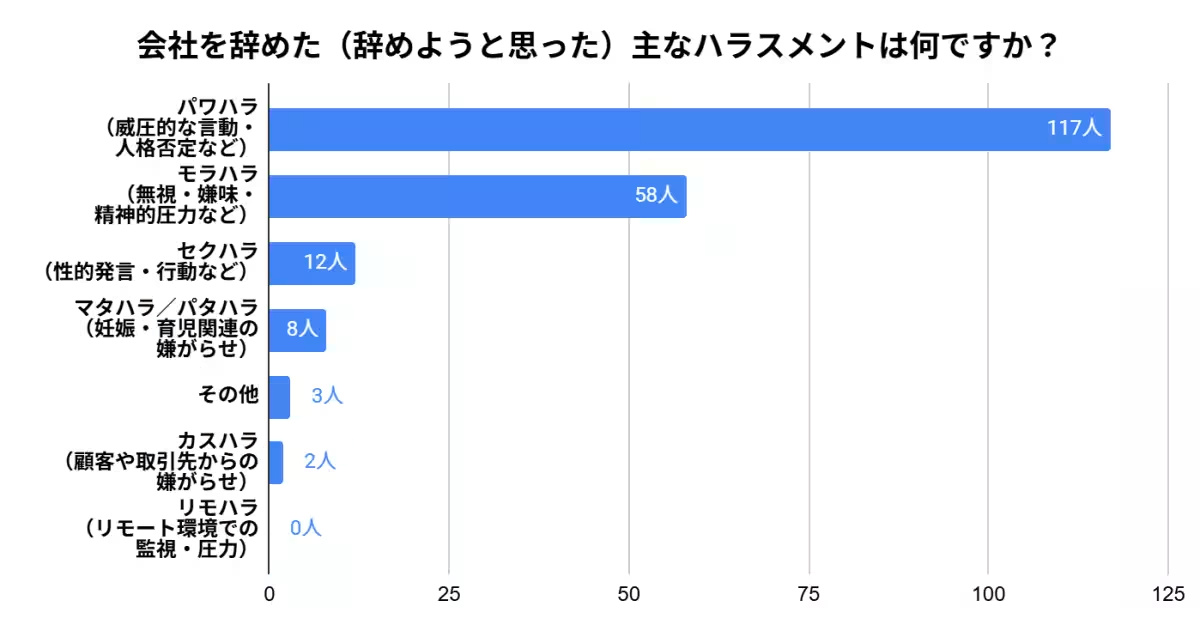
The survey revealed distressing statistics: nearly 60% of respondents indicated experience with power harassment, while around 30% reported moral harassment.
Types of Harassment
1. Power Harassment: This was the most reported issue, encompassing aggressive behaviors from supervisors, belittling comments, and unreasonable demands.
2. Moral Harassment: Many cited experiences of verbal abuse and destructive criticism that not only affected their job performance but harmed their well-being.
3. Sexual Harassment: While reported less frequently, detrimental comments regarding physical appearance were still present in the data.
Respondents shared poignant anecdotes, revealing a work culture that often prioritizes productivity over personal welfare. For instance, a woman shared her distress after a superior questioned her use of parental leave, while another described being belittled repeatedly in meetings. This indicates an environment where emotional and physical exhaustion are prevalent due to hierarchical power dynamics.
Who Are the Perpetrators?
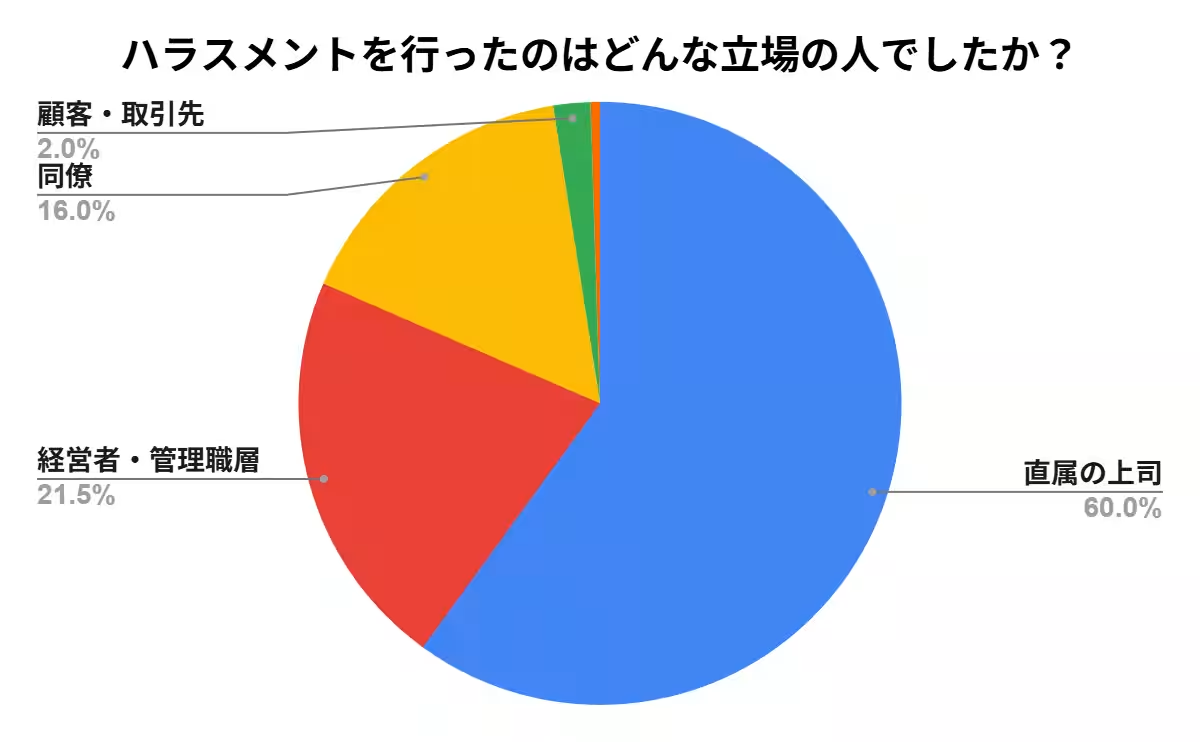
The most common perpetrators were direct supervisors, with 60% of respondents identifying them as the source of their harassment. Senior management also received mention, highlighting a concerning trend where those in power contribute significantly to a toxic workplace culture.
Employee Reactions
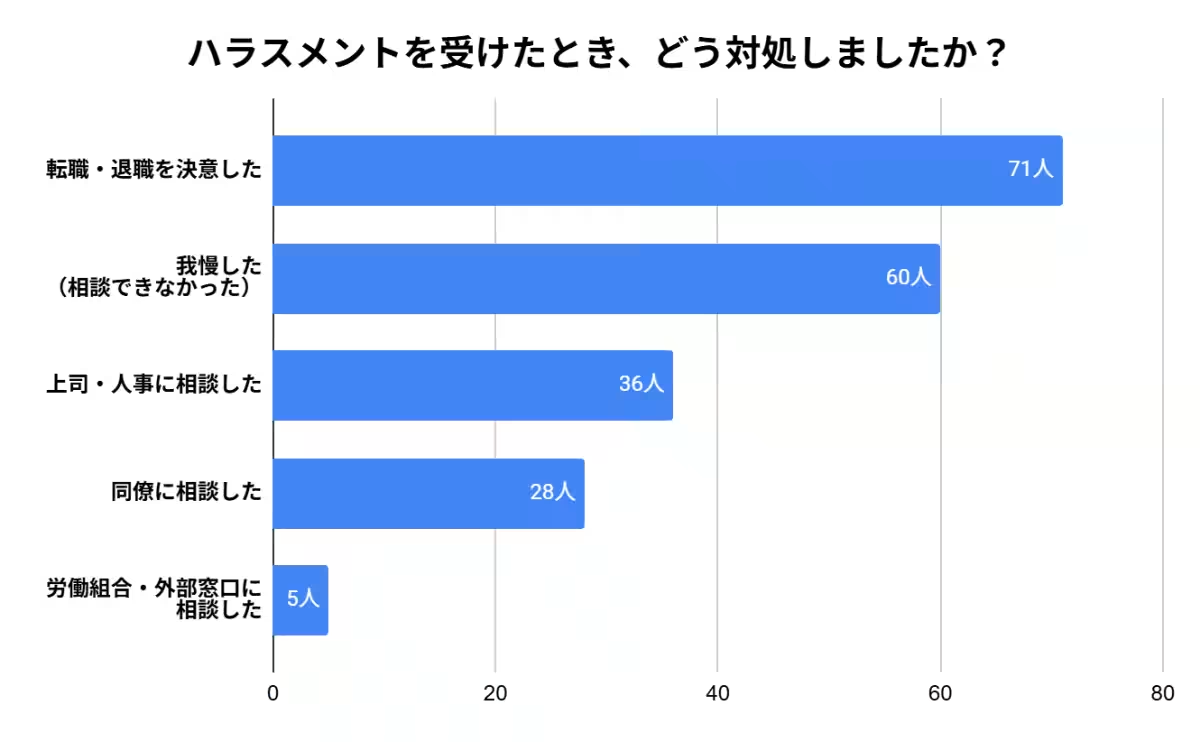
The survey also examined how victims reacted to their experiences. The predominant choices were to either quit or suffer in silence. Specifically:
- - 71 chose to resign or pursue new jobs.
- - 60 participants endured their situations without reporting them.
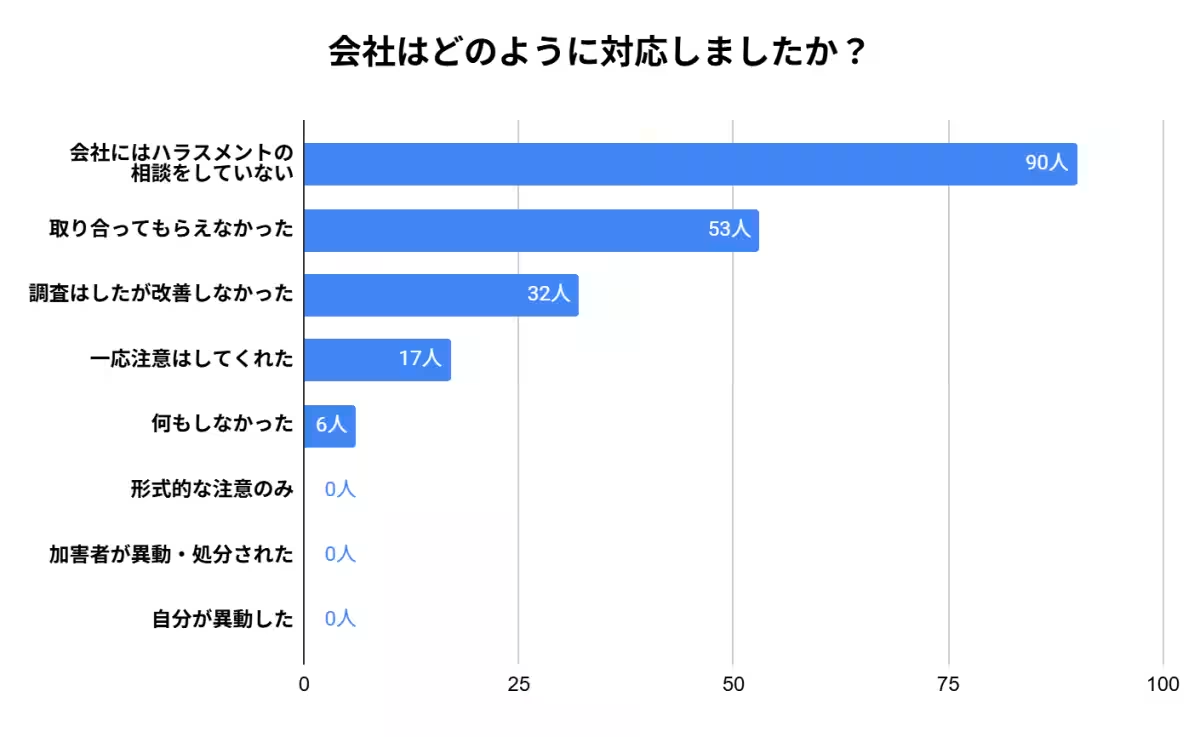
Sadly, those who sought assistance received little support or resolution. An overwhelming 90 respondents indicated they never reported their experiences to HR or management, fearing retaliation or disbelief from their superiors.
Organizational Response
An alarming pattern emerged regarding the organization's response to these complaints. Less than 10% of respondents felt that their concerns were adequately addressed. For those who did reach out, many reported feeling dismissed, invalidated, or receiving no actionable feedback. This suggests a critical gap in support structures within most workplaces, placing individuals in exhausting situations without effective recourse.
Consequences Faced Before Leaving
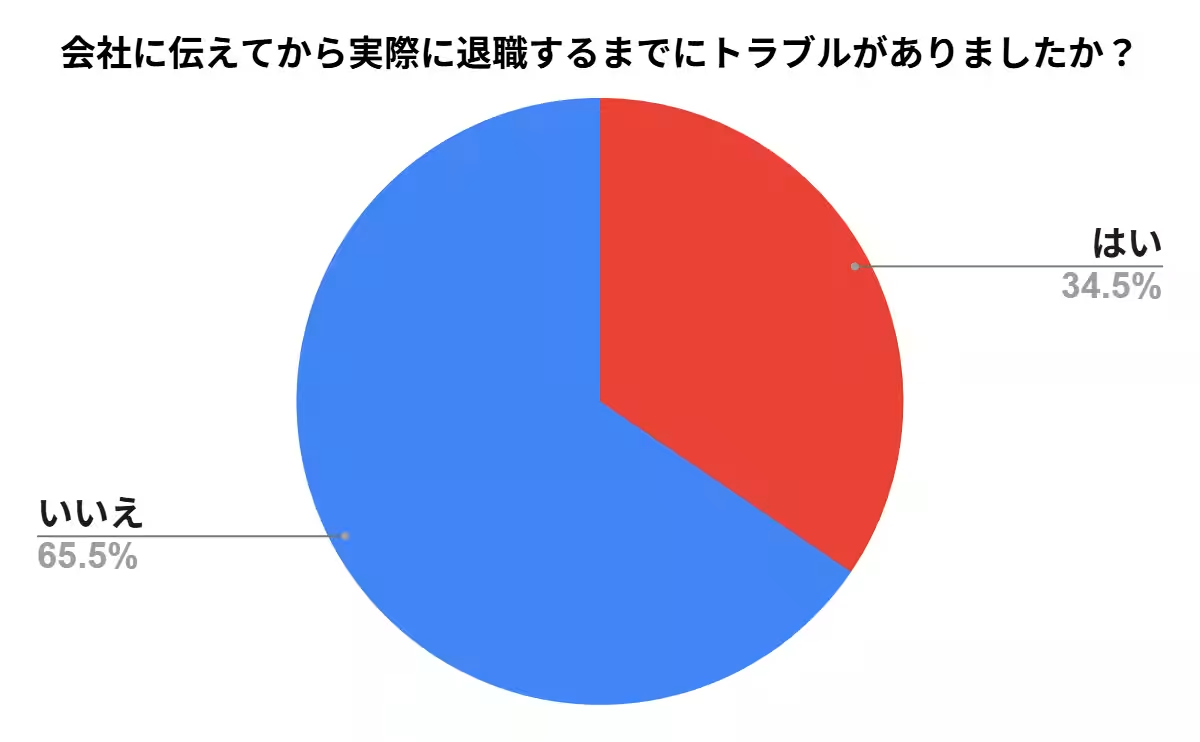
Almost 30% faced various challenges leading up to their resignation, including refusal of paid leave or undue pressure during the resignation process. Some reported extensive delays in receiving necessary documents, exacerbating their mental and emotional stress during a vulnerable time. Many found themselves in emotionally draining confrontations with employers who resisted their decisions to leave.
Harassment Experiences Beyond the Workplace
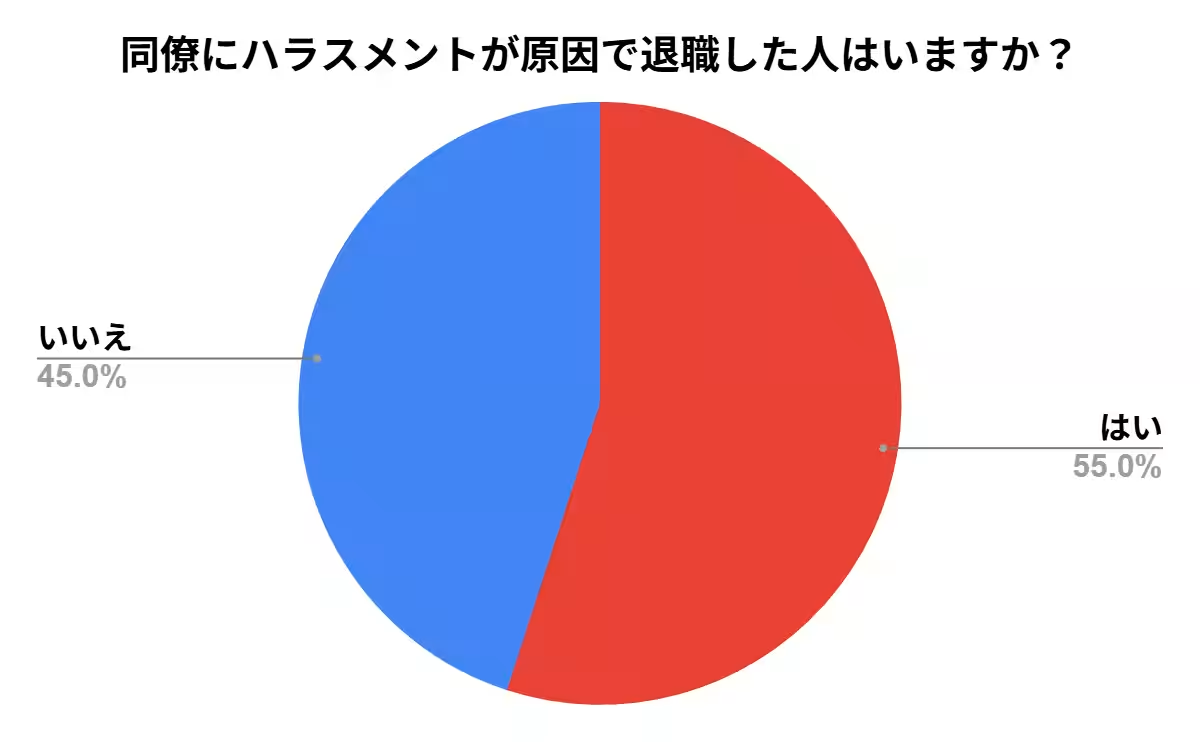
Interestingly, a significant number of survey participants noted witnessing similar harassment experiences faced by peers, underscoring that the issues extend well beyond individual cases to systemic problems within corporate environments.
- - 110 respondents confirmed knowing colleagues who had left due to harassment, indicating a widespread issue.
Geographical Distribution of Harassment
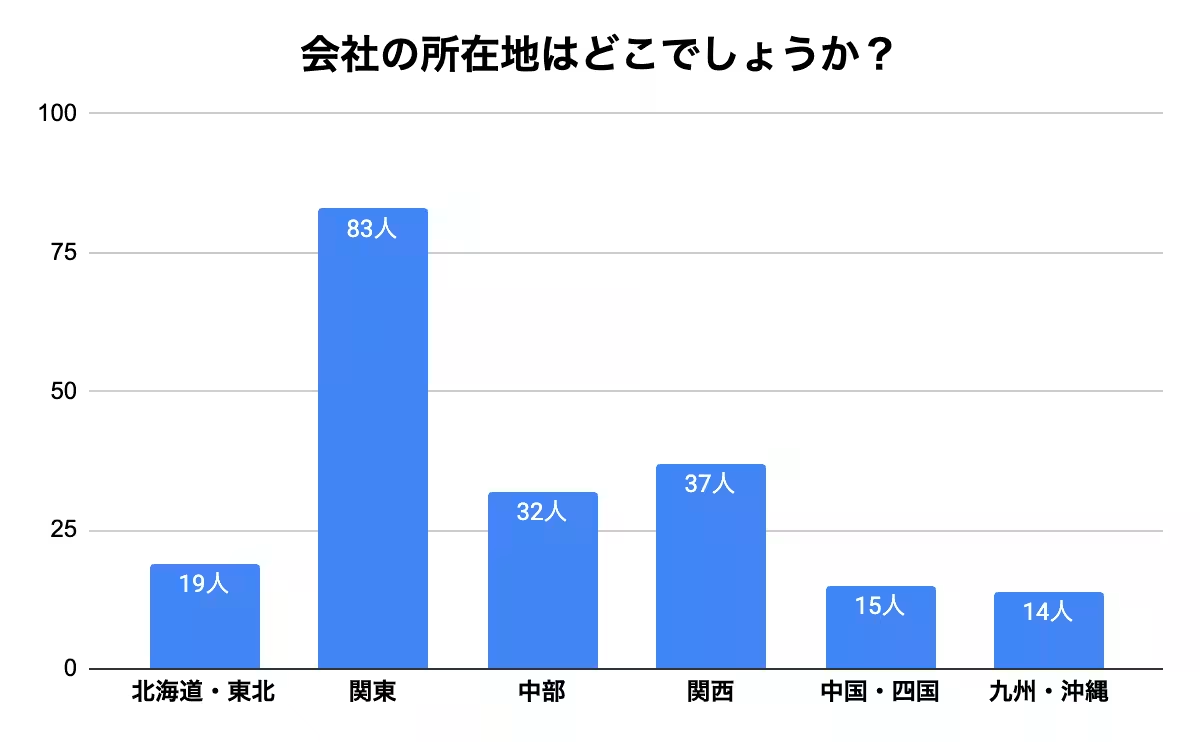
The survey uncovered that experiences of harassment are not confined to one geographical area, with the highest reported instances coming from the Kanto region, suggesting a national epidemic as opposed to isolated incidents.
Conclusion
The findings from this survey reveal an urgent need for effective strategies to combat workplace harassment in Japan. Companies must prioritize a culture that values emotional health and personal welfare. Addressing these issues is not just about policy but genuinely caring for the individuals who contribute their talents and efforts to organizations daily. As long as individuals feel compelled to choose between suffering in silence or leaving their jobs, the work environment in Japan will continue to struggle with retention and mental health issues.
- ---


Topics People & Culture)


【About Using Articles】
You can freely use the title and article content by linking to the page where the article is posted.
※ Images cannot be used.
【About Links】
Links are free to use.