



Survey Reveals Strong Concerns About VPN Security Among IT Professionals
Survey Reveals Strong Concerns About VPN Security Among IT Professionals
In an increasingly digital workplace, the reliability and security of Virtual Private Networks (VPNs) have come under scrutiny. e-Jan Networks, a company based in Chiyoda, Tokyo, conducted a comprehensive survey involving 1,011 IT managers and information system personnel to assess the current state of VPN usage and security measures in organizations. The findings highlight a significant gap in the safety and management capabilities of existing VPN technologies that must be addressed.
Background of the Survey
The surge in ransomware attacks over recent years has emerged as one of the most daunting challenges faced by enterprises and public institutions alike. Organizations infected by ransomware often find their systems incapacitated, impeding operations and leading to far-reaching repercussions. This alarming trend underscores the urgency for businesses and governmental bodies to fortify their defenses against such cyber threats.
One of the alarming pathways for ransomware infections includes vulnerabilities in network devices like VPNs. According to surveys conducted with organizations who have succumbed to these threats, the percentage of incidents originating from such vulnerabilities has now exceeded half. This correlation is steering IT personnel towards increased wariness about the security of their VPN solutions.
Utilizing over 20 years of experience in providing remote access services, e-Jan Networks initiated this survey to gain insights into the existing conditions and challenges regarding VPNs.
Summary of Findings
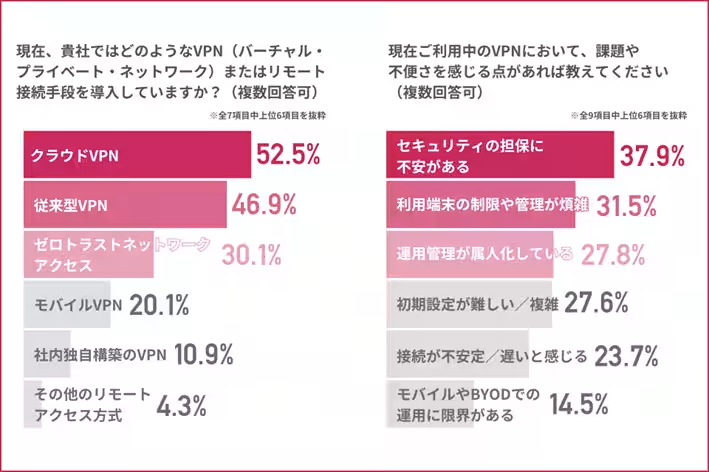
The survey results revealed various key insights. Notably, it turned out that the most commonly adopted VPN type is Cloud VPN, which is utilized by 52.5% of respondents, surpassing the traditional VPN at 46.9%. Additionally, new alternatives like Zero Trust Network Access are gaining traction, with approximately 30.1% approval among participants.
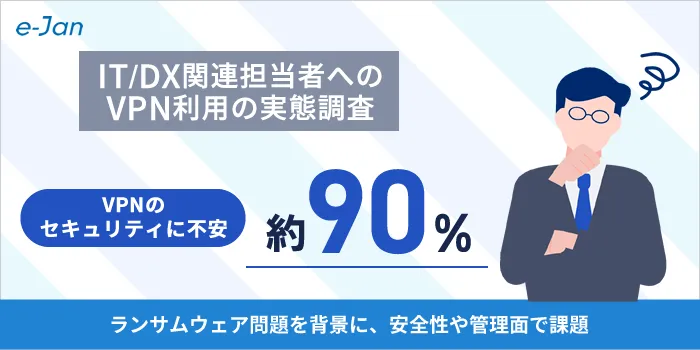
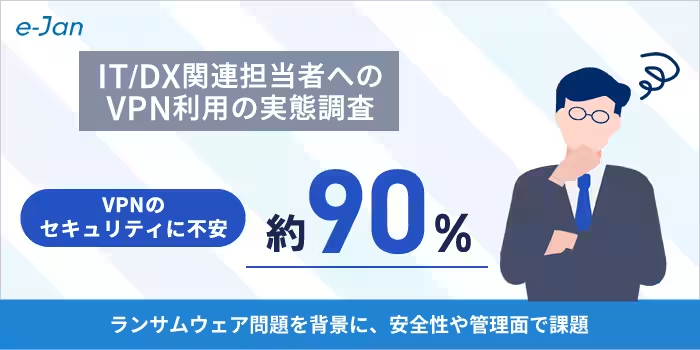
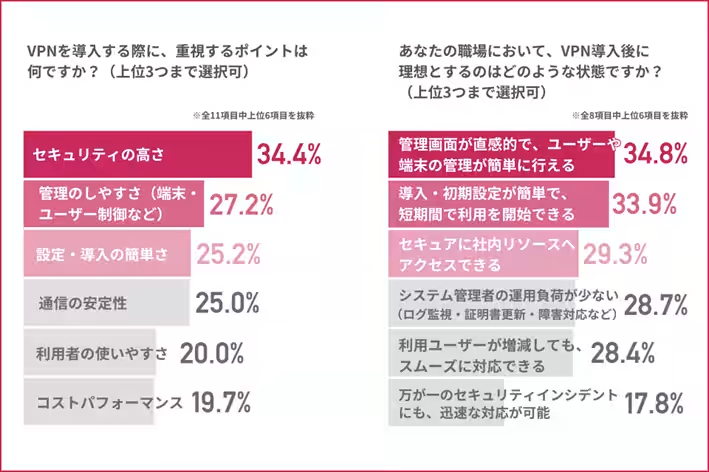
A striking 90% of respondents admitted to having experienced security concerns while using VPNs, indicating a robust apprehension towards their security. The aspects deemed most crucial during VPN selection were the quality of security measures (34.4%), ease of management (27.2%), and the simplicity of setup and configuration (25.2%). Approximately 90% stated they would consider adopting a VPN that promises reduced security risks and enhanced manageability compared to their current system.
Detailed Survey Outcomes
- - Types of VPN Access: The predominant choice among respondents was Cloud VPN, followed by traditional VPNs and emerging technologies like Zero Trust.
- - Security Concerns: The most frequently cited concern regarding current VPNs is the assurance of security, with 37.9% of participants expressing anxiety about this aspect. Participants also identified challenges in controlling and managing devices (31.5%) and operational management becoming overly reliant on specific personnel (27.8%). These factors indicate a significant burden on teams tasked with maintaining these systems.
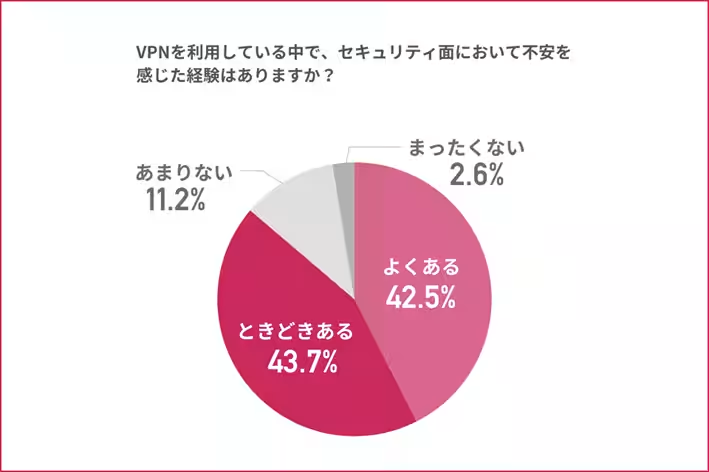
- - Experience with Security Anxiety: When asked if they had ever felt insecure while using a VPN, about 90% reported yes, either frequently (42.5%) or occasionally (43.7%). This reinforces the persistence of security fears among IT staff.
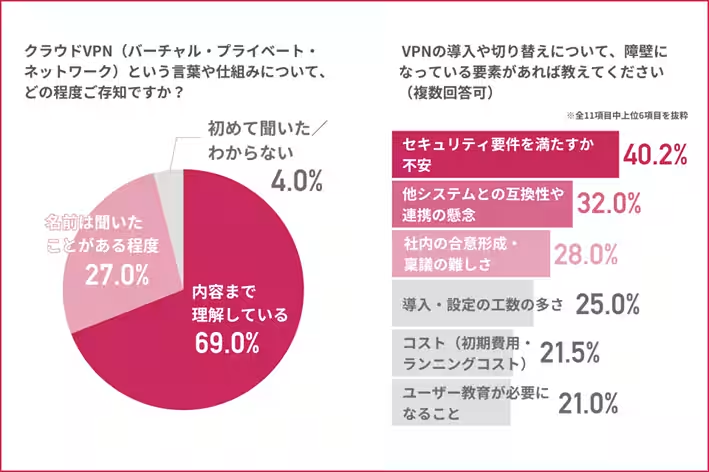
- - Awareness of Cloud VPNs: Interestingly, 69% of participants claimed comprehensive knowledge of Cloud VPNs, while 27% were vaguely aware, and only 4% reported being unfamiliar with the concept, demonstrating rapid market penetration.
- - Barriers to VPN Adoption: Key obstacles in adopting or switching VPNs included concerns about meeting security requirements (40.2%), compatibility with other systems (32.0%), and internal consensus-building difficulties (28.0%). These issues highlight both technical and organizational challenges underlying VPN transitions.
- - Criteria for VPN Selection: Priorities for choosing a VPN are predominantly centered around security (34.4%), ease of management (27.2%), and simplicity of setup (25.2%). This pattern indicates that businesses are seeking a balanced approach towards security and usability.
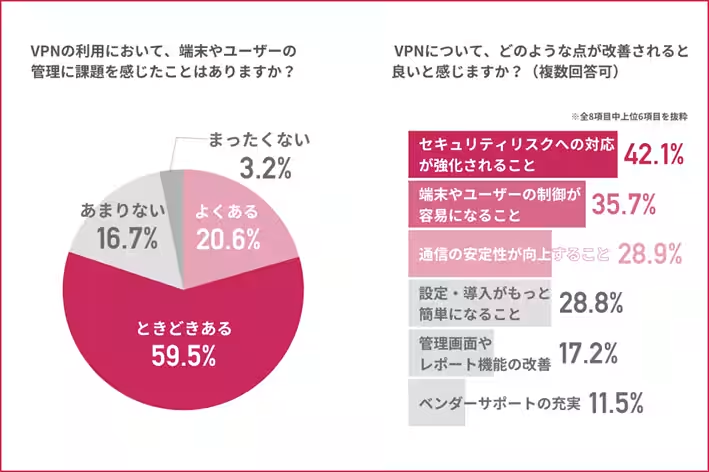
- - User and Device Management: Nearly 80% of participants indicated struggles with user and device management within VPN environments, reflecting the complexity introduced by diverse devices and expanded remote work settings.
- - Desired Improvements: Participants expressed a desire for improved responses to security risks (42.1%), easier management of devices and users (35.7%), and enhanced communication stability (28.9%).
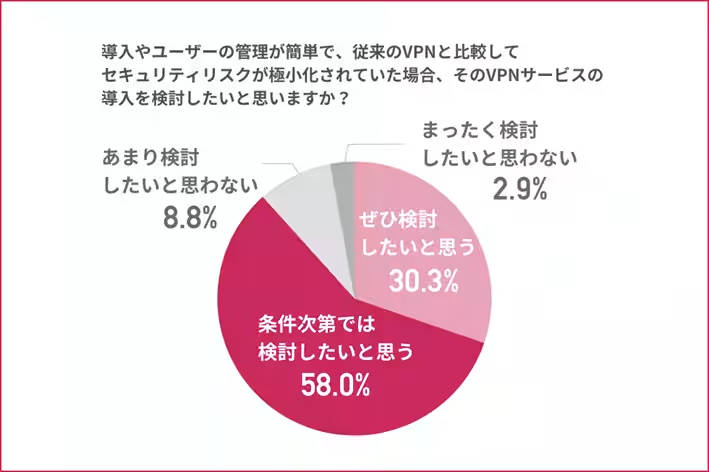
- - Willingness to Transition: Significantly, around 90% of participants were open to considering a VPN that offers simplicity in user management while minimizing security risks compared to traditional offerings.
Conclusion
The findings of this survey are pivotal as they emphasize that while VPNs are essential for modern business operations, they also present considerable security and management challenges. There is a clear market demand for next-generation VPNs that satisfy requirements around security, management ease, and user-friendly configurations.
For more in-depth insights, the full report on this survey is available for download from e-Jan Networks' product site: VPN Utilization and Security Measures Survey Report.
Additional Information
- - Survey Duration: Conducted from September 9 to September 10, 2025
- - Research Method: Internet survey initiated by PRIZMA
- - Sample Size: 1,011 IT management professionals
- - Conducted By: e-Jan Networks, supported by PRIZMA Research
To learn more about e-Jan Networks and their services, visit e-Jan Networks Official Website.
Topics Business Technology)
【About Using Articles】
You can freely use the title and article content by linking to the page where the article is posted.
※ Images cannot be used.
【About Links】
Links are free to use.