



Marketers’ Mixed Perspectives on Generative AI: Savior or Threat in 2026?
Understanding the Impact of Generative AI on Marketing Roles
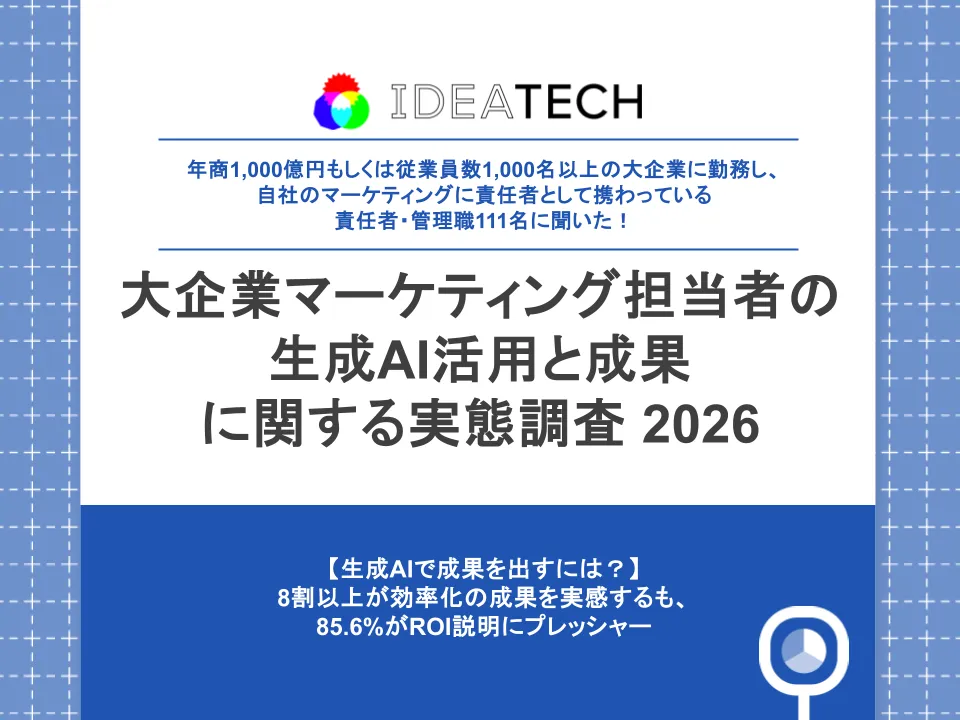
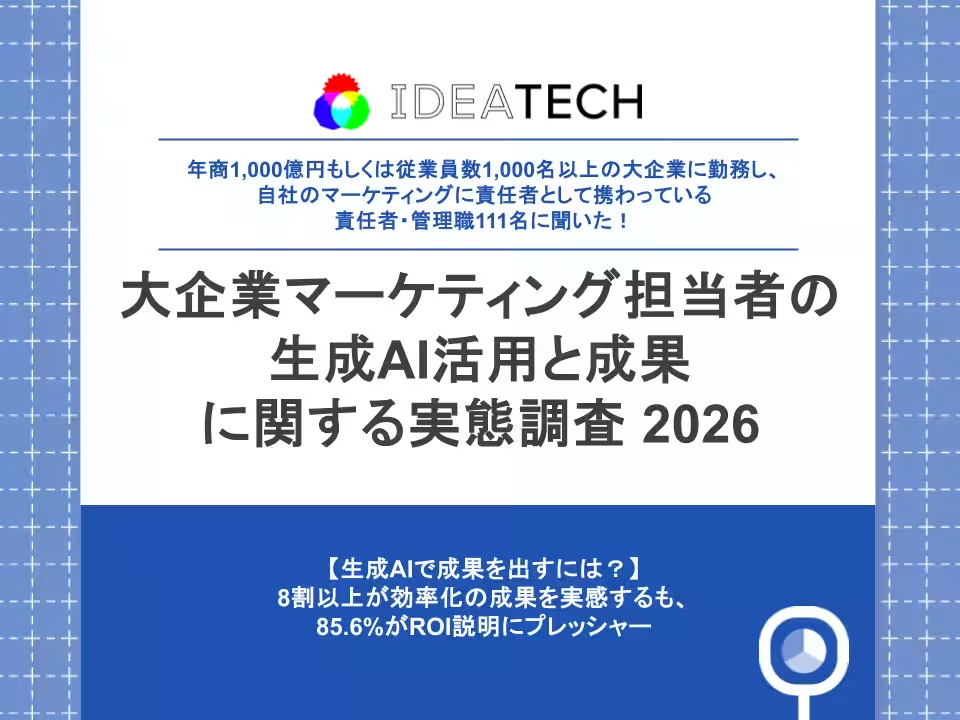
In 2026, a significant survey conducted by IDEATECH, a research marketing firm based in Tokyo, gathered insights from 111 marketing executives from large companies, each with annual revenues exceeding 100 billion yen or having more than 1,000 employees. The research aimed to comprehend how generative AI is transforming marketing practices and its outcomes.
Executive Perceptions of Generative AI
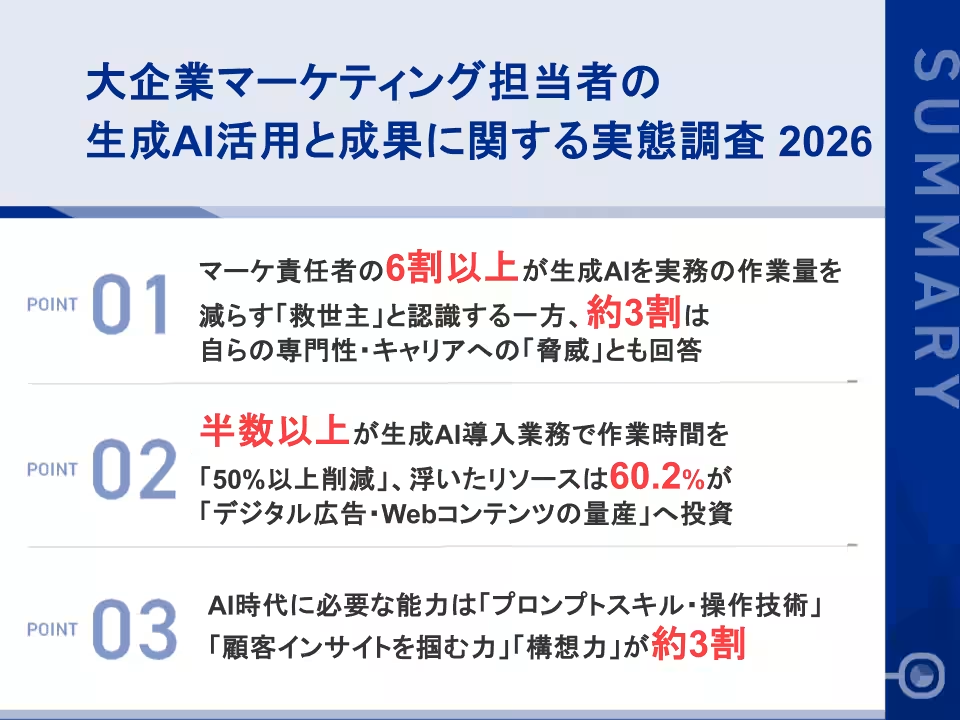
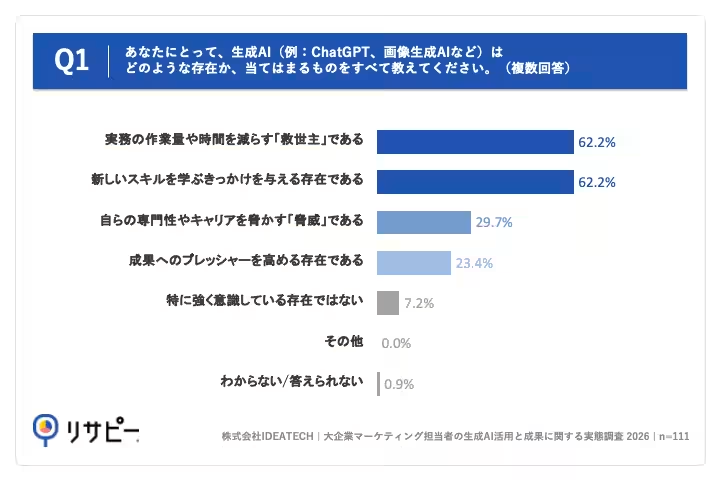
The results reveal a complex relationship between marketing professionals and generative AI. A striking 62.2% of respondents identified generative AI as a 'savior,' helping reduce workload and save time. Simultaneously, 29.7% expressed concerns, viewing AI as a potential 'threat' to their expertise and career stability. This dichotomy provides crucial insight into the evolving landscape where AI can both empower and challenge marketing roles.
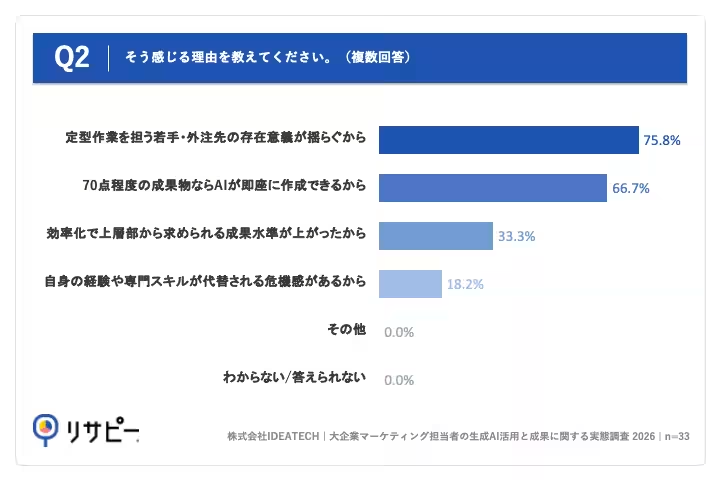
When asked about the reasons for viewing AI as a threat, the majority (75.8%) indicated that the existence of young professionals and outsourcing partners who handle routine tasks could be jeopardized. Additionally, 66.7% believed that AI can create satisfactory outcomes for standard tasks, enhancing efficiency and altering the performance expectations set by management, with 33.3% citing that the demand for results has increased as a direct consequence of AI efficiencies.
Adoption Trends in AI-Driven Tasks
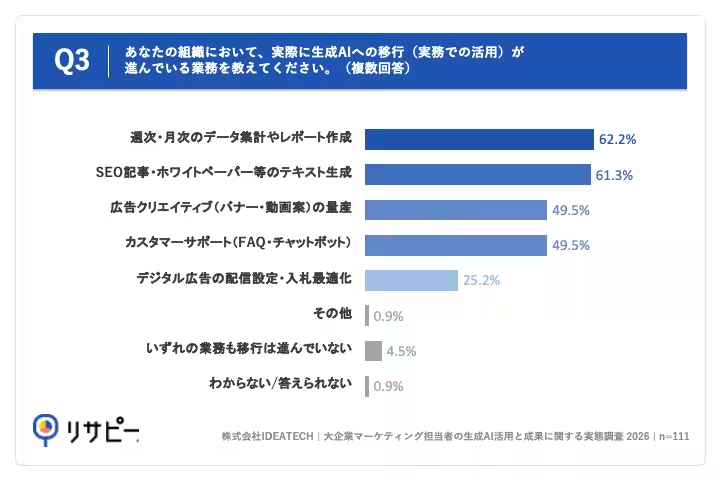
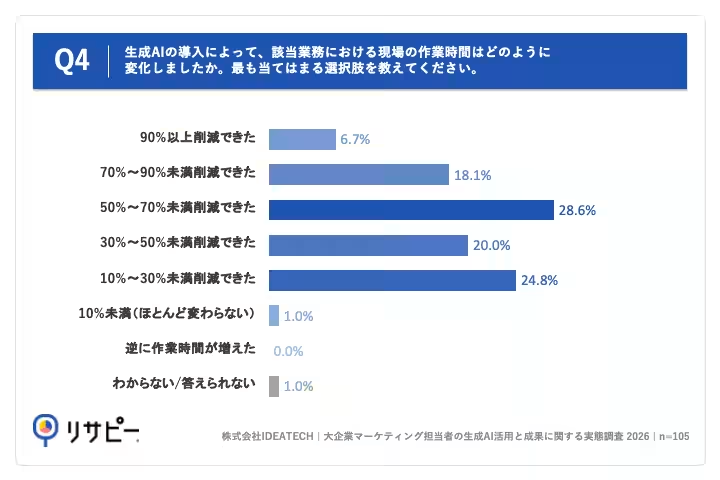
The survey also highlighted the types of tasks that are leaning towards AI implementation. The leading functions include weekly or monthly data aggregation and report generation (62.2%), followed closely by content production such as SEO articles and white papers (61.3%). Notably, more than 50% of these tasks experienced a time reduction of over 50% due to the adoption of generative AI.
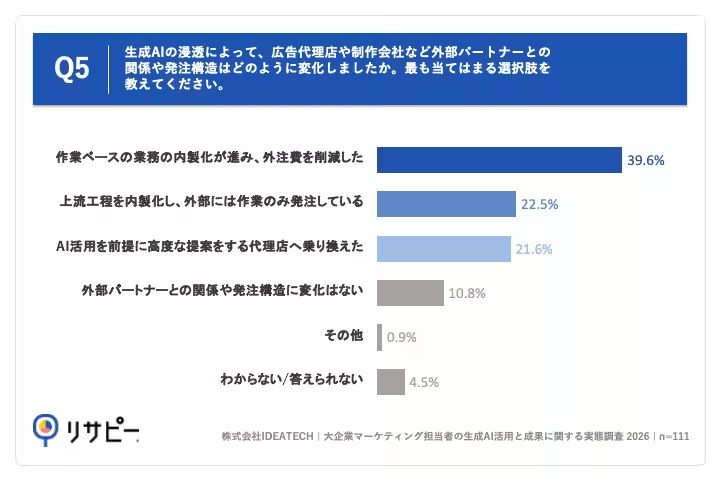
Furthermore, significant changes in the relationship with external partners emerged, with around 39.6% of respondents reporting a reduction in outsourcing costs linked to the increased internal handling of routine tasks. This transition signifies a broader shift towards internalization, prompted by the efficiency gains of AI.
The Future of Marketing in an AI-Driven Era
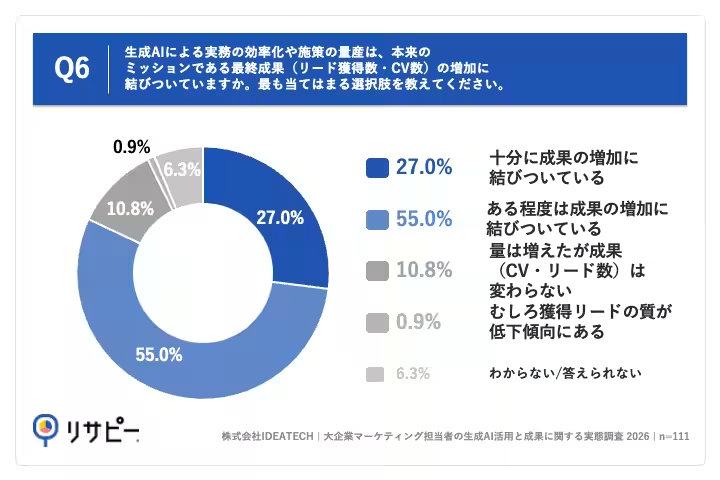
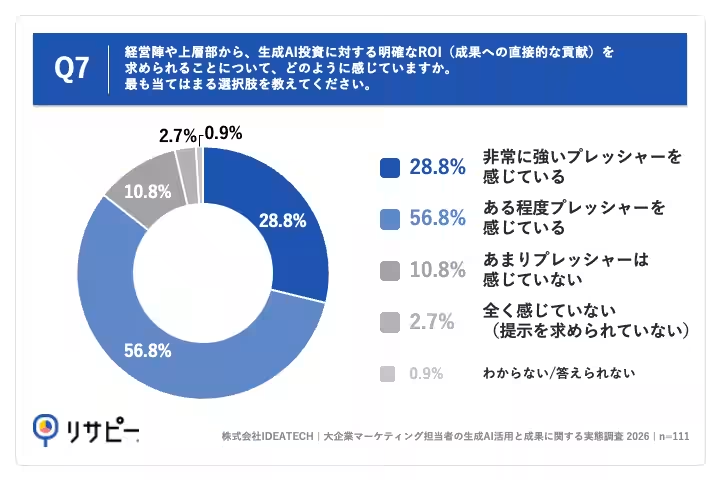
The marketing professionals surveyed expressed a mixed sentiment about the effectiveness of their AI implementation. An impressive 82% observed a positive correlation between AI-driven process efficiency and an increase in achieving key outcomes, such as the number of leads acquired and conversion rates. Despite the promising outlook, a significant 85.6% of them felt pressured by upper management to provide concrete ROI justifications for their AI investments.
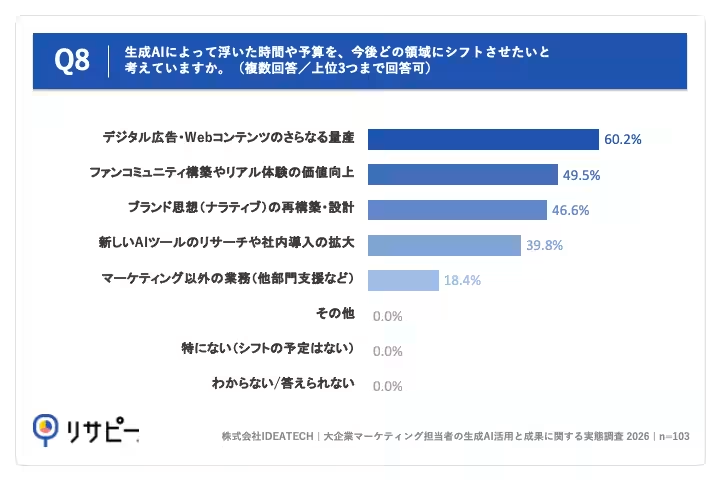
The anticipated areas for reinvestment reflect a proactive approach, with 60.2% intending to redirect generated resources towards the mass production of digital ads and web content. This shift indicates not merely an embrace of technology but a strategic intent to enhance brand narratives and foster deeper customer engagement through meaningful experiences.
Skill Evolution in the AI Landscape
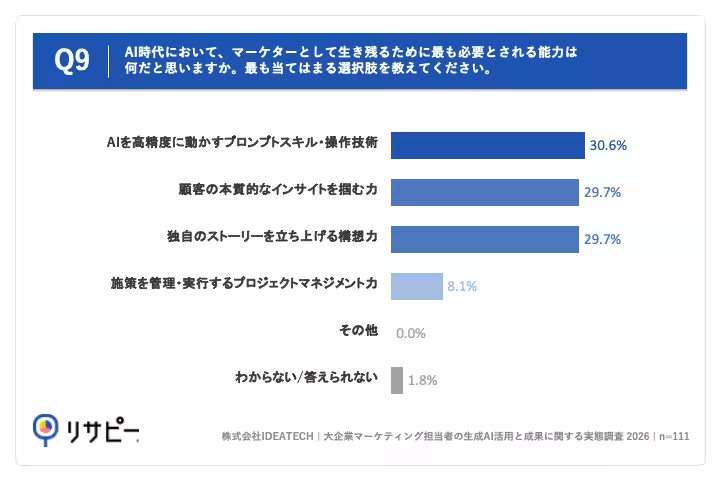
As workplace dynamics evolve, so too do the required skill sets for marketing professionals. The survey results indicated that essential capabilities in the AI era include 'prompt skills and operational technology' (30.6%), with critical skills in understanding customer insights and creative conceptualization tied at 29.7% each. This new skill hierarchy emphasizes the need for marketers to adapt and cultivate competencies that leverage AI effectively.
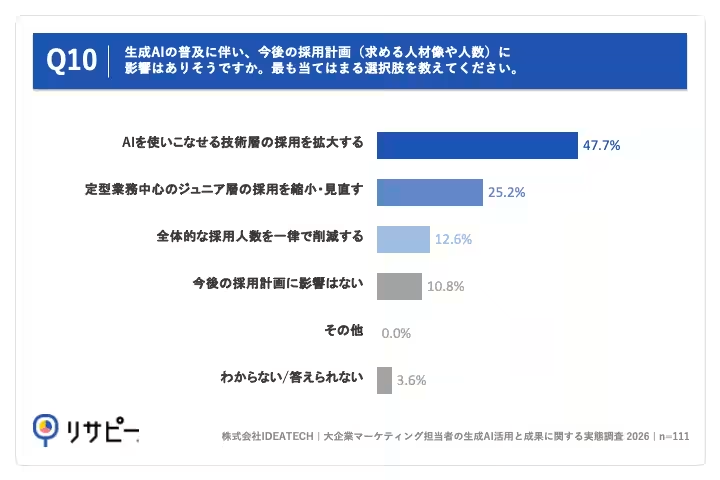
Looking ahead, nearly 47.7% of executives are planning to expand their hiring of tech-savvy professionals adept in AI, while 25.2% are considering scaling back on entry-level roles focused primarily on routine tasks. This shift underscores the urgency of adapting workforce strategies to meet the demands of an AI-influenced marketplace.
Conclusion
The findings from IDEATECH's survey paint a picture of an evolving marketing landscape, driven by the dual potential of generative AI as both an enabler and a disruptor. As companies navigate these changes, there is a clear need for robust frameworks to measure the effectiveness of AI investments, alongside a strategic reallocation of human resources away from rote tasks towards areas that provide genuine value and differentiation. The future of marketing will hinge not only on the tools employed but also on the strategic thinking and creativity that shape how companies communicate and connect with their audiences in an increasingly competitive and automated environment.
Download the complete survey results here: IDEATECH Survey 2026
Topics Business Technology)
【About Using Articles】
You can freely use the title and article content by linking to the page where the article is posted.
※ Images cannot be used.
【About Links】
Links are free to use.