


Survey Unveils Stress Levels and Coping Mechanisms in Japan's Society
Understanding Stress Levels in Japan: Insights from a Recent Survey
A comprehensive survey conducted by Loyalty Marketing Co., the organization behind the popular Ponta point service, provides alarming insights into the state of stress among Japanese adults. The survey, which included a sample of 1,000 individuals aged 20 to 69, was executed over two days from October 7 to 8, 2025. The results indicate that a significant segment of the population is grappling with stress yet remains reluctant to seek support.
Key Findings
Stress Prevalence
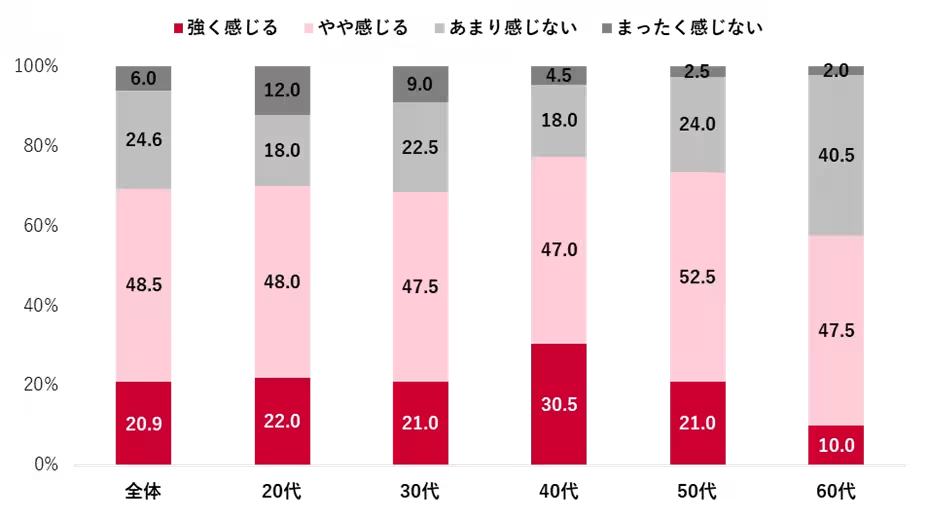
The survey reveals that about 70% of respondents report experiencing some degree of stress in their lives. Specifically, 48.5% indicate they feel "somewhat stressed," while 20.9% claim to feel "strongly stressed." Among different age groups, stress levels vary, with individuals in their 40s exhibiting the highest stress levels—30.5% report feeling strong stress. In stark contrast, only 10% of respondents in their 60s report similarly high levels of stress.
Causes of Stress
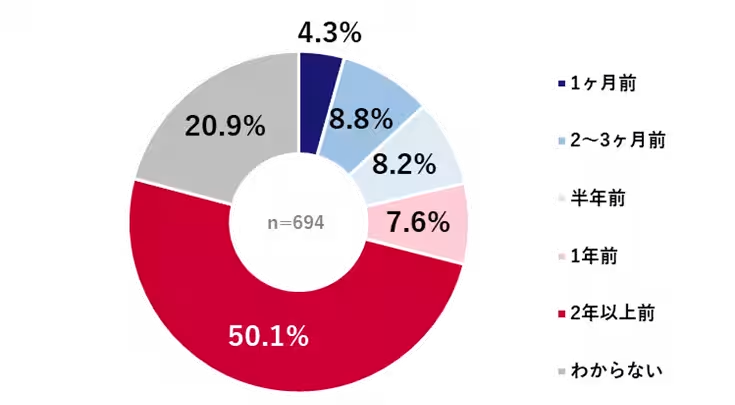
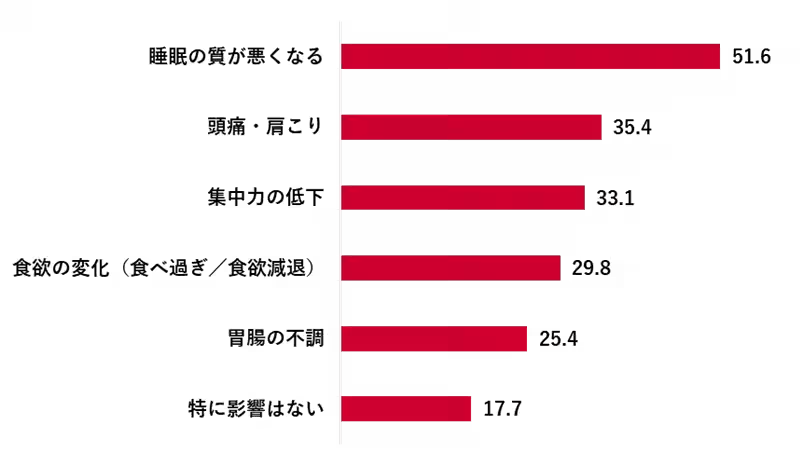
Diving deeper into the factors contributing to stress, the survey pinned down several key reasons. Top causes include work-related pressure (45.4%), relational issues at work or school (29.5%), anxiety about the future (26.5%), family relationships (24.9%), and economic concerns (24.2%). Notably, over half of the participants (50.1%) began feeling stressed two years prior, indicating a long-term struggle with stress. Furthermore, the physical impact of stress on individuals varies, with 51.6% reporting a decline in sleep quality, while other symptoms include headaches (35.4%) and reduced concentration (33.1%).
Coping Mechanisms
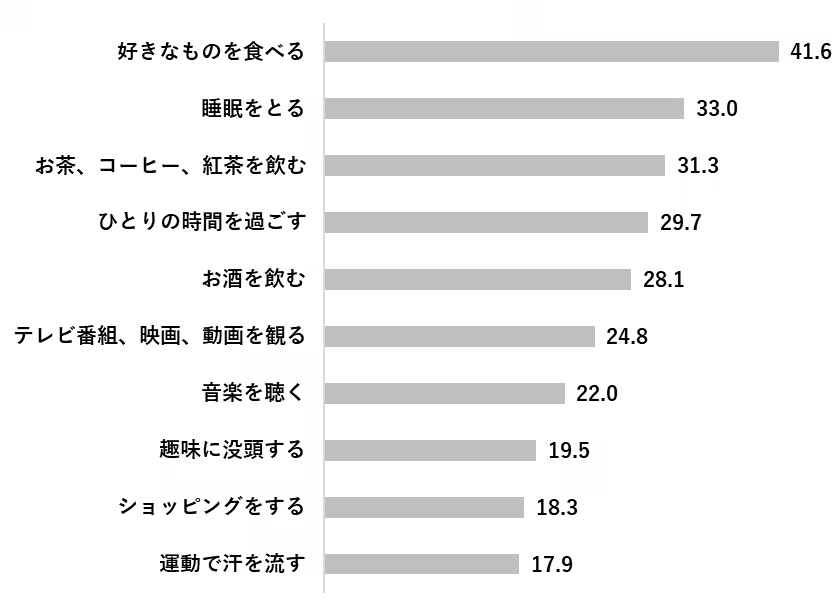
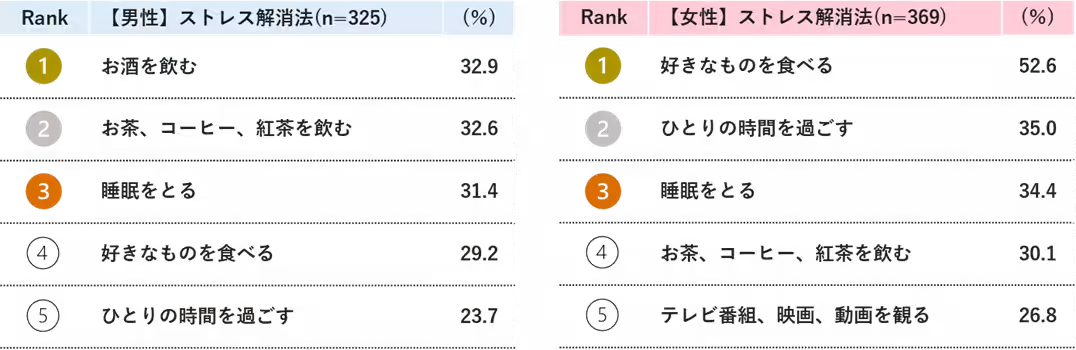
Interestingly, the methods used to cope with stress differ significantly between genders. Overall, the most common coping strategy is indulging in favorite foods (41.6%). Other prevalent methods include getting enough sleep (33.0%), and enjoying beverages like tea or coffee (31.3%). When examining responses by gender, men predominantly turn to drinking alcohol (32.9%) as their top choice for stress relief, while women prefer eating their favorite foods (52.6%) and spending time alone (35.0%). Sleep remains a common coping strategy, ranking third for both genders.
Help-Seeking Behavior
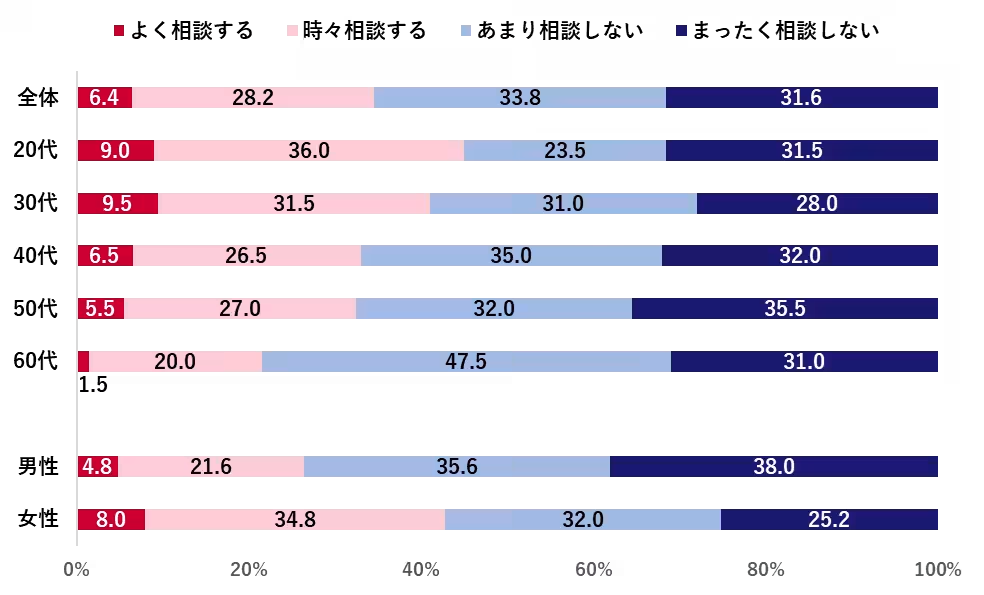
Despite the high levels of stress reported, over 60% of individuals admitted they seldom or never seek help from others when feeling stressed. The survey findings show that 33.8% rarely share their concerns, and 31.6% never do. In terms of demographic variations, younger adults (20s) are more likely to seek help (45.0%) compared to older age groups, while women show a tendency to confide in others (42.8%) more than men (26.4%). The primary sources of support are family members (62.1%) and friends (49.7%), while only a minority consults colleagues or mental health professionals.
Conclusion
These findings raise pertinent questions about mental health awareness and the importance of communication in addressing stress. The reluctance to discuss stress and mental wellbeing highlights the stigma that may still exist in society. As organizations like Loyalty Marketing strive to promote awareness and self-care strategies, the survey underscores the necessity for continued efforts to normalize discussions around stress and mental health support in Japan.
Additionally, for those seeking more information, resources are available through the Loyalty Marketing website. By promoting a culture of openness and support, we can help diminish the burden of stress many face today.



Topics People & Culture)




【About Using Articles】
You can freely use the title and article content by linking to the page where the article is posted.
※ Images cannot be used.
【About Links】
Links are free to use.