



Understanding the Role of Parents in Junior High School Entrance Exams
Understanding the Role of Parents in Junior High School Entrance Exams
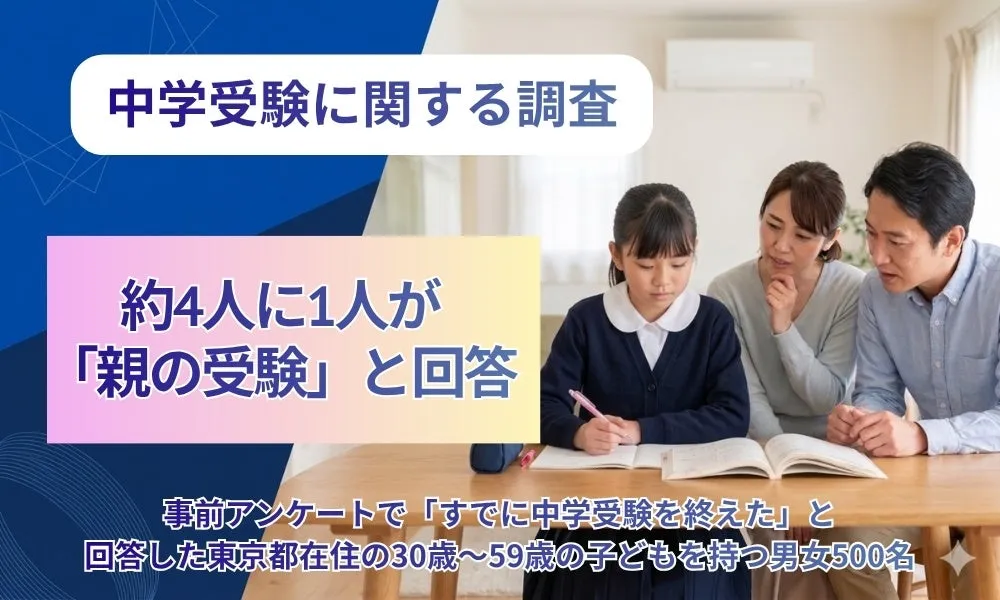
In recent years, junior high school entrance exams have become an increasingly common pathway for students in metropolitan areas such as Tokyo. As society faces declining birth rates, there is a noticeable rise in educational investments, stemming from the desire of families to provide the best learning environments for their children. This changing mindset has inspired a joint survey conducted by "Chujukyu Note Dazou" and Plus T Co., which aimed to gather insights from parents who have previously navigated the entrance exam process with their children.
The Survey: An Overview
The survey targeted 500 parents residing in Tokyo, specifically those aged between 30 and 59 who confirmed their children had already completed the junior high school entrance exam process. The survey aimed to explore the realities of entrance exams, particularly from the perspective of parental involvement. It addressed questions regarding whether the exams are predominantly a reflection of the child’s capabilities or the parents’ roles.
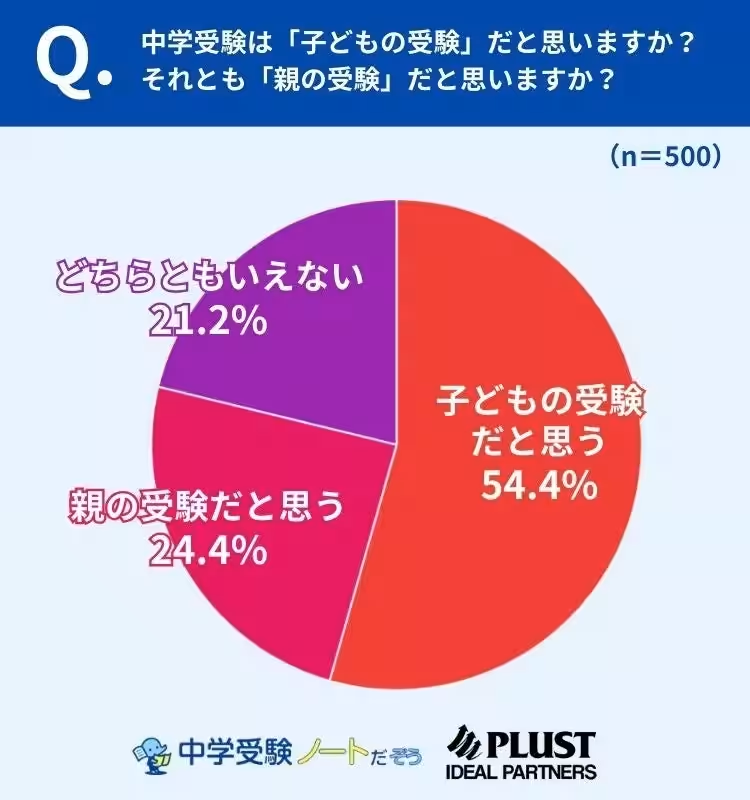
One of the most significant findings revealed that a majority of respondents, 54.4%, believe that the entrance exam is indeed “the child’s exam.” In contrast, 24.4% felt it was “the parent’s exam,” while 21.2% were undecided. This indicates that nearly one in four parents perceive the experience as heavily involving their own pressures and expectations rather than those of their child.
Parental Regrets and Learning Experiences
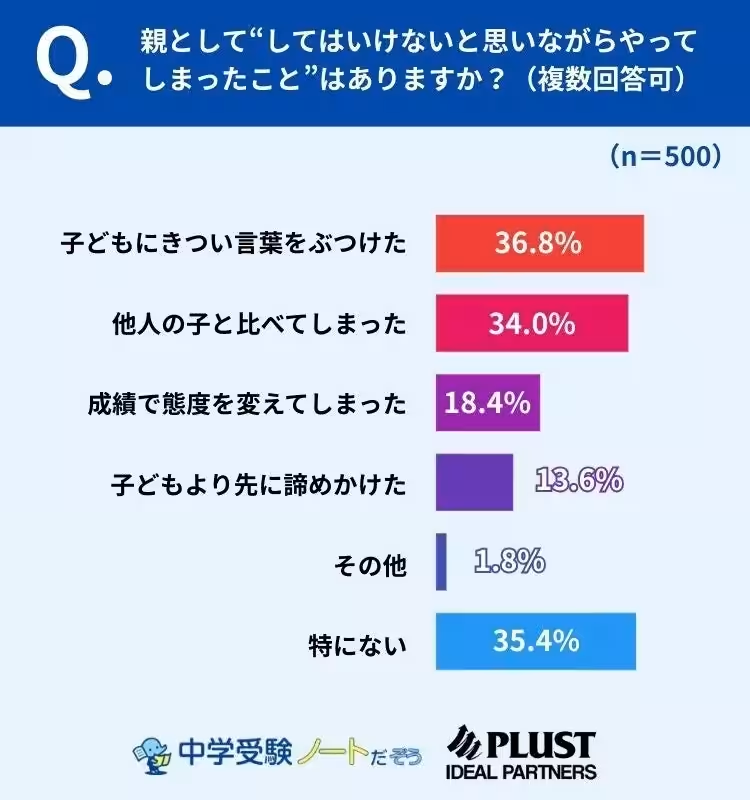
Interestingly, the survey also uncovered a substantial level of parental regret concerning their actions during the entrance exam process. About 36.8% of parents admitted to having used harsh words toward their children when feeling the pressure of the situation, while 34.0% confessed to comparing their child unfairly to others. Additionally, another 18.4% regarded their changing behavior based on their child's performance as a point of regret. These results highlight the emotional toll that the intense competition can have on families and the potential for missteps fueled by stress.
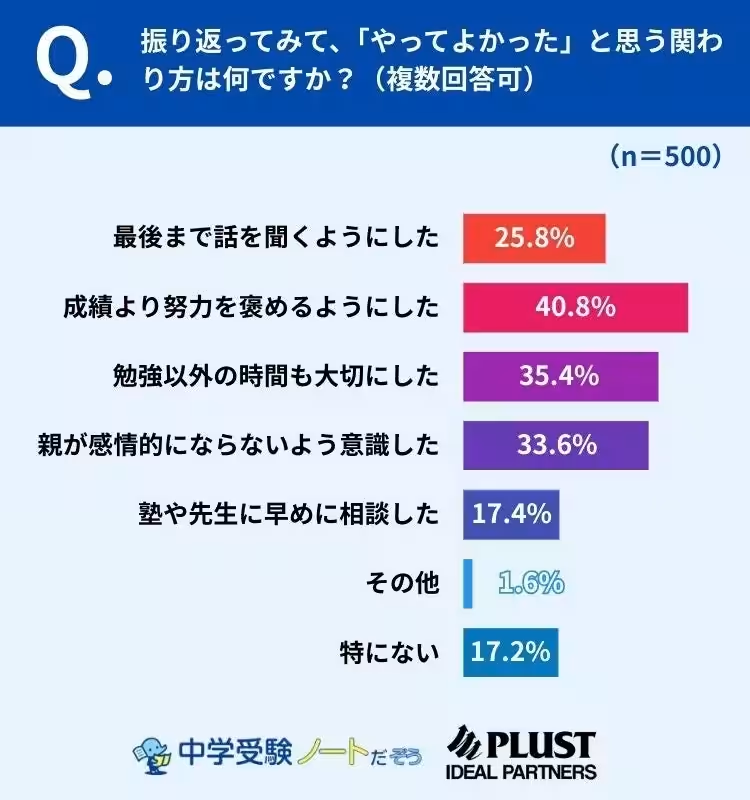
Conversely, when reflecting on positive engagement strategies, 40.8% of parents noted the importance of praising their child's efforts over results. This emphasis on the process rather than just outcomes appeared critical for fostering a supportive atmosphere throughout this challenging time. Further, many parents found value in listening actively and making the exam a collaborative effort rather than a unilateral decision influenced solely by adult expectations.
Shifting Perspectives and Future Considerations
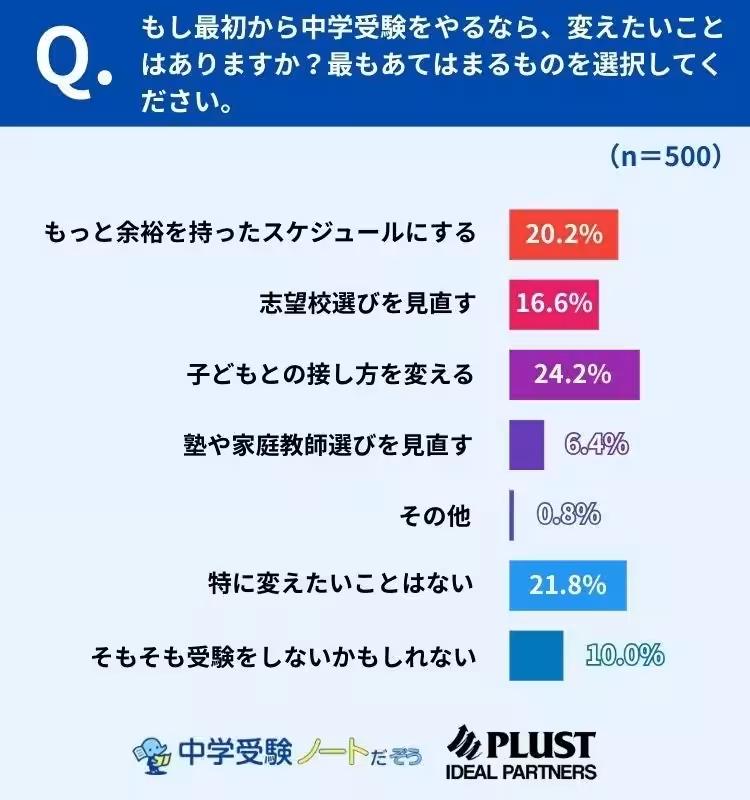
The survey also revealed that if they could start the process over, the most common change parents would want to make would be in their approach to communicating with their children, with 24.2% indicating this as a priority. Other changes included creating more relaxed schedules and revising school choice methodologies while emphasizing maintaining a healthy parent-child relationship throughout the process.
Parents who echoed that they wished to avoid measuring their child’s worth solely based on exam results signified a broader recognition of the need for balancing academic pressures with emotional well-being. Furthermore, comments about the necessity of respecting a child's autonomy and ensuring their wishes were considered echoed throughout the survey responses.
Overall, a majority of participants communicated that they perceive the entrance examinations as one of many stages in their children’s educational journeys, reinforcing the idea that while exams are significant, they are not the end goals; nurturing a lifelong love for learning is equally essential.
Final Thoughts: A Collective Journey
The results paint a picture of junior high school entrance exams as a shared journey between parents and children. While the study reveals that parents often feel part of the testing process, it underscores the necessity for a collaborative approach that values open communication and emotional support.
This survey invites families to consider their roles thoughtfully in the entrance examination landscape: striving for balance, promoting healthy perspectives, and working together toward personal growth and success, thus moving beyond mere academic achievement. Ultimately, it's not just about securing a spot in a good school but also fostering enduring values that will carry through a lifetime.
For reproducing this article's content, please cite "Joint Survey by Chujukyu Note Dazou and Plus T Co., Ltd." and link to Chujukyu Note Dazou and the relevant article here.
Topics People & Culture)

【About Using Articles】
You can freely use the title and article content by linking to the page where the article is posted.
※ Images cannot be used.
【About Links】
Links are free to use.