




The New Age of Self-Improvement: Budget-Friendly Learning Amidst Rising Costs
The New Age of Self-Improvement: Budget-Friendly Learning Amidst Rising Costs
In a world of rising prices and ongoing economic uncertainty, the trend towards self-improvement and re-skilling has seen a remarkable increase. Recent data from For-It Co., Ltd., which operates the affiliate platform afb, indicates that people across all demographics are reassessing their spending habits when it comes to personal development. Conducted via an online survey, they gathered responses from 500 individuals aged 10 to 60 across Japan to understand how much they are willing to invest in self-education and learning opportunities.
Survey Overview
Participants: Men and women from their teens to sixties across Japan
Sample Size: 500
Survey Method: Online research
Date of Survey: March 2, 2026
Key Takeaways
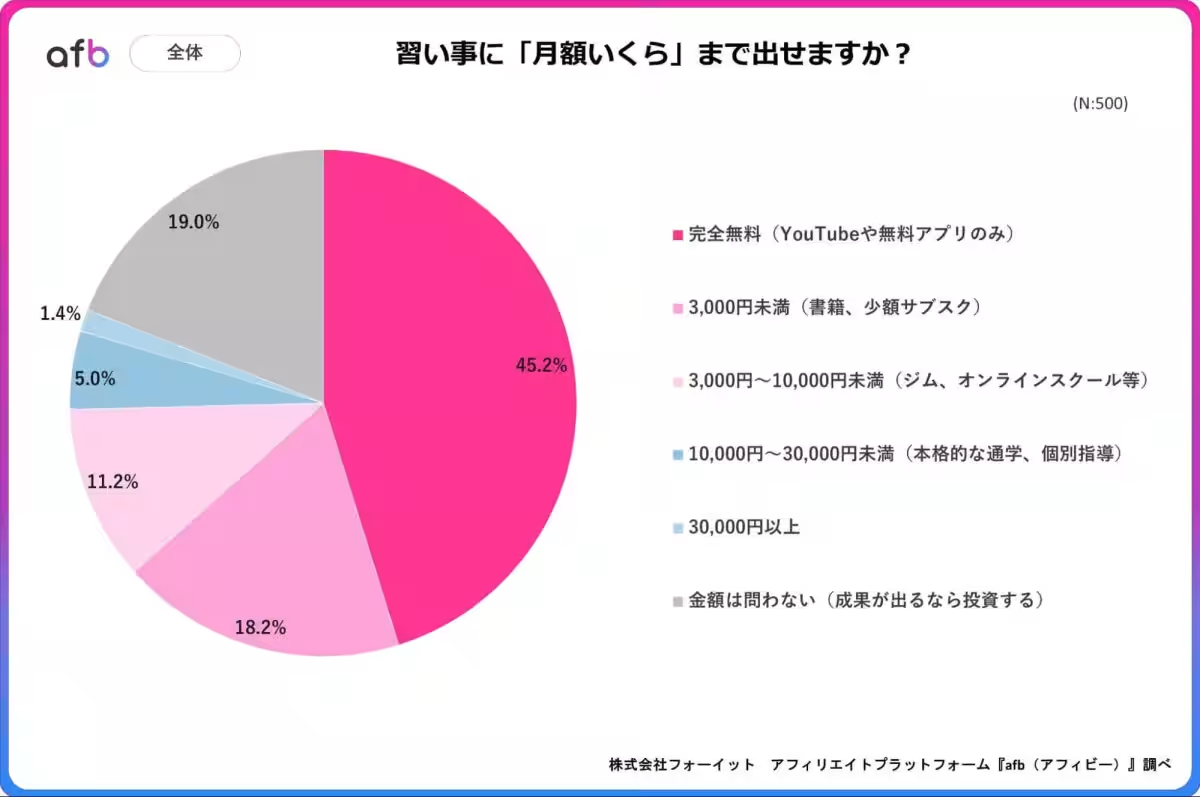
One of the most predominant findings from the survey was that 45.2% of respondents stated they would prefer to invest nothing in further education, opting instead for free resources such as YouTube and free apps. Following this, 18.2% indicated a willingness to spend under 3,000 yen, which typically covers books or minor subscriptions. Only 11.2% were ready to spend between 3,000 yen to 10,000 yen on things like gyms or online schools. Interestingly, 19.0% expressed they would invest any amount if they believed it would yield significant results.
Generational Spending Trends
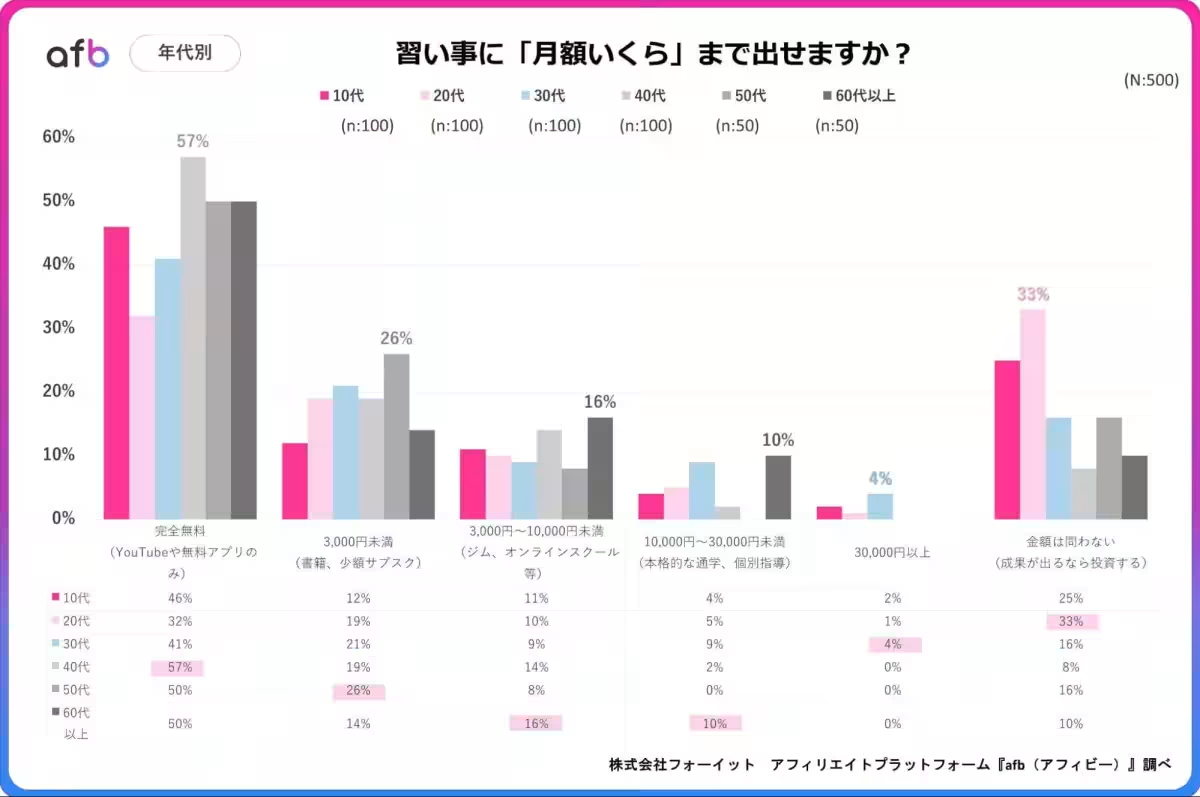
Delving deeper into generational responses reveals notable differences influenced by age. Notably, the desire for free resources is much stronger among older generations; for instance, 57% of respondents in their 40s preferred free options, with 50% of those in their 50s and 60s choosing the same. This trend likely reflects a cautious attitude driven by high living costs and fears about financial stability.
Conversely, younger people, particularly those in their 20s, exhibited a more robust willingness to invest. A striking 33% stated they had no upper limit for spending if it meant achieving meaningful outcomes in terms of personal growth and skill acquisition. This highlights a prevalent mindset among younger generations, who are likely motivated by career aspirations and the urgent need to build a secure future.
In their 30s, a more balanced approach emerges, with individuals indicating they would spend up to 10,000 yen, reflecting a realistic self-investment approach while being mindful of household budgets.
Occupational Influence on Spending
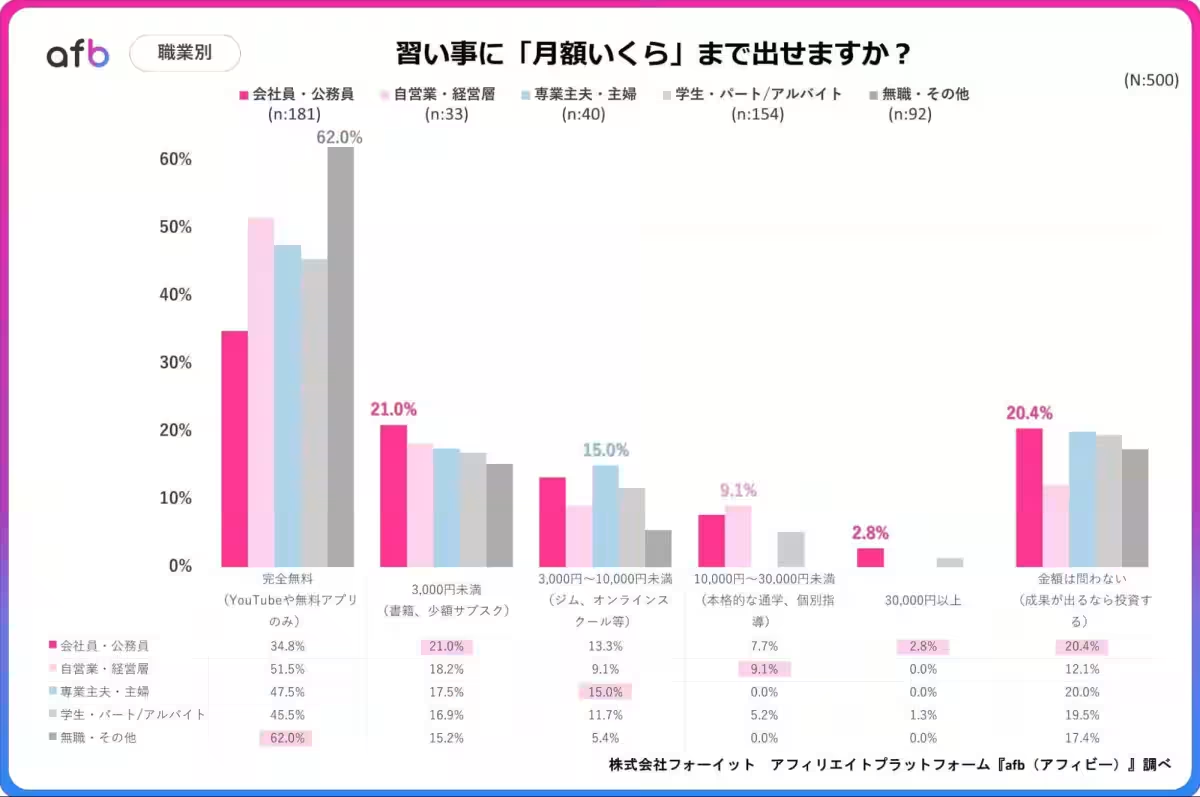
Regarding professional backgrounds, spending preferences again shift significantly. Employees in stable positions like civil servants show a balanced perspective; 21.0% state they would spend less than 3,000 yen, while 20.4% are open to higher expenses based on perceived necessity. This reflects a mindset where they feel comfortable spending when necessary, yet are also very aware of costs.
Business owners, however, marked an inclination towards free resources at 51.5%, demonstrating a focus on selective investment where outcomes are prioritized. Mothers and fathers focusing on domestic responsibilities also showed a willingness to invest in their own health, hobbies, or trainings that cost around 3,000 to 10,000 yen, revealing a desire for personal fulfillment despite budget restrictions.
Income Brackets and Spending Approach
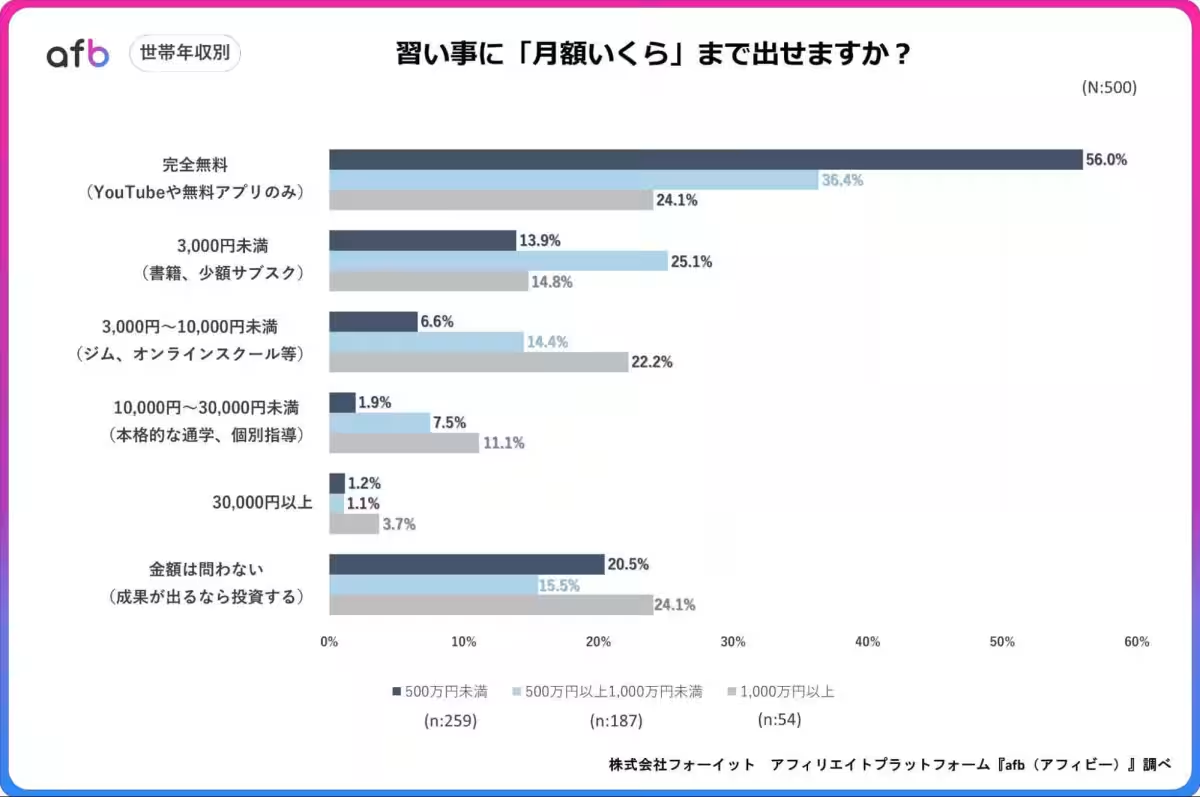
Income levels displayed a clear divide in attitudes towards spending on educational pursuits. Among those earning under 5 million yen, a significant 56.0% preferred free resources, indicating a strong frugality tied to financial pressures. In contrast, those with incomes between 5 million and 10 million yen displayed more confidence in spending, with opinions shifting towards balanced investment across various price points. On the other hand, people earning over 10 million yen often viewed educational investments as crucial for future returns rather than mere hobbies, showcasing how varying income levels directly influence perceptions of value in self-investment.
Conclusion
The findings from the For-It Co., Ltd. survey paint a vivid picture of how the current economic climate shapes attitudes towards self-investment across generations and income streams. As the learning landscape continues to evolve, these insights help us understand the budgeting priorities of adults aiming to enrich their lives, all while navigating the challenges of rising costs and uncertain futures. With platforms like afb, opportunities for growth remain accessible, providing pathways for all individuals looking to invest in themselves, however small their budget may be.
For further reading and insights on affiliate marketing, special promotions, and partner registrations, visit afb's official site.


Topics People & Culture)
【About Using Articles】
You can freely use the title and article content by linking to the page where the article is posted.
※ Images cannot be used.
【About Links】
Links are free to use.