



Be Aware of 'Autumn Fatigue' Symptoms and Prevention This Fall
Stay Healthy this Fall: Understanding and Preventing Autumn Fatigue
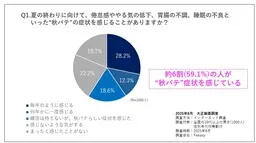
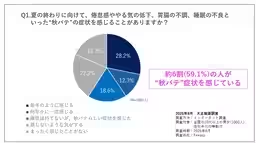
As summer transitions to autumn, the drastic changes in temperature and humidity can leave individuals feeling tired and unwell. This phenomenon, termed ‘autumn fatigue’ or ‘akubate,’ can manifest as unexplained fatigue, decreased motivation, and gastrointestinal discomfort. A recent survey by Taisho Pharmaceutical conducted in August 2025 revealed that nearly 60% of individuals aged 20 and above report experiencing autumn fatigue symptoms.
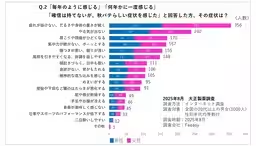
Common symptoms of autumn fatigue include:
1. Persistent tiredness (356 respondents)
2. Lack of motivation (240 respondents)
3. Increased shoulder and head pain (170 respondents)
4. Difficulties with concentration (167 respondents)
5. Sleep disturbances (155 respondents)
What is Autumn Fatigue?
Autumn fatigue arises from the temperature fluctuations that occur during this transitional season. Symptoms such as constant tiredness, lack of appetite, and restless sleep signal that the body is struggling to adapt to the new environment.
Essentially, ‘fatigue’ refers to a state where the body has been subjected to some form of stress, leading to reduced energy levels and making recovery challenging. Rather than being a specific diagnosis, it represents a collection of symptoms linked to insufficient recovery or ‘pre-disease’ states, such as reduced energy, poor appetite, poor sleep quality, and mental discomfort.
This time of year, our bodies often have not fully recovered from the exhaustion of summer, and the shifting temperatures further disrupt autonomic nervous system balance. These disruptions may affect thermoregulation, organ function, sleep, and hormone secretion, leading to fatigue, heaviness in the head, and feelings of melancholy. Despite it being autumn – a season traditionally rich in food – reduced digestive function can lead to diminished appetite and poor nutrient absorption, causing deficiencies in vitamins, minerals, and proteins that contribute to enduring fatigue.
Moreover, modern life – heavily influenced by air conditioning and artificial light – dampens our natural ability to adapt to seasonal changes. Therefore, it's crucial to recognize the onset of autumn fatigue as a signal from our body and take appropriate action to care for our physical and mental health.
Key Nutrients to Combat Autumn Fatigue
During the seasonal transitions, it's essential to focus on specific nutrients that can help stabilize the autonomic nervous system, enhance metabolism, and promote better blood circulation. Here's a look at vital nutrients and food sources to help combat autumn fatigue:
1. Taurine for Recovery
Taurine, an amino acid, supports various metabolic processes and helps maintain balance in the autonomic nervous system. It's particularly beneficial for liver and heart functions, enhancing overall recovery. Foods rich in taurine include squid, octopus, scallops, clams, and fish like bonito and yellowtail. Including seafood in dishes like soups can also ensure adequate hydration while reaping taurine's benefits.
2. Iron for Energy
Iron is crucial for producing hemoglobin and transporting oxygen throughout the body. A deficiency can result in fatigue, dizziness, cold extremities, lack of concentration, and even mood swings. As we're experiencing the after-effects of summer fatigue in the autumn, it’s essential to monitor iron intake, especially from heme sources (animal-based) such as liver, red meat, bonito, tuna, and egg yolks.
3. Omega-3 Fatty Acids for Mental Health
Omega-3 fatty acids, found abundantly in blue fish, play a significant role in reducing inflammation, improving blood flow, and supporting brain function. They can alleviate nervous system imbalances and mood fluctuations. Excellent sources include mackerel, sardines, horse mackerel, salmon, and plant oils like flaxseed and chia.
Lifestyle Tips to Manage Autumn Fatigue
To effectively combat autumn fatigue, consider incorporating these habits into your routine:
- - Warm Baths: A warm bath (38-40 degrees Celsius) before bed can help ease tension in the sympathetic nervous system, promoting relaxation and improved sleep.
- - Light Exercise: Engaging in light activities like walking or stretching for just 10 minutes a day can significantly improve blood flow and balance in the autonomic nervous system.
- - Morning Sunlight: Upon waking, expose yourself to natural light to resynchronize your internal clock and increase serotonin levels, combating fatigue right from the start of the day.
- - Managing Climate Control: Be mindful of indoor air conditioning; prolonged exposure can lead to fatigue symptoms. Maintaining a comfortable temperature and protecting extremities can help.
- - Screen Breaks: Spend at least 30 minutes each day away from screens to reduce cognitive strain and improve sleep quality.
By thoughtfully adjusting diet and lifestyle, autumn fatigue can be effectively prevented or alleviated. Empower yourself to recognize your body's signals and prioritize wellness in alignment with the seasonal changes occurring around you.
With this knowledge, you can approach autumn with rejuvenated energy and a balanced mindset. Don’t ignore these subtle signs; instead, embrace seasonal wellness and reflect on the needs of your body as the days grow shorter and temperatures drop.

Topics Health)
【About Using Articles】
You can freely use the title and article content by linking to the page where the article is posted.
※ Images cannot be used.
【About Links】
Links are free to use.