



New Employee Turnover Crisis: Understanding the Lack of Engagement in Workplace Training
Tackling Early Employee Turnover: Insights from Lightworks
According to a recent study conducted by Lightworks, a leading company in cloud-based learning management systems (LMS) and e-learning resources, nearly 28.8% of HR professionals identify early turnover among new employees as a significant concern for businesses today. As companies focus on sustainable growth through effective human capital management, the ramifications of high turnover rates are deserving of a closer look.
The Underlying Issue: Lack of Growth Experience
Lightworks' survey revealed that nearly 40% of new hires feel they aren't experiencing the effectiveness of their training. This sentiment seemingly contributes to a lack of trust in the company and diminishes engagement, which may precipitate a higher likelihood of early departure. It raises critical questions on how organizations convey value and foster a supportive environment for their new talent.
The reality is stark: many young professionals—especially those between the ages of 23 and 27 who comprise the workforce—reported feeling unprepared even after completing their onboarding training. Only 15.3% indicated they felt adequately equipped with necessary skills after training, while a concerning 40% left without a clear understanding or benefit from the training programs offered.
This lack of engagement can culminate in feelings of uncertainty about personal growth and career fit within the company, factors that contribute significantly to the societal issue of early turnover.
Enhancing Engagement Through Effective Training
What can organizations do to address this pressing issue? Focus on foundational training and interactive learning environments. The survey indicates that new employees appreciated training that focused on setting a professional mindset alongside fundamental business etiquette. Specifically, 30.3% valued societal mindset training while 27.4% appreciated business-related mindset education.
Participants indicated that the most satisfactory form of training was interactive sessions such as group work or discussions, rated positively by 77.5% of respondents. These environments not only foster connections among peers but also encourage active participation, which can enhance their sense of belonging to the company.
Unfortunately, the survey revealed that only 30.3% of companies actively offer these engaging training formats. Many HR professionals are constrained by limited resources, leading to a reliance on standard lecture formats that do not resonate as well with new hires.
It becomes clear that leveraging e-learning platforms for efficient foundational training can generate valuable time and resources. These resources can be redirected to creating participatory training sessions and dialogues with teams, delivering a robust early investment in employee engagement and long-term loyalty.
The Road Ahead: Insightful Training Reports
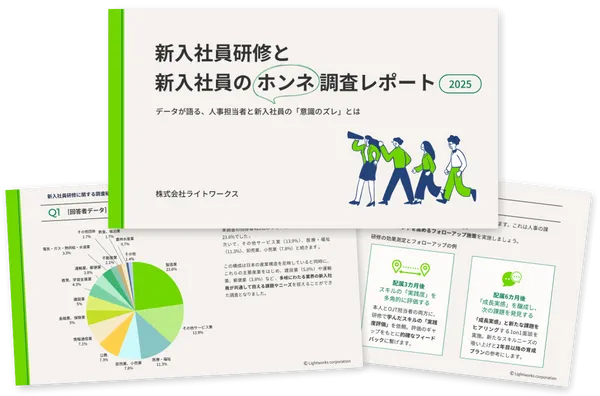
Lightworks is dedicated to addressing these core issues, as shown in its comprehensive report titled _New Employee Training Insights 2025_. This document offers a detailed overview of the training needs and perceptions from both new employees and HR professionals, helping organizations better tailor their onboarding programs.
Survey Overview
1. Target Group for New Hires: University and technical college graduates currently employed in the private sector or public institutions aged 23-27.
- Survey Duration: September 22 - 24, 2025
- Methodology: Online survey
- Valid Responses: 442 (221 male, 221 female)
- Conducted By: Lightworks
2. Target Group for Companies: Individuals currently working in human resources, recruitment, or talent development.
- Survey Duration: September 22 - 24, 2025
- Methodology: Online survey
- Valid Responses: 222 (106 male, 116 female)
- Conducted By: Lightworks
About Lightworks
Lightworks combines cutting-edge ICT with innovative educational techniques to deliver a robust LMS and diverse e-learning resources. Our approach aims to cultivate a responsive learning system that enhances both organizational growth and individual development, thereby improving overall service quality and workforce capability.
To access the detailed report on new employee training, click here.
Topics People & Culture)




【About Using Articles】
You can freely use the title and article content by linking to the page where the article is posted.
※ Images cannot be used.
【About Links】
Links are free to use.