



World Fisheries Day: Insights into Plastic Waste and Fishing Net Recycling Awareness Survey
World Fisheries Day: Examining Public Awareness of Fishing Net Recycling and Ocean Plastic Waste
Every year on November 21, World Fisheries Day is celebrated, emphasizing the importance of sustainable fishing practices. In light of this, Refineverse Co., Ltd., headquartered in Chiyoda, Tokyo, has conducted a nationwide survey targeting 1,000 individuals aged 20 to 60, focusing on the recycling of fishing nets and the broader issue of marine plastic waste.
Since launching its fishing net recycling initiative in 2019, Refineverse has made significant strides in transforming discarded fishing nets into a high-quality recycled nylon material known as REAMIDEⓇ. This innovative material has found its place in various sectors, including construction, electronics, apparel, and office furniture.
Key Findings of the Survey
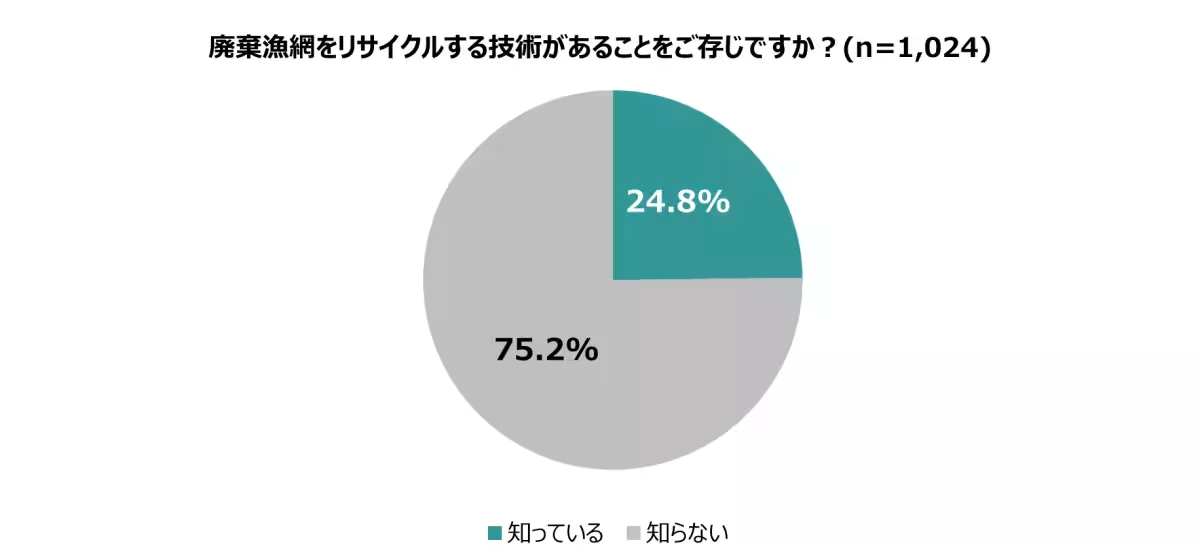
The survey results indicated a growing concern around the marine plastic waste issue; however, the specific solution of fishing net recycling is not widely recognized, with only 25% of respondents aware of these recycling methods. Despite this, over 90% of those surveyed expressed their support for the efforts of fishermen participating in recycling, revealing an emerging awareness of environmental issues as personal responsibilities.
1. Understanding Marine Plastic Waste
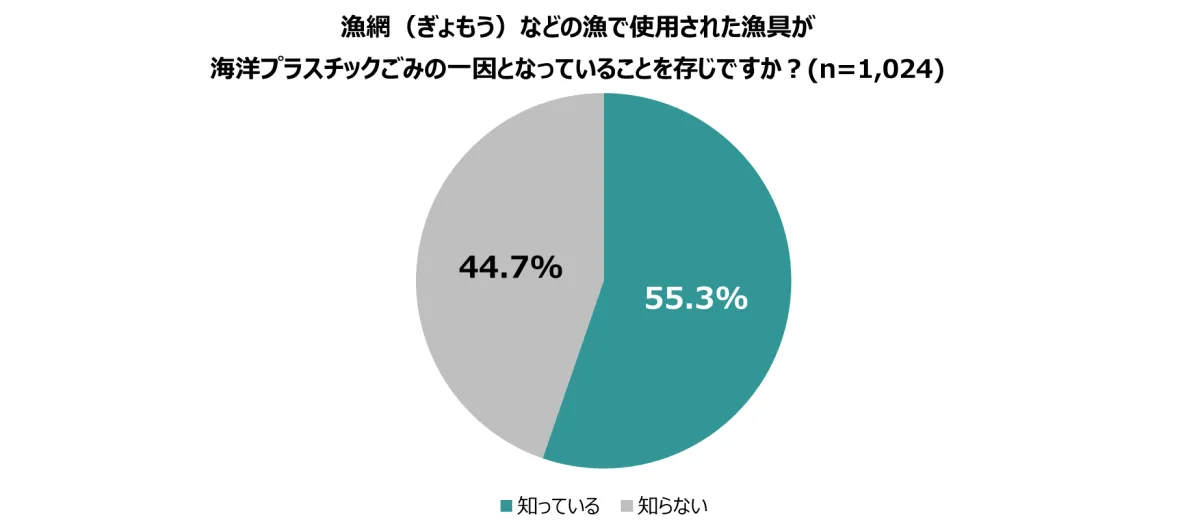
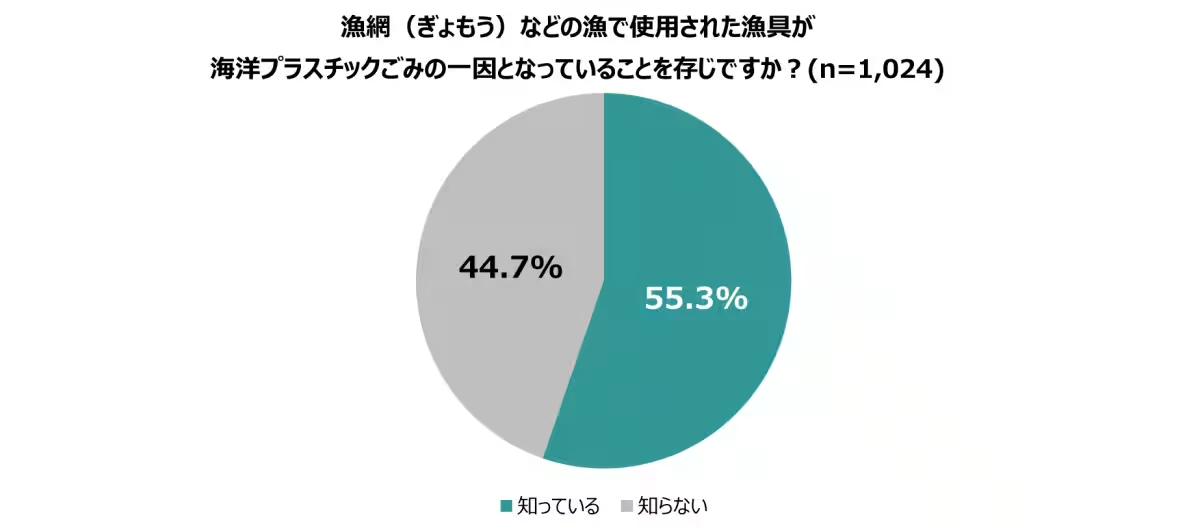
Approximately 30% of the ocean plastic waste found along the coasts of Japan originates from fishing gear, which highlights the significance of addressing this issue. The survey showed that 55.3% of participants recognized fishing gear as a contributing factor to marine plastic pollution, demonstrating an increasing consciousness among the general public about the origins of plastic waste.
2. Knowledge of Recycling Technology
Despite the awareness of the marine plastic problem, only 25% of respondents were aware of the existence of recycling technologies for fishing nets. Refineverse has developed a method to recycle discarded fishing nets into REAMIDEⓇ, but this knowledge has not permeated widely into society, illustrating a gap in information dissemination regarding such innovative recycling technologies.
3. Positive Perception of Recycling
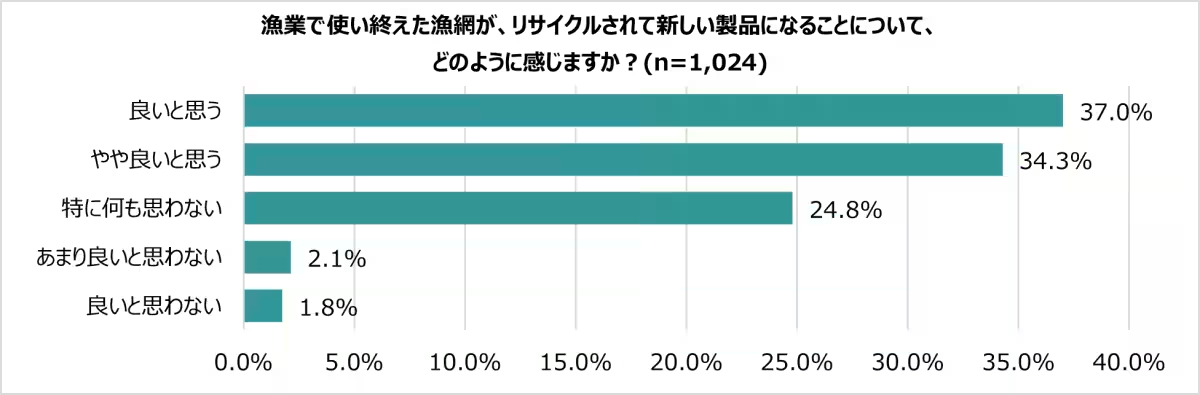
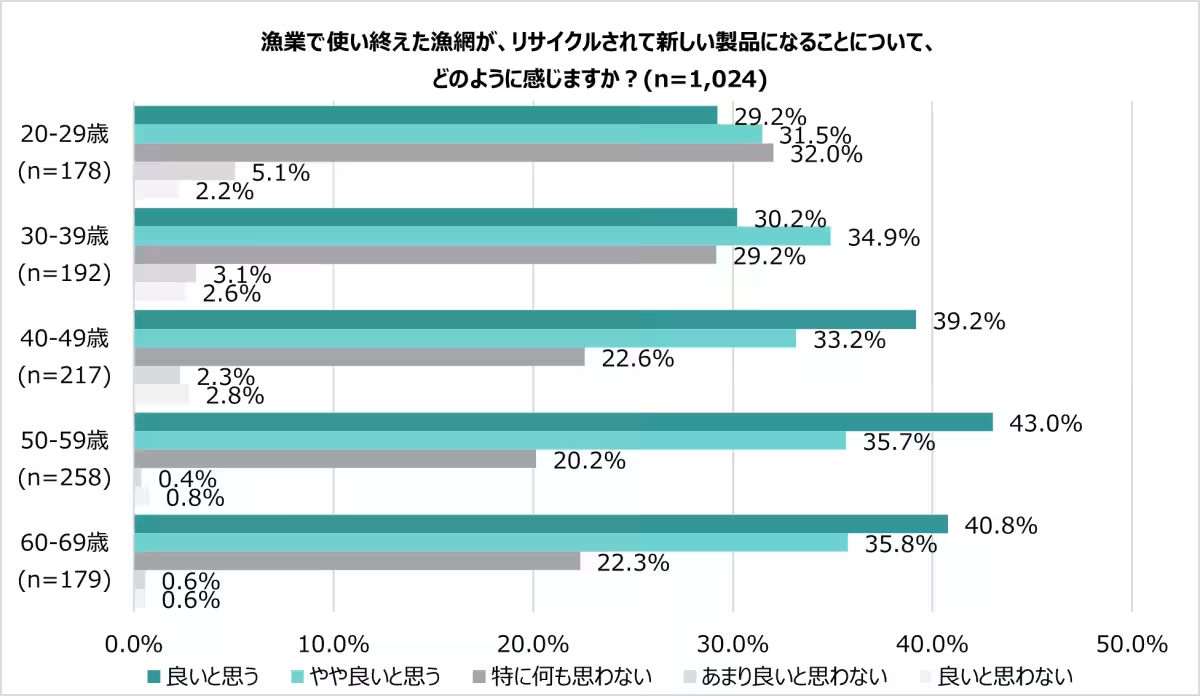
A significant 71.3% of participants felt positively about the idea of recycling used fishing nets into new products. This sentiment was particularly prevalent among those over 50, signaling that practical solutions to marine environmental issues resonate across generations. This response indicates that the attempts to offer concrete solutions are starting to gain traction and empathy among the public.
4. Preference for Recycled Products
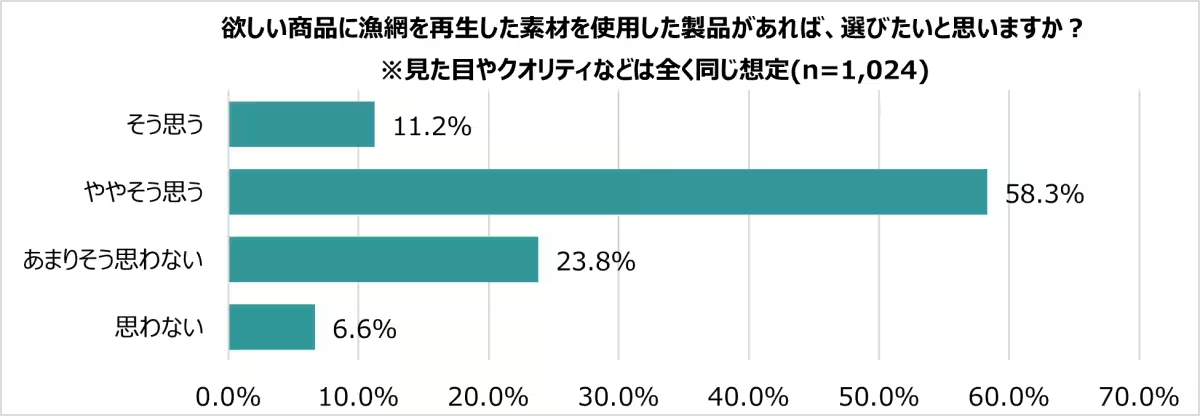
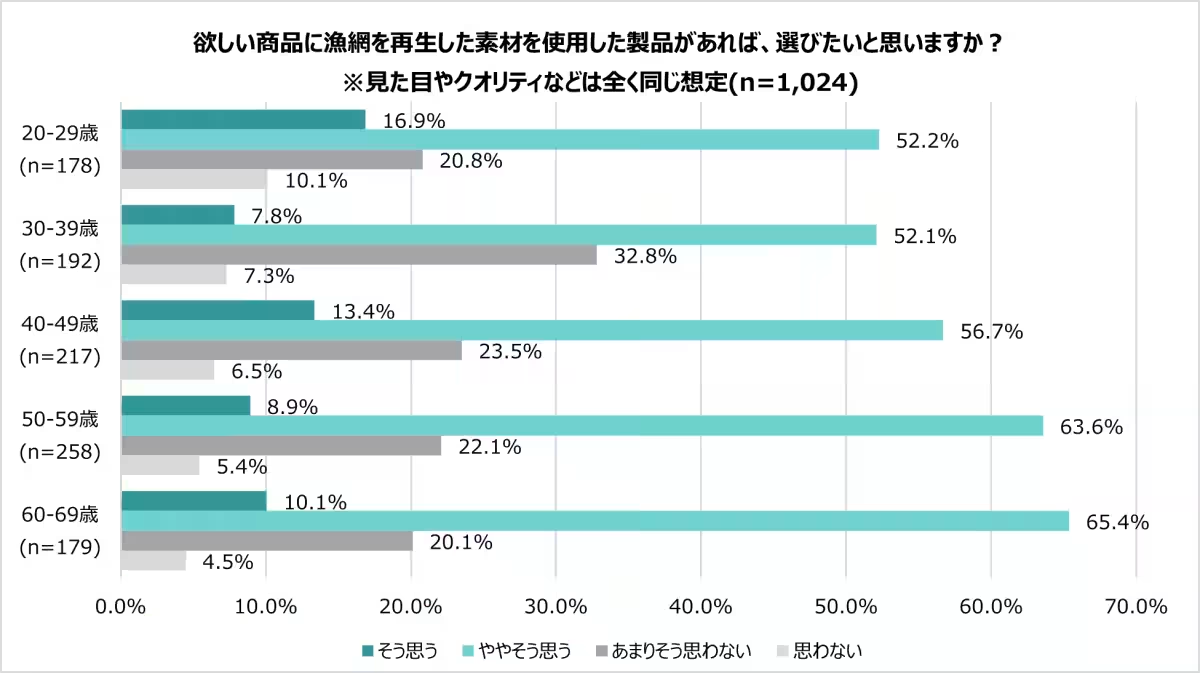
Additionally, 69.5% of respondents indicated that they would prefer products made from recycled fishing net materials if available. This trend was especially strong among younger generations, highlighting a growing preference for environmentally friendly products. Even among those in their 50s and 60s, positive responses about these products were notably high.
5. Support for Fishermen's Efforts
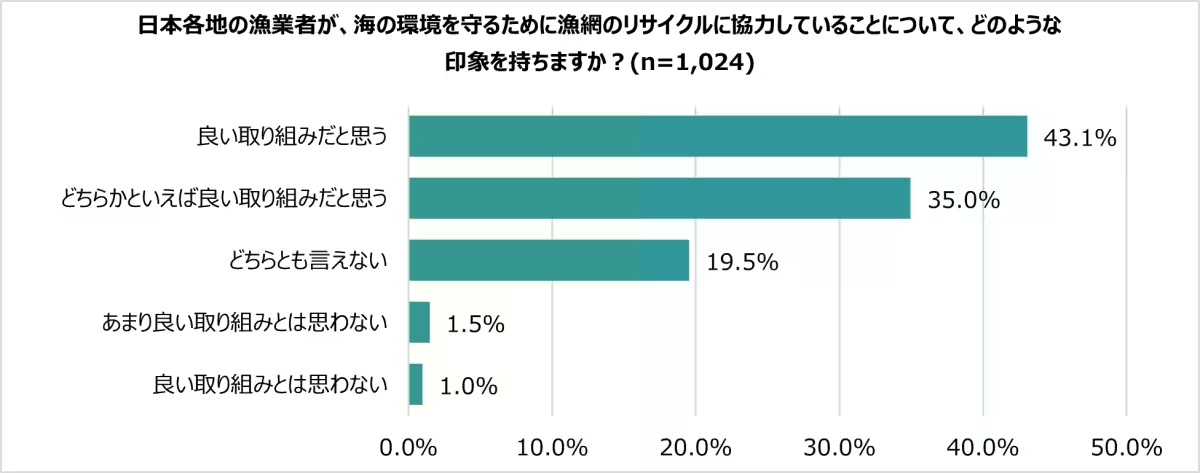
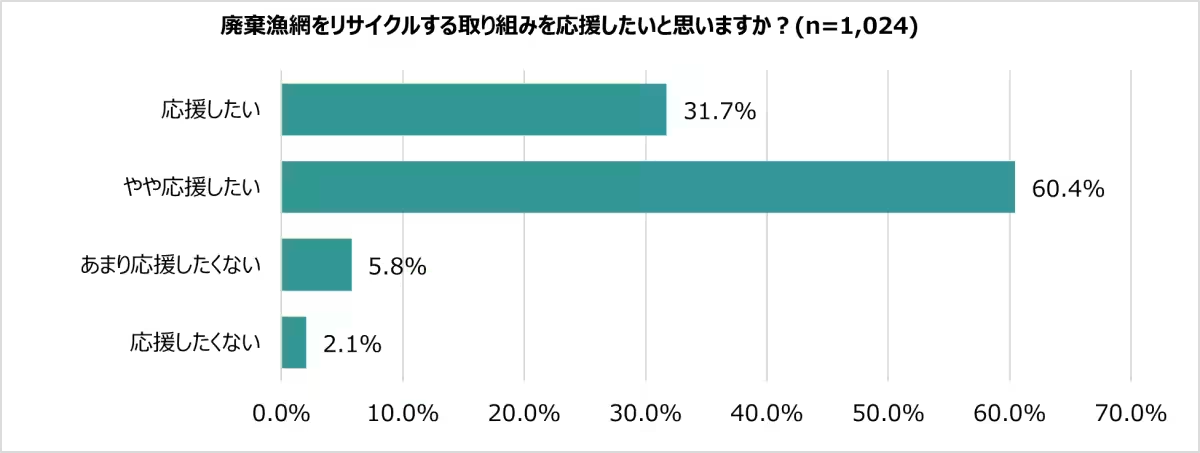
Moreover, 78.1% of those surveyed held a favorable impression of local fishermen's collaboration regarding fishing net recycling, with 92.1% expressing a desire to support such initiatives. This demonstrates a strong connection between the public and the fishermen's efforts to safeguard the marine environment.
Refineverse's Commitment to Sustainability
According to Goro Tamaki, Director of Material Business for Refineverse, overcoming initial skepticism about the feasibility of recycling has been achieved through consistent dialogue and collaboration with local fishing communities, leading to the expansion of their network to 26 sites across Japan. The company aims to shift public perception from viewing discarded fishing nets as waste to recognizing them as valuable resources worthy of recovery and repurposing.
As they continue to promote the concept of REAMIDEⓇ, Refineverse seeks to partner with various manufacturers to enhance product offerings made from this recycled material, thus broadening the impact of their sustainability initiatives.
Conclusion
The results of this survey highlight an emerging collective empathy and understanding of the challenges posed by marine plastic waste and the legitimacy of recycling solutions. As more people recognize the efforts of fishermen and the potential of recycling technologies, the path towards a more sustainable future becomes increasingly clear. Refineverse remains committed to advancing these efforts, building bridges between fishermen, businesses, and consumers to cultivate a circular economy in Japan and beyond.


Topics Policy & Public Interest)



【About Using Articles】
You can freely use the title and article content by linking to the page where the article is posted.
※ Images cannot be used.
【About Links】
Links are free to use.