



Exploring the Connection Between Fandom and Well-being in Japan
The Impact of Fandom Activities on Happiness and Well-being in Japan
A recent survey conducted by Loyalty Marketing Co., the company behind the popular Point service "Ponta," reveals intriguing insights into how fandom activities, known as "oshi-katsu" in Japan, contribute to overall well-being and happiness. From August 1 to August 11, 2025, this survey gathered responses from 9,904 Ponta members, shedding light on the characteristics of fandom and its emotional effects.
Fandom Activity Statistics
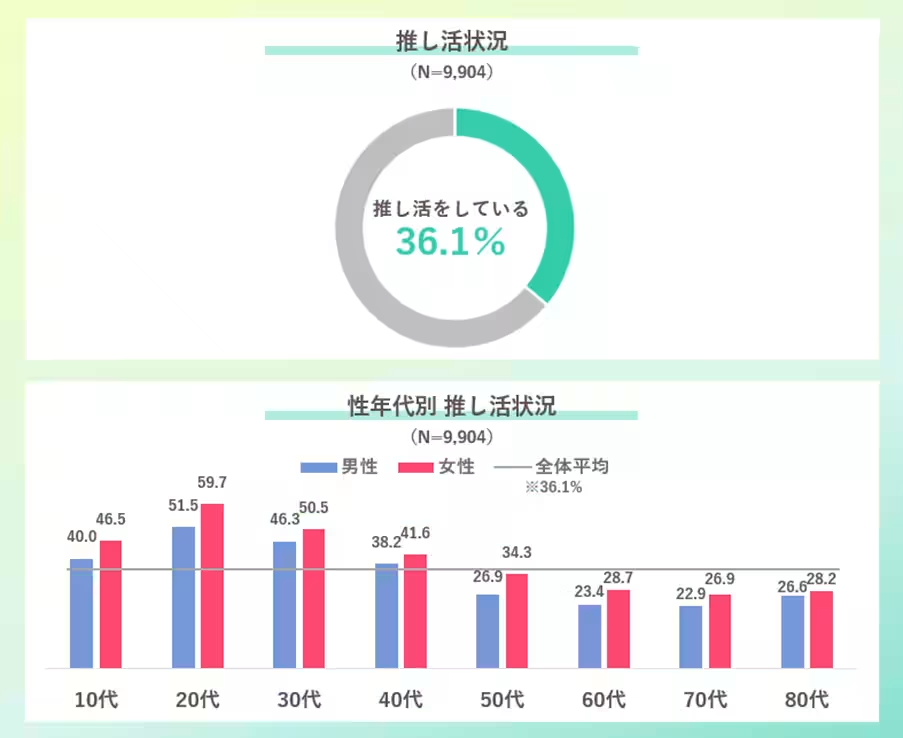
The survey found that 36.1% of respondents are actively engaging in fandom activities, with nearly half of those aged 30 and below identifying as fans. Most notably, 59.7% of women in their 20s stated they participate in fandoms. Even among those aged 60 and above, one in four are partaking in fandom activities, demonstrating the enduring appeal of this cultural phenomenon.
Categories of Fandom
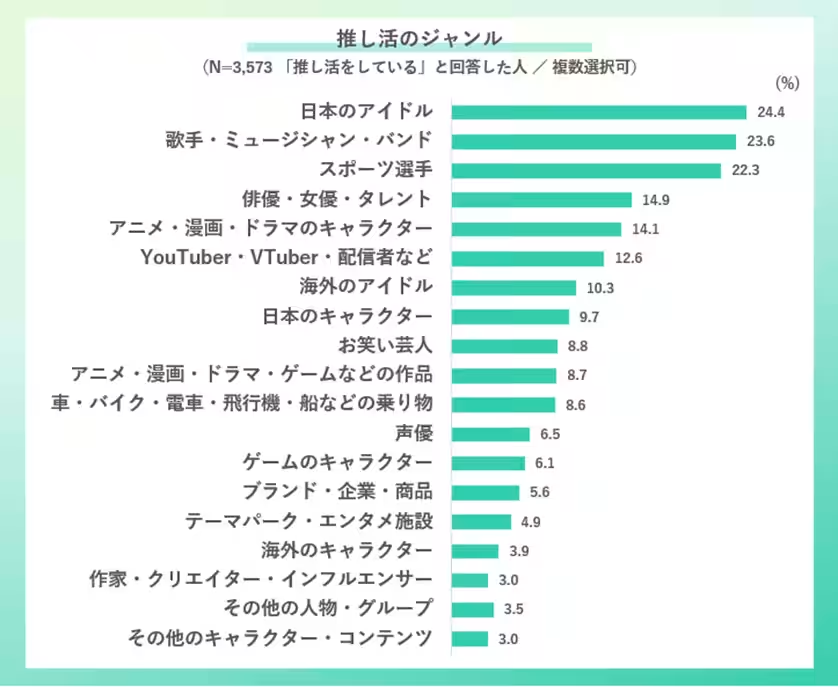
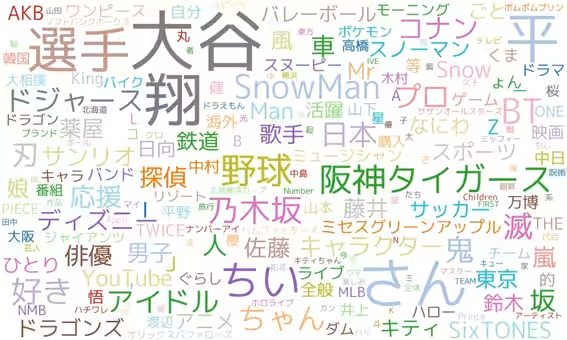
When delving into the specifics, the categories of fandom reveal interesting trends. The most popular category is "Japanese idols," chosen by 24.4% of respondents, followed closely by "singers/musicians" at 23.6% and "athletes" at 22.3%. Additionally, responses highlighted a variety of specific idols and athletes, such as Shohei Ohtani and popular groups like Snow Man and SixTONES.
Positive Aspects of Fandom
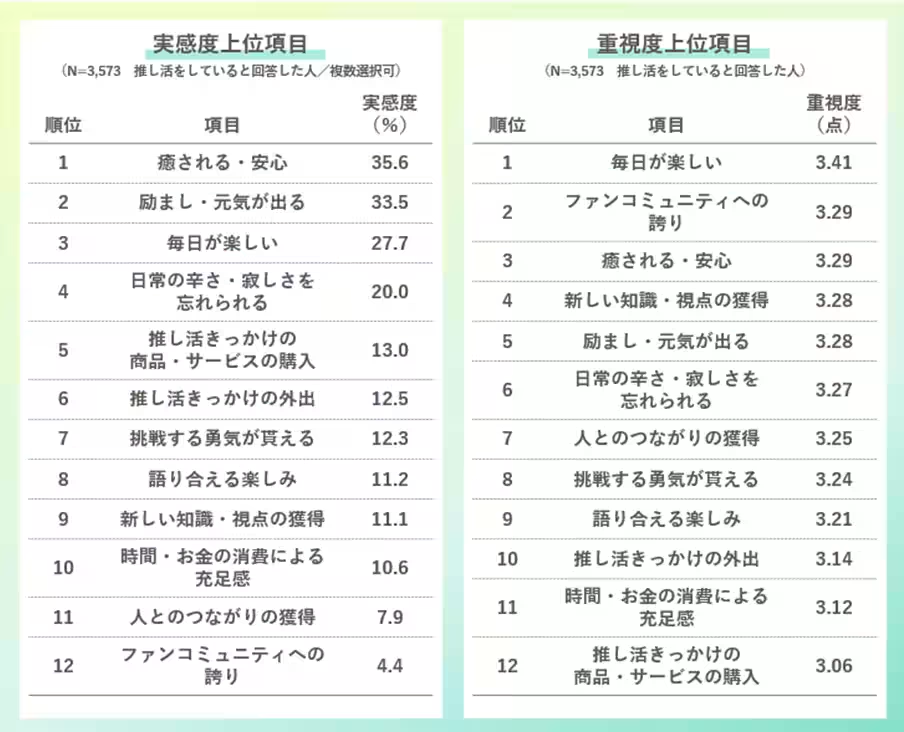
Participants were asked about the positive feelings they experience through their fandom. A staggering 35.6% reported that being a fan brings them "healing and comfort." Furthermore, the sentiment "every day is enjoyable" scored the highest in importance, with a rating of 3.41 on a scale from one to four. These findings emphasize how fans derive immense joy and satisfaction from their involvement in fandom activities.
Negative Aspects of Fandom
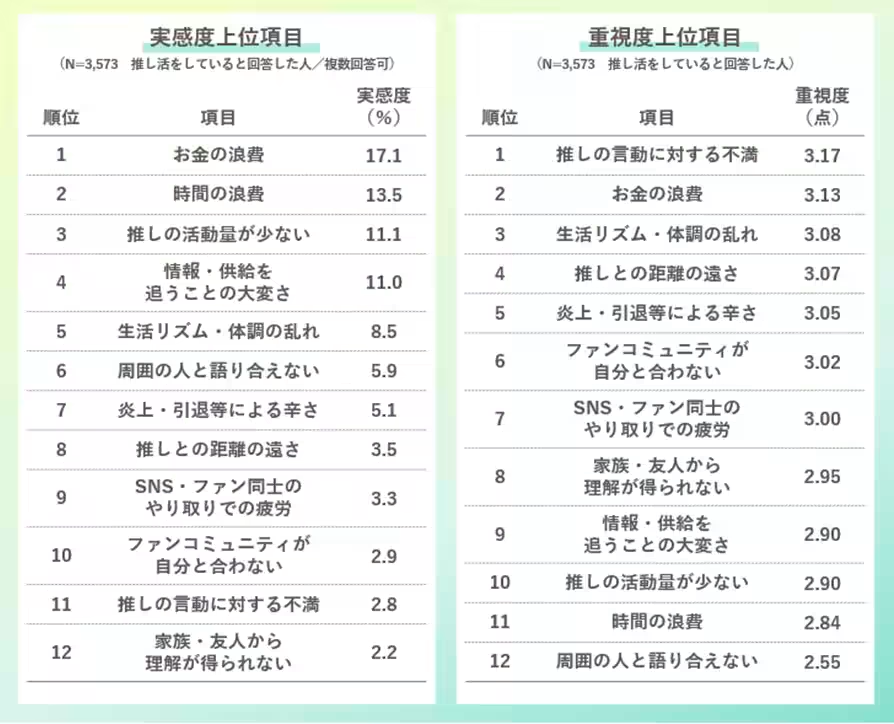
On the flip side, there were also negative sentiments expressed. The most common complaint, identified by 17.1% of respondents, was "waste of money." Additionally, 13.5% felt that they waste time on their fandom activities. Notably, dissatisfaction with an idol's behavior was rated as a strong detractor from happiness, scoring 3.17 out of 4.
Categories and Happiness Index
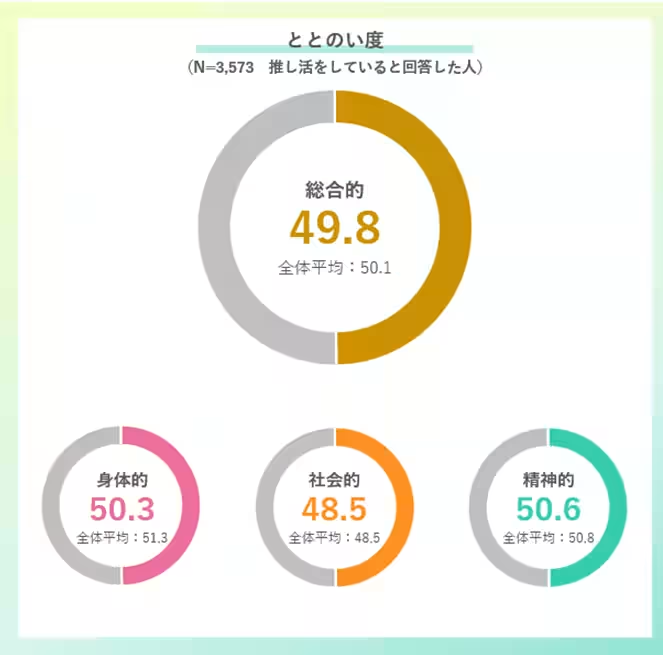
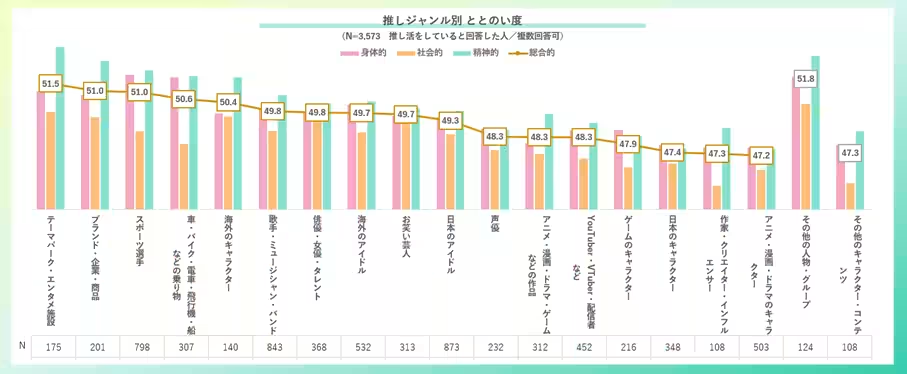
The survey also calculated the happiness index based on the types of fandom. People whose fandom revolves around theme parks and entertainment facilities reported the highest happiness scores, averaging 51.5 points. Fans of athletes and transport characters also noted higher physical well-being scores, at 52.0 and 51.8 points, respectively. These findings underline the varying levels of emotional investment fans have based on their fandom's category.
Conclusion
In summary, the survey illustrates a complex relationship between fandom activities and personal happiness. While many derive significant joy and comfort from their fandoms, there are financial and emotional pitfalls that fans must navigate. The overall well-being score of those engaged in fandom activities stands close to the average, indicating that being a fan is a nuanced aspect of modern Japanese life, contributing positively to overall happiness while also presenting certain challenges. This study not only highlights the importance of fandom culture in Japan but also calls attention to the necessity of balance in one’s personal investments in fandoms.
References
Survey Overview
- - Method: Internet survey
- - Duration: August 1 to August 11, 2025
- - Panel: Ponta Research members
- - Population: Japanese residents aged 15 to 89
- - Responses: 9,904 (3,573 respondents engage in fandom activities)
The results serve as a snapshot of how fandom is intertwined with personal happiness, particularly in Japan’s engaging cultural landscape.
Topics People & Culture)


【About Using Articles】
You can freely use the title and article content by linking to the page where the article is posted.
※ Images cannot be used.
【About Links】
Links are free to use.