



Understanding the Challenges Indonesian Workers Face in Japan: Discrimination and Relationships
Introduction
In a recent survey conducted in collaboration with PT. Human Mandiri Indonesia, which runs Japanese language schools and training institutions in Indonesia, a pressing concern has emerged for skilled foreign workers in Japan. The survey, targeting students in the specific skills training classes, revealed that a striking 87% of respondents are keen on securing long-term employment in Japan. However, alongside their aspirations lie serious concerns regarding discrimination and workplace relationships.
Survey Highlights
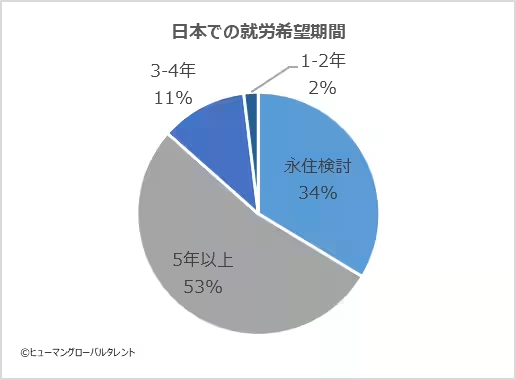
Desire for Stability: An overwhelming number of respondents, 87%, wish to work long-term in Japan, with 34% contemplating permanent residency. This underscores a deep commitment to establishing their lives and careers in Japan.
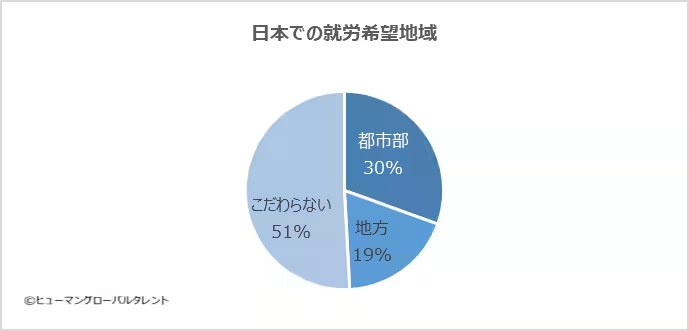
Flexibility in Work Location: Approximately 51% expressed no preference for specific work locations, valuing trustworthy employers and the opportunity to experience Japan's diverse culture over geographical specifics.
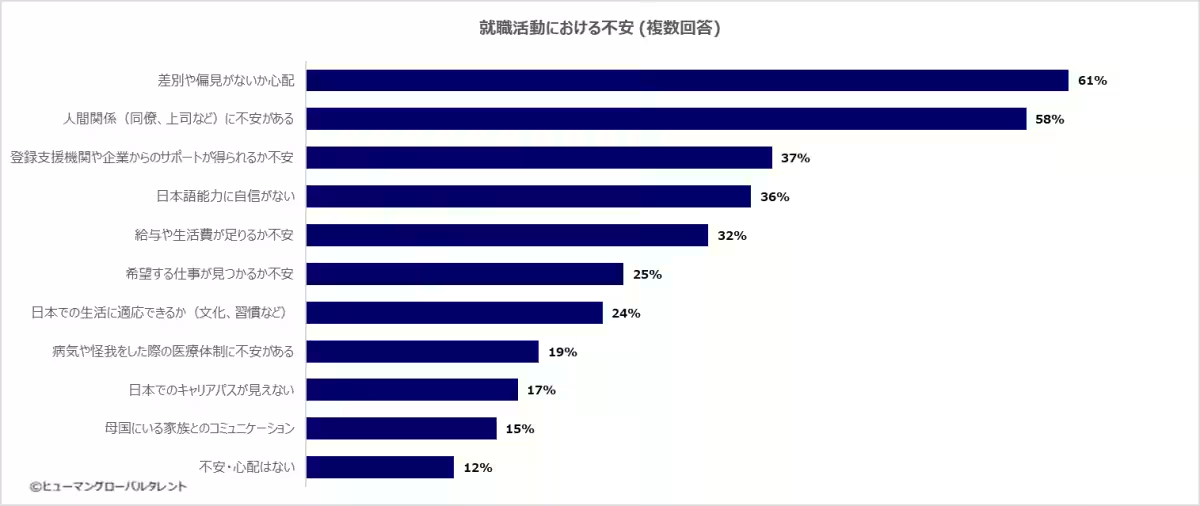
* Concerns About Discrimination: The survey highlighted that the most significant apprehensions among these workers revolve around discrimination and interpersonal relationships at the workplace, pointing to a strong need for a mentally reassuring work environment.
In-Depth Analysis
Reasons for Employment in Japan
The primary motivations driving these students to seek employment in Japan include:
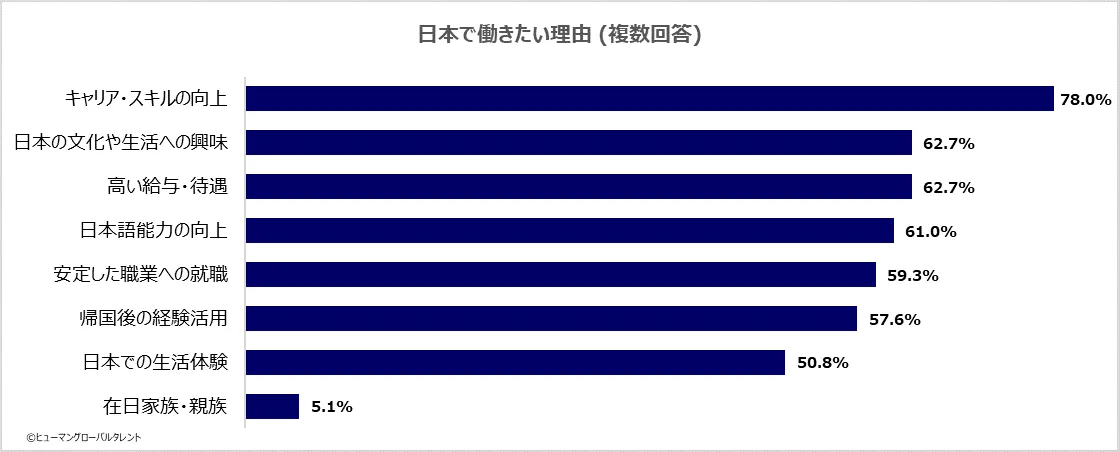
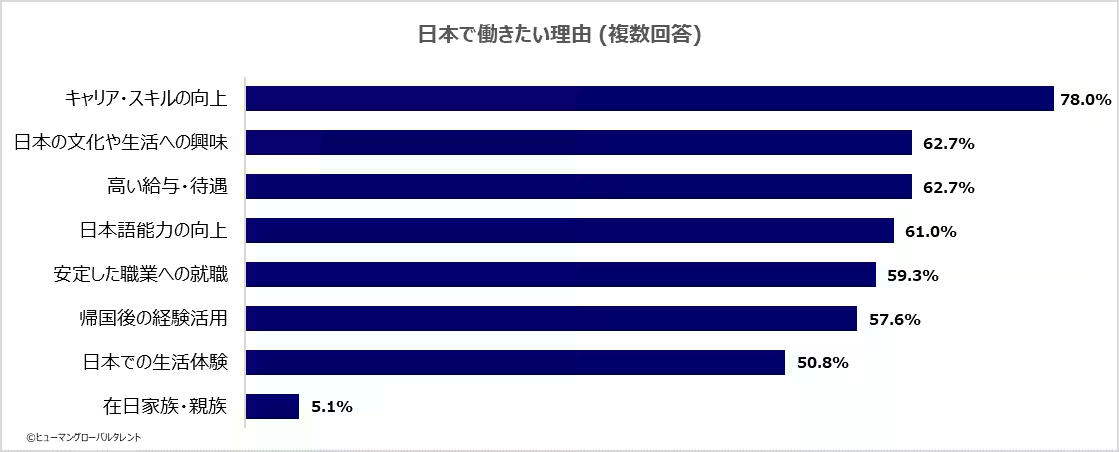
- - Career and Skills Development: 78% of respondents highlighted a desire to enhance their career and skills as a key reason for wanting to work in Japan.
- - Cultural Interest and Salary: Both cultural curiosity and salary were mentioned by 63% of the participants, indicating a balanced approach to personal and financial growth.
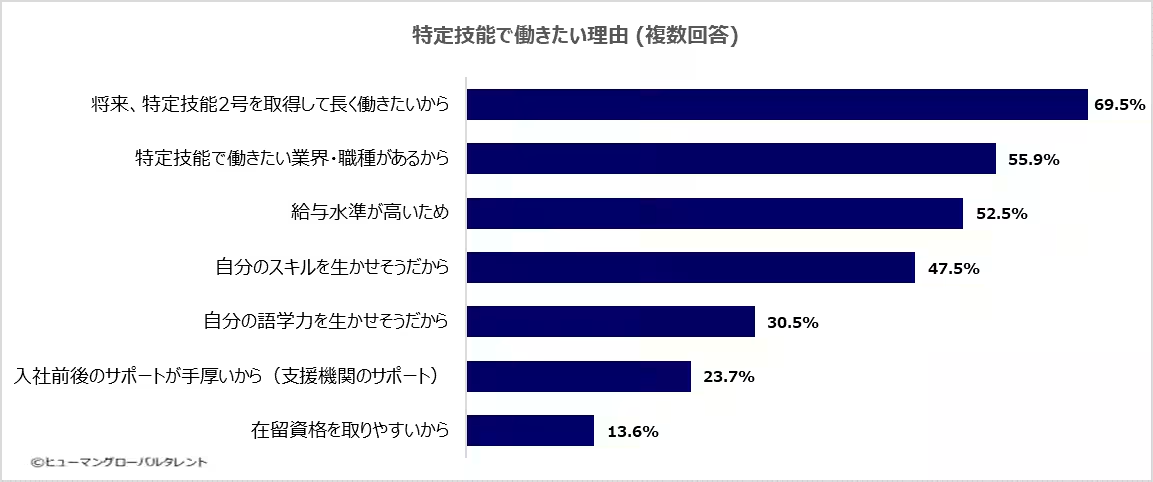
- - Long-Term Employment Goals: A notable 69% expressed a desire to eventually transition to a specific skilled labor category that allows for extended employment in Japan, indicating ambitions for career stability.
- - Intentions of Permanent Residency: More than half (53%) are looking to work for over five years, with one-third considering permanent residency as a viable option.
Importance of Employment Conditions
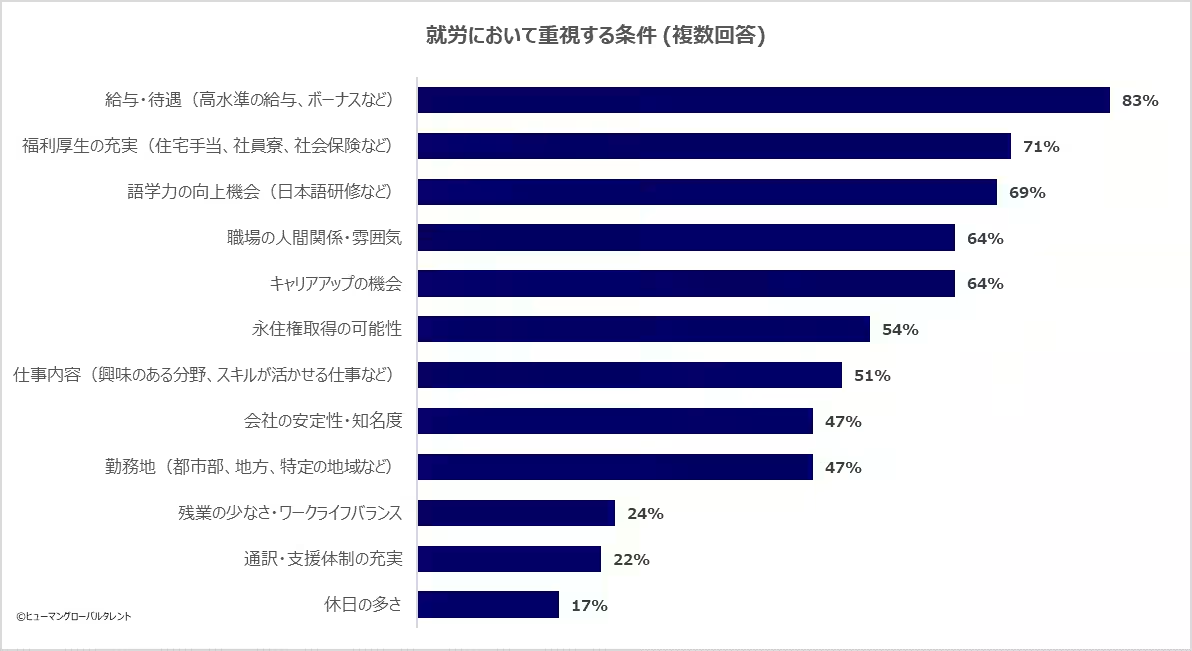
When it comes to job conditions, the participants placed considerable emphasis on:
- - Salary and Benefits: 83% ranked salary and benefits as crucial, followed by 71% who considered comprehensive welfare plans as important.
- - Opportunities for Language Improvement: 69% noted the chance to enhance their language skills as a significant factor.
- - Work Environment: 64% cited the importance of relationships and the atmosphere within the workplace, showing a clear understanding that economic incentives are not the only motivators. They also value personal growth and a supportive work culture.
Concerns During Job Search
Despite their aspirations, the trainees voiced several concerns during their job search:
- - Fear of Discrimination: With 61% worried about discrimination and 58% anxious about workplace relationships affecting their well-being, these factors emerge as significant psychological barriers to their employment journey.
- - Support from Agencies and Employers: Concerns about the support they can receive from registration support organizations and employers, coupled with uncertainties about their Japanese language skills and financial security, further complicate their transition to a new work environment.
Preferred Working Hours
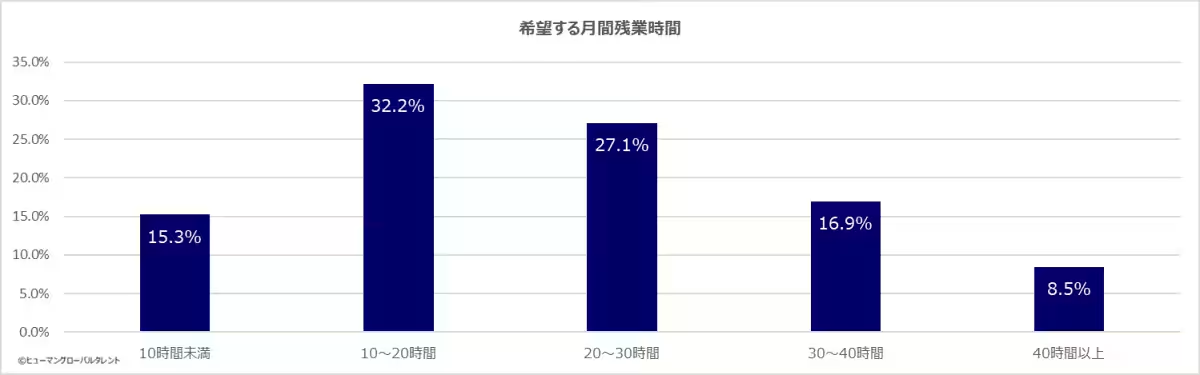
In terms of work-life balance, many responded that they preferred a maximum of 10 to 30 hours of overtime per month. This reflects a desire to maintain a healthy work-life balance while also acknowledging the realities of needing additional income.
Conclusion
This survey clearly illustrates that Indonesian trainees have robust aspirations and defined goals regarding their employment in Japan. They are not merely looking for short-term labor opportunities but are focused on long-term career development, permanent residency, and cultural integration.
Aspects such as career skill enhancement, salary, interest in Japanese culture, and the importance of a supportive work environment weigh heavily in their decision-making. The evident concerns regarding discrimination and relationships must be addressed by Japanese companies and society as a whole to ensure these skilled workers can fulfill their potential without fear or hindrance.



Topics People & Culture)

【About Using Articles】
You can freely use the title and article content by linking to the page where the article is posted.
※ Images cannot be used.
【About Links】
Links are free to use.