


Study Reveals Significant Generational Gaps Between Managers and Subordinates in 2025
Understanding the Manager-Subordinate Relationship in 2025
In a recent survey conducted by Job Research Institute, a research arm of Persol Career Co., the complexities of the relationships between managers and their subordinates have been put under the spotlight. The study holds significant implications for workplace dynamics as it addressed critical aspects such as jealousy among managers, generational gaps, and both parties' desires to strengthen their relationships.
Survey Overview
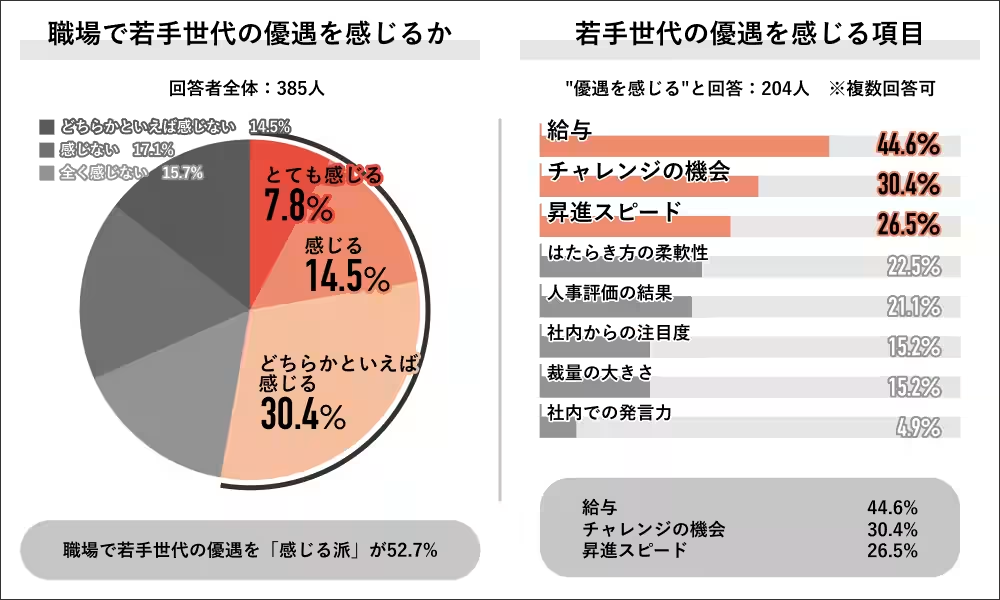
The survey, involving 385 working adults across Japan, focused on various topics revolving around the perceptions of managers and subordinates. The results indicate that more than half of the participants (52.7%) felt that younger employees are favored in the workplace, with factors such as salary and opportunities for challenges emerging as key indicators of this perception. Interestingly, 59.6% of managers admitted to feeling jealousy towards their subordinates, primarily regarding evaluation outcomes and work styles.
This suggests a significant intersection between the experiences of different generations. The older generations often feel an increasing burden as the younger employees prioritize work-life balance and show lesser interest in managerial roles.
The Favoritism Toward the Younger Generation
In the survey, 52.7% of responders acknowledged feeling favoritism toward younger employees, with the highest percentage citing salary (44.6%) as a reason. Next on the list were opportunities for challenges (30.4%) and promotion speed (26.5%). These findings illustrate a growing divide in workplace perceptions based on age and status.
Young employees demonstrated a unique desire to be guided and even expressed a wish to be reprimanded, highlighting the contrasts in management styles between generations. Conversely, older managers often overcompensate due to heightened concerns about harassment, leading to challenges in effective communication and leadership.
Jealousy Among Managers
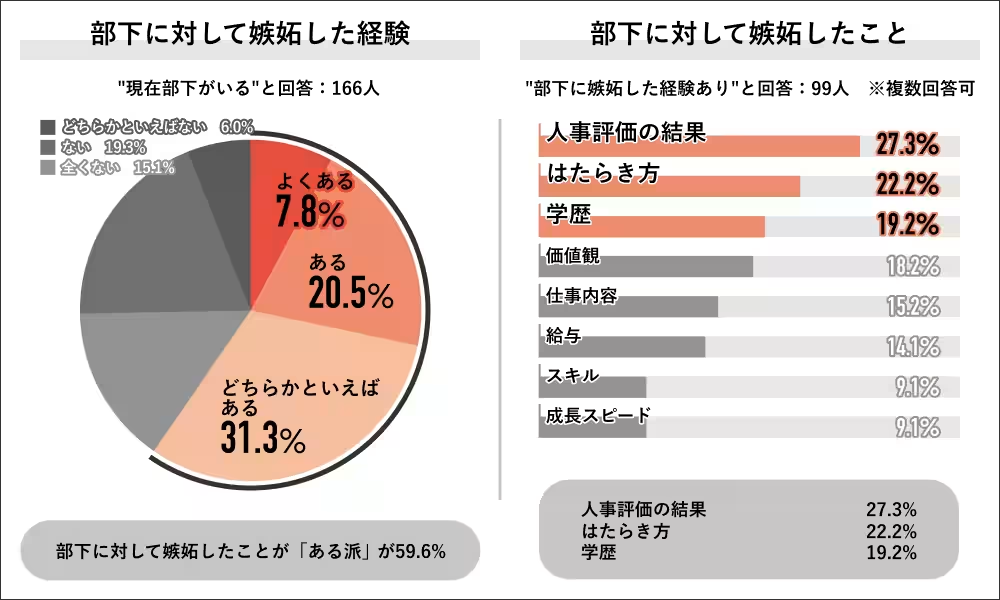
Delving deeper into the feelings of jealousy among managers, the survey showed that 59.6% have felt jealousy toward their subordinates. The most cited reasons were human resource evaluations (27.3%), work styles (22.2%), and educational backgrounds (19.2%). This jealousy can stem from feelings of inadequacy and perceptions of fairness among employees, potentially leading to decreased motivation in mid-career professionals.
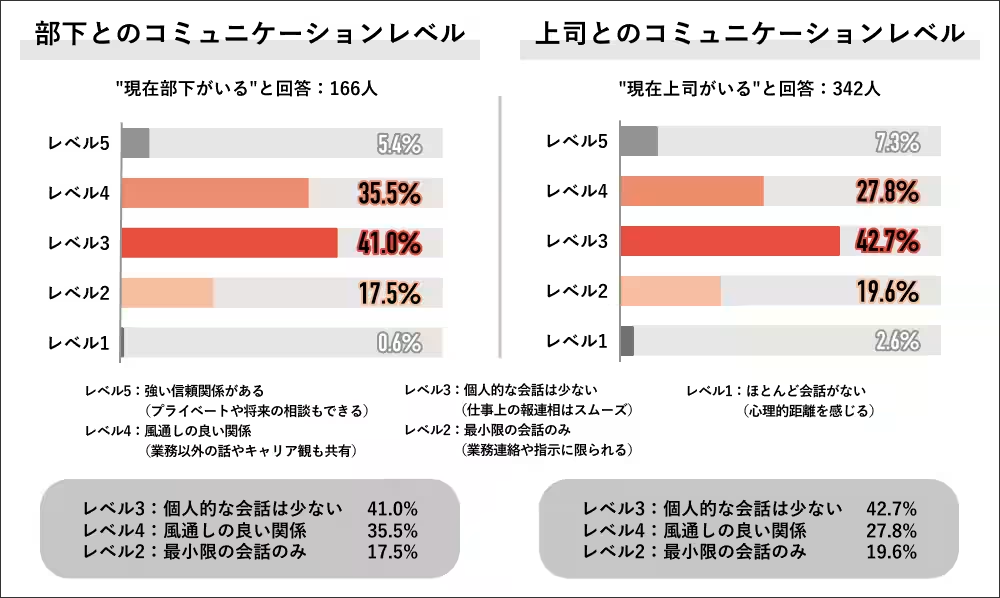
Both subordinates and superiors recognized a communication gap, with 41% of managers and 42.7% of subordinates indicating that personal conversations were minimal within their interactions. Establishing trust through open dialogues remains a challenge, with many participants expressing a desire to bridge this gap.
Recognizing Value Differences
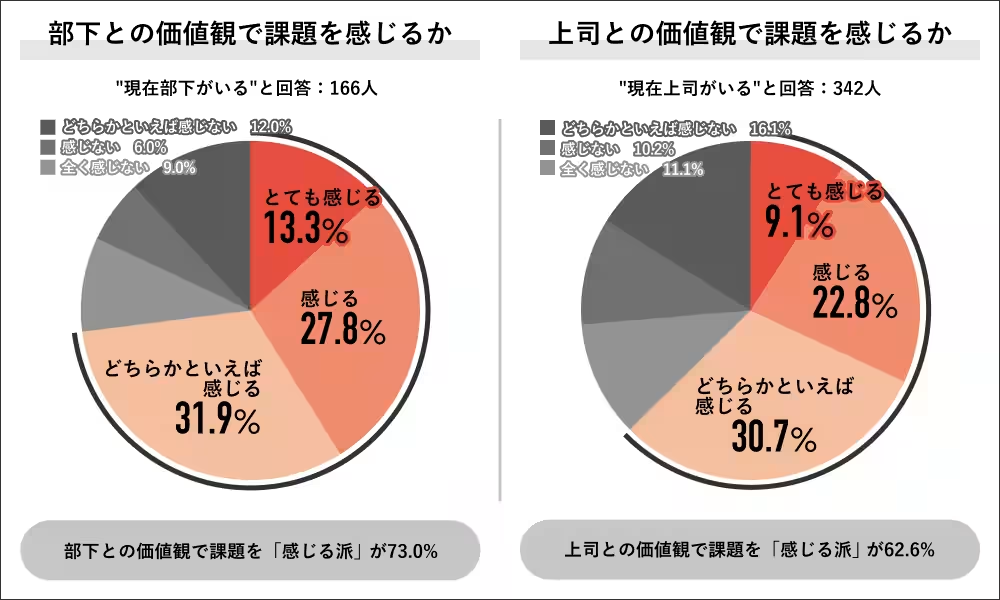
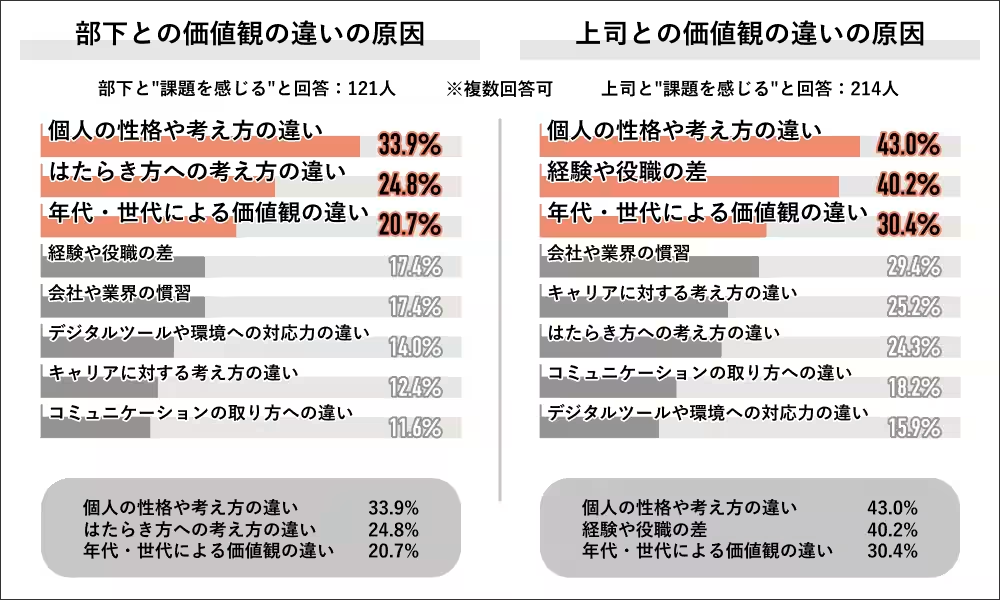
The survey identified a significant number of participants feeling that value differences led to challenges in their relationships. 73% of managers and 62.6% of subordinates acknowledged feeling these discrepancies, often attributing them to different career perspectives, communication styles, and generational beliefs.
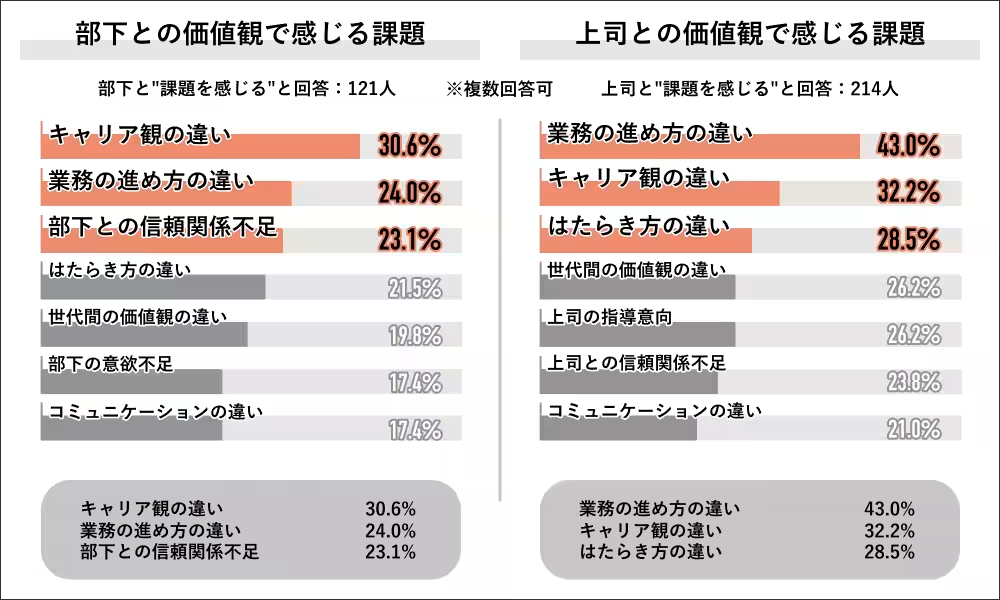
In terms of what these value differences entail, managers pointed to the differences in work processes (43.0%), while subordinates identified inconsistent career views (30.6%) as problematic. Addressing these divergent views should be essential for both groups seeking to foster stronger working relationships in their teams.
The Path Forward
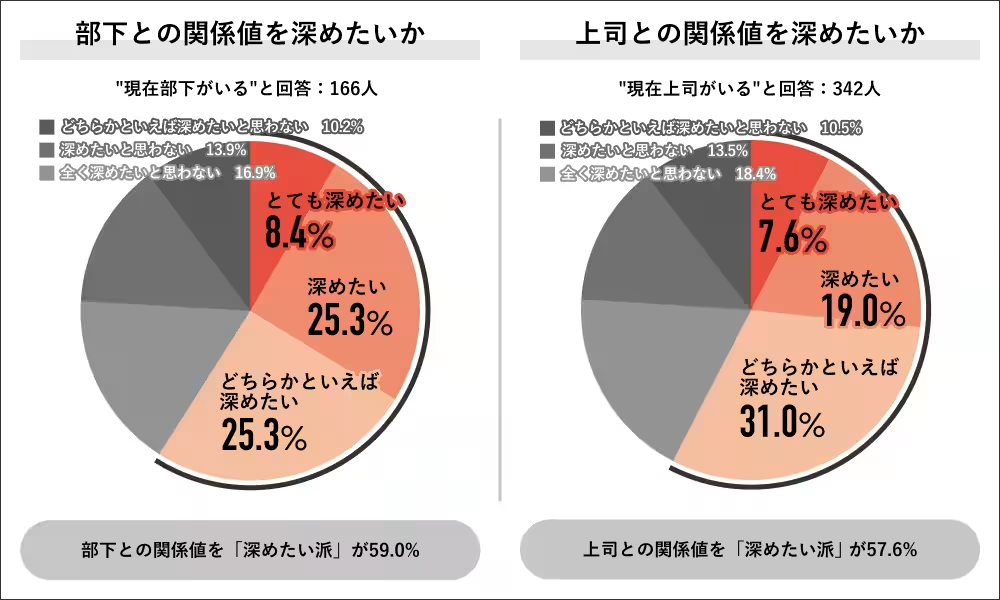
Despite recognizing these challenges, both managers and subordinates expressed a strong desire to enhance their relationships. For instance, 59% of subordinates indicated they wanted to deepen their connection with their managers, and 57.6% of managers felt similarly. Comments from both sides underlined a mutual interest in fostering closer, more supportive relationships, highlighting the positive opportunities for collaboration.
The drive for improved workplace relations unveils an encouraging takeaway from this study. Participants emphasized the importance of building trust and creating a supportive environment where both views and anxieties can be addressed constructively.
To summarize, the 2025 Manager-Subordinate Awareness Survey by Job Research Institute sheds light on significant current challenges and indicates an urgent need for proactive communication strategies. Building bridges between generations will enhance workplace morale, resulting in a more productive, engaged workforce. The research reveals that while there are notable quandaries in the manager-subordinate relationship dynamics, there exists a mutual willingness to cultivate these relationships further for future success.

Topics People & Culture)




【About Using Articles】
You can freely use the title and article content by linking to the page where the article is posted.
※ Images cannot be used.
【About Links】
Links are free to use.