


Exploring Art Thinking as a Universal Practice in Business and Society
Unleashing Art Thinking for Everyone
In a groundbreaking initiative, Request Inc., headquartered in Shinjuku, Tokyo, has published a comprehensive report titled "Art as a Practice Accessible to All in Society". This document aims to transform the perception of art, moving it away from being seen as a luxury reserved for the talented few to a tool beneficial for all professionals. The report, based on data from nearly 980 companies and involving over 338,000 working individuals, offers insights derived from organizational behavior science.
The Purpose Behind the Report
This report is not merely an exploration of artistic expression but rather a practical guide designed to weave art into the fabric of everyday work life. Divided into eight sections with 21 chapters and supplemented by five appendices and 34 references, it distills essential practices that enable individuals to learn from and apply artistic principles in their professional lives. The fundamental goal is to spark a continuous thread of understanding that can be transferred from one person’s experience to another’s work, paving the way for new industries and business models.
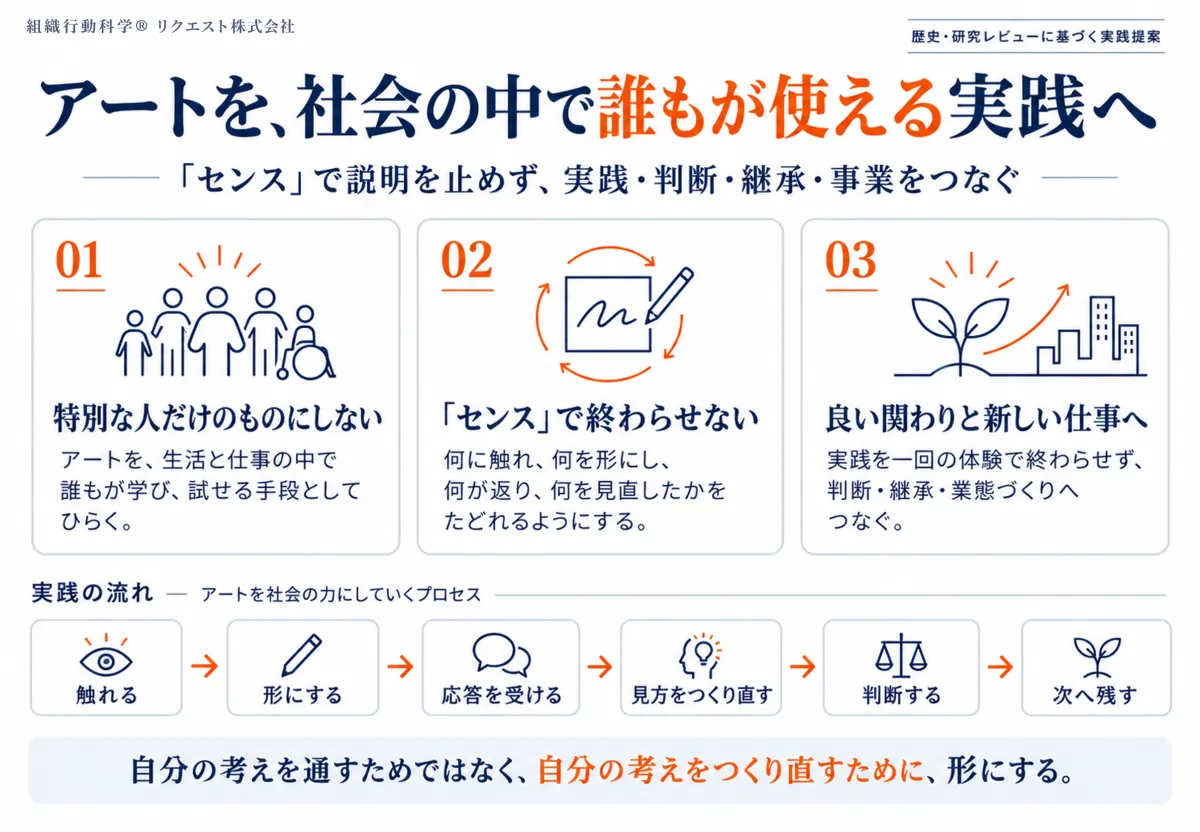
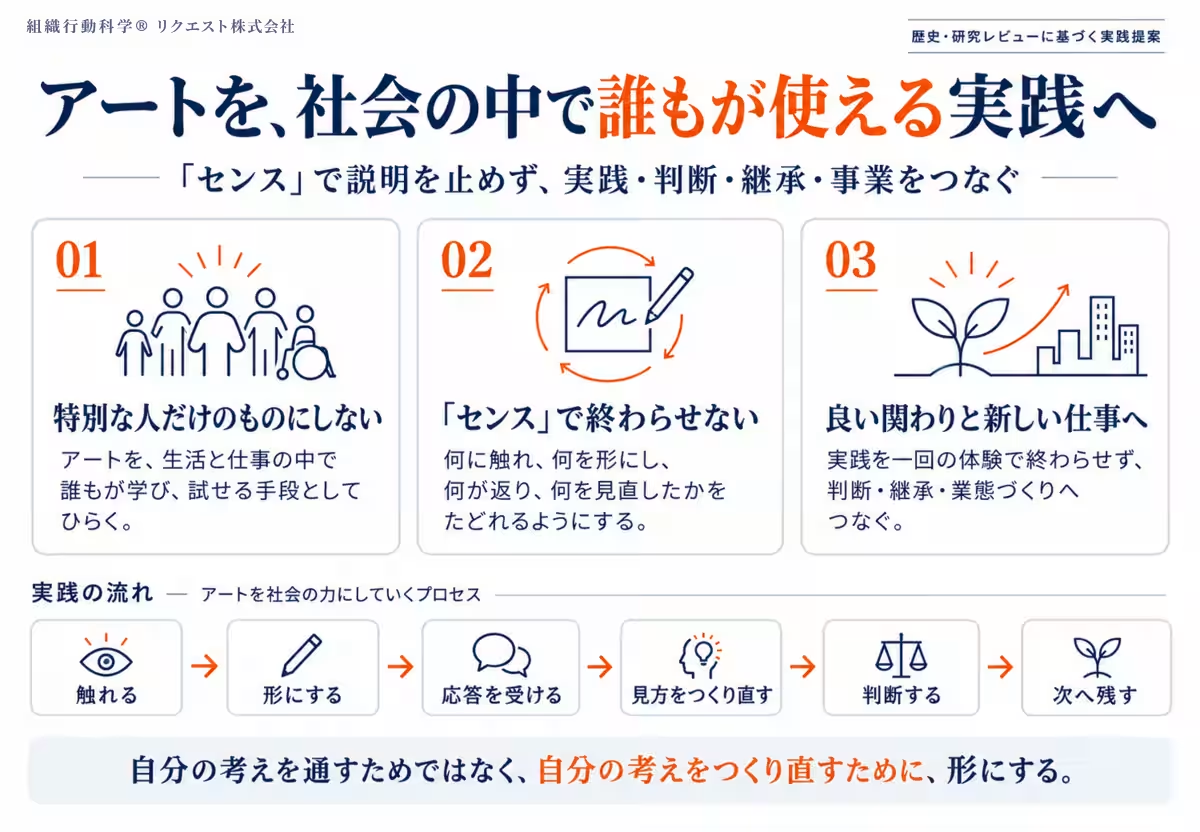
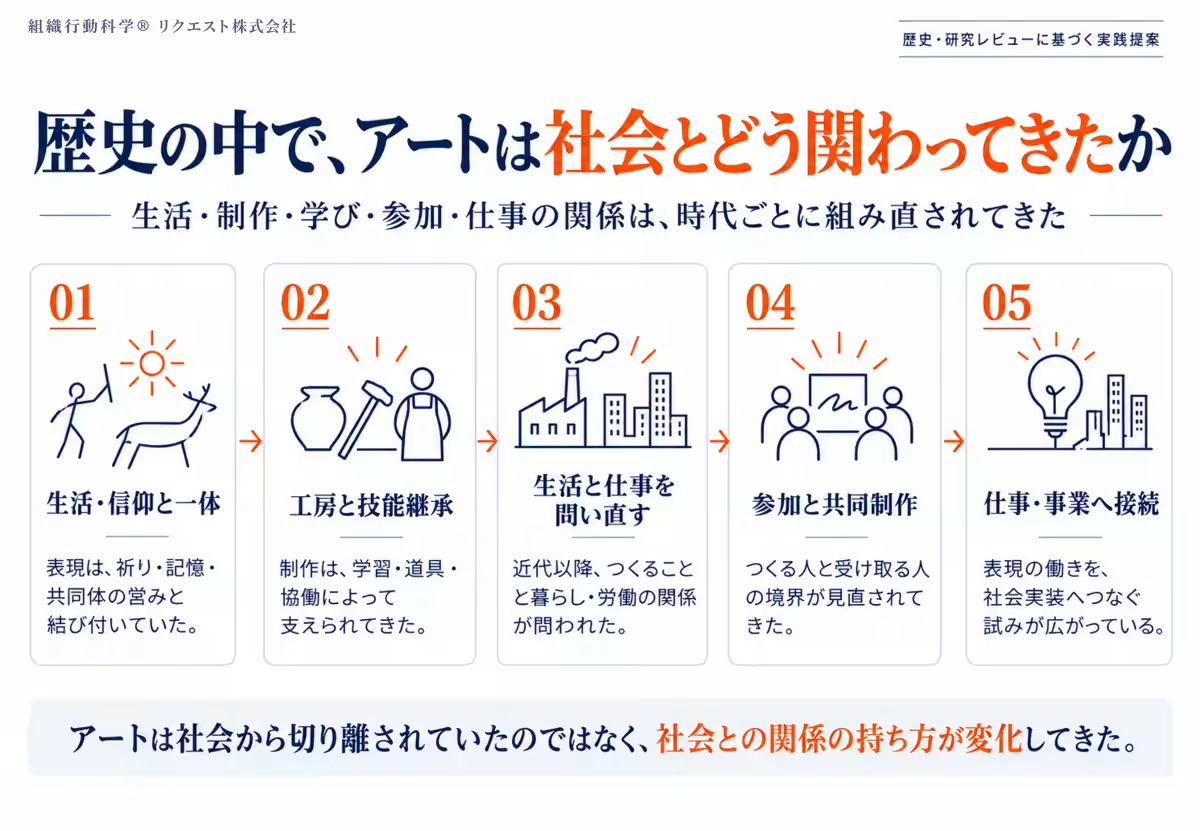
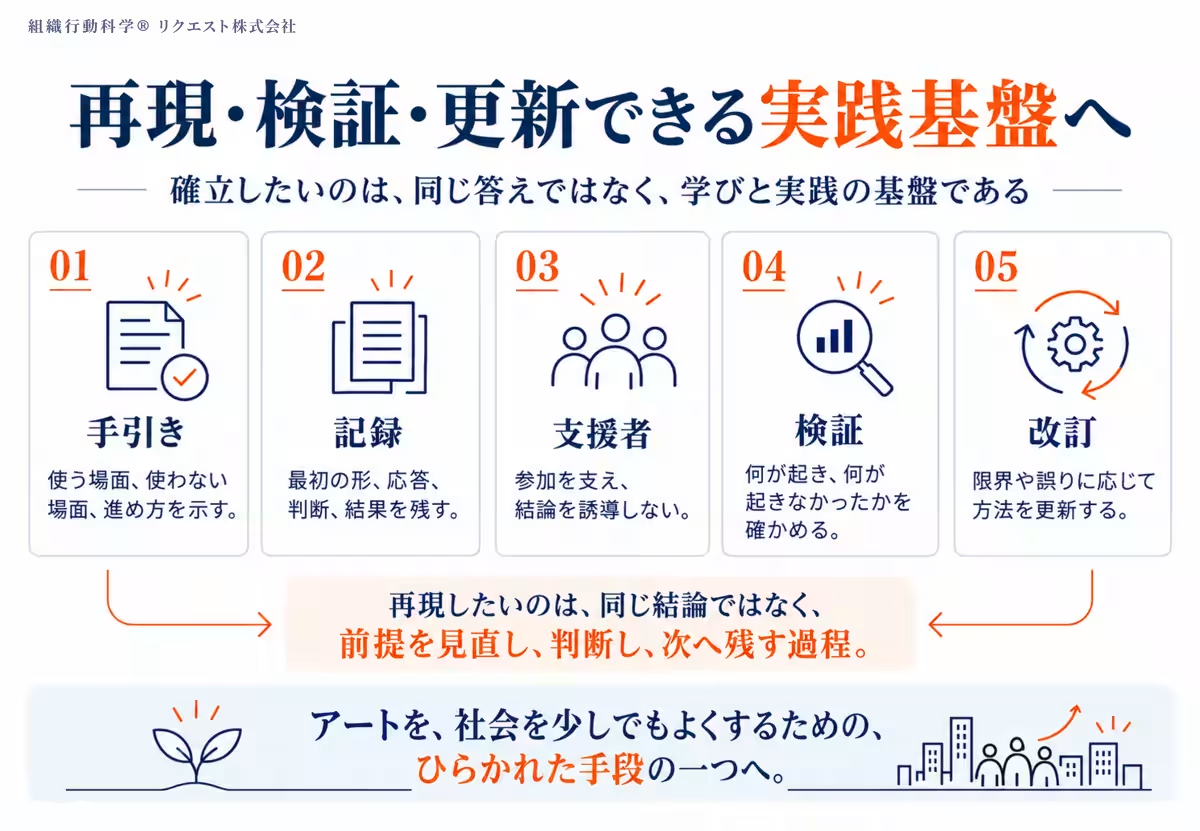
The report provides ten illustrations to encapsulate the major ideas discussed and includes a full PDF that offers deeper insights into methodologies and rationale.
Key Discoveries in Art Thinking
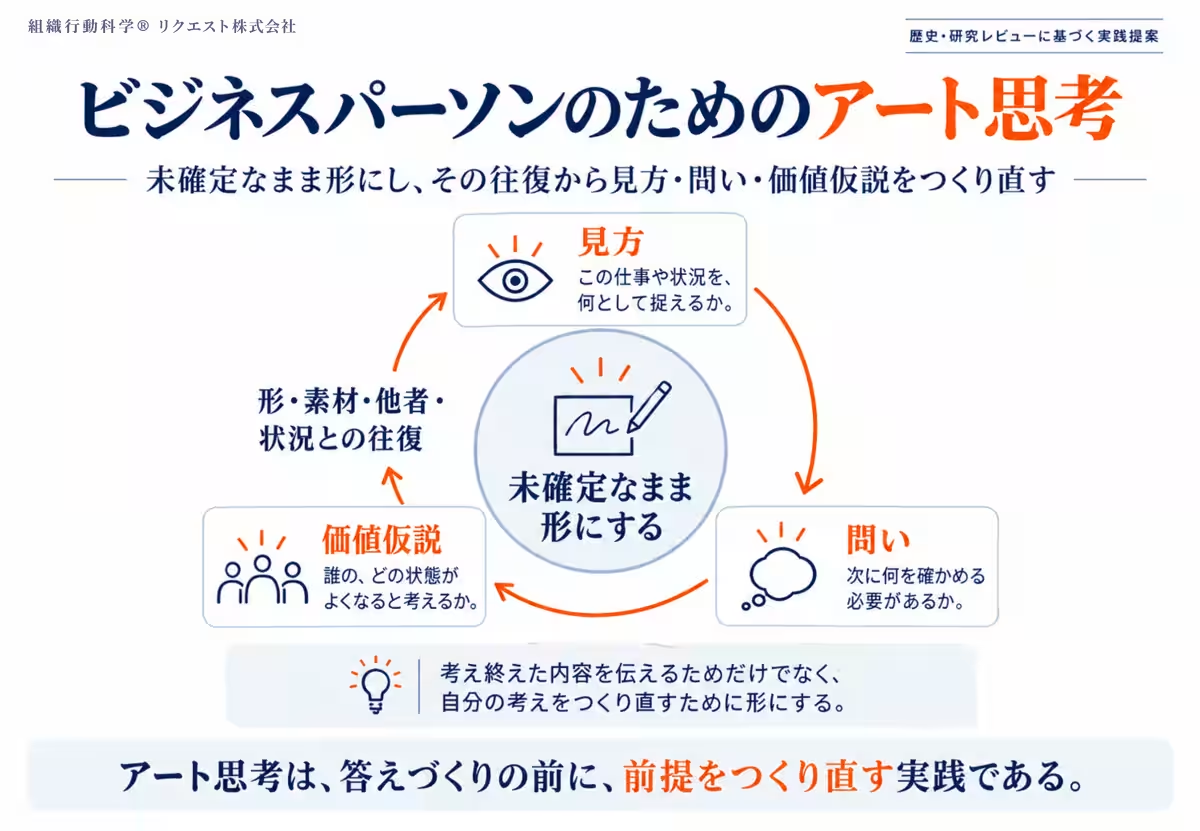
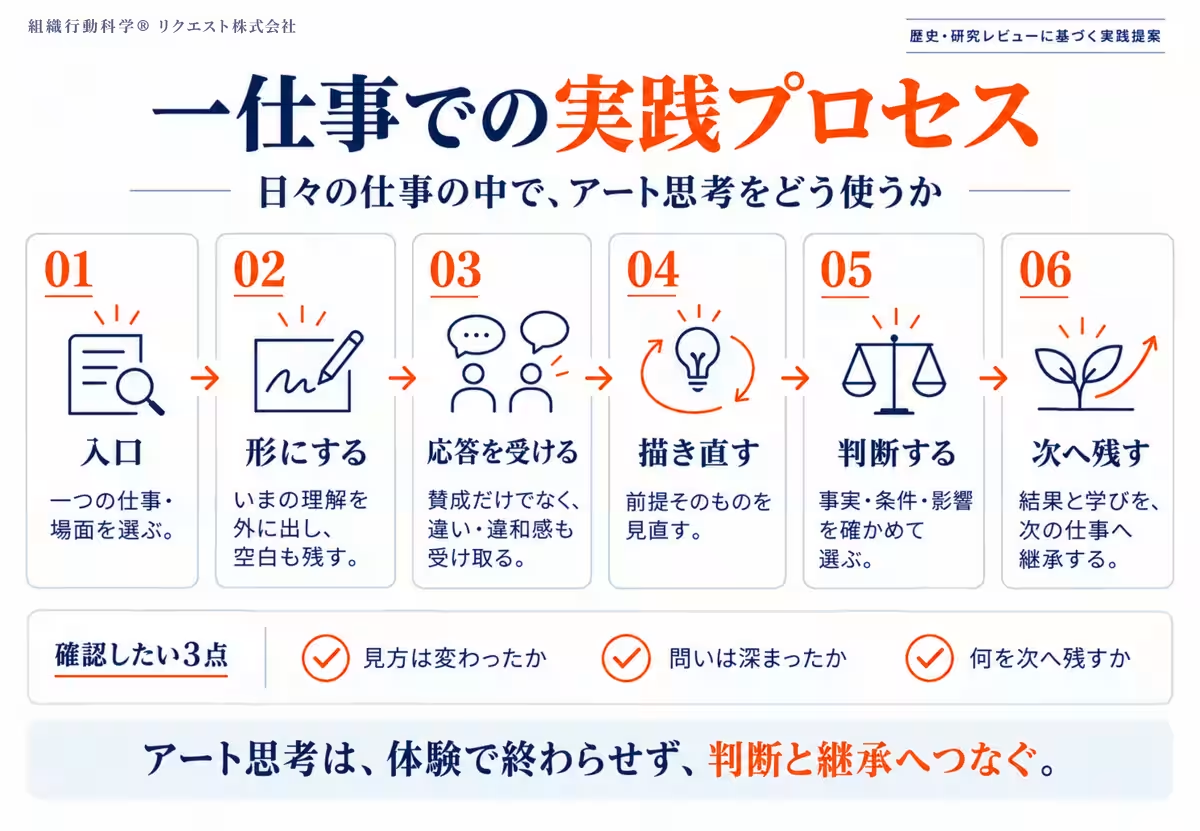
The question at the heart of the report investigates what businesspeople can learn from art thinking. The focus is on cultivating the ability to refine one's sensitivity, challenge common assumptions, and develop personal inquiries. However, for these concepts to be practically applied in workplace settings, it is crucial to clarify specific processes, interactions, and responses that help professionals engage with art effectively.
Historical analysis reveals that art is not merely about products; it encompasses learning processes, collaborative environments, and the very conditions that allow creativity to flourish. By looking at past movements like Arts and Crafts, Bauhaus, and even the collaborative work of ukiyo-e artisans, the report underscores the importance of collective structures in facilitating artistic creation.
Making Art Accessible
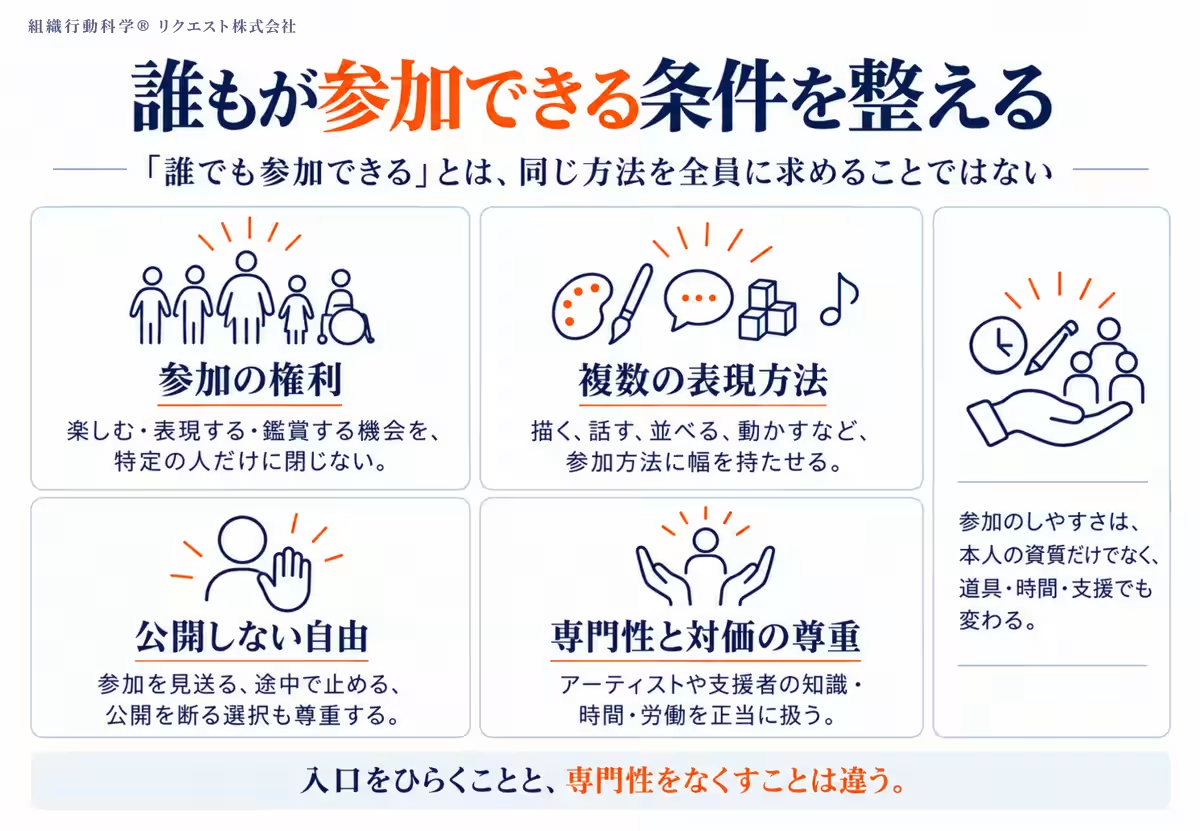
"Accessible for everyone" does not imply demanding uniform output from all participants. Instead, it advocates for an environment where individuals can choose their methods, acquire the necessary knowledge, tools, and support, thus ensuring a diverse range of expressions. The report acknowledges that participation is voluntary, and respects individuals who may choose not to engage fully. Furthermore, it positions the enjoyment and appreciation of art as essential in and of themselves, beyond just their utility in work.
Redefining Sensitivity and Creativity
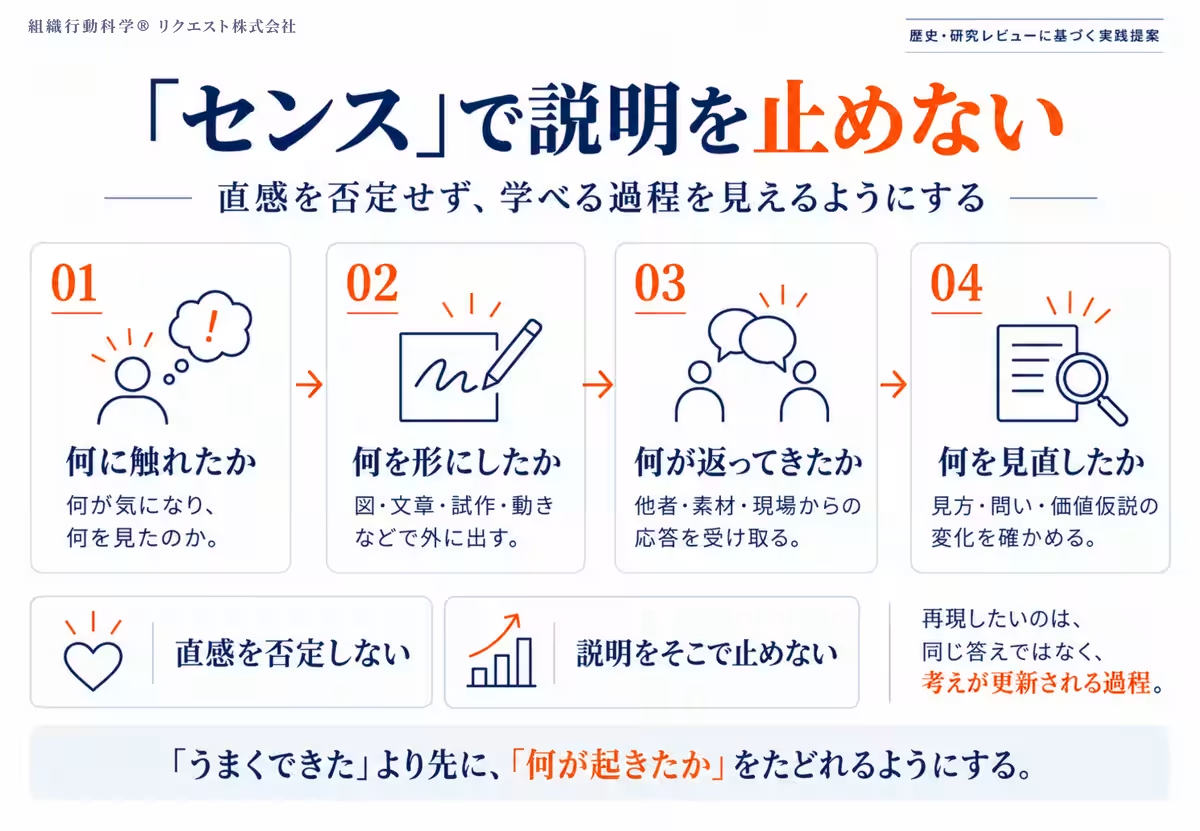
Sensitivity and intuition are often sidelined in professional contexts, and the report challenges this perception. It emphasizes that creative capabilities should not be dictated by inherent talent alone. By documenting processes and experiences, individuals can gain insights into what can be shared with others, transforming personal artistry into collective learning opportunities.
Additionally, the report urges participants to reflect not only on their creative outputs but on the nature of the work itself, striving for clarity in their objectives and expected outcomes. This reflexive practice opens pathways for deeper understanding and appreciation of the collaborative nature of artistic work.
Maintaining Connections and Building Futures
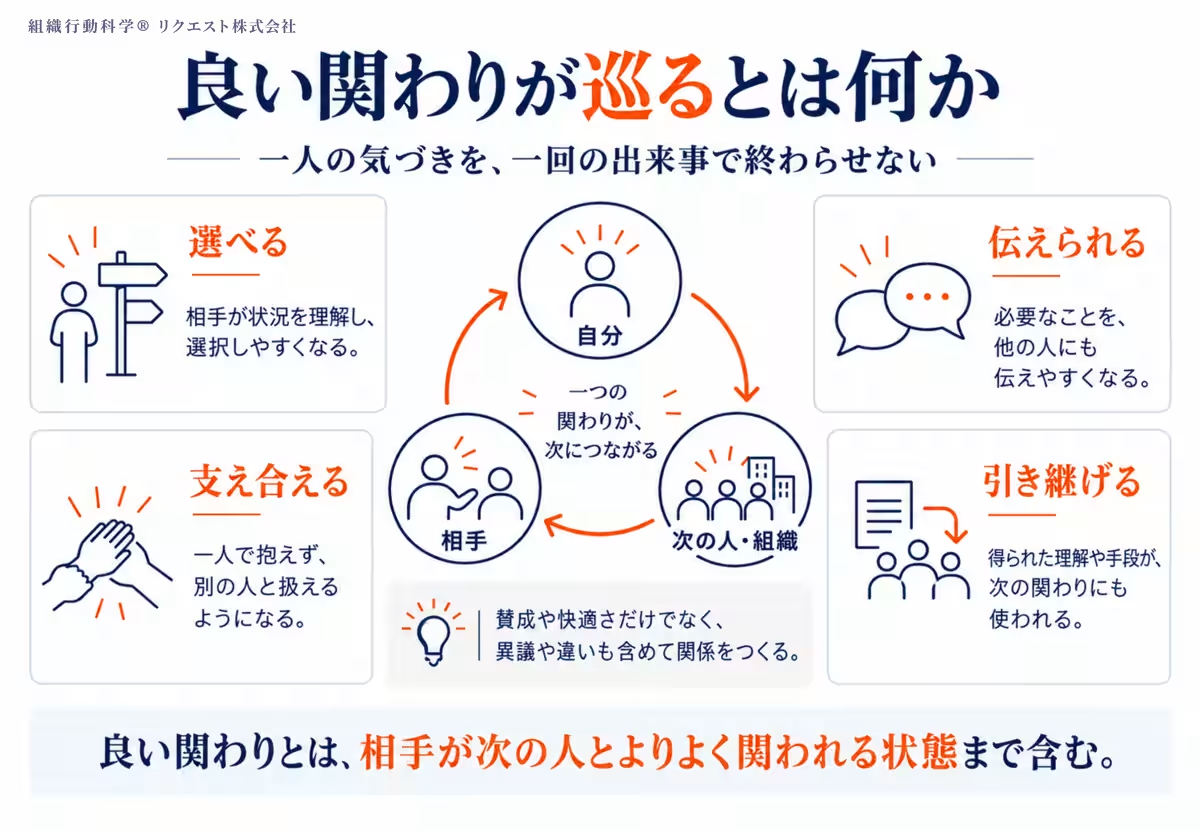
The report advocates for lasting relationships rather than one-time interactions. The goal is to foster a space where understanding can flow both ways: where everyone can express their thoughts, choices, and even dissent. By doing this, it encourages healthy dialogues that ensure the skills and insights gained are passed on to future participants.
Collaborating with AI
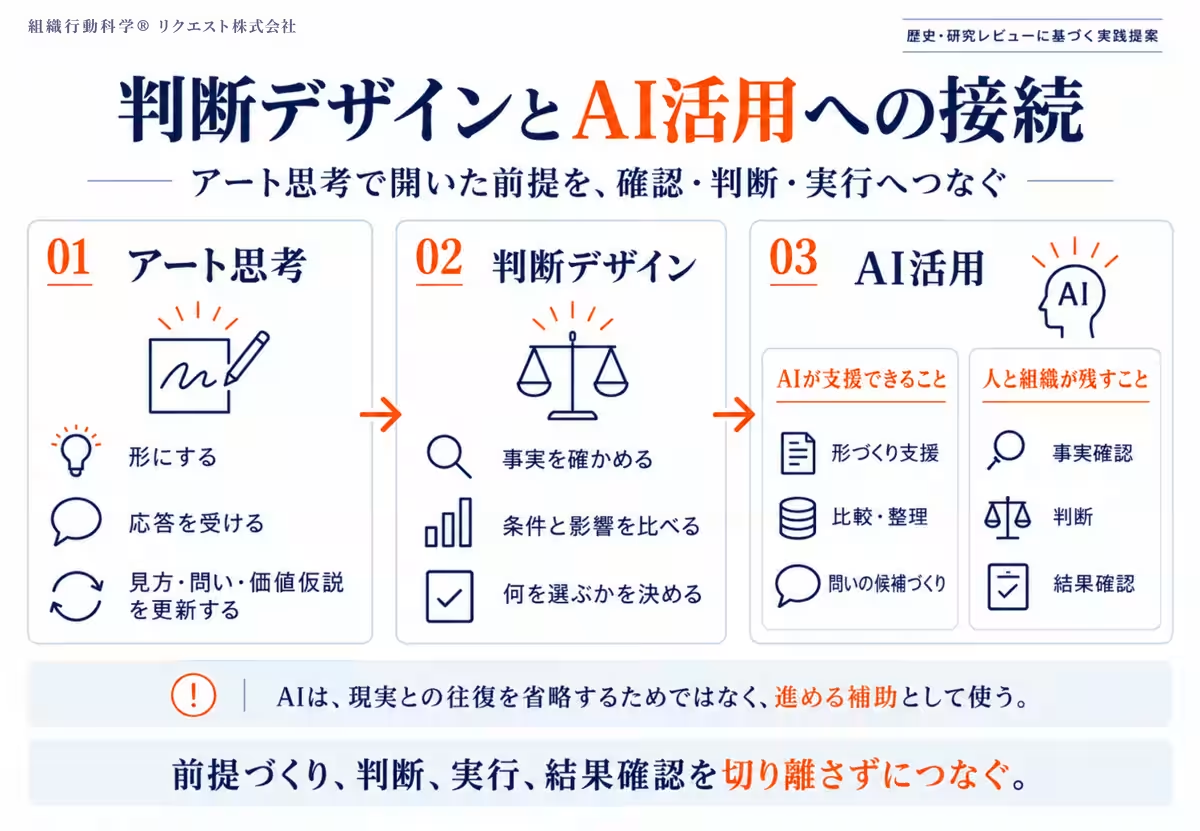
In today’s digital age, integrating AI in artistic processes is not just feasible but necessary. The report discusses how AI can support creative endeavors by organizing records, suggesting different approaches, and helping maintain connections across creative work. However, it cautions against relying solely on AI-generated data to replace human engagement and understanding.
Looking Toward Tomorrow's Industries
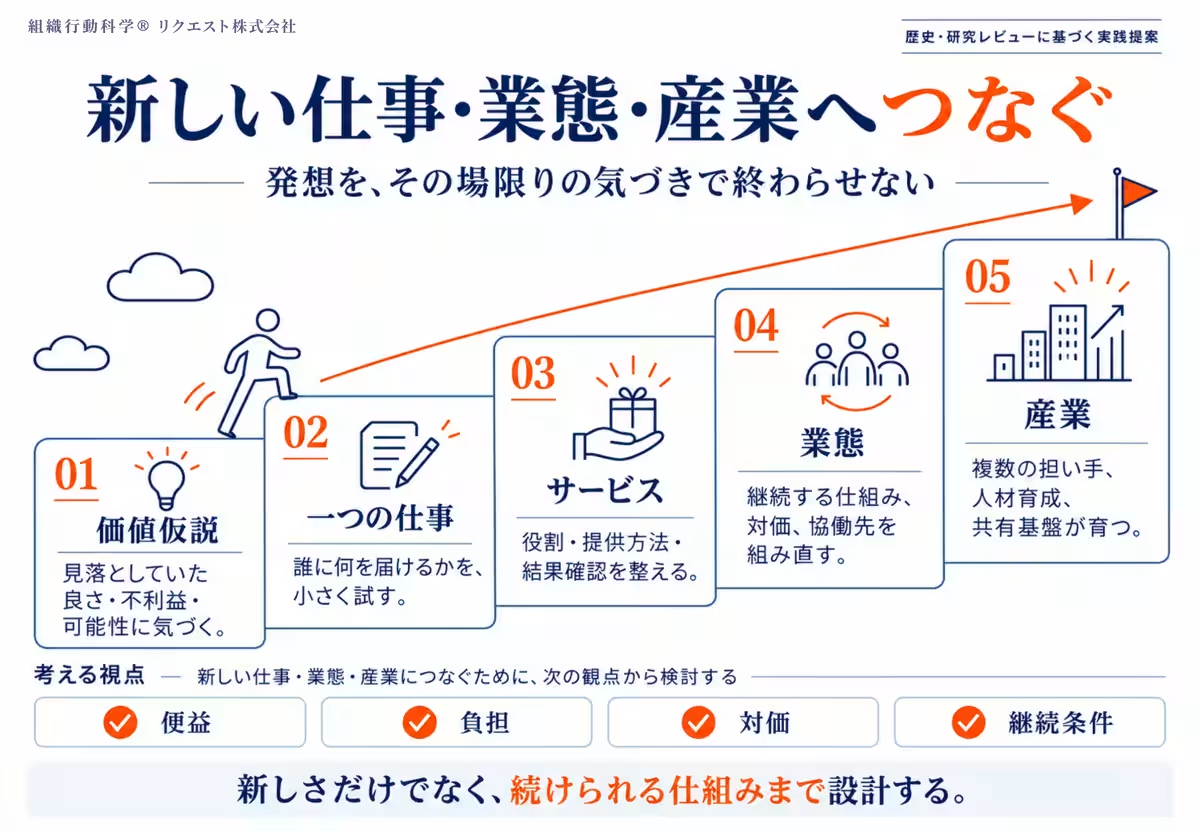
Finally, the report stresses the significance of reconnecting with the core purpose of creative work—what value it provides to individuals and society as a whole. Such clarity can help design new industries that benefit from the infusion of artistic thought alongside practical business strategies.
In summary, Request Inc. is setting the stage to redefine the role of art in professional contexts, making it an integral part of understanding, learning, and collaborating in diverse environments.
Appendix and Additional Resources
The full report includes additional appendices, featuring historic timelines and practical recording formats for personal and organizational use, ensuring that readers can implement their learnings in tangible ways. By making these resources available, Request Inc. not only promotes art thinking but also opens its doors for dialogue, discovery, and innovation for all.
For more information and to download the full PDF report, visit Request Inc.’s official website.

Topics People & Culture)




【About Using Articles】
You can freely use the title and article content by linking to the page where the article is posted.
※ Images cannot be used.
【About Links】
Links are free to use.