


Non-Monetary Rewards: Key to Employee Retention in 2023
The Importance of Non-Monetary Rewards in Employee Retention
In the context of the current labor market dynamics, a recent survey conducted by OKAN, a company based in Toshima, Tokyo, sheds light on the significance of non-monetary rewards in retaining employees. With the increasing challenges posed by a shrinking workforce and rising costs of living, many businesses are recognizing the limitations of monetary compensation alone in ensuring employee satisfaction and engagement.
Overview of the Survey
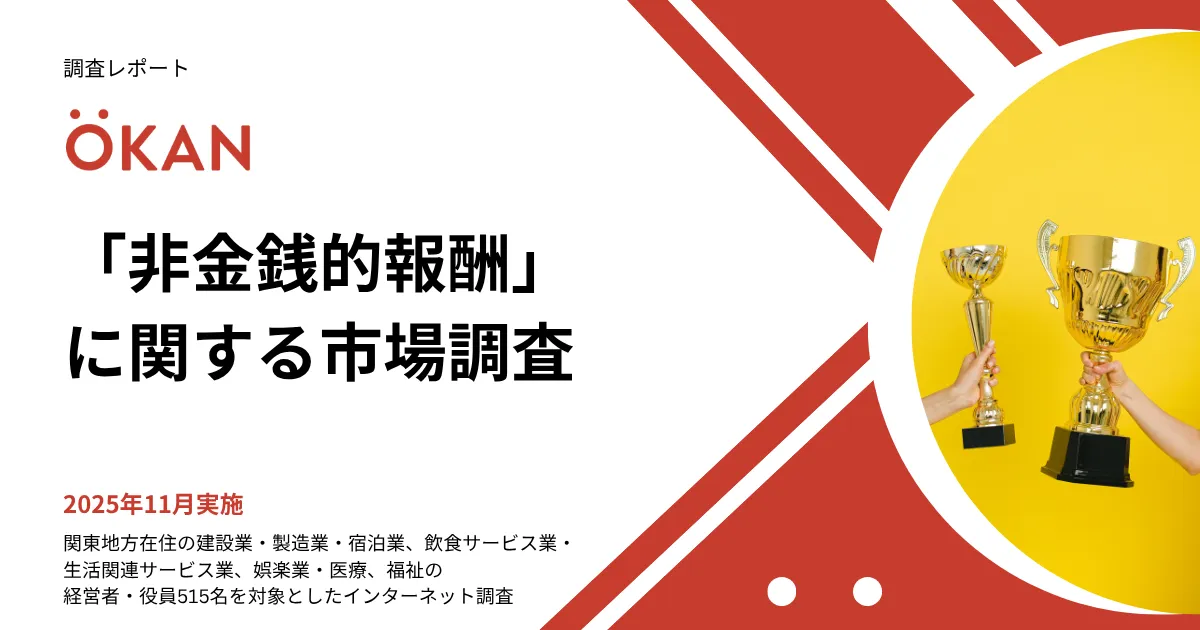
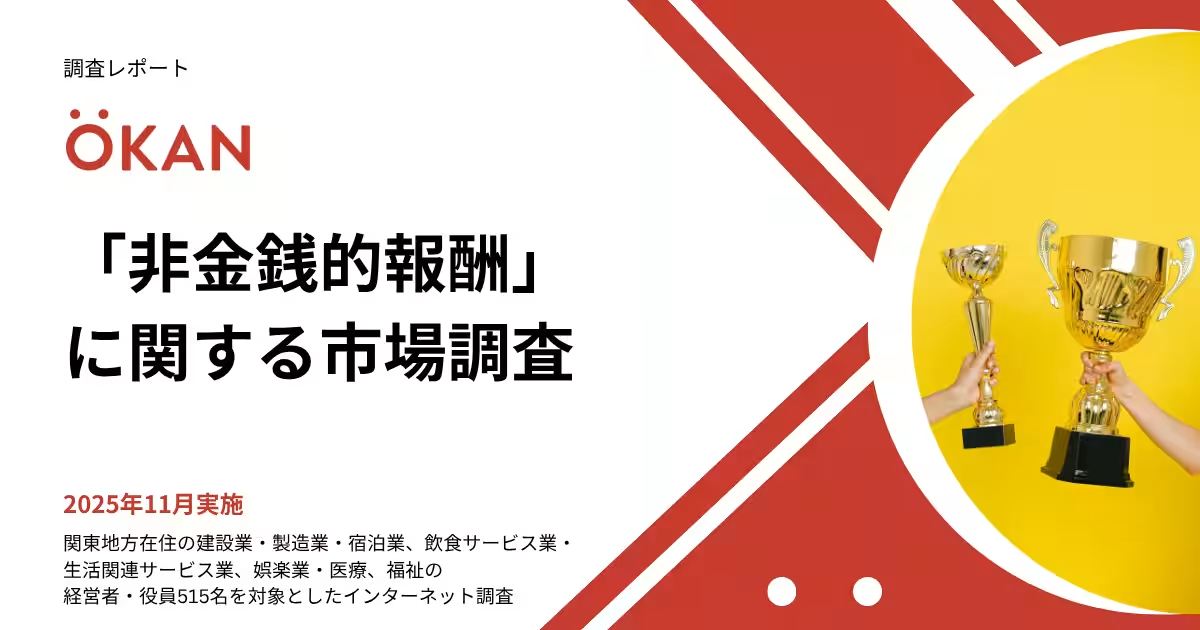
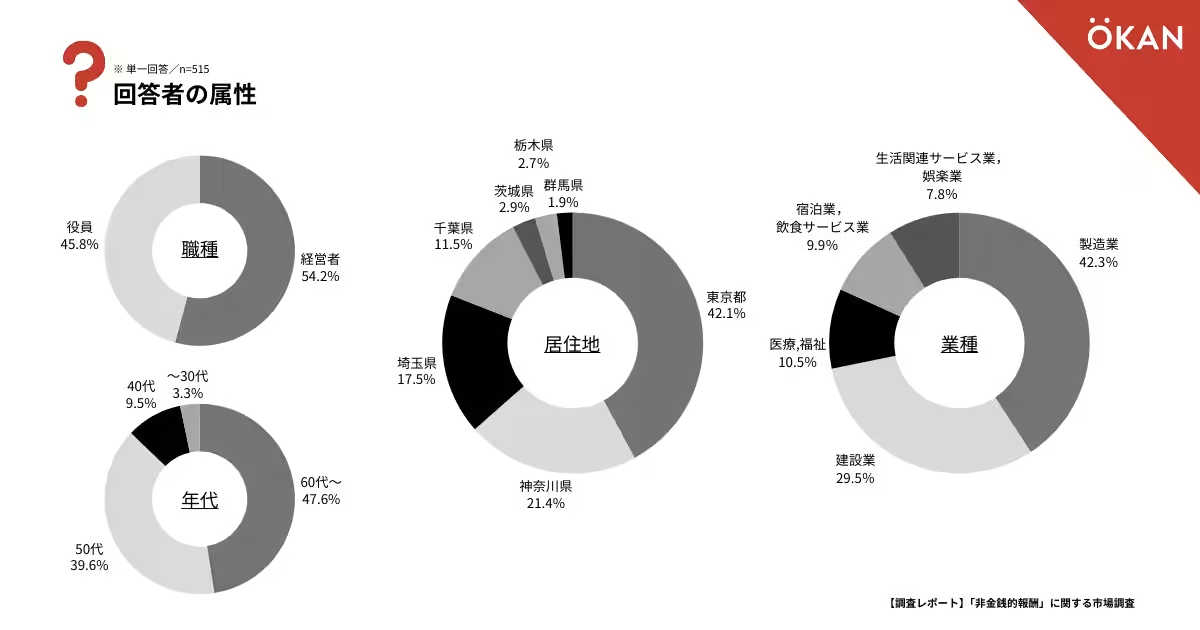
The survey encompassed responses from 515 executives and business owners in the Kanto region, representing industries including construction, manufacturing, healthcare, hospitality, and ancillary services. The findings reveal crucial insights into corporate investment strategies regarding employee satisfaction.
Key Findings
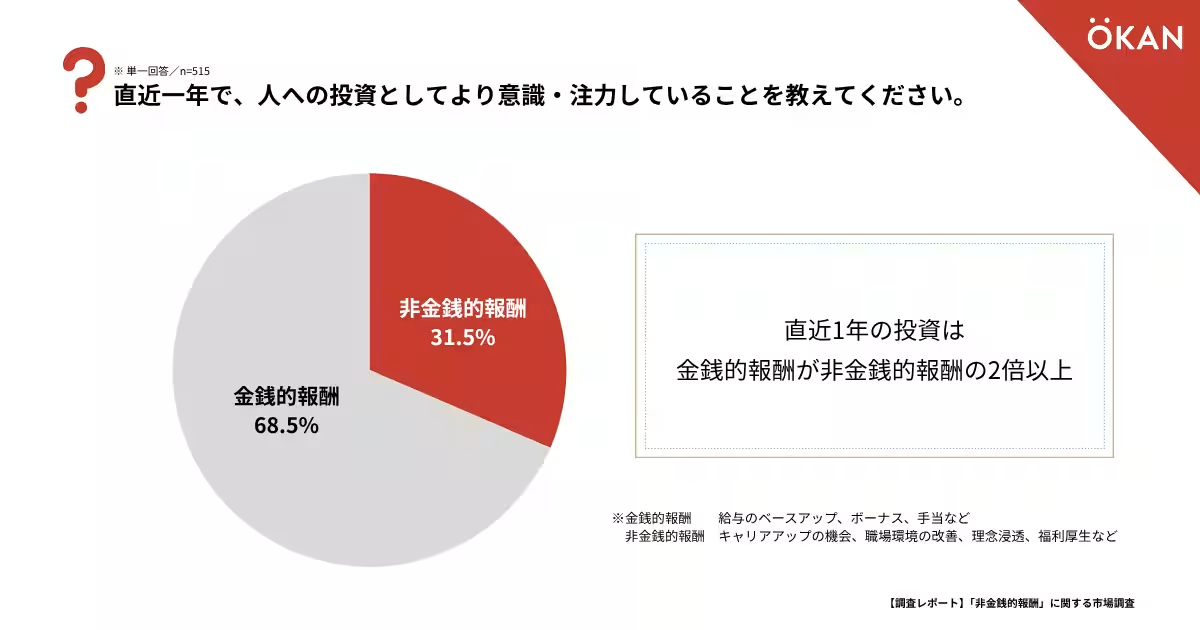
- - Monetary Investments Dominate: A significant 68.5% of businesses reported that their recent investments in employee welfare mainly focused on monetary rewards, which was over double the attention given to non-monetary rewards, which stood at 31.5%.
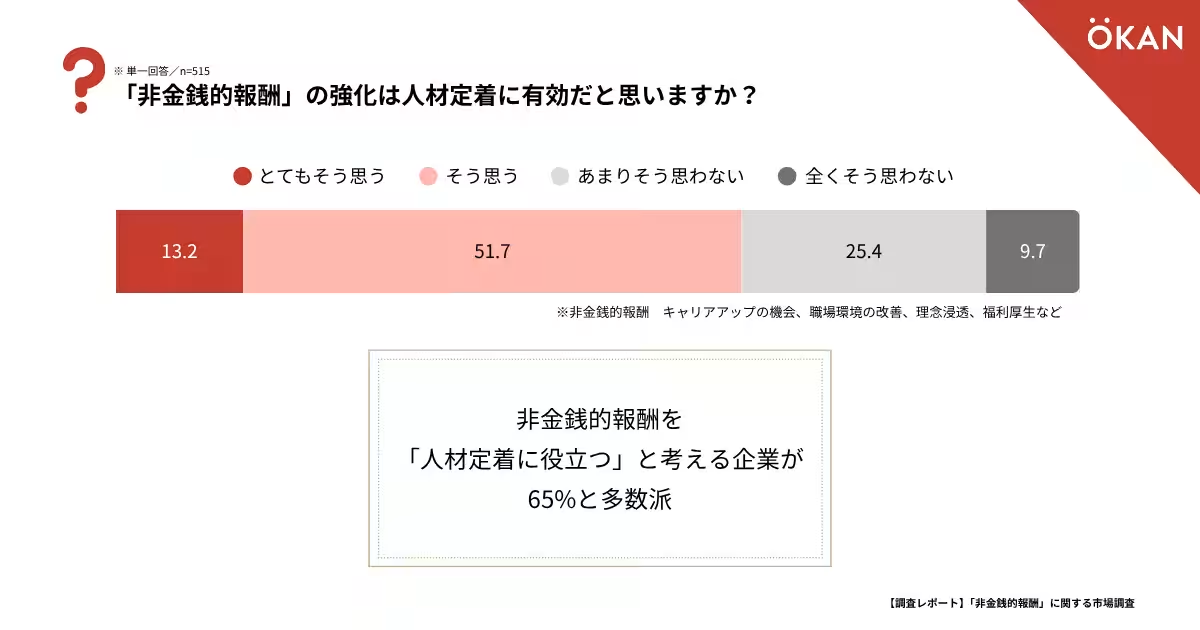
- - Effectiveness of Non-Monetary Rewards: About 65% of the surveyed executives believe that non-monetary rewards play an effective role in enhancing employee retention.
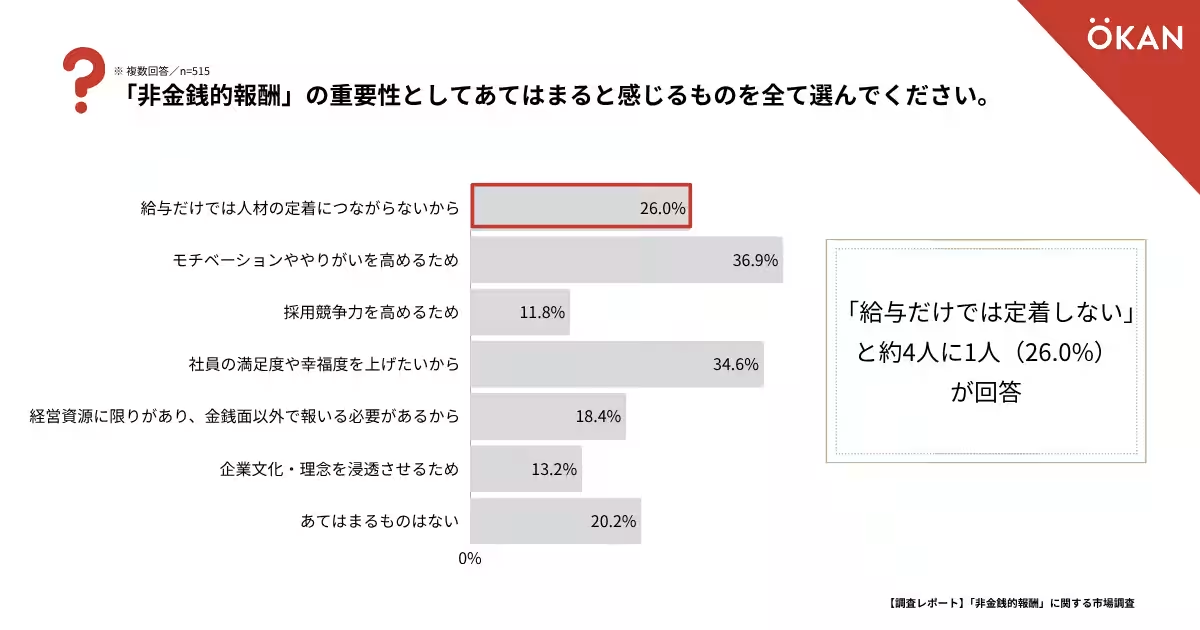
- - Focus on Motivation: The primary reasons for boosting non-monetary rewards center on enhancing motivation and overall happiness within the workplace.
- - Recognition of Monetary Limits: Notably, approximately 26% of respondents acknowledged that salary increases alone are insufficient for retaining talent.
The Changing Landscape of Employee Expectations
As the workforce ages and the economic environment changes, companies find themselves in a transition period, where merely increasing pay is no longer a guaranteed method for retaining employees. The survey indicates there is a clear need for organizations to supplement their compensation structures with non-monetary benefits. These may include professional development opportunities, improved workplace environments, wellness programs, and promoting meaningful work experiences. This holistic approach is vital in creating an appealing workplace for diverse talent.
Challenges and Opportunities
The results from the survey signify a growing consensus among executives that while monetary rewards are critical, they are not an adequate standalone solution to enhance retention and productivity. The tension between immediate monetary needs and the long-term value of non-monetary rewards is palpable in the responses, indicating a potential shift in corporate strategy.
Strategic Investments for the Future
The increasing recognition of non-monetary rewards symbolizes an opportunity for companies to foster a more engaged workforce. Enterprises that prioritize such investments are more likely to attract and retain top talent in an increasingly competitive labor market. With over half of the respondents advocating for the importance of non-monetary rewards, businesses may need to rethink their compensation strategies for sustainable growth. Integrating these rewards into the heart of human resource policies can produce positive outcomes not only for employee satisfaction but also for organizational success.
Conclusion
As OKAN outlines its mission to create environments that prevent unwanted turnover, the findings reflect a significant shift in how organizations approach human capital investment. A balanced approach combining monetary and non-monetary incentives could provide the blueprint for thriving workplaces in the coming years. Companies must invest strategically to cultivate workplaces that support employee well-being and longevity, proving that effective talent retention is as much about supporting employee happiness and motivation as it is about salary compliance.
The current trend signals that organizations will need to implement comprehensive measures addressing both financial and non-financial aspects of employee satisfaction to foster an environment conducive to success. The journey to building a workplace that employees wish to be a part of is ongoing, but through informed strategies and innovations like those proposed by OKAN, progress is not only possible but essential.
Topics People & Culture)




【About Using Articles】
You can freely use the title and article content by linking to the page where the article is posted.
※ Images cannot be used.
【About Links】
Links are free to use.