



Over 40% of Parents Want Their Children to Receive Art Education in the AI Era
Art Education in the AI Era: A Parental Perspective
In a rapidly changing world, particularly due to advancements in generative AI and globalization, the skills required in society are evolving. Fuyo Educations Co., Ltd., based in Bunkyo, Tokyo, has conducted a survey targeting parents of elementary and middle school students. The findings underline parental concerns regarding their children's education, especially in the realm of art.
Background
As technological advancements automate various routine tasks, there is an increasing emphasis on creativity and emotional intelligence—skills that cannot be easily replicated by machines. In this context, parents face the challenge of nurturing their children’s capabilities beyond traditional education. Art education is gaining traction as a vital means of fostering these skills. However, it remains unclear whether parents perceive it merely as a hobby or as a critical part of their children's skill development for the future.
Survey Highlights
The survey conducted from December 10 to December 11, 2025, showed intriguing insights:
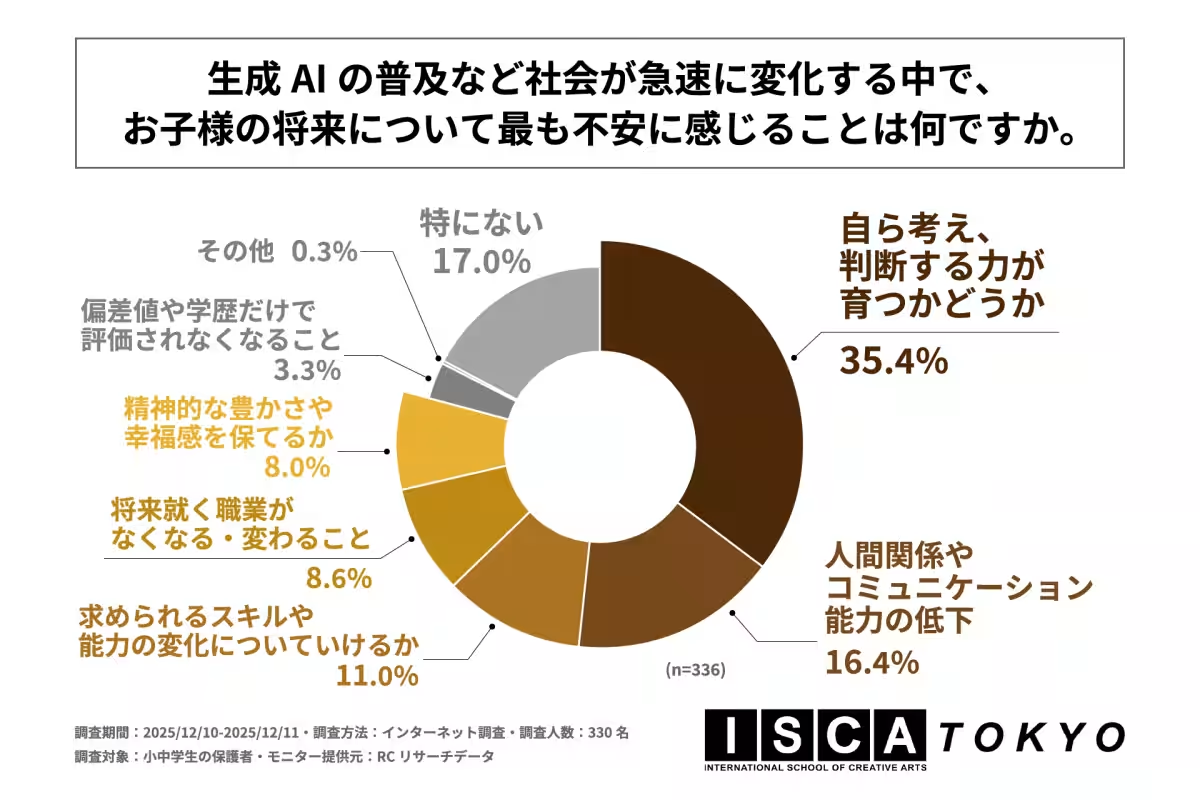
- - Concerns about Future Skills: The primary concern among parents regarding their children’s future, especially in light of generative AI, is whether their kids will develop autonomous thinking and judgment skills. This issue was highlighted by 35.4% of respondents.
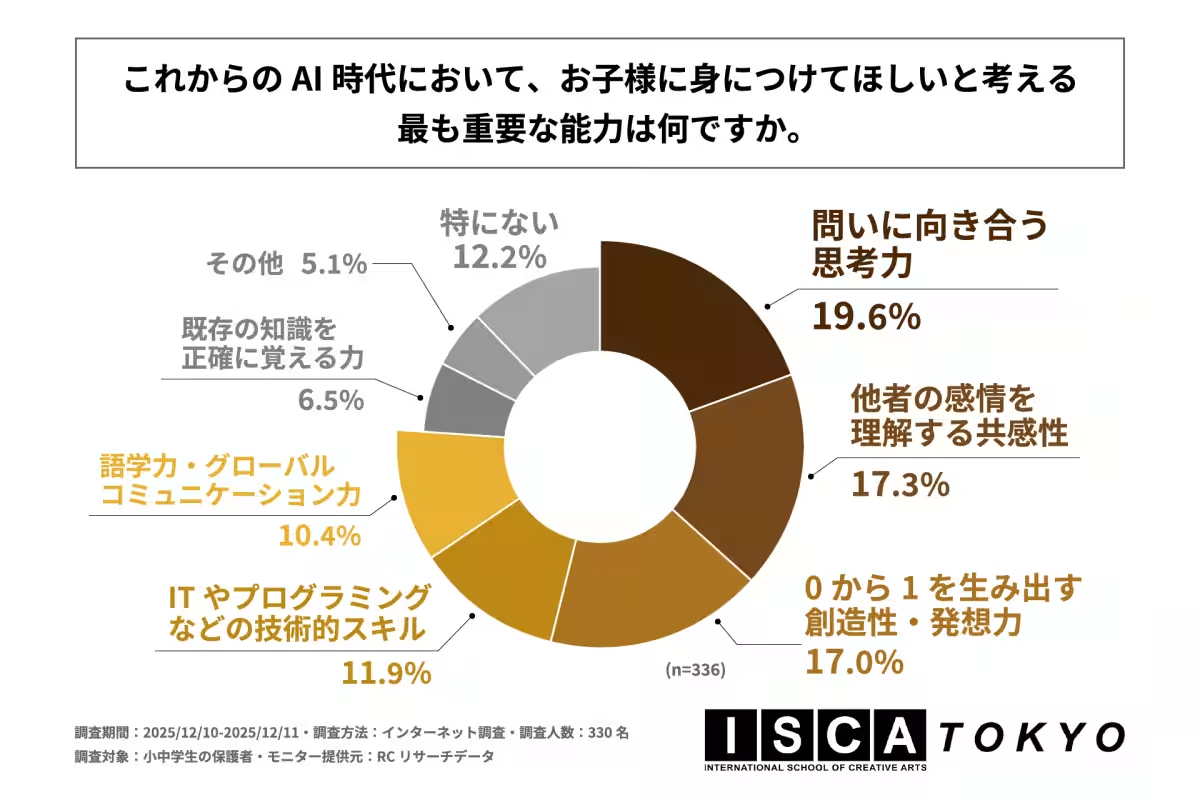
- - Desired Skills in the AI Era: Many parents expressed that the ability to confront questions critically is what they most want their children to learn. This was reflected in the survey, with 19.6% ranking it as the most important skill for the future.
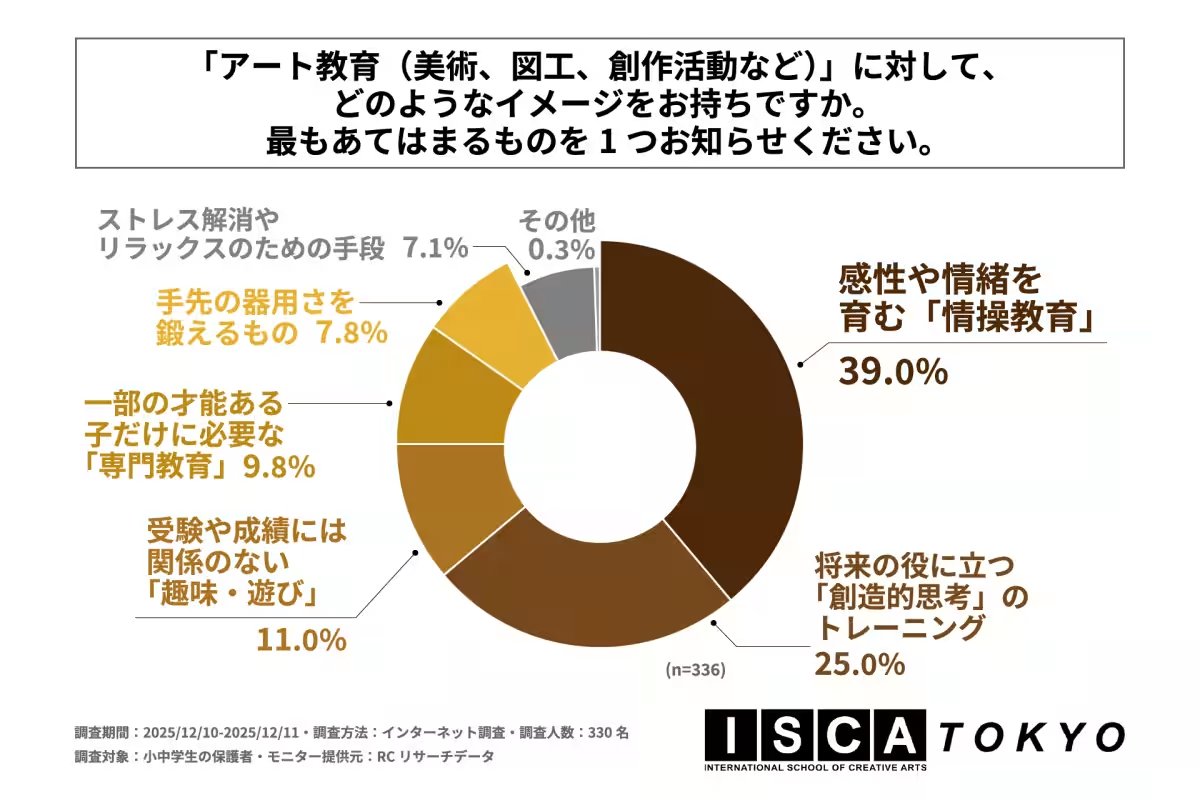
- - Perceptions of Art Education: Parents mainly view art education as a means to cultivate emotional sensitivity and creativity, with 39% associating it with emotional education and 25% with training for creative thinking.
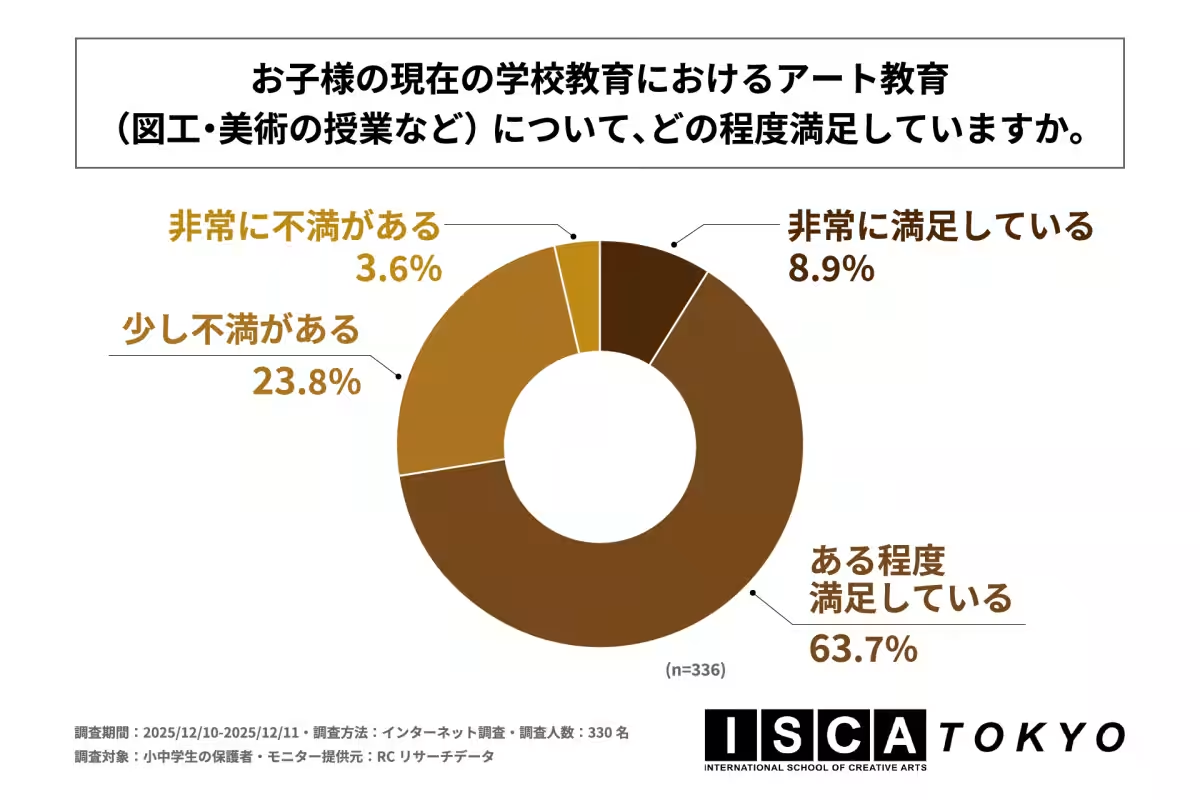
- - Satisfaction with Current Art Education: Approximately 70% of parents reported satisfaction with the current art education provided in their children's schools, indicating a positive view about existing programs.
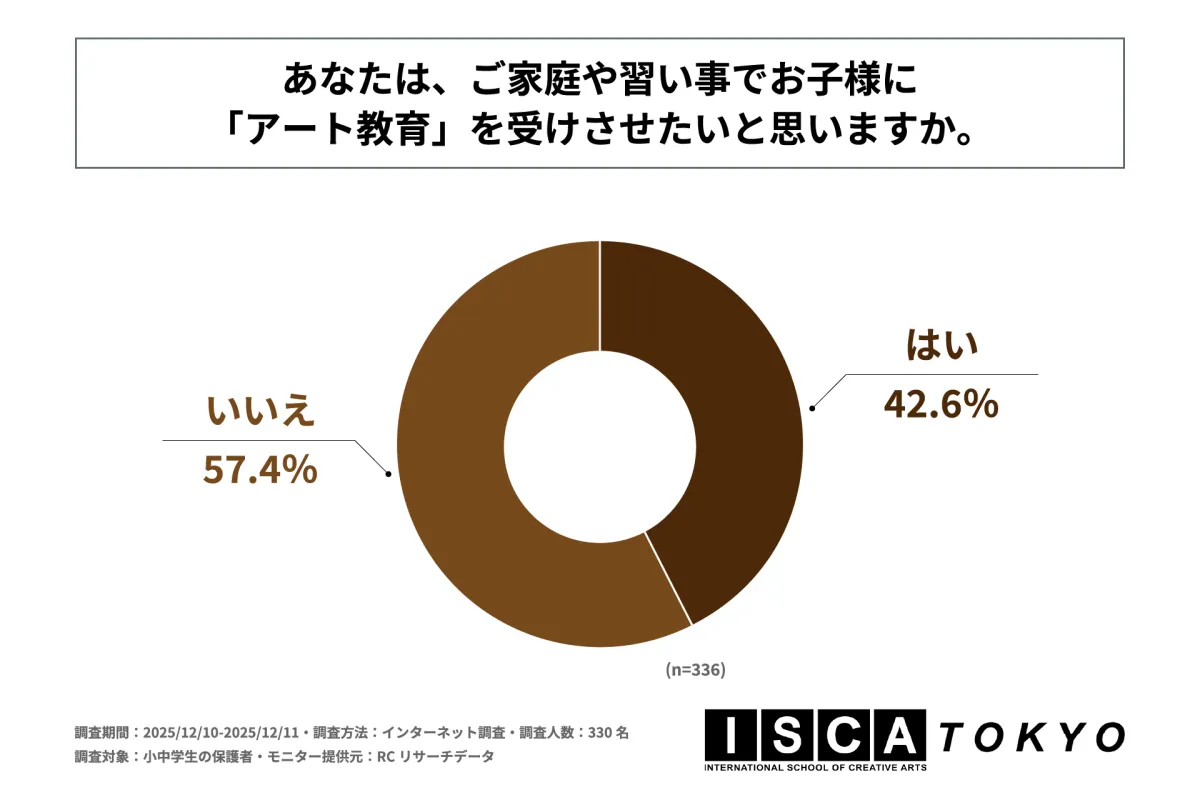
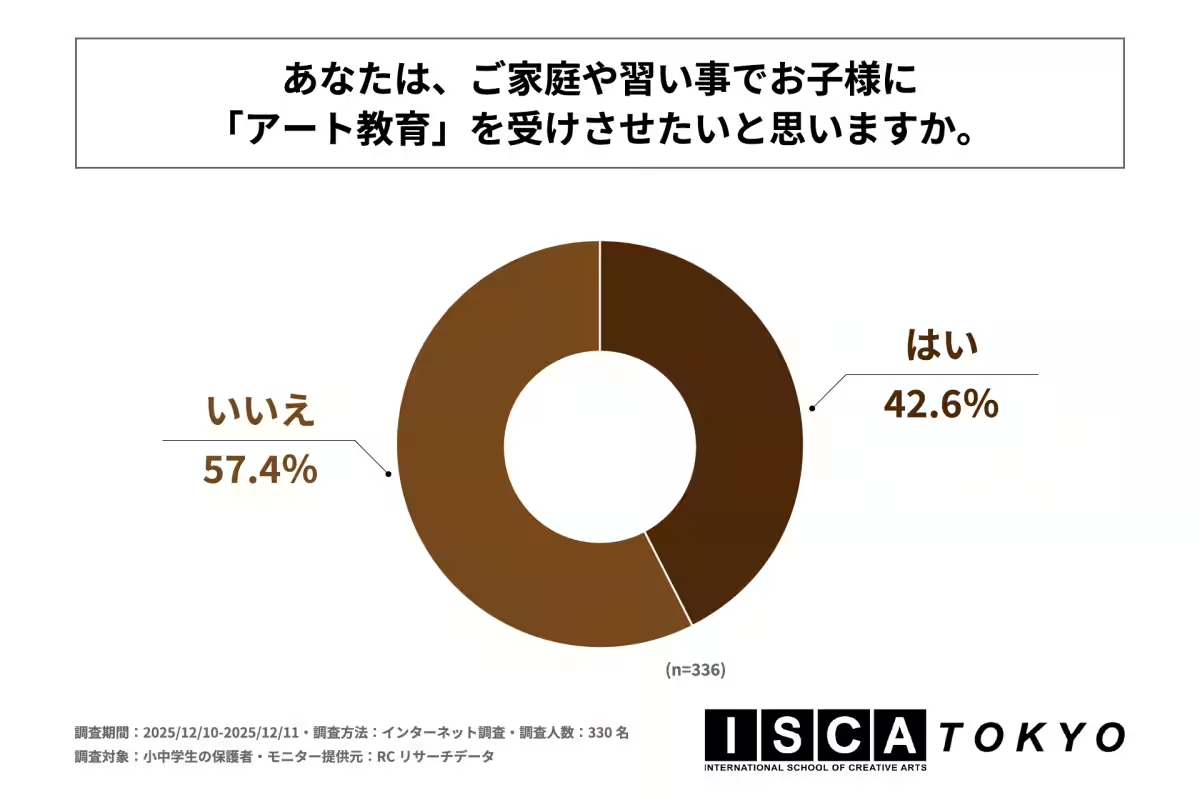
- - Interest in Additional Art Education: Over 40% of parents indicated they would like their children to receive art education through extracurricular activities or home-based learning.
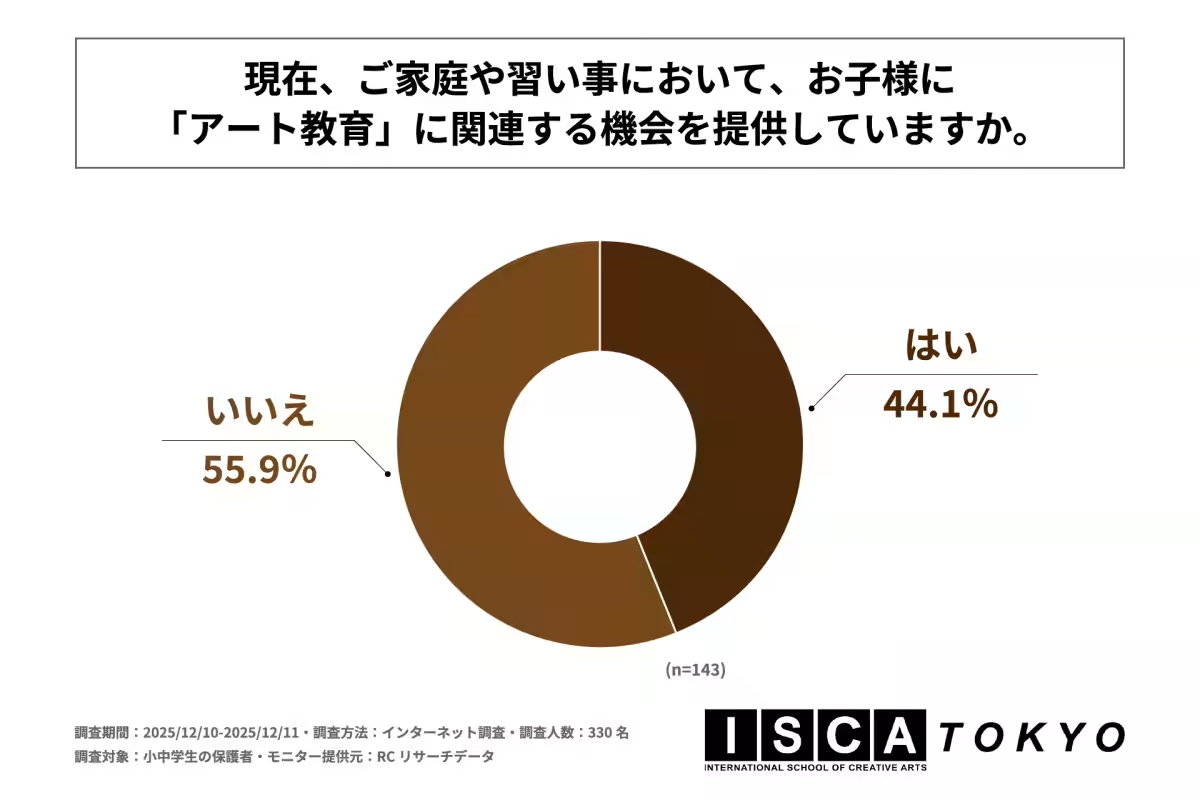
- - Current Opportunities: Of those parents eager for art education involvement, approximately 40% are already providing such opportunities for their children, showcasing a proactive attitude.
Summary of Insights
The survey illustrates that parental apprehensions focus primarily on whether children can cultivate the ability to think and make decisions independently. The desire for nurturing skills aligned with the AI era is evident in parents’ prioritization of critical thinking abilities, indicating a shift in educational values. Moreover, art education is recognized not just as a creative outlet but also as essential preparation for the future.
Conclusion
As the need for creative thinking grows in a society increasingly reliant on AI, ISCA TOKYO, operated by Fuyo Educations, aims to provide an educational environment that fosters questioning and analytical skills through art education. The institution offers an innovative online “Creative Arts Specialized Guidance School” based on the British educational model, featuring direct instruction from professional educators. This approach enables students to engage in thoughtful portfolio development, empowering them with the essential skills needed in the AI-driven age.
For more information about ISCA TOKYO and its mission to prepare students for prestigious global art universities, visit ISCA TOKYO official website or explore their Instagram for updates and highlights.

Topics Other)
【About Using Articles】
You can freely use the title and article content by linking to the page where the article is posted.
※ Images cannot be used.
【About Links】
Links are free to use.