



New Graduate Salary Insights for 2025 Reveal Generational Gaps in Expectations and Spending
Insights on Initial Salaries for New Graduates in 2025
PERSOL Career's research arm, JobQ, recently conducted a survey focusing on the initial salary expectations of new graduates in 2025. The survey included responses from 284 working adults, highlighting key differences in salary perceptions and spending habits between fresh graduates and those in their second year of employment.
New Graduate Salary Expectations
This year, several companies raised their starting salaries for new graduates into the 300,000 yen range, signaling a shift in response to rising living costs. While some seasoned employees express discontent over these increases relative to their own starting salaries, a significant portion of new graduates feel optimistic about their financial prospects. According to past surveys by JobQ, new employees in April 2022 averaged 236,000 yen, a figure that garnered high satisfaction ratings.
The recent survey focused on:
- Salary expectations of the new graduates of 2025
- Their impressions of these salaries
- How they plan to spend their first pays
Survey Overview
- - Participants: 284 registered users of JobQ Town
- - Demographics: Nationwide / Male and Female / Ages 20 to 50
- - Survey Period: April 15 - 16, 2025
- - Method: Online survey
Key Findings
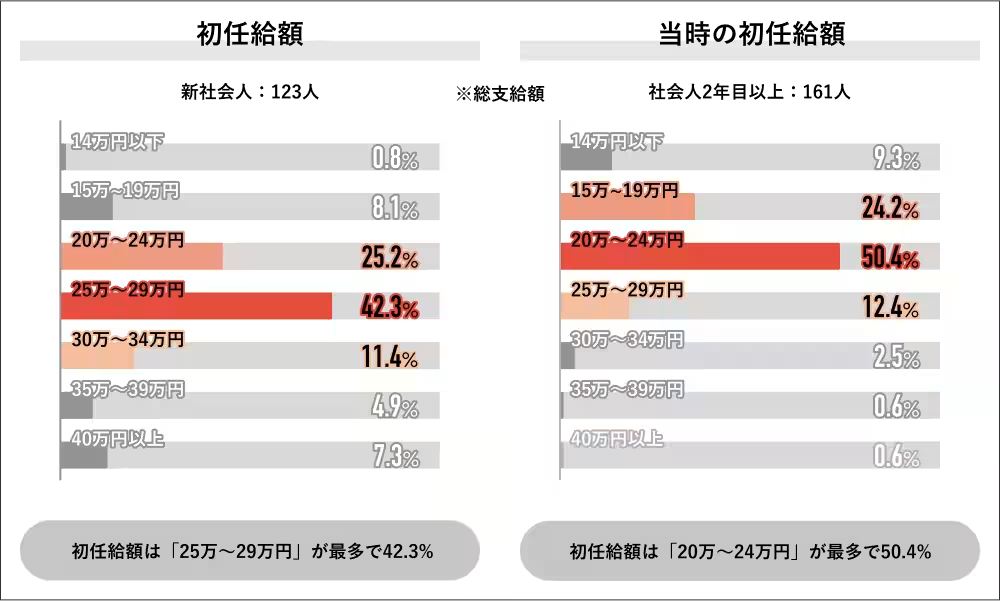
1. Most Common Starting Salary: Among 123 respondents who are new graduates, the highest percentage (42.3%) reported starting salaries of 250,000 to 290,000 yen.
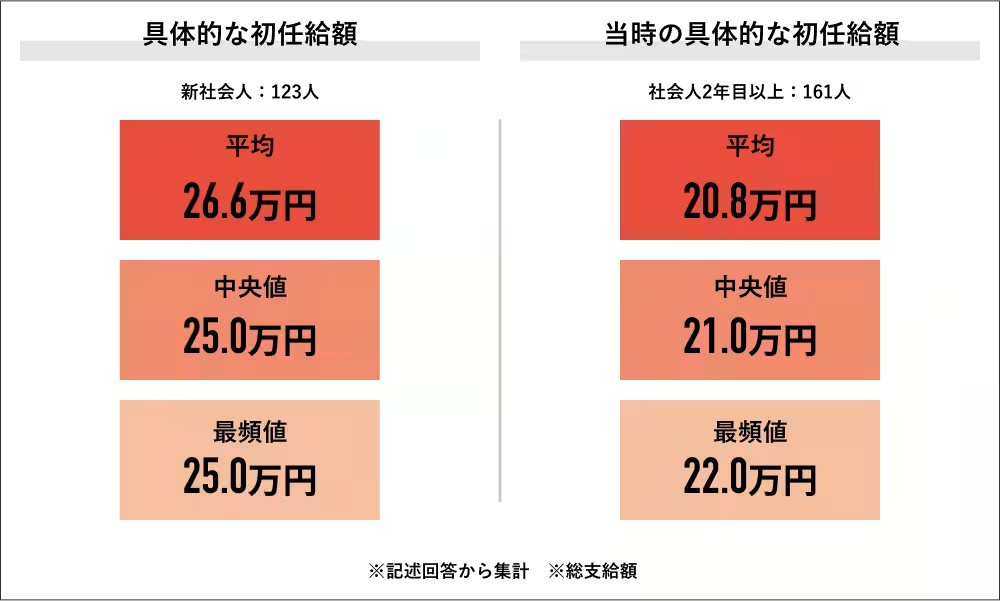
2. In Comparison: Those with two or more years of experience stated their highest starting salary was predominantly in the range of 200,000 to 240,000 yen, averaging 208,000 yen overall.
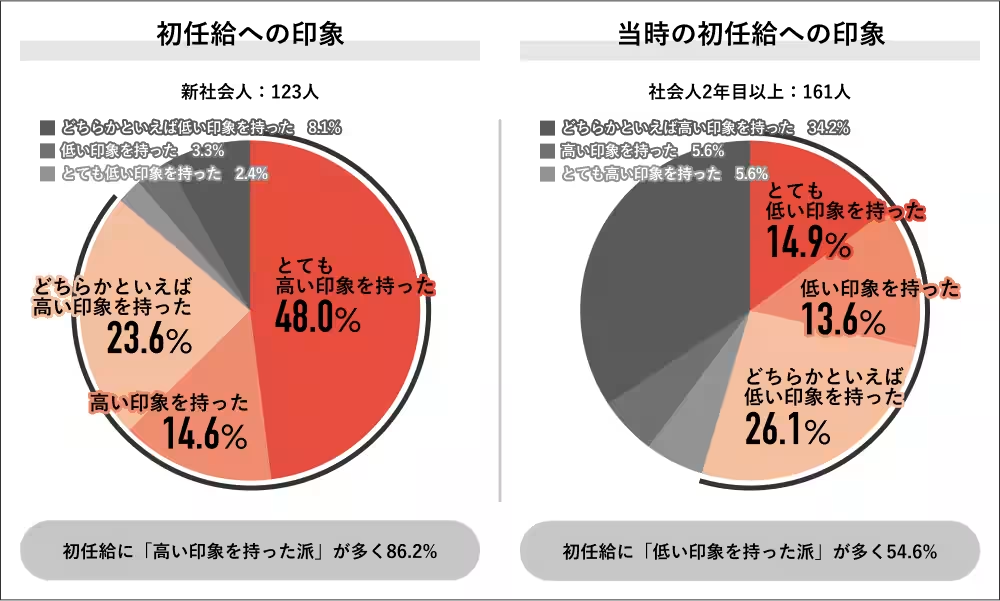
3. Impressions of Salary: A staggering 86.2% of the new graduates consider their initial salary to be relatively high, in stark contrast to over half (54.6%) of seasoned employees who found their early salaries disappointing.
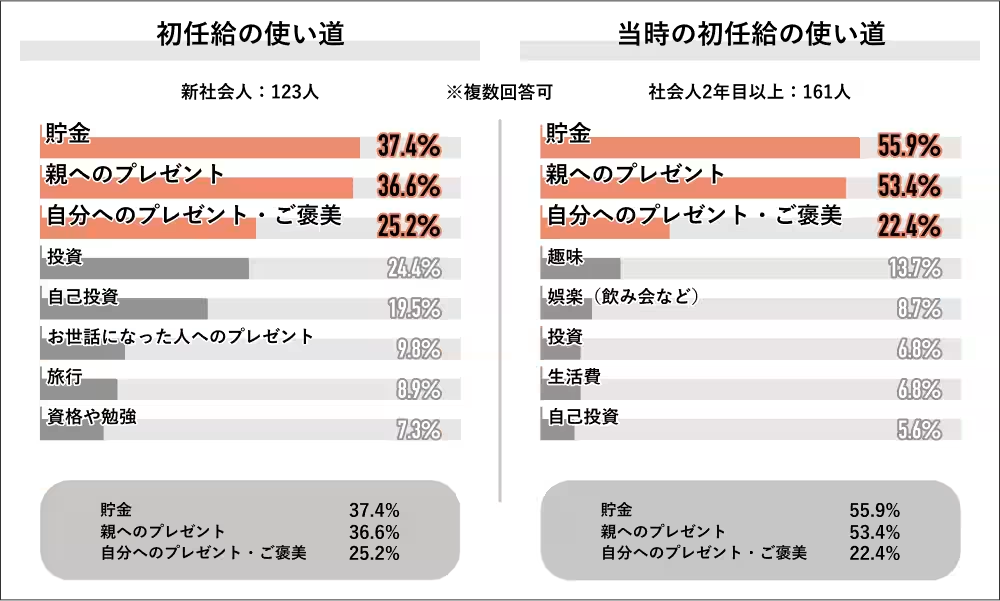
4. Spending Habits: The most common expenditure among new graduates was saving (37.4%), followed closely by gifts for parents (36.6%) and personal rewards (25.2%). In contrast, the second-year employees focused primarily on savings and gifts, but with a more substantial inclination towards personal expenses.
Detailed Comparative Analysis
When asked to pinpoint their exact starting salaries, new graduates averaged at 266,000 yen. For those with two years of experience, the average was notably lower at 208,000 yen.
The perception of initial salaries showed a clear divide: while the majority of new graduates felt their earnings were adequate or high, many experienced employees felt similarly low in comparison. This generational gap raises questions about the evolving value of money and wage perception in today’s economic climate.
Personal Insights from Participants
Participants shared their thoughts on the initial salary experience, reflecting on how their priorities change over time. New graduates expressed sentiments of gratitude while some admitted feeling guilty for earning during the training phase.
- - New Graduates: Comments highlighted their desire to invest their initial salary into memorable experiences and family rewards.
- - Seasoned Employees: Reflections included regrets over spending frivolously rather than saving, wishing they had utilized their first paychecks to express gratitude towards their parents.
Conclusion
The “2025 Initial Salary Insight Survey” indicates a marked contrast in expectations across different generations, shedding light on the increasing starting salaries for new graduates in Japan. While fresh graduates generally feel optimistic about their earnings, veteran employees appear to have encountered greater hardships and lesser salary growth. As inflation concerns loom large, the corporate responses to salary adjustments will be crucial in addressing employee expectations and maintaining morale. As societal views on monetary value evolve, understanding intergenerational discrepancies in salary perception can enhance communication in the workplace.
JobQ's ongoing research aims to challenge conventional notions, providing transparent insights that support individual careers and foster a progressive working environment.


Topics People & Culture)
【About Using Articles】
You can freely use the title and article content by linking to the page where the article is posted.
※ Images cannot be used.
【About Links】
Links are free to use.