




Overview of Doda's 2025 Salary Fluctuation Report by Age Group
Overview of Doda's 2025 Salary Fluctuation Report by Age Group
PERSOL CAREER's job change service, Doda, recently released its "2025 Salary Fluctuation Report by Age Group". This report analyzes data from job switchers utilizing Doda's agent services from 2023 to 2025, focusing on salary changes and trends within the job market, particularly for individuals in their 20s, 30s, and 40s.
Key Findings and Market Trends
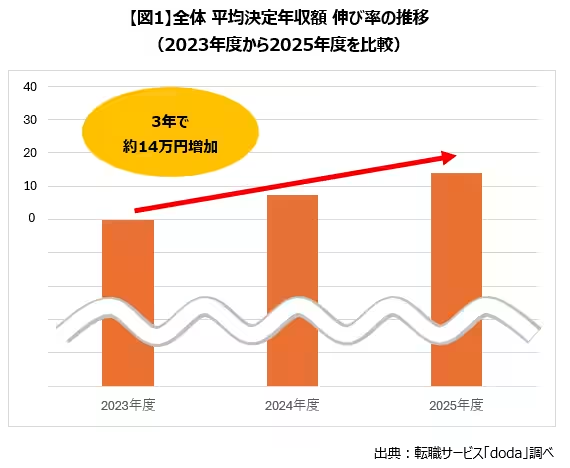
The overall average decision salary for job switchers who utilized the Doda agent services increased by approximately 140,000 yen over the three years from 2023 to 2025. The rise can be attributed to significant market changes following the pandemic, as well as an increase in demand for 'immediate talent' and specialized personnel.
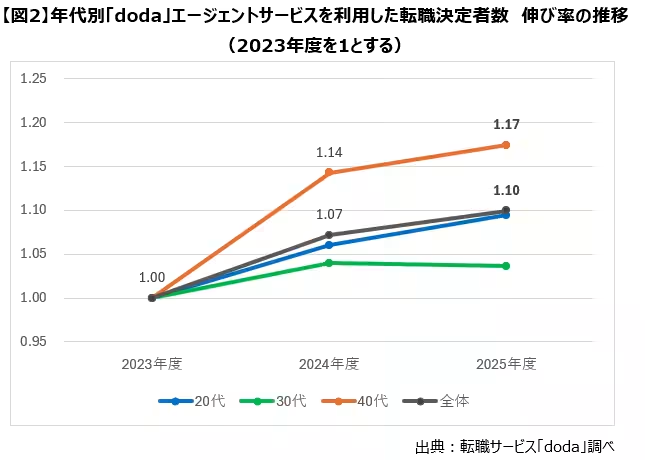
According to the report, the number of job switchers in their 40s has witnessed a significant 17% increase since 2023, pointing towards a rising need for experienced professionals amid a chronic labor shortage. This has caused a competitive environment for companies looking to attract talent.
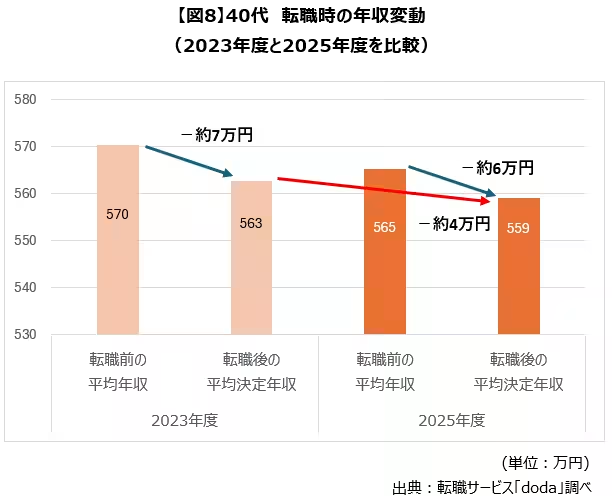
Conversely, while the average decision salary for job seekers in their 40s decreased slightly—by about 40,000 yen from 563,000 yen to 559,000 yen—the overall downward trend in salary reductions is narrowing. This suggests that many professionals in this age category are considering long-term career moves with increased responsibilities rather than merely chasing salary increases.
Age-Specific Trends
20s:
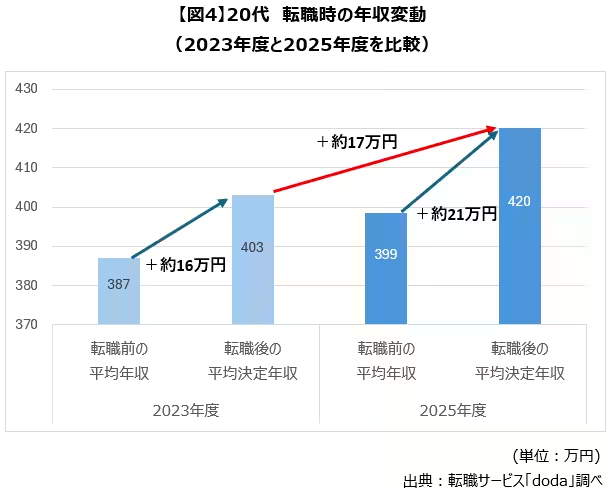
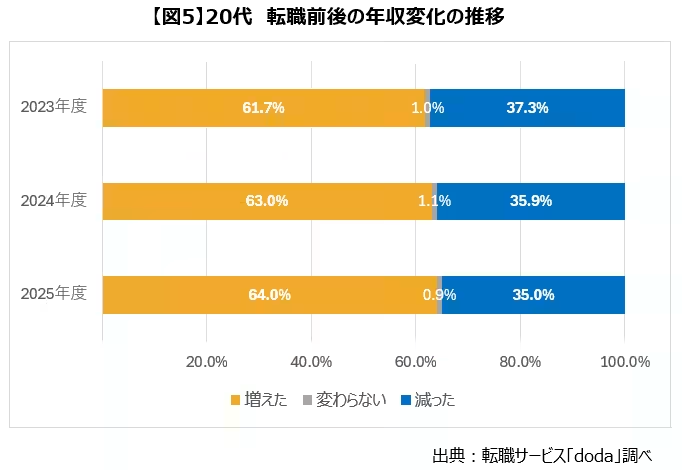
For individuals in their 20s, the average decision salary has risen significantly over the past three years by approximately 170,000 yen. Research shows that the average salary after changing jobs increased from 4,030,000 yen in 2023 to 4,200,000 yen by 2025. With a continuous increase in employment willingness from companies targeting young talent, the opportunity for salary increases remains favorable for this age group. However, with the competitive climate arises the necessity for ongoing skill enhancement and adaptability to technology.
30s:
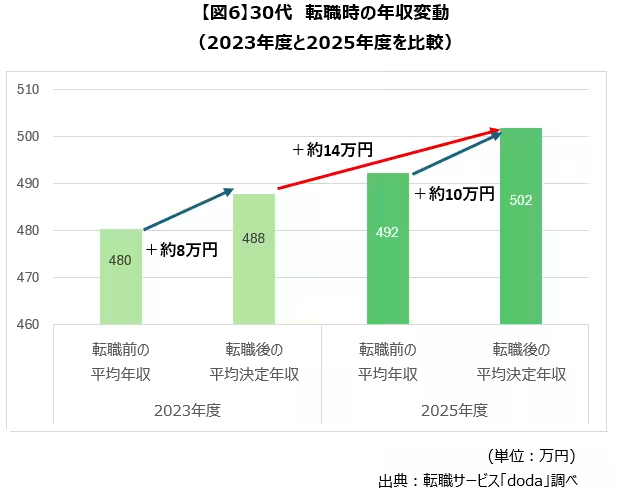
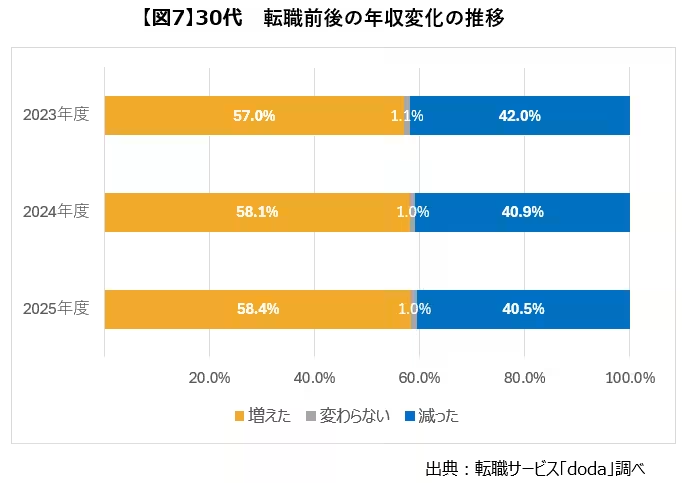
The average decision salary for those aiming for mid-career roles in their 30s has also seen growth, rising by around 140,000 yen, now reaching 5,020,000 yen. This age group has become critical to companies as they represent a skilled core workforce. As organizations strive to provide an attractive work environment alongside competitive salary offers, there is an urgent need to cater to the career growth of this demographic.
40s:
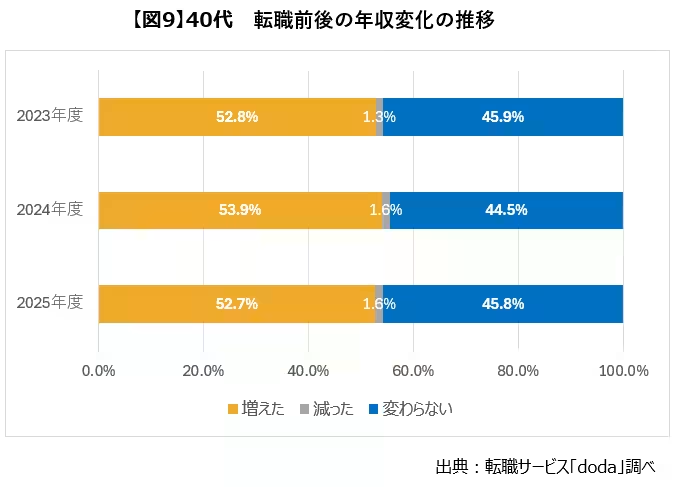
Professionals in their 40s show a nuanced picture. Although the average decision salary stands slightly below previous incomes, the reduction in salary loss post-job switch is noticeably smaller. Many in this age group are likely weighing opportunities that could lead to upward trajectories within their careers, emphasizing the importance of personal fulfillment over immediate financial gain.
Overall, the Doda report underscores the dynamic changes happening in the job market and the distinct needs of professionals across different age groups. With the right blend of skill enhancement and proactive career planning, job seekers can optimize their potential for advancement and financial success.
Conclusion
The findings presented in Doda's report reaffirm the importance of adapting not only to economic shifts but also to the evolving demands from employers regarding skill sets and professional qualities. As we move towards 2025, both job seekers and companies must remain agile and proactive in pursuing success in their respective fields.


Topics People & Culture)
【About Using Articles】
You can freely use the title and article content by linking to the page where the article is posted.
※ Images cannot be used.
【About Links】
Links are free to use.