



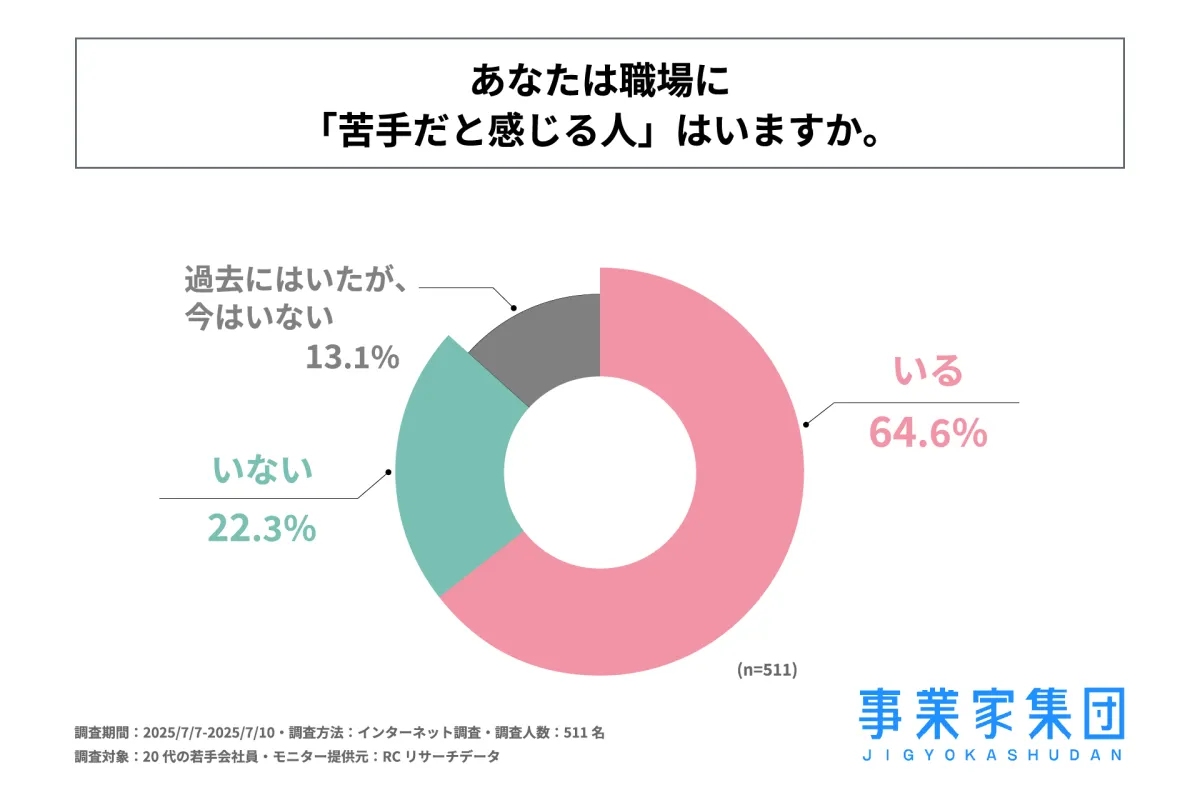
Survey Reveals 65% of Young Workers Feel Uncomfortable with Colleagues
Understanding Workplace Relations Among Young Employees
A recent study conducted by Jigyoka Co., revealed some revealing insights into the experiences of young office workers in Japan, particularly focusing on the presence of difficult colleagues in their workplaces. The survey aimed to understand how this impacts their work experience and overall satisfaction.
Key Findings
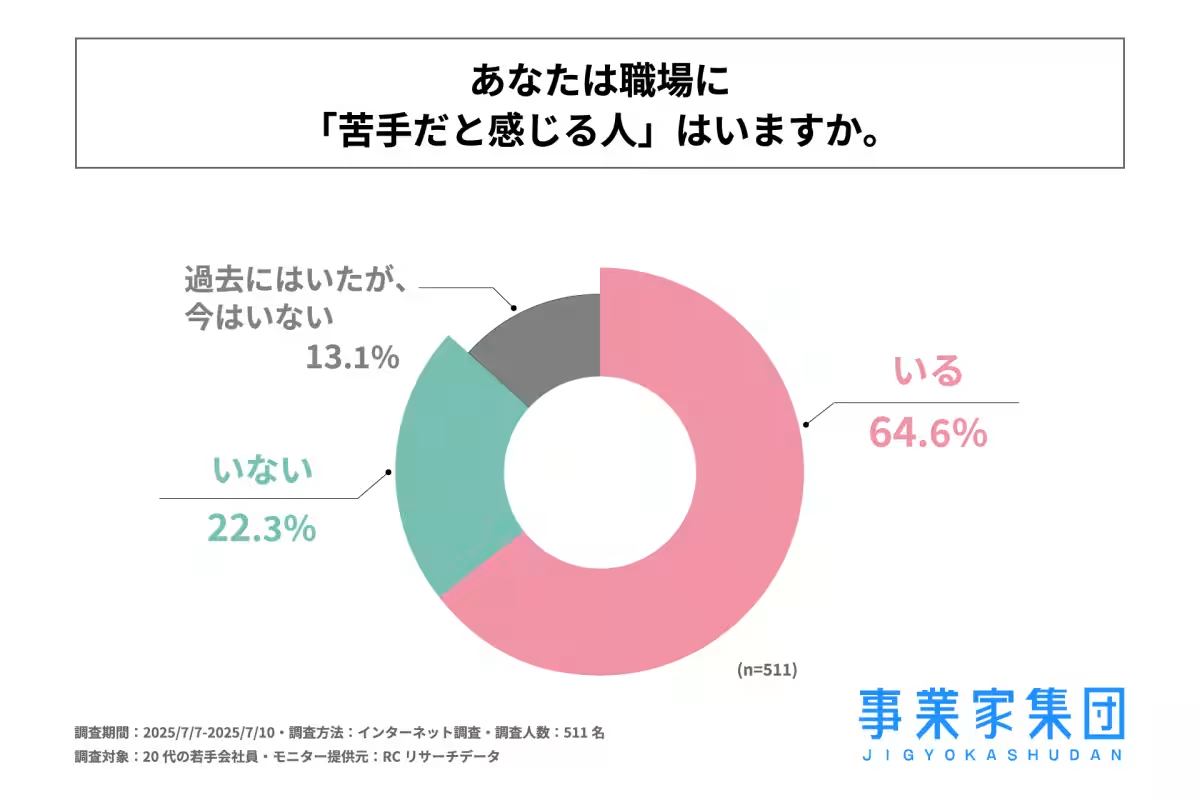
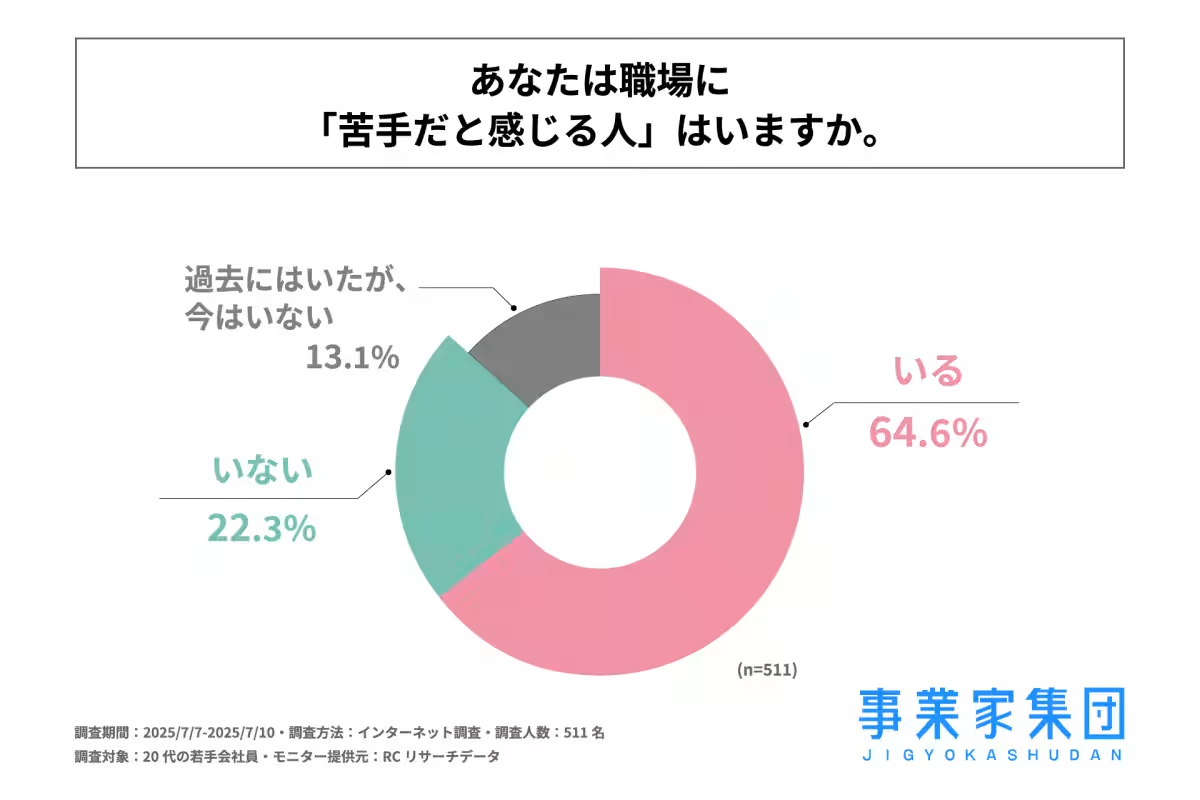
Approximately 65% of surveyed individuals in their 20s reported that they have at least one colleague they find difficult to work with. The study primarily targeted young professionals, specifically those working in various sectors across Tokyo.
Reasons for Difficulty
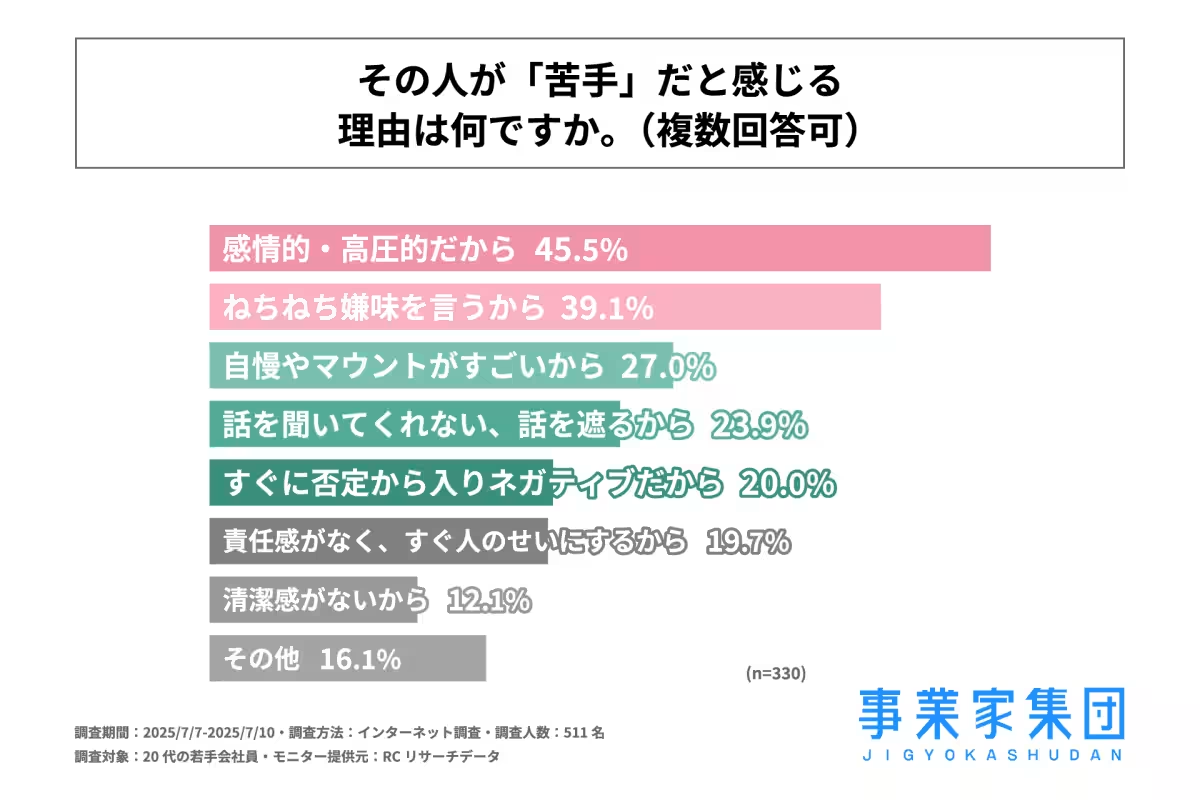
Among those who identified a difficult colleague, the two main complaints were that these individuals appeared to be overly emotional and high-handed, or tended to make snarky remarks frequently. About 45.5% of respondents attributed their discomfort to the colleague being what they described as 'emotional and high-pressure,' while 39.1% mentioned the habit of making irritating comments.
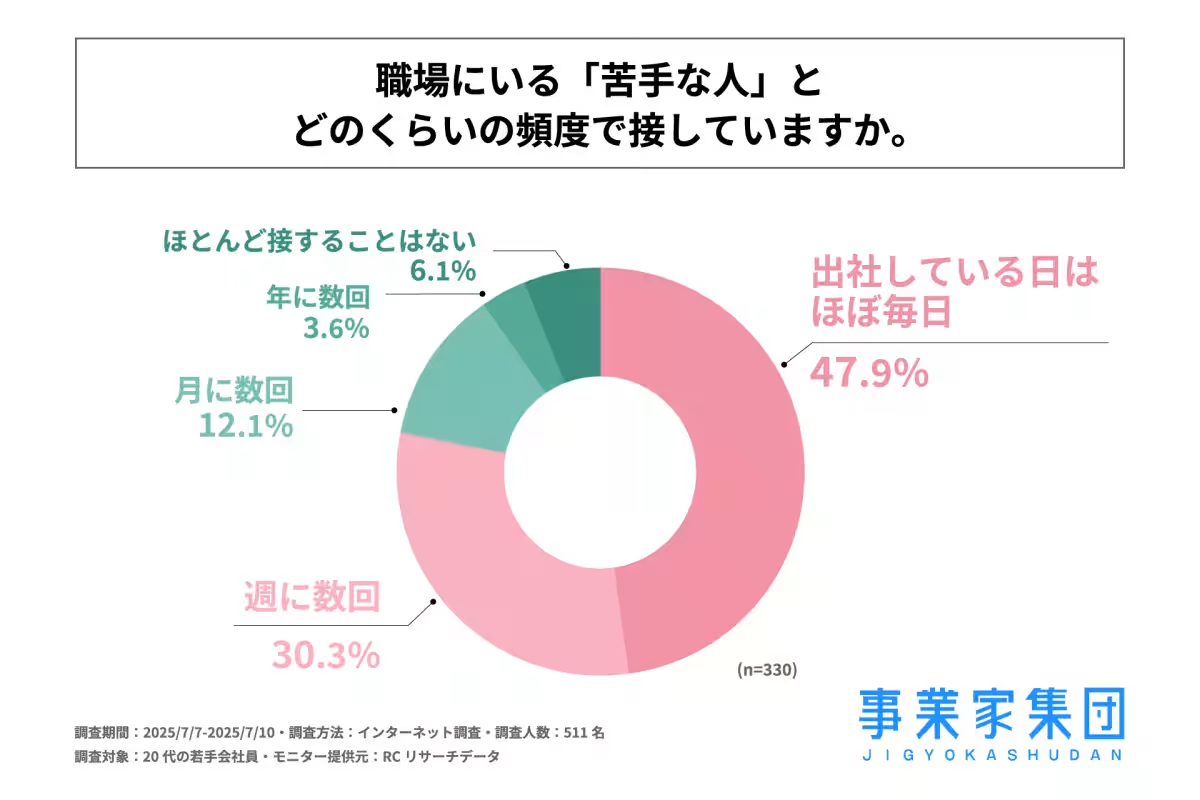
Moreover, the frequency of encounters with these difficult colleagues is striking. Nearly half of the respondents (47.9%) indicated they interact with these individuals nearly every day when they come into the office. This consistent exposure can undoubtedly detract from their work experience.
Stress Implications
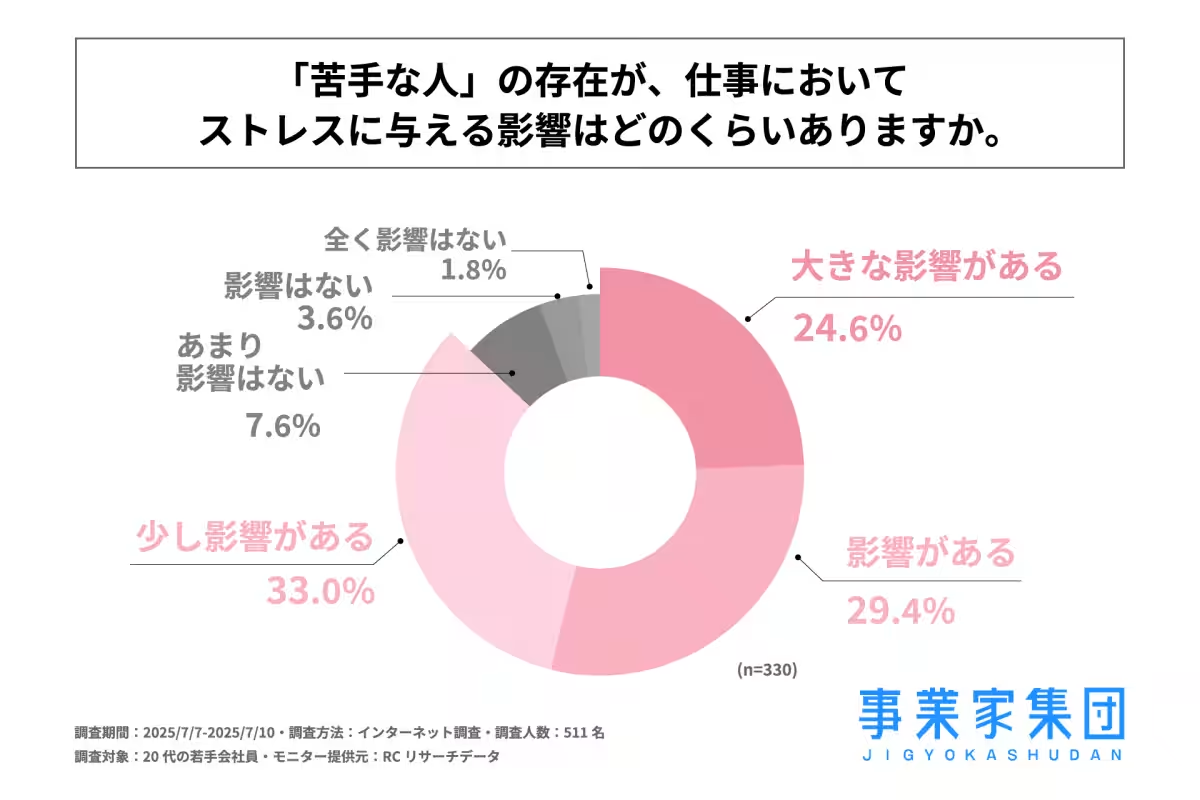
Not surprisingly, dealing with difficult colleagues has been linked to increased workplace stress. Approximately 85% of those who found such individuals in their workplace confessed that their presence impacted their stress levels to some extent. This is an alarming statistic since stress can lead to burnout, affecting work performance and employee satisfaction.
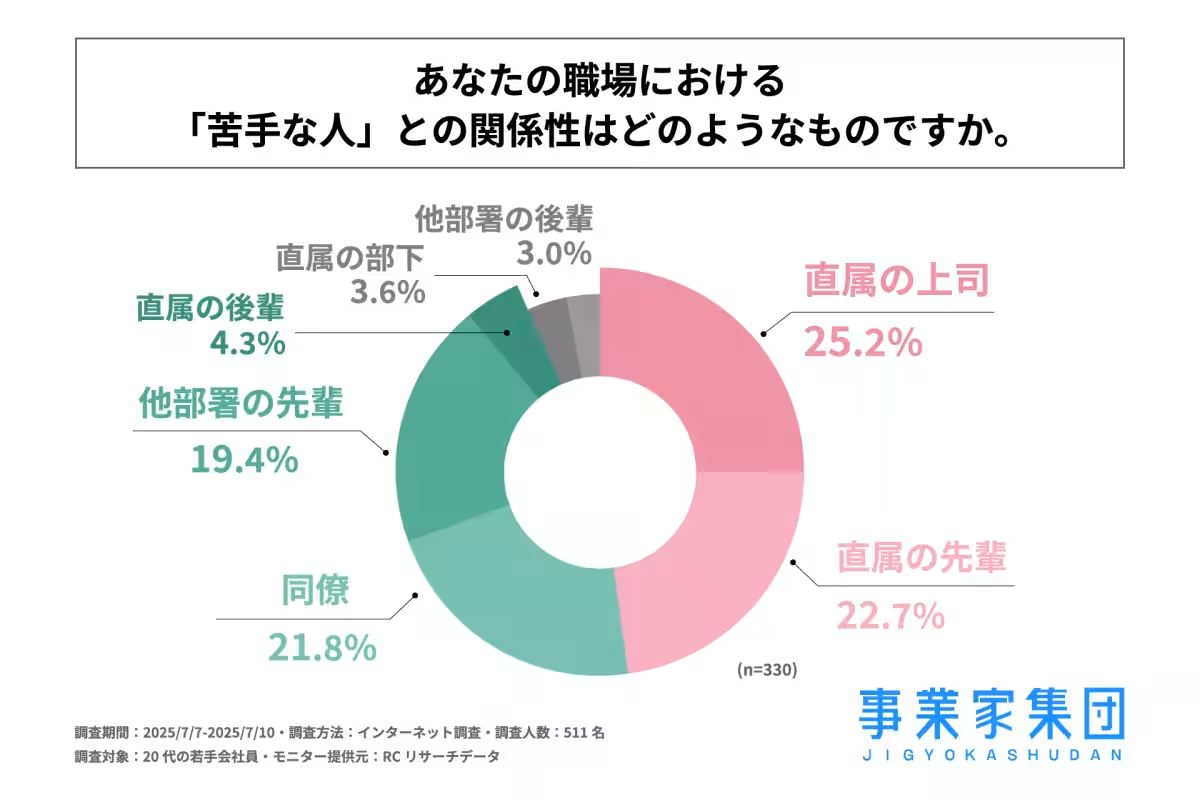
The survey also illuminated the relationships that young employees have with these difficult colleagues. Most frequently, the 'difficult person' was identified as a direct supervisor (25.2%), followed closely by senior colleagues (22.7%), and peers (21.8%). Having to navigate these relationships can complicate an employee's role and often leads to a toxic work environment.
Ways to Cope
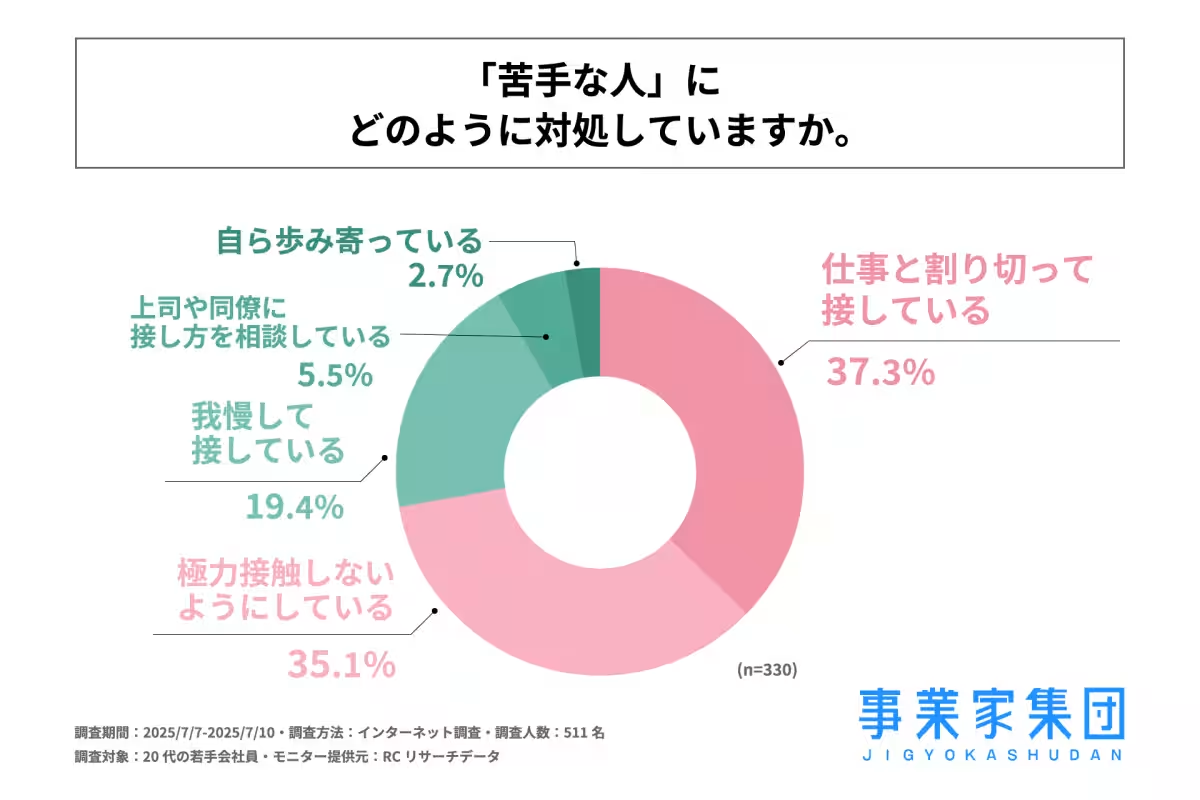
When faced with challenging personalities, respondents indicated a few coping strategies. The two prominent approaches were to compartmentalize their interactions ('treating it as just work') and to limit contact with the difficult individual whenever possible. About 37.3% chose to manage the situation by keeping it strictly professional, while 35.1% aimed to minimize interactions.
Conclusion
This survey shines a light on the struggles young professional employees face in the workplace regarding interpersonal dynamics. With 65% affected by difficult colleagues, organizations must address these relational challenges to improve workplace culture and employee well-being. Jigyoka Co.'s initiative, 'Anti-Zukan,' seeks to unveil the underlying emotional struggles behind these difficult personas, categorizing their traits to foster a better understanding of colleagues who may be perceived negatively. This initiative aims to change the narrative surrounding these difficult relationships by encouraging empathy and understanding.
To learn more about how emotional complexities influence workplace dynamics and discover more insights, visit Anti-Zukan.

Topics People & Culture)

【About Using Articles】
You can freely use the title and article content by linking to the page where the article is posted.
※ Images cannot be used.
【About Links】
Links are free to use.