



The Importance of Individual Support for Effective Management Training: Insights from B-Connect Study
The Importance of Individual Support for Effective Management Training: Insights from B-Connect Study
In the world of corporate leadership, the effectiveness of training programs has always been a topic of discussion. A recent survey conducted by B-Connect, a business coaching group based in Tokyo, delves into this crucial aspect, revealing some concerning statistics regarding the implementation of learned skills among managerial roles in organizations with over 1,000 employees.
Key Findings of the Survey
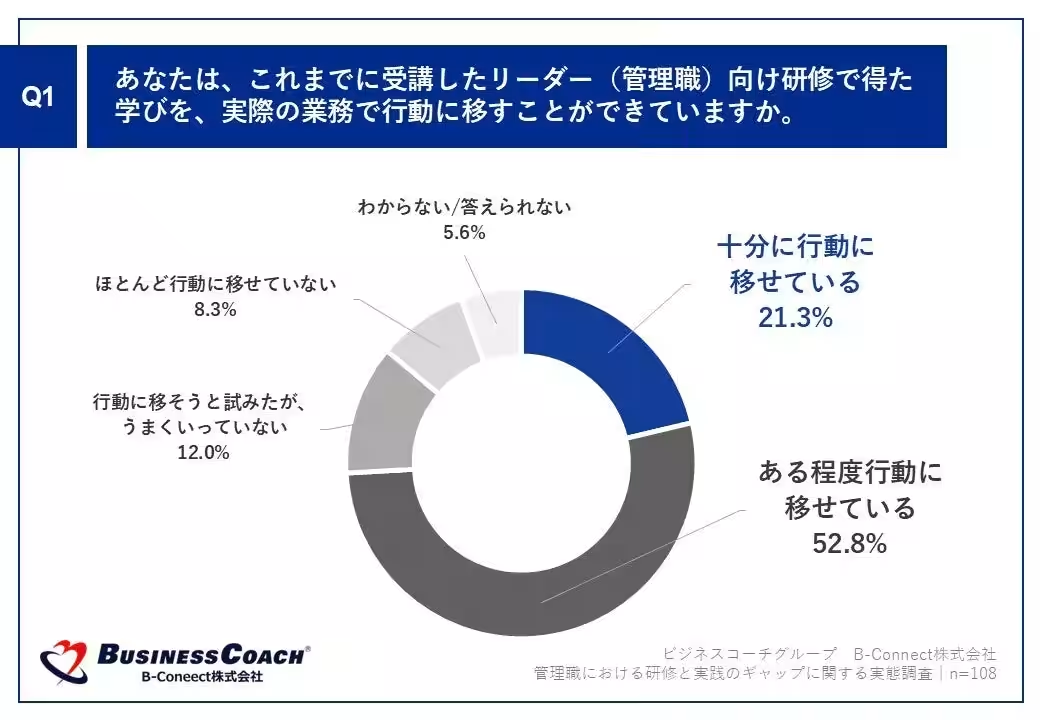
The survey targeted 108 managers, including department heads and section managers, who have undergone leadership training. The findings shed light on the significant gap between training and real-world application.
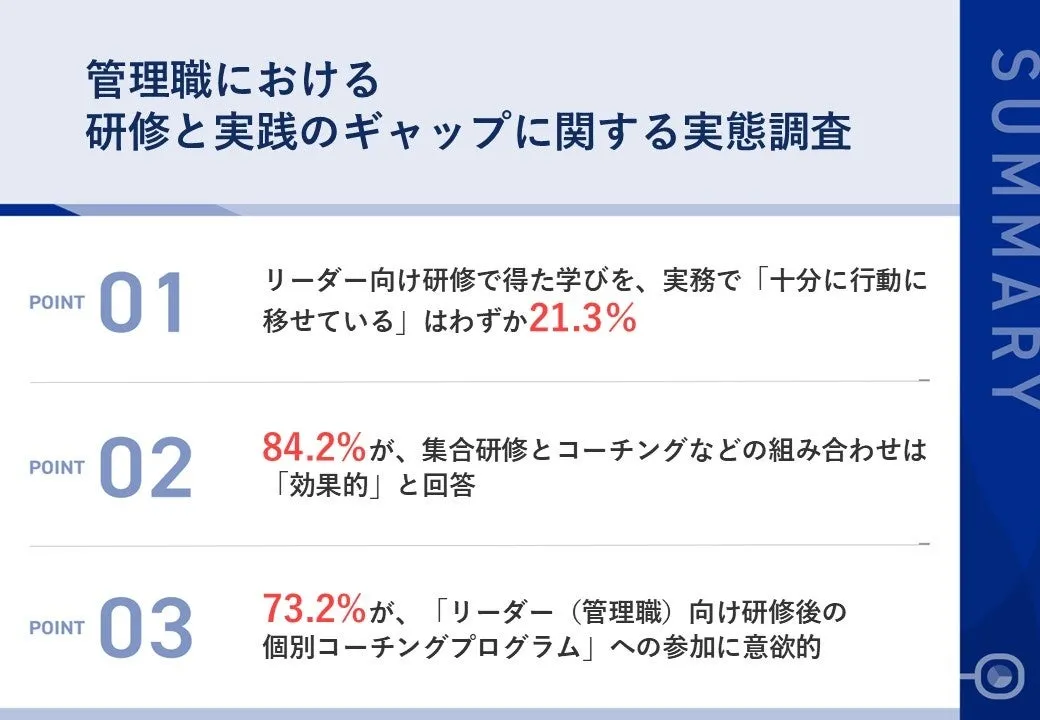
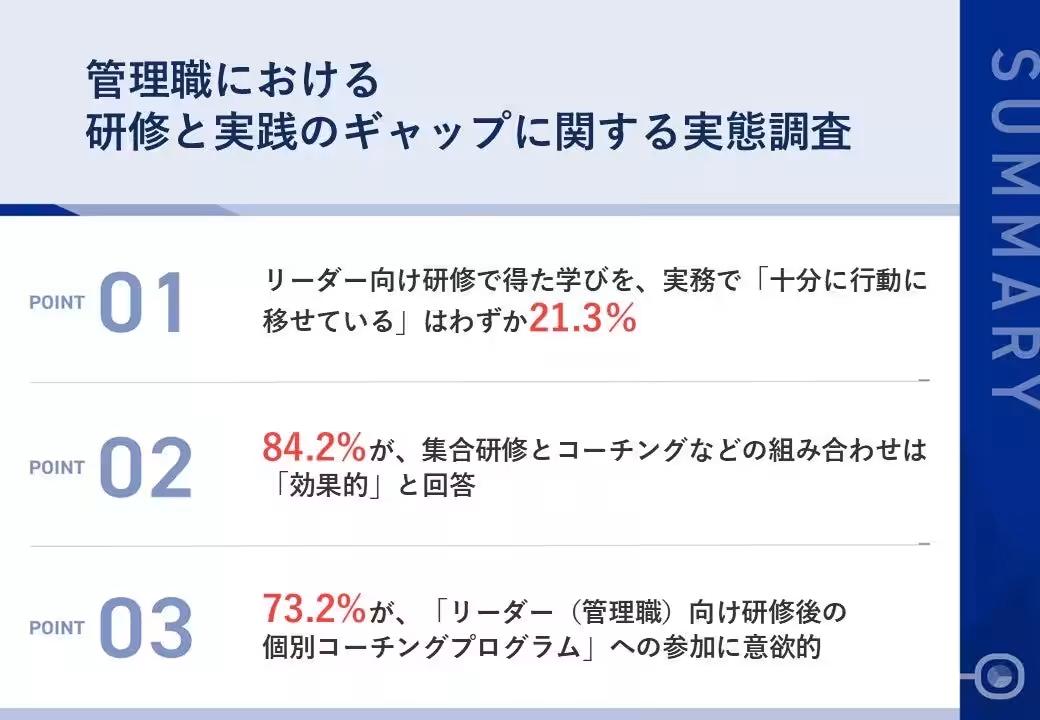
- - Only 21.3% of managers feel they have fully translated their training into action. This raises critical questions about the effectiveness of traditional training methods.
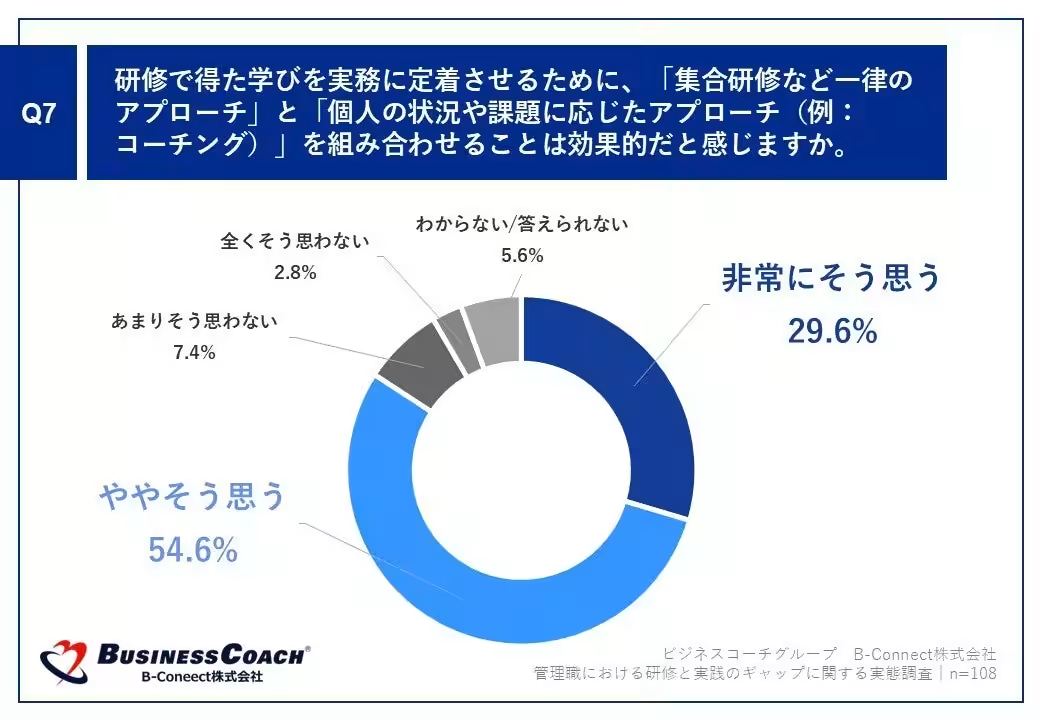
- - A noteworthy 84.2% believe that combining group training with coaching is effective. This indicates a desire for more tailored training solutions that cater to individual needs and organizational contexts.
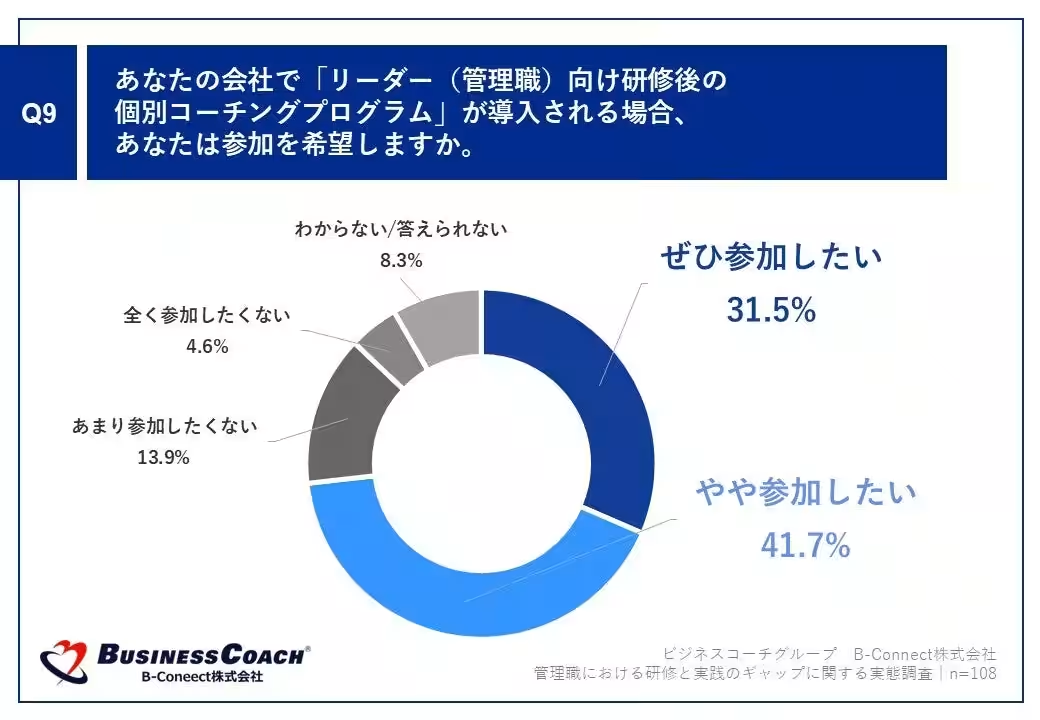
- - Over 73% expressed interest in participating in subsequent tailored coaching programs. This enthusiasm signals a shift towards recognizing the importance of ongoing development rather than one-off training events.
Challenges in Implementing Learned Skills
The survey indicates that while many participants see the benefits of training, they face considerable challenges when it comes to applying their new knowledge.
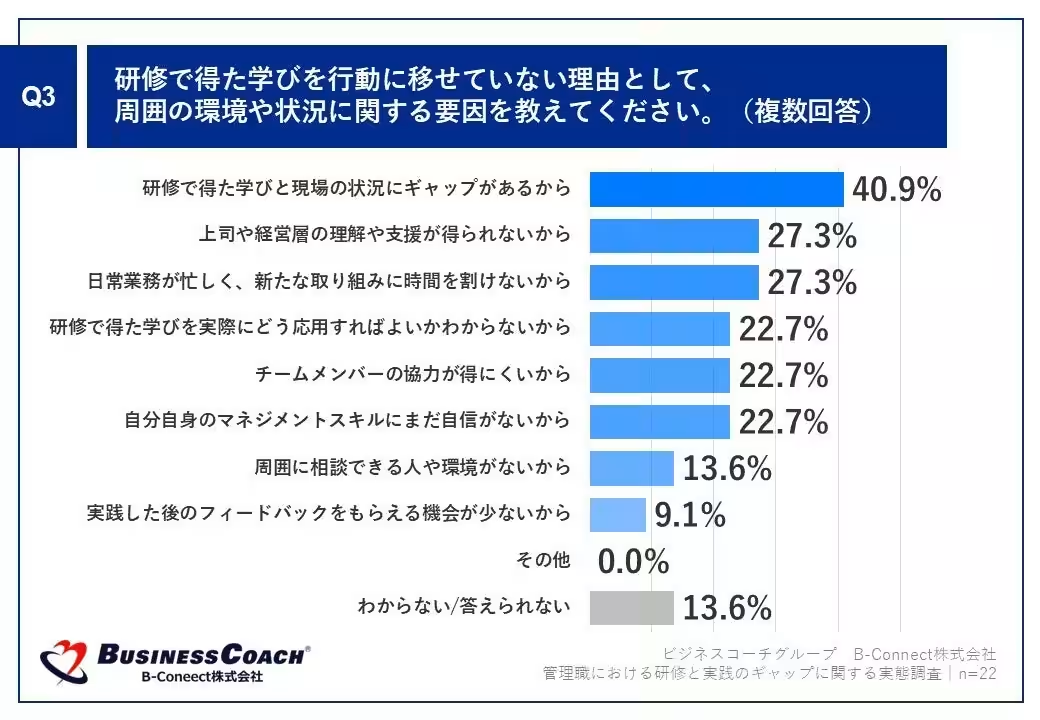
- - Among those who attempted to implement what they learned, 40.9% cited a gap between training content and their work environment as a significant barrier. This suggests that training programs need to better align with the realities faced by managers on the ground.
- - Factors such as lack of support from superiors and the busy nature of daily tasks were also highlighted by 27.3% of the respondents as reasons for their difficulties in applying learned skills.
Insights on Team and Individual Growth
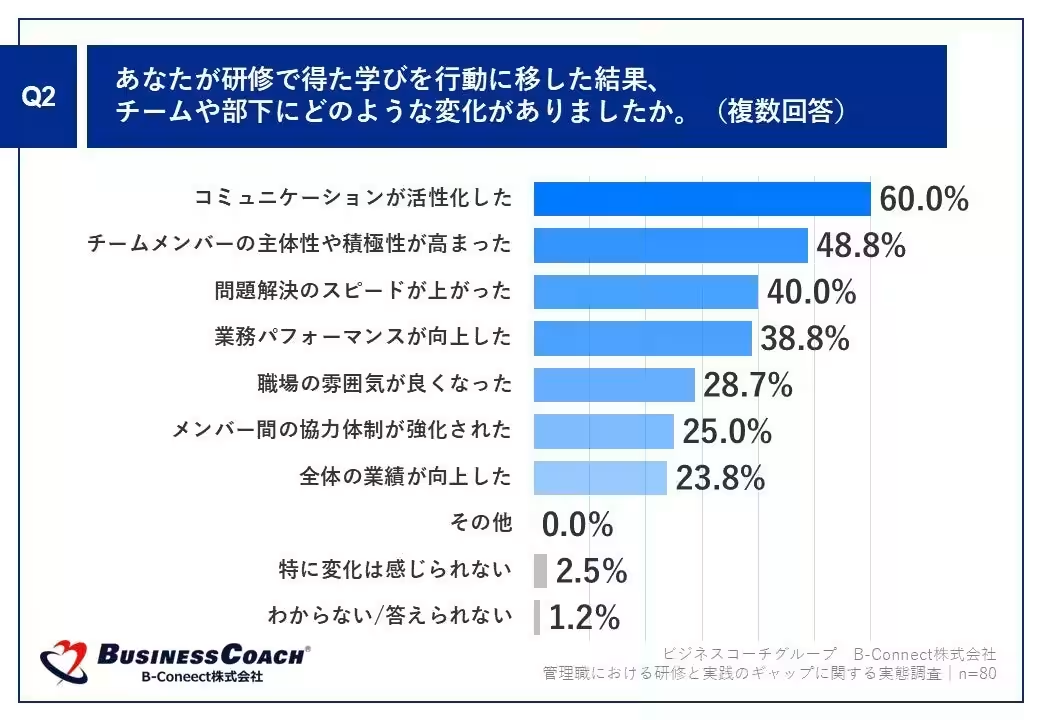
Despite the implementation challenges, those who successfully adapted their training into their management practice reported positive changes in their teams.
- - 60.0% noted improved communication within their teams.
- - 48.8% observed an increase in their team members' initiative and proactivity as a result of applying training insights.
- - Other beneficial outcomes included quicker problem-solving (40.0%) and enhanced overall workplace morale (28.7%).
The Role of Continued Support
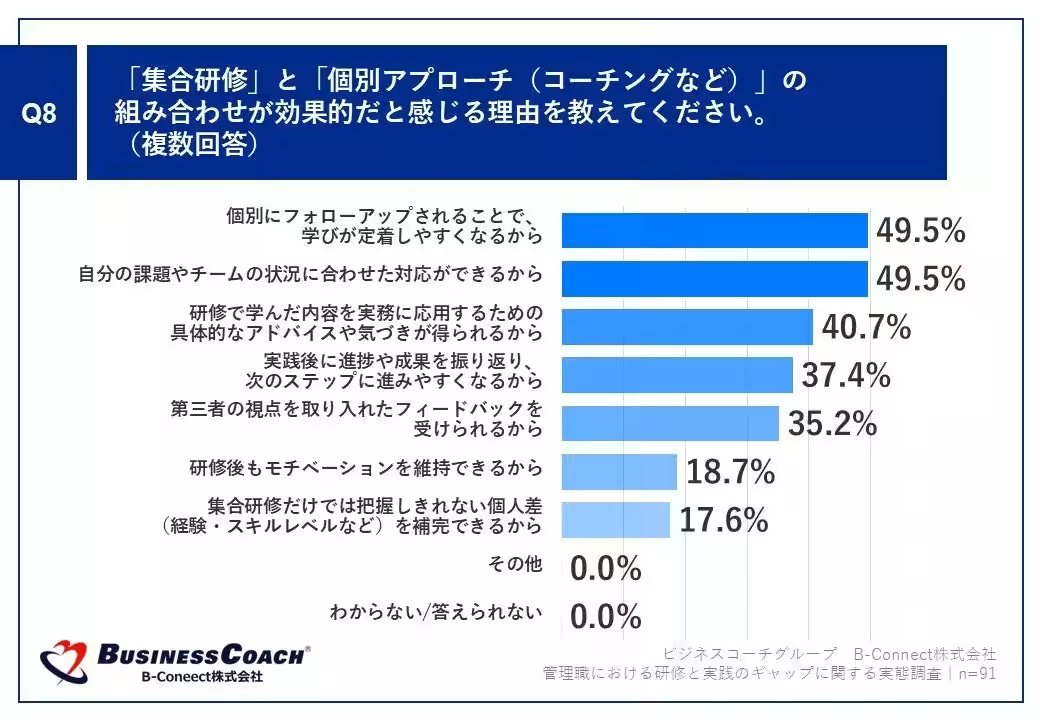
A remarkable 84.2% of participants believe that individual coaching combined with group training enhances their ability to apply what they learned. Reasons cited include:
- - Personalized follow-up helps reinforce learning.
- - Adapting strategies to individual team needs leads to better results.
The Need for Tailored Coaching Solutions
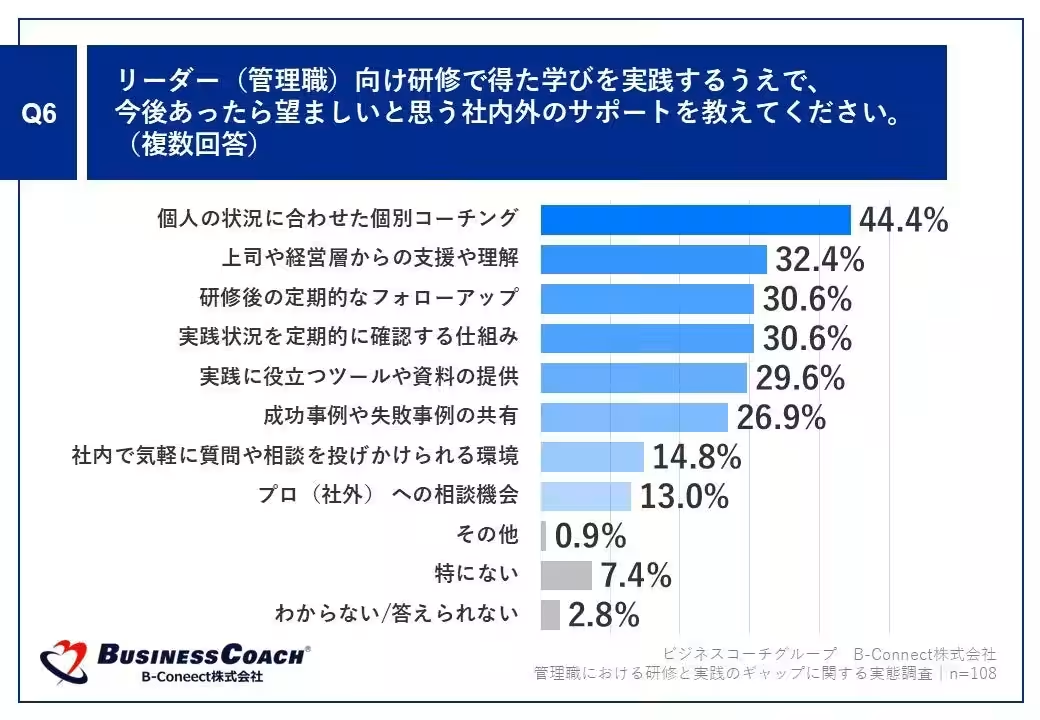
When asked about preferable future support, 44.4% favored personalized coaching designed for individual circumstances, while 32.4% highlighted the importance of executive support. This highlights a definitive demand for a more personalized coaching framework that not only addresses individual skills but also fosters an ongoing dialogue between leaders and their teams.
Conclusion: Bridging the Gap Between Training and Implementation
The B-Connect survey underscores an alarming gap between what is taught and what is practiced by managers. Despite recognizing the value of training, many managers encounter hurdles that prevent them from effectively implementing their new skills. As businesses adapt to rapid changes in work environments, a shift towards tailored support mechanisms such as individualized coaching is crucial.
The future of effective management training lies not only in initial learning but also in the ongoing application of those skills in a supportive environment. By bridging the gap between training and real-world action, organizations can enhance both individual and team performance, fostering a thriving and engaged workplace culture that benefits all.
For more details on the study, visit B-Connect’s official site.

Topics People & Culture)


【About Using Articles】
You can freely use the title and article content by linking to the page where the article is posted.
※ Images cannot be used.
【About Links】
Links are free to use.