



Over 70% of Phone Operators Experience Customer Harassment: A Deep Dive into Effective Responses
Understanding the Rise of Customer Harassment in Phone Operations
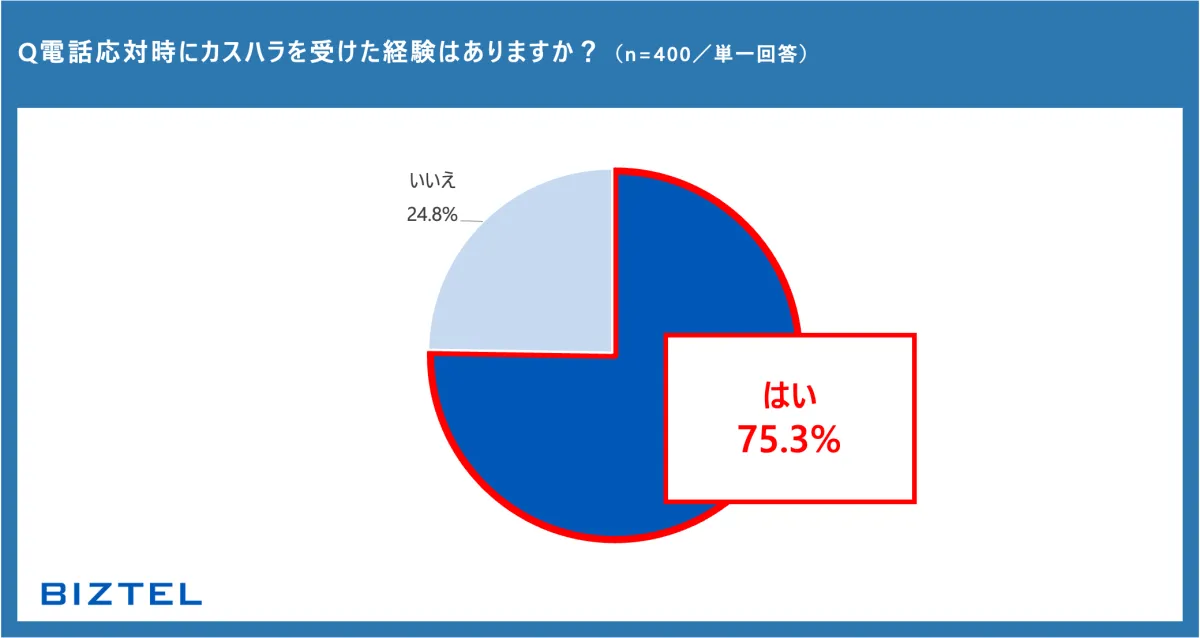
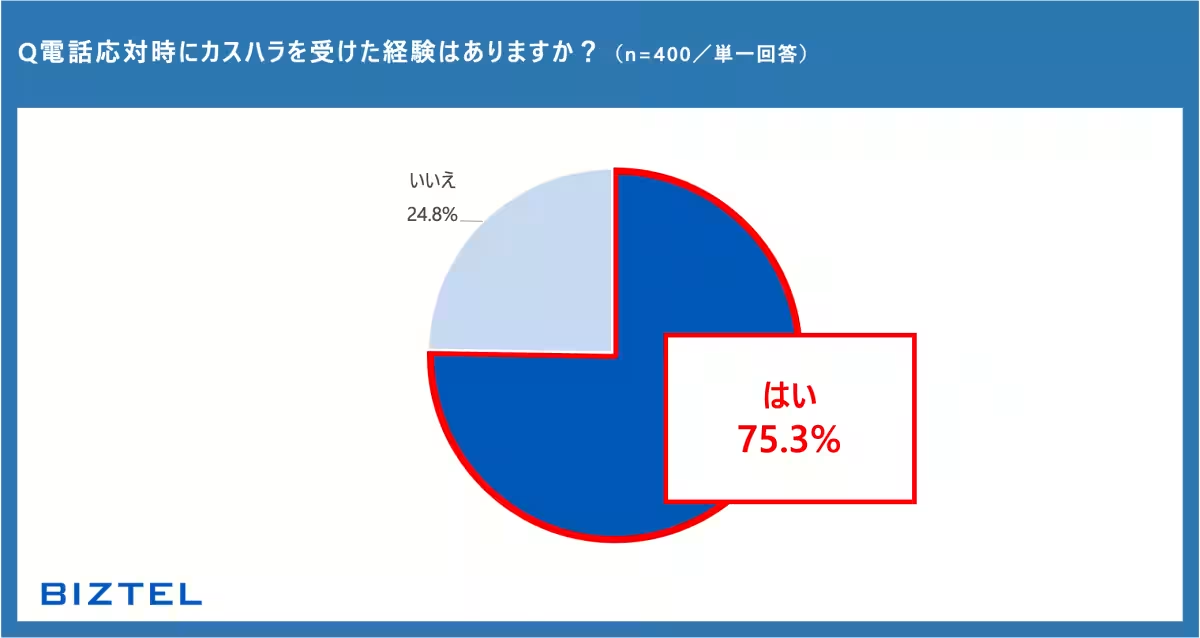
A recent investigation by Link Corporation, a leader in cloud-based call center solutions with its flagship product BIZTEL, has shed light on the prevalent issue of customer harassment faced by phone operators. In a survey conducted across Japan targeting individuals aged 20 to 99, more than 70% reported having experienced customer harassment during phone interactions.
Survey Background and Context
The survey comes at a critical time as the Tokyo Customer Harassment Prevention Ordinance is set to be enforced in April 2025. The ordinance aims to address the growing concerns surrounding customer harassment (known as 'Kasu Hara') in industries where phone communication is the primary mode of customer interaction, such as call centers and customer service departments. With BIZTEL focusing on gathering insights from those who engage directly with customers over the phone, the findings highlight not only the frequency of harassment but also the responses and preventive measures taken by various industries.
Key Insights from the Survey
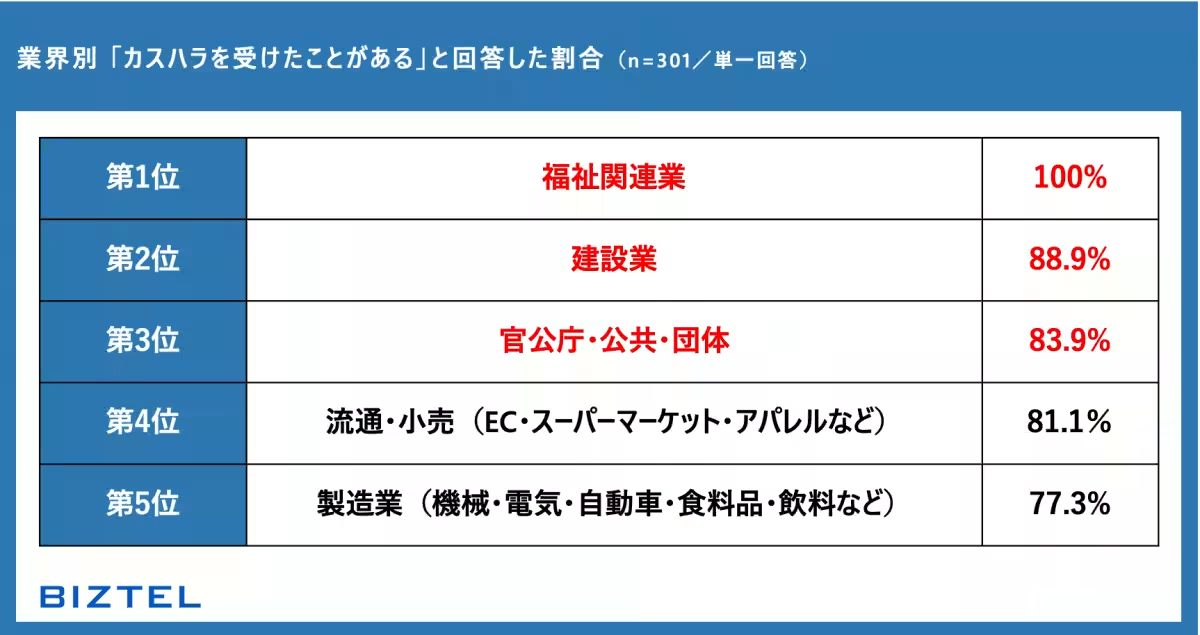
1. Prevalence of Harassment: The alarming statistic revealed that a staggering 75.3% of respondents had experienced some form of harassment during phone interactions. Specific industries, particularly those involving considerable customer contact, like social services (100%), construction (88.9%), and public sectors (83.9%), showed the highest incidences of reported harassment.
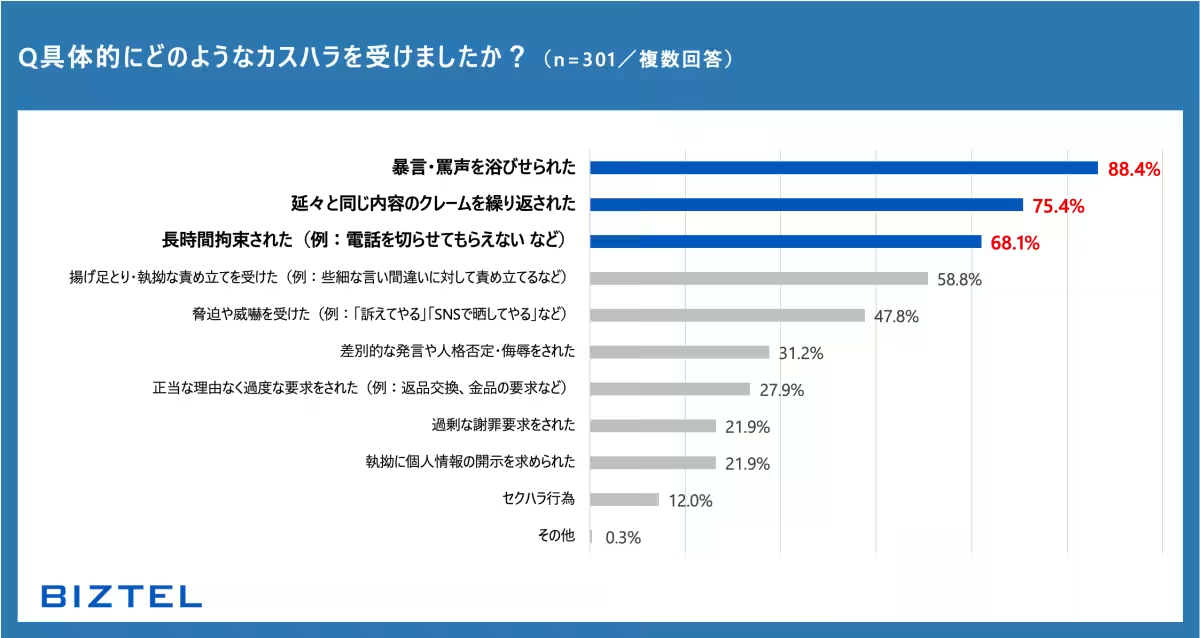
2. Nature of Harassment: Respondents reported various forms of harassment, including offensive language (88.4%), repetitive complaints (75.4%), and prolonged conversations that left them feeling overwhelmed (68.1%). These interactions place immense psychological strain on employees, necessitating effective countermeasures.
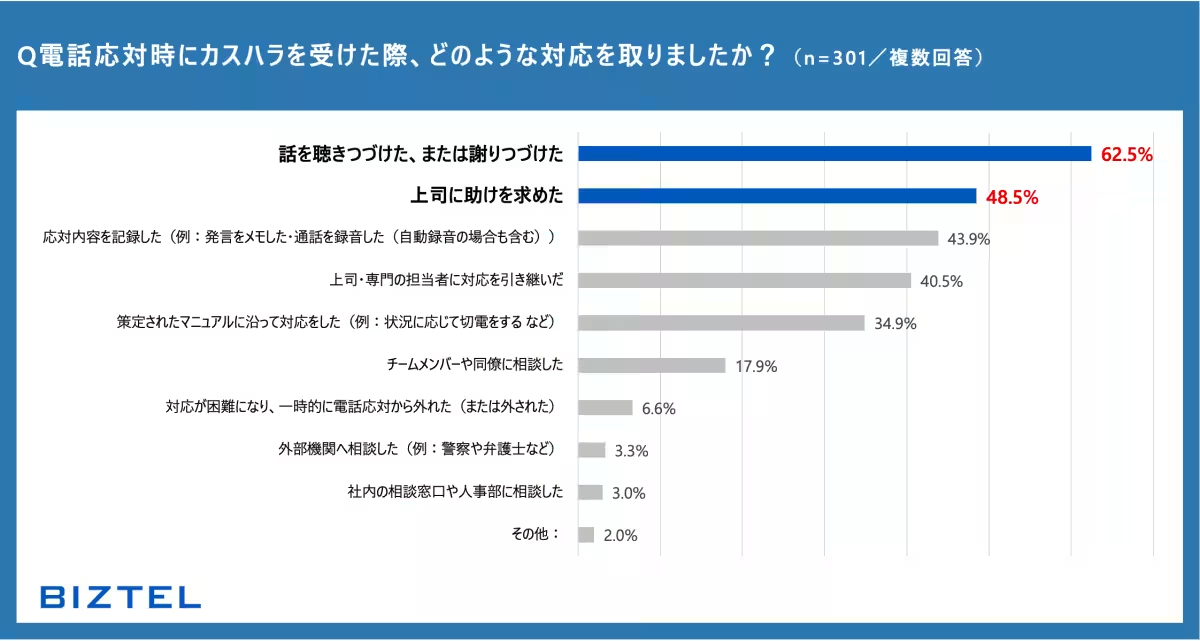
3. Response Strategies: When faced with harassment, most respondents (62.5%) either listened or apologized repeatedly, while 48.5% sought help from their supervisors. This reactive approach reflects a lack of established solutions for dealing with harassment, leaving many employees in a state of emotional distress.
Current Measures Against Harassment
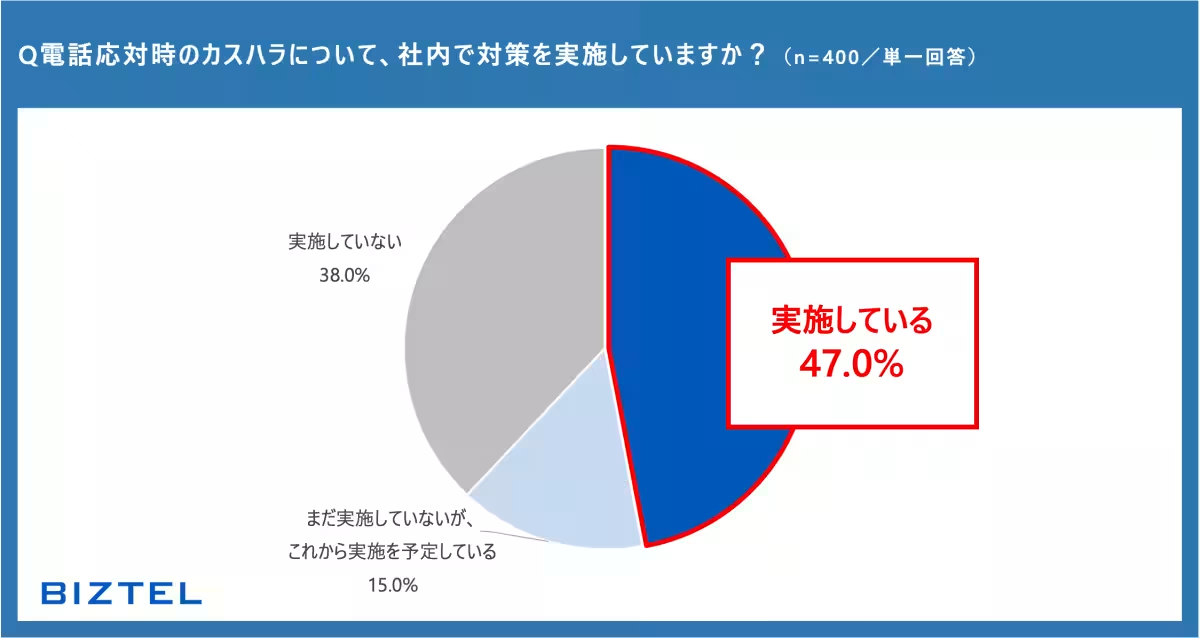
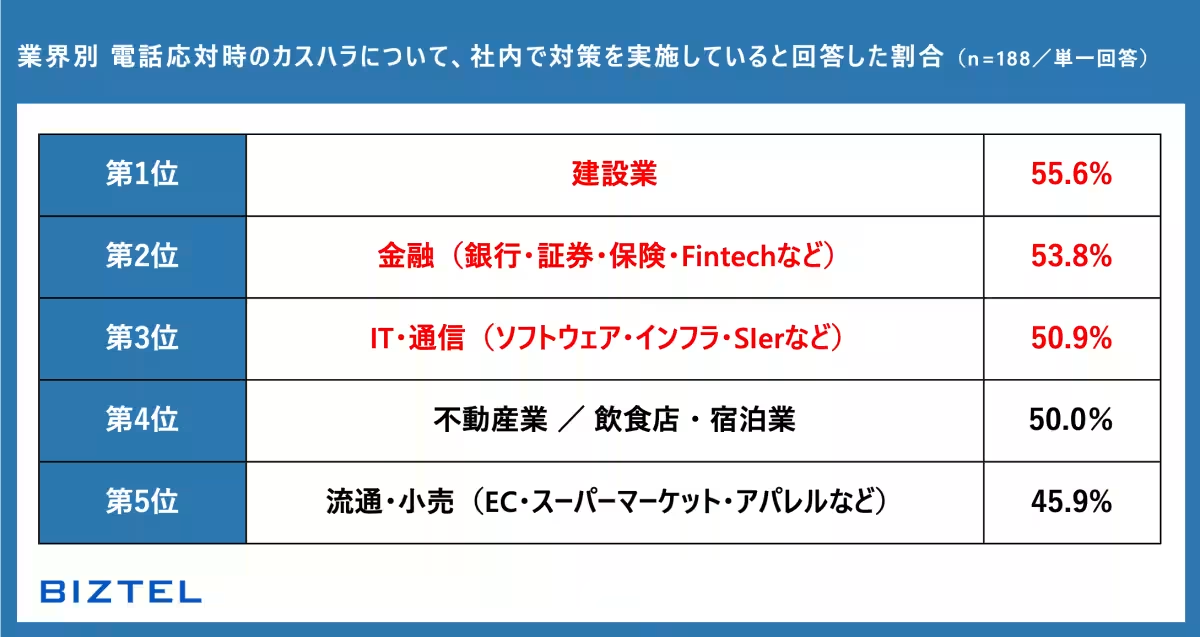
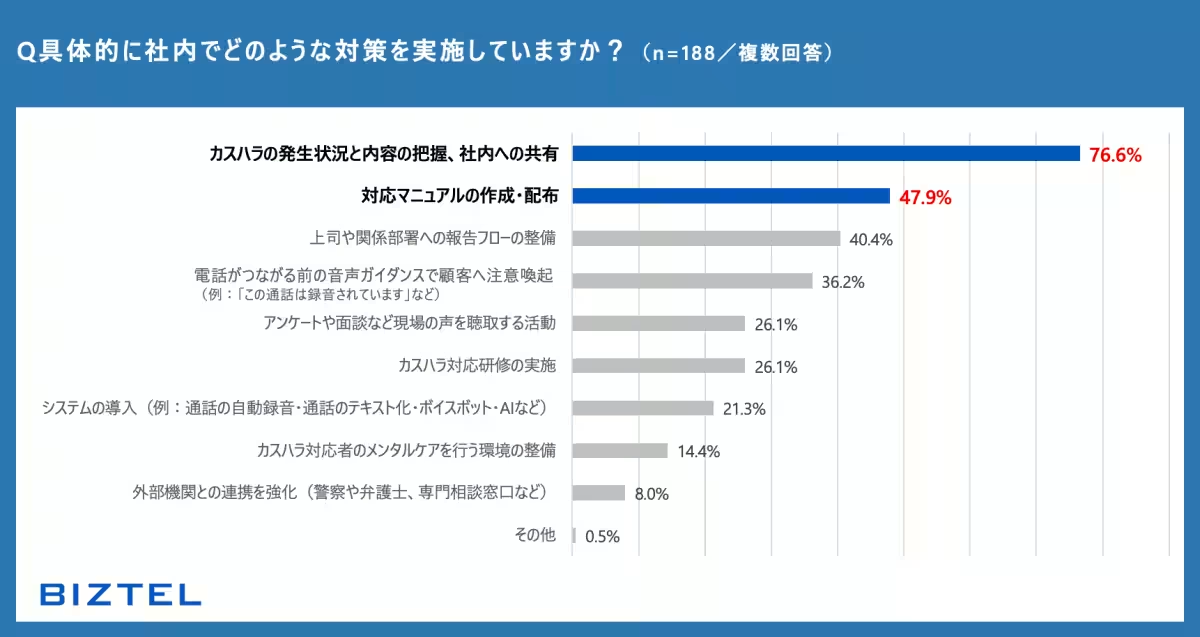
Despite the high incidence of harassment, only 47.0% of organizations reported having implemented policies to combat it, showcasing a significant gap in effective practices. However, certain sectors, like construction (55.6%) and finance (53.8%), demonstrated a higher implementation rate of these policies. Recommended steps for mitigating harassment include:
- - Monitoring the prevalence and nature of harassment and ensuring that this information is communicated within the organization (76.6%).
- - Developing and distributing response manuals to guide employees on how to manage harassment effectively (47.9%).
Challenges Identified in Implementing Solutions
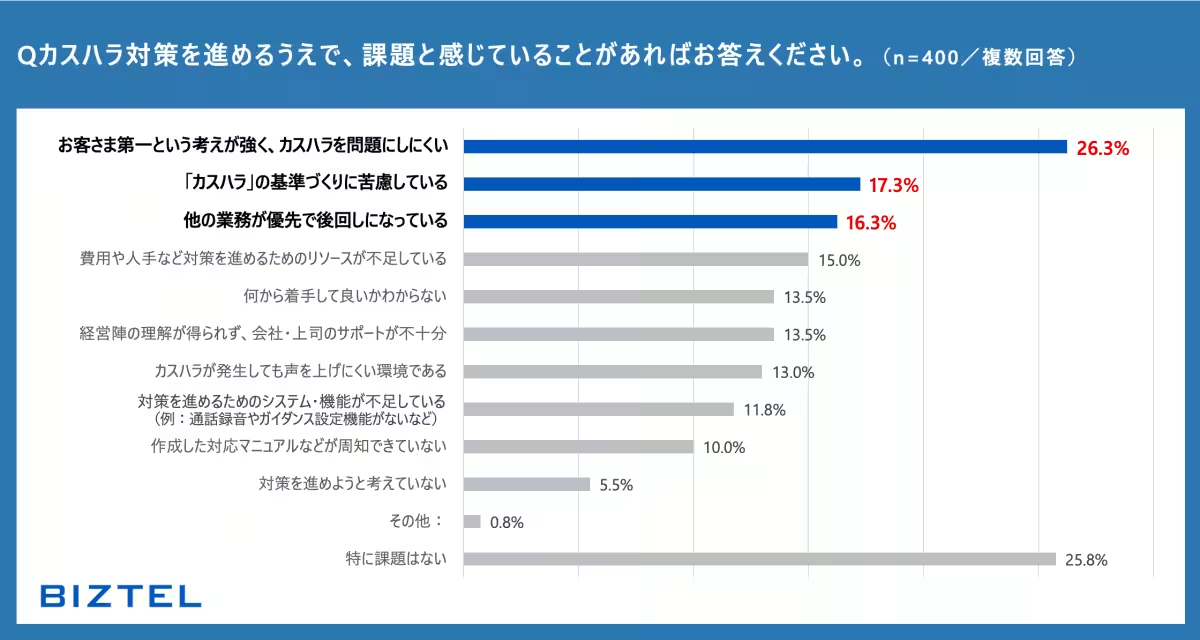
Organizations face several obstacles in combating harassment, with 26.3% of respondents citing a strong customer-first mentality that complicates addressing harassment as a serious issue. Additionally, challenges such as establishing clear definitions of harassment (17.3%) and prioritizing other business operations over harassment training (16.3%) reveal a critical need for organizational change. Building a cohesive understanding of harassment between employees and management is essential for enhancing workplace conditions.
Awareness of the Tokyo Customer Harassment Prevention Ordinance
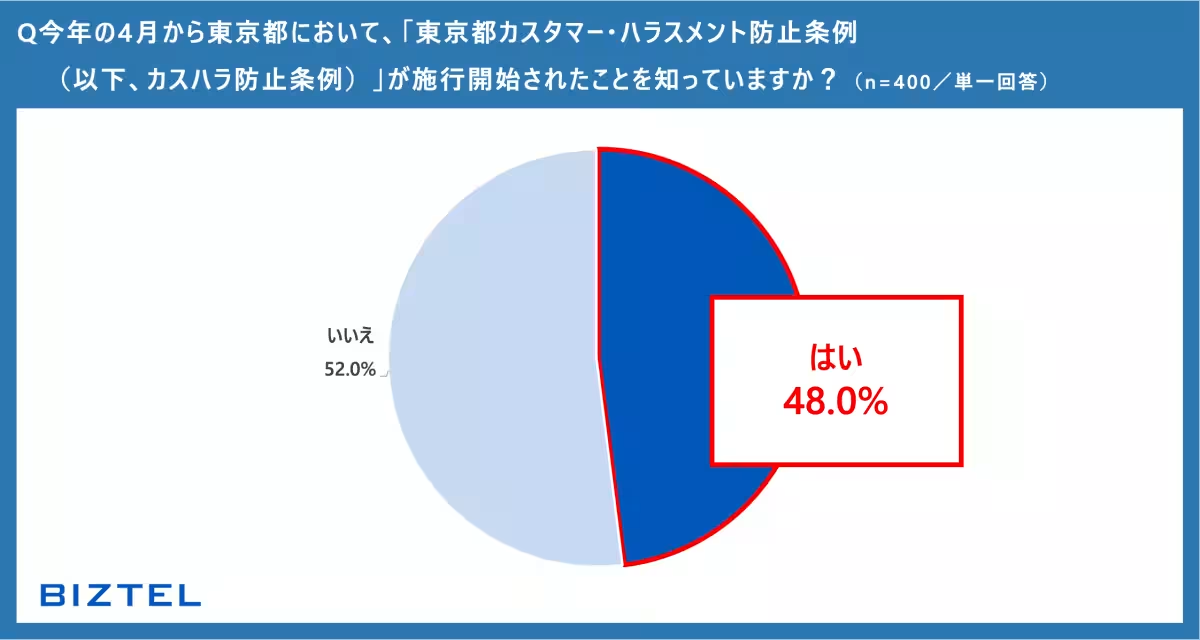
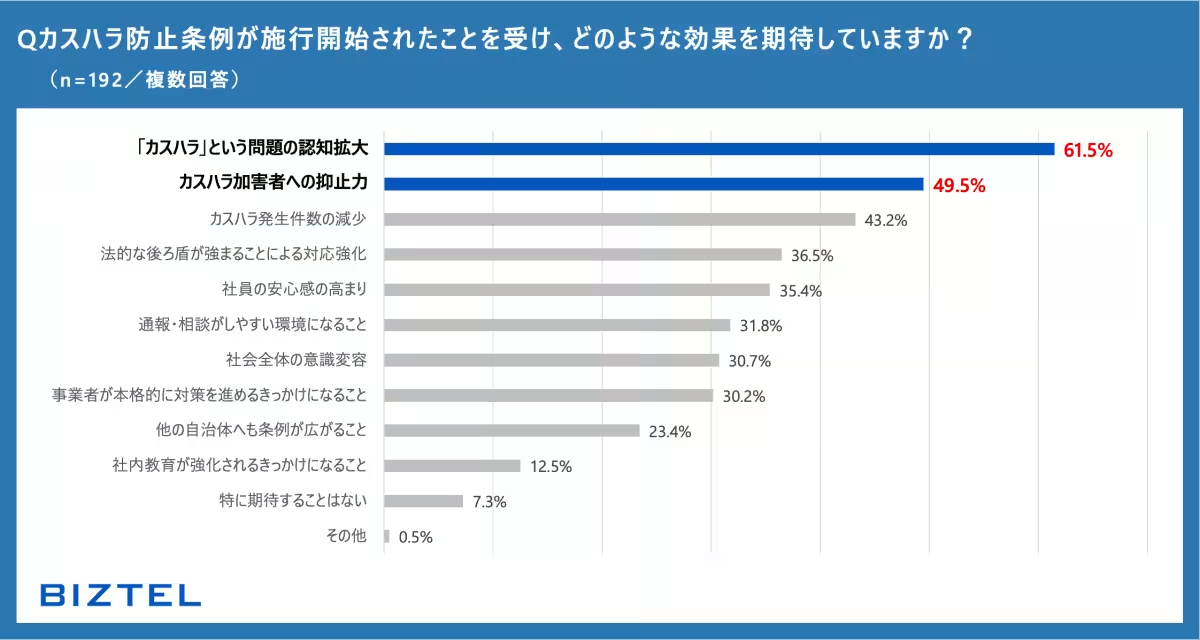
One concerning finding from the survey was that only 48.0% of participants were aware of the Tokyo Customer Harassment Prevention Ordinance. This lack of knowledge potentially hampers the efficacy of implementation strategies, underscoring the need for companies to promote understanding and compliance among their employees. Notably, respondents expressed optimism that the ordinance would raise awareness of the harassment issue (61.5% of participants) and deter potential offenders (49.5%).
Conclusion: A Call for Action from Businesses
In light of these findings, Tatsuya Sakamoto, Director of Link Corporation's BIZTEL Division, stresses the importance of addressing customer harassment adequately within phone operations. As seen, employee well-being is directly linked to customer satisfaction. Thus, businesses must focus on creating safe and supportive work environments to manage customer interactions effectively. The implementation of updated training programs, clear definitions of harassment, and a move towards integrating AI technology for process improvement can transform organizations' approach to harassment, thus benefiting employees and ultimately enhancing customer relationships.
For companies like Link Corporation and BIZTEL, the journey toward creating a harassment-free work environment relies on proactive engagement, clear communication, and innovative technology adoption to ensure operational excellence while safeguarding employee mental health.
Topics People & Culture)
【About Using Articles】
You can freely use the title and article content by linking to the page where the article is posted.
※ Images cannot be used.
【About Links】
Links are free to use.