



Unveiling the Cost of Invisible Electricity Waste in Households
Unveiling the Cost of Invisible Electricity Waste in Households
In a bid to promote a society free from energy concerns, the Tokyo-based company Looop has conducted a survey to reveal the behaviors surrounding energy consumption that can lead to significant financial strain on households, especially in the context of rising living costs. The survey, which targeted 1,019 individuals nationwide, aims to explore the public's awareness and actual actions regarding electricity savings, coinciding with the 10th anniversary of Japan’s full liberalization of electricity retail on April 1, 2026.
Growing Awareness Amid Rising Costs
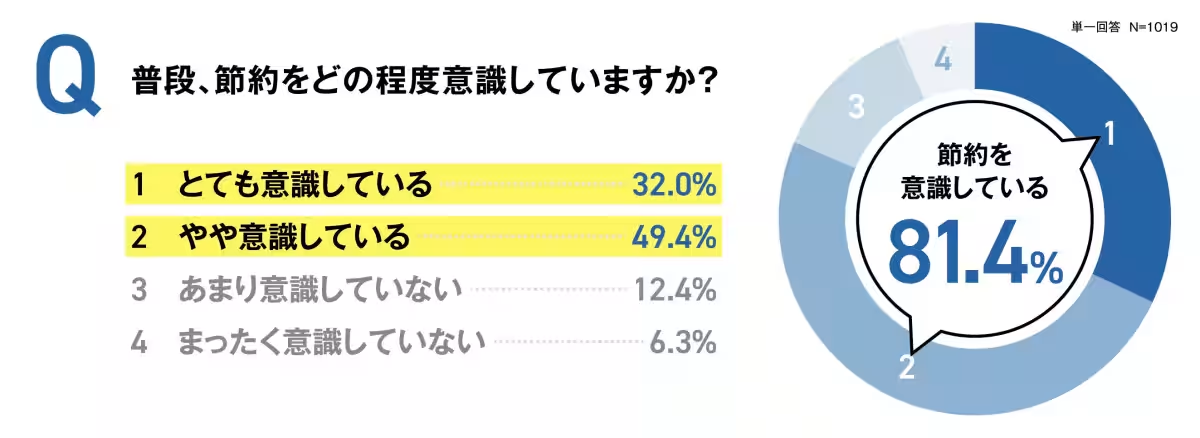
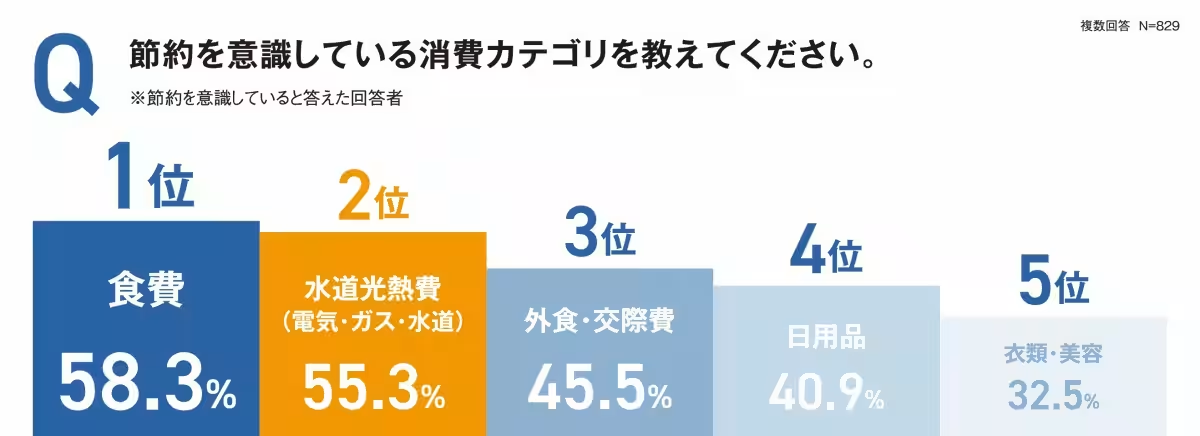
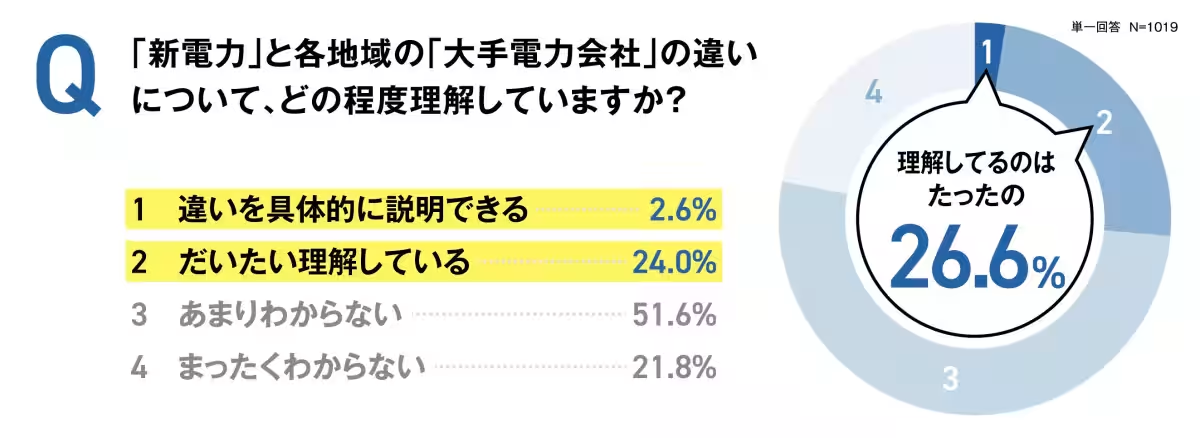
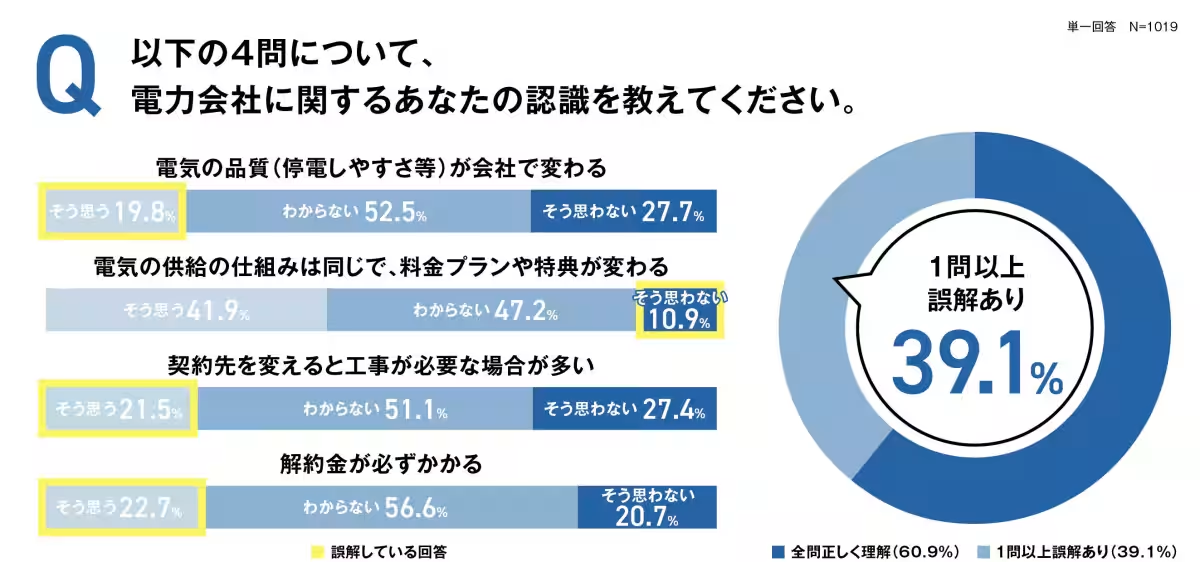
A remarkable finding from the survey indicates that approximately 80% of respondents are consciously trying to save money. Households are becoming increasingly aware of their utility expenses, particularly water, electricity, and gas, as they adapt to the recent inflationary pressures affecting their budgets. However, the survey also uncovers a disconnect; while many acknowledge the need to save, nearly half of the respondents lack a clear understanding of their electricity bills and the differences between electricity providers and plans.
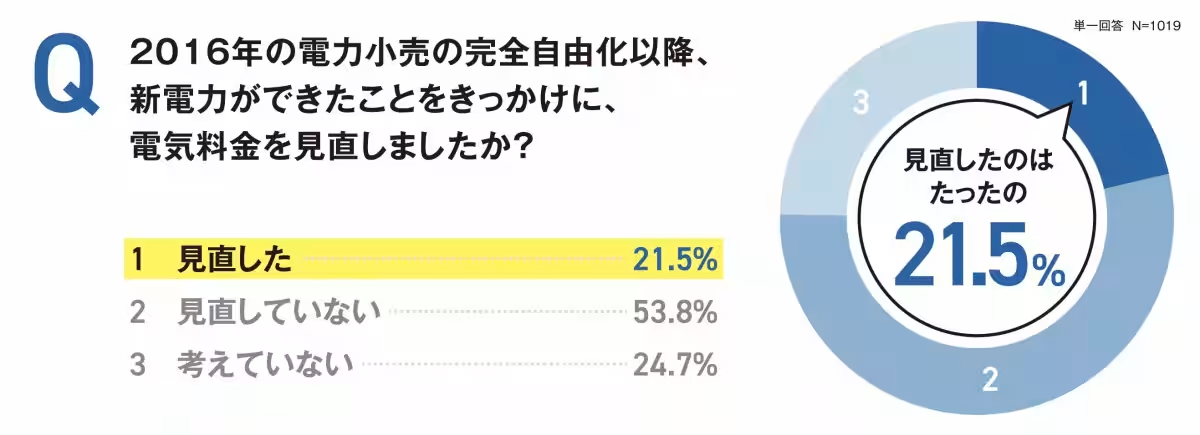
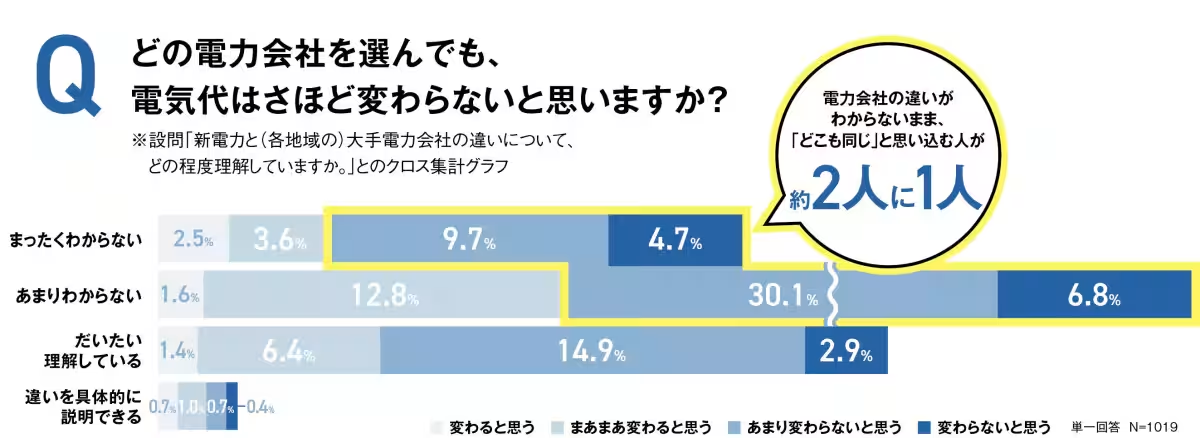
Despite the long-established freedom to choose electricity companies and price plans, a prevailing sentiment persists that switching won’t yield any cost benefits, leading many individuals to resign themselves to high electricity bills. This misperception fosters a continued reliance on outdated spending habits, hindering potential savings.
The Everyday Costs of Energy Waste
The survey further delves into daily habits that lead to unnecessary electricity expenditure, which has been termed 'Chiri-Tsumo Denki,' or 'trivial waste electricity.' The analysis highlights that seemingly insignificant daily actions can accumulate to substantial costs, revealing critical insights into consumer behavior.
Identifying the Patterns of Waste
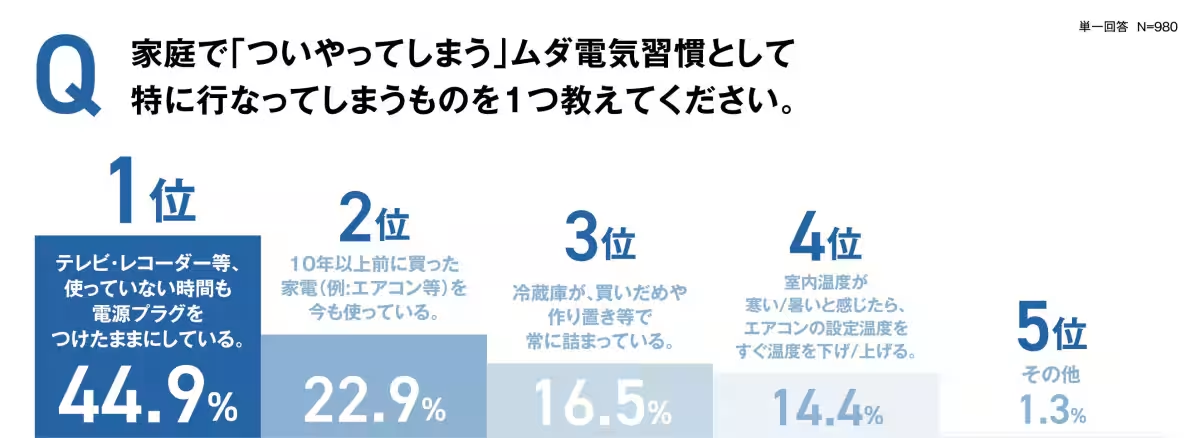
Respondents identified several common behaviors contributing to excessive energy use, with 44.9% admitting to leaving appliances like televisions on standby instead of turning them off. Other noteworthy trends included the usage of household appliances over ten years old (22.9%) and overstuffing refrigerators (16.5%). These habits illuminate a lack of awareness and prompts inquiry into the reasons behind them. For many, the rationale often proves misguided; individuals commonly believe unplugging devices incurs higher electricity costs or feel that using old appliances is a matter of necessity.
The Financial Burden of Inattention
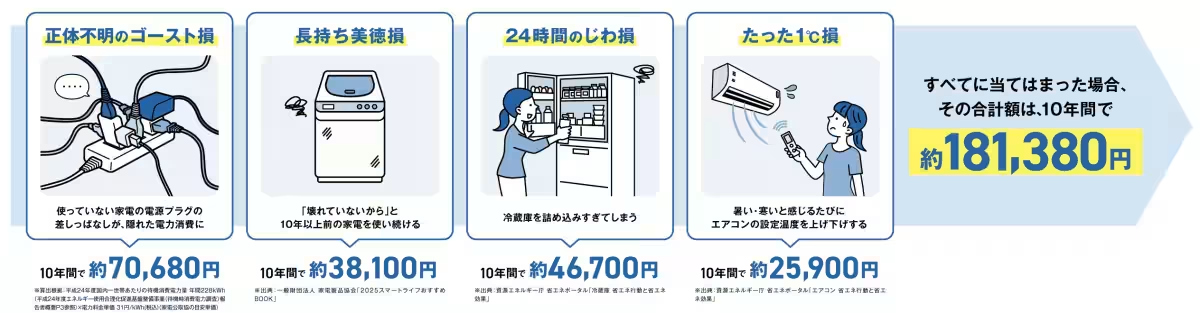
The implications of these everyday habits are striking. Looop’s analysis revealed a staggering potential financial impact of up to 181,380 yen over ten years if individuals do not alter these habits—equating to hidden costs from excessive electricity use that could be curtailed with more mindful practices.
For instance, leaving devices plugged in results in an estimated 70,680 yen in 'ghost costs' due to phantom loads, while persistently using aging appliances yields approximately 38,100 yen in expenses. The aggregates from inadequate packing of refrigerators and frequent adjustments to air conditioning settings further reflect how these overlooked habits can disrupt budgets significantly.
Families at Higher Risk
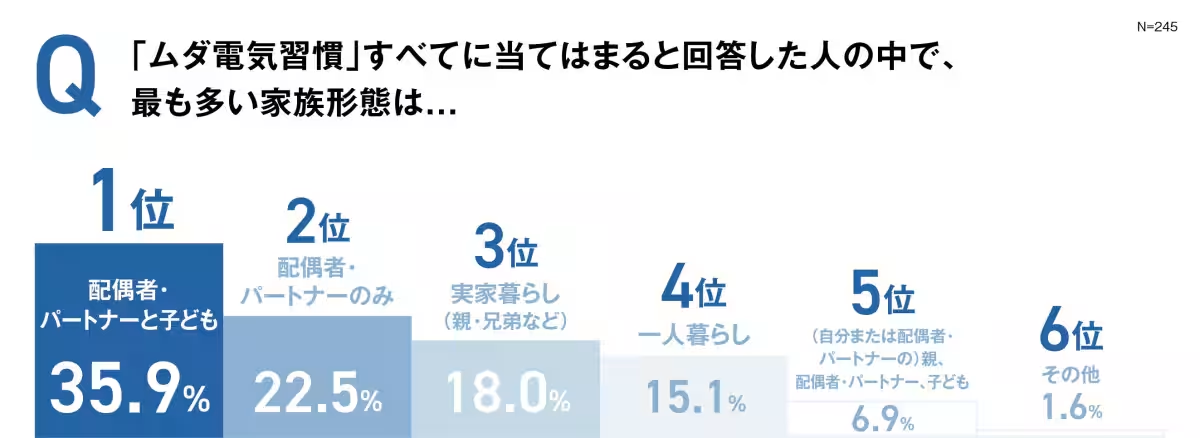
Interestingly, the survey also indicates that families, particularly those with both parents and children living together, are at greater risk for these 'Chiri-Tsumo' expenditures, with findings indicating they are 35.9% more likely to fall into these detrimental habits. The compounding effect of small, habitual oversights can lead to unexpected costs that weigh down household finances—especially pertinent in an economically strained environment.
Addressing Misconceptions: The Real Value of Choice
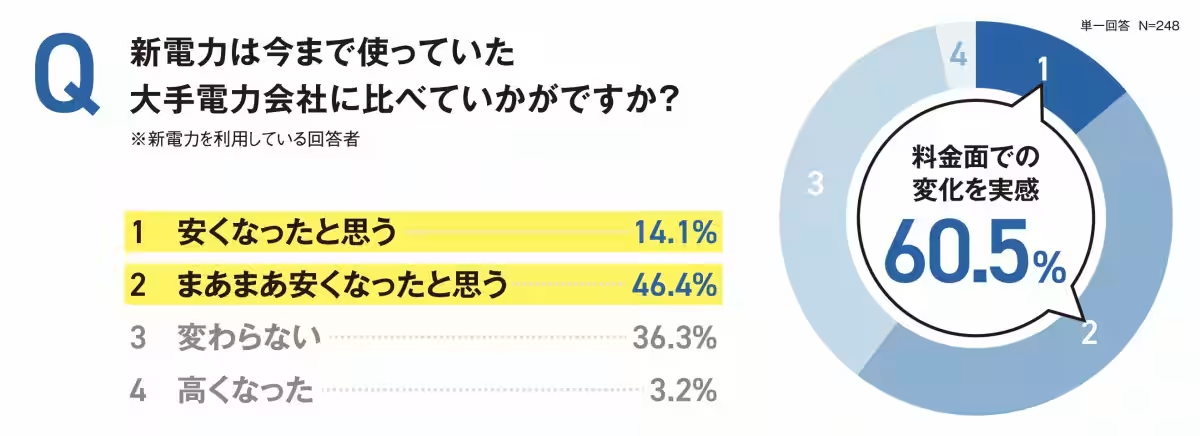
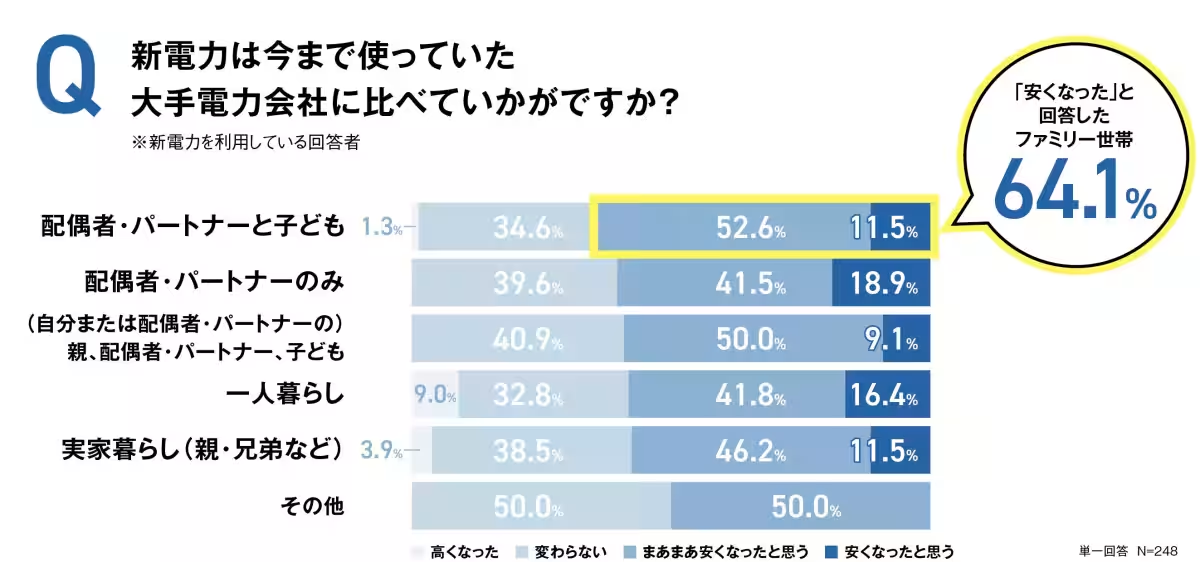
Looop’s survey also addresses the misconception that all energy providers are the same. Among current new electricity users, a striking 60.5% reported reduced bills when switching from traditional utility companies, contradicting the belief that alternatives do not offer savings. This provides a potential roadmap for families to consider more conscious choices about their energy providers and foster a more sustainable relationship with their electricity consumption, paving the way for improved financial health.
Conclusion: Reevaluating Energy Choices in a Changing Landscape
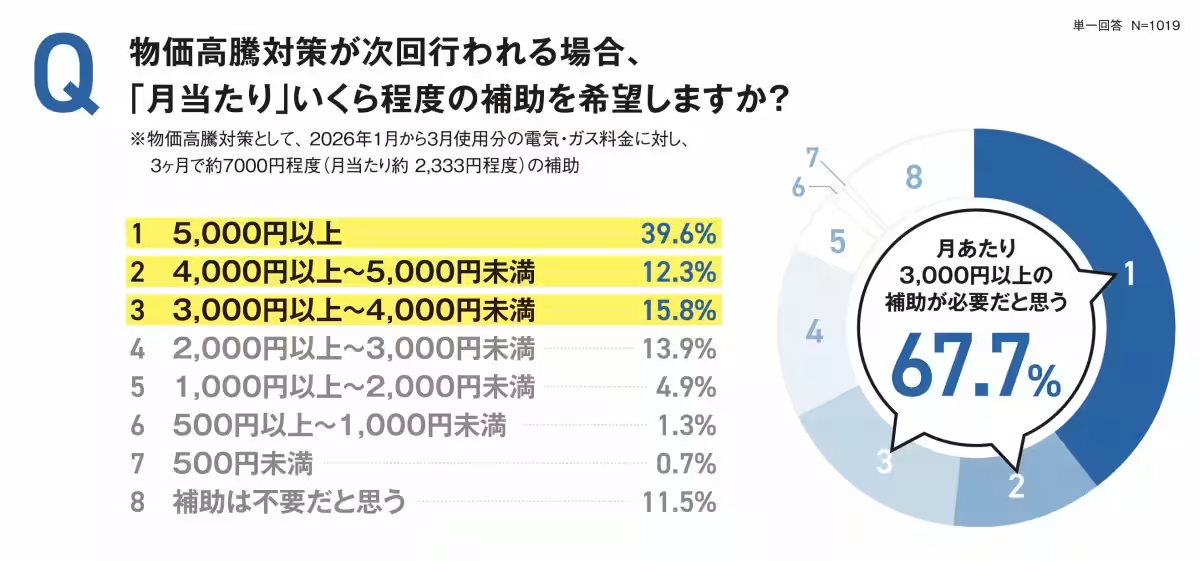
As Japan approaches the anniversary of its electricity industry liberalization, the findings of this survey emphasize the urgent need for consumers to reconsider their energy habits. The end of government subsidies designed to alleviate rising utility costs marks a suitable point for individuals to rethink their energy strategies. In this new era of energy consumption, fostering awareness and adapting habits is crucial to manage household costs effectively. The collective behavior change can significantly impact not only individual finances but could also contribute to broader energy efficiency trends across the nation.
Topics Consumer Products & Retail)
【About Using Articles】
You can freely use the title and article content by linking to the page where the article is posted.
※ Images cannot be used.
【About Links】
Links are free to use.