



Exploring Leadership Trends: A Shift Towards Delegation and Support
Recent Leadership Insights from CBASE Survey
In a groundbreaking survey conducted by CBASE, a leader in HR survey cloud services based in Tokyo, significant trends in leadership styles have been uncovered. The mission of CBASE is to enhance individuals, organizations, and society through feedback and dialogue, and the findings from this survey shed light on the current state of leadership within various organizations.
Key Findings of the Survey
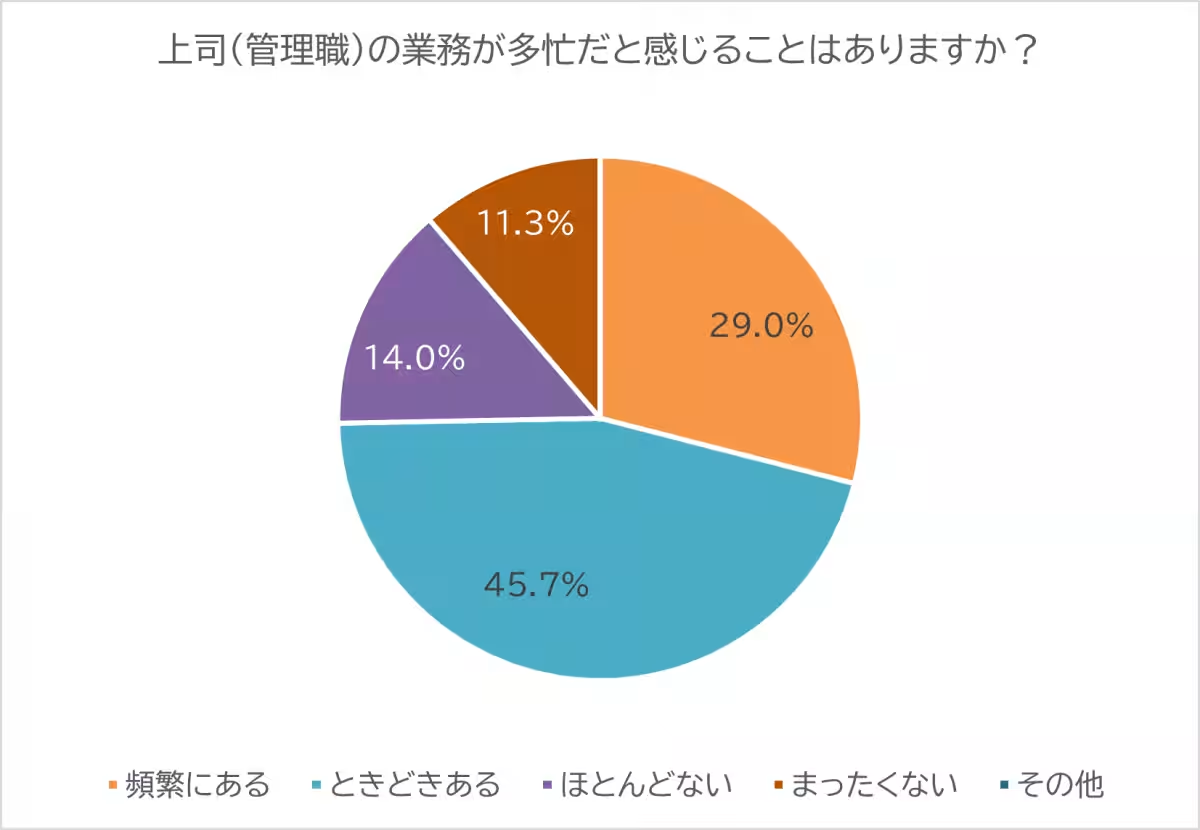
The responses from employees indicate that a staggering 75% feel their bosses are often busy and overwhelmed by their responsibilities. Specifically, 29% reported that this busy state happens frequently and 46% indicated it's sometimes the case.
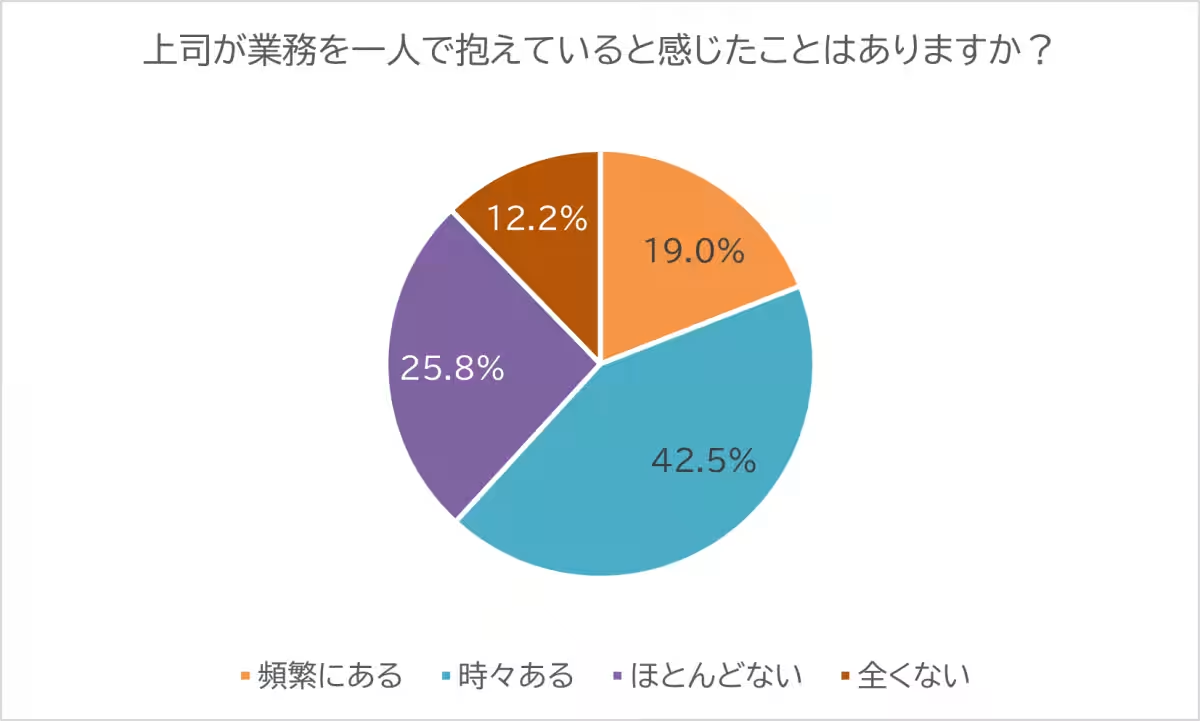
Moreover, 62% of respondents perceive that their managers tend to shoulder all responsibilities alone. When asked whether they feel their superiors are managing workload effectively, 19% reported frequent occurrences of such overwhelm, while approximately 43% said they feel it sometimes.
This paints a troubling picture of management health, where the majority of supervisors are recognized by their subordinates as overburdened and struggling to distribute tasks.
Delegation Challenges
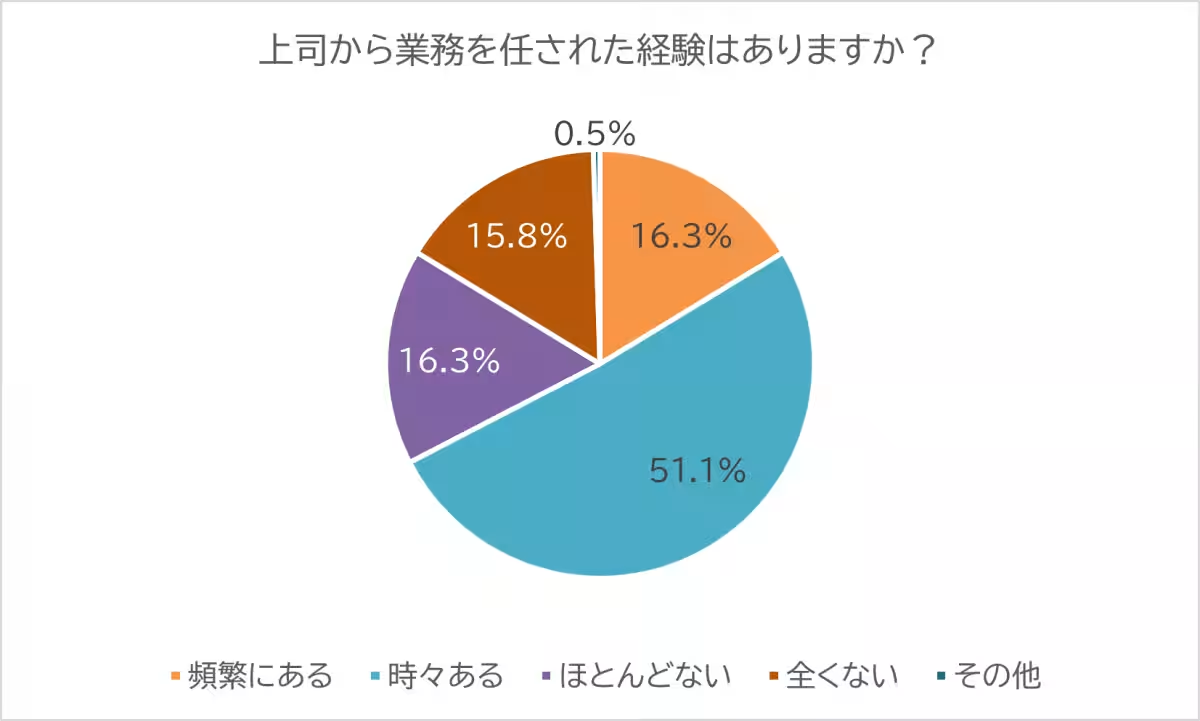
A further inquiry into how often employees are assigned tasks by their busy bosses revealed that only 16% indicate they are regularly entrusted with responsibilities. Conversely, 51% share that they are occasionally given tasks, showing a significant number—over 30%—are receiving minimal task assignments from their higher-ups despite the evident workload.
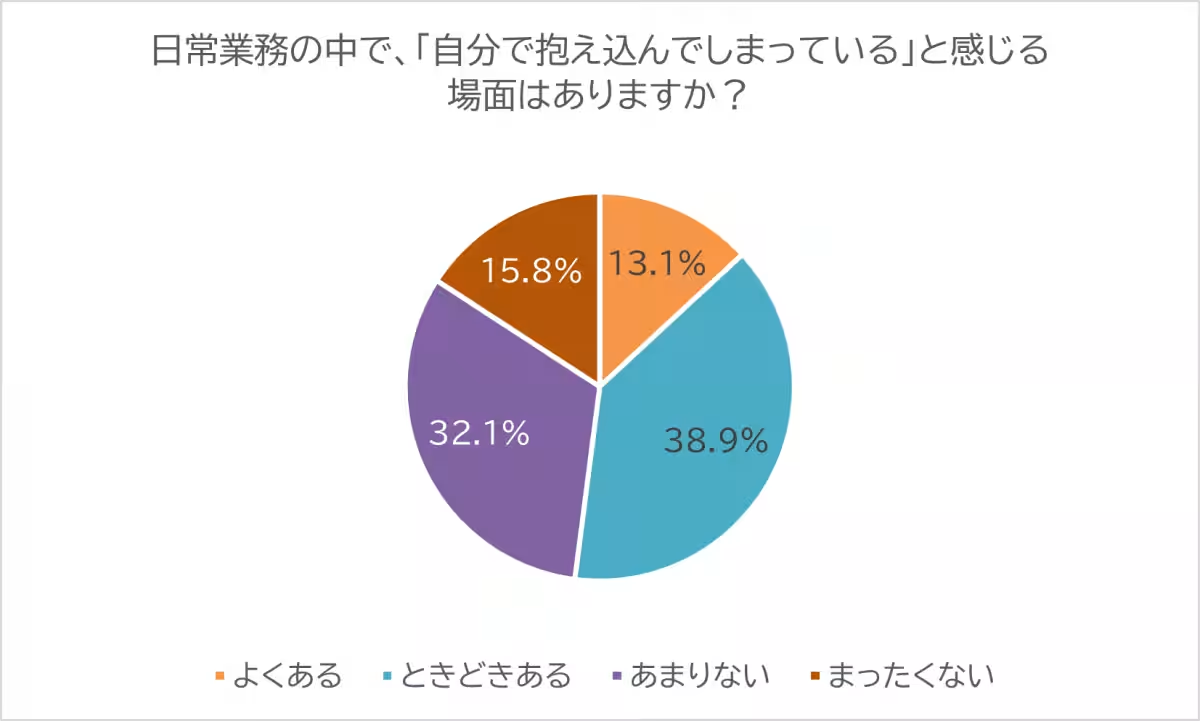
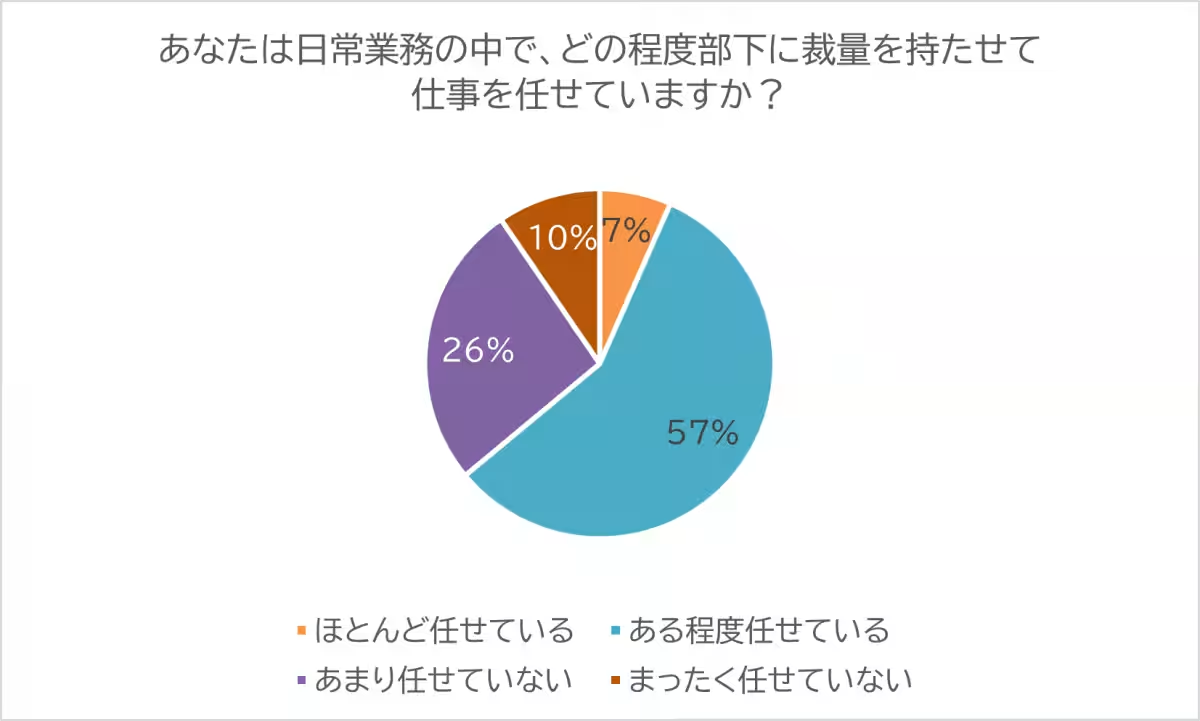
In examining the managers' perspective, more than half of them acknowledge their tendency to hold onto tasks. When asked, 13% admitted often feeling overwhelmed by responsibilities, while 39% disclosed this feeling occurs at times. Only 7% of managers reported they almost always delegate tasks effectively.
The Anxiety of Delegation
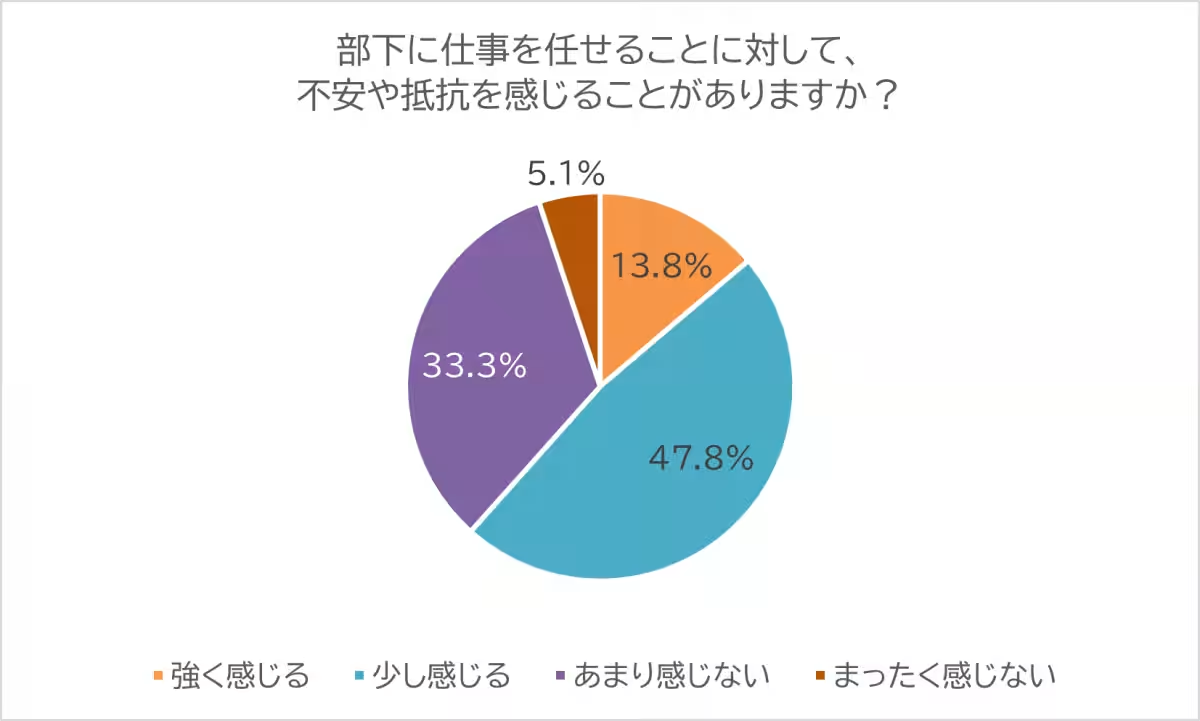
Interestingly, when asked about their feelings towards delegation, 63% of managers expressed some level of apprehension about entrusting work to their team. This includes 14% who feel this strongly and 48% who feel it slightly; only a mere 5% claimed to feel no anxiety at all regarding delegation. This indicates a significant hurdle for leadership, as many managers lack confidence in their ability to effectively support their teams through delegation.
Reactions to Task Assignment
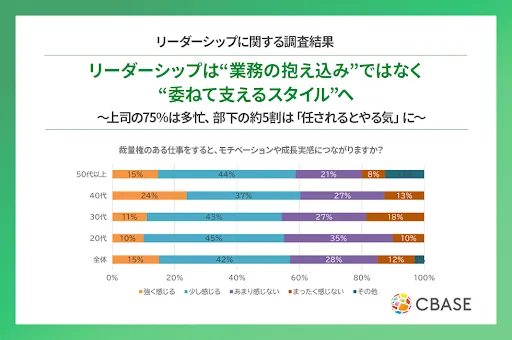
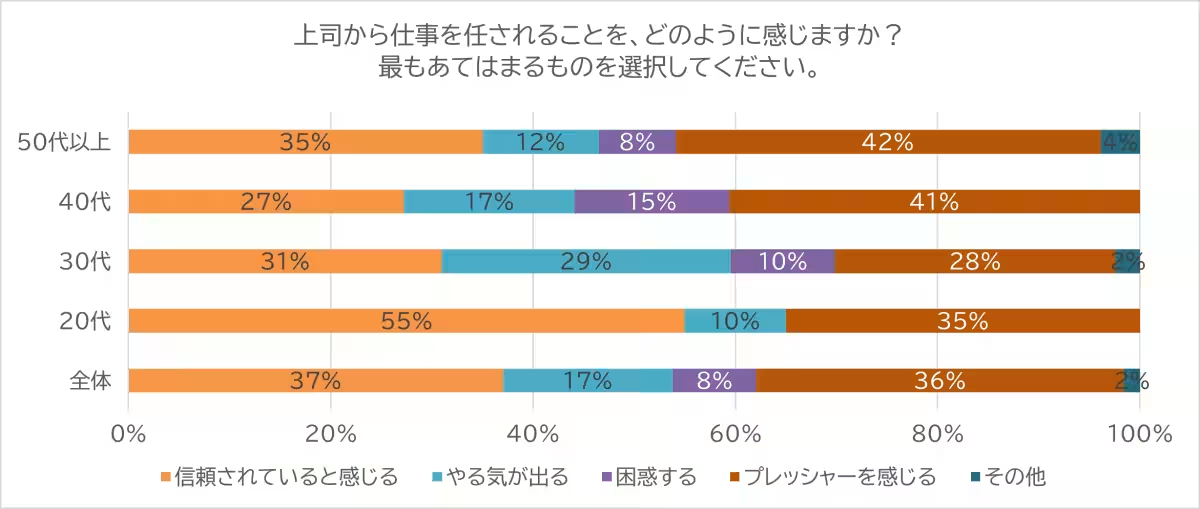
For those moments when tasks are delegated, approximately 50% of employees respond positively, feeling trusted or motivated. However, 36% reported feeling pressured, suggesting that while delegation can enhance motivation, it also introduces stress that could affect performance.
Younger generations, particularly those in their 20s, seem to be more positively impacted by these responsibilities, indicating a potential benefit in term of growth and learning from such assignments.
Motivation Through Autonomy
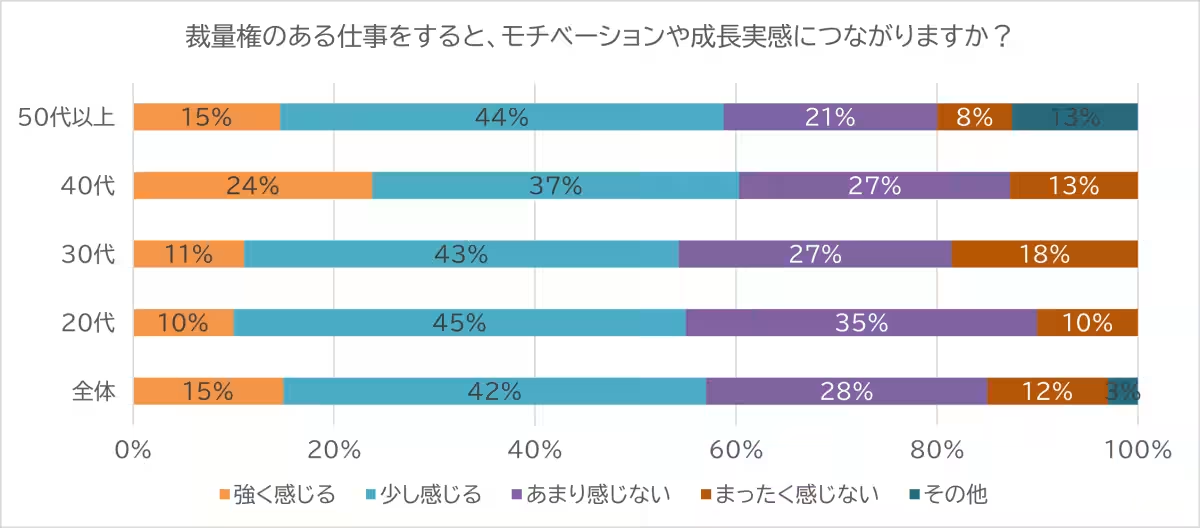
The sense of autonomy associated with delegated responsibilities is notable as well, with 15% strongly feeling that having discretion over their work significantly enhances their motivation, while 42% stated this sentiment somewhat resonates with them. The results, particularly for those in their 40s, reveal that experienced professionals gain the most from leading roles incorporating autonomy.
Consequently, the study suggests that managers must begin to focus on providing their teams with more autonomy and viewing delegation as an opportunity for development, rather than a burden to bear.
Conclusion
This survey sheds light on a significant disconnect in leadership dynamics—while managers recognize their busy workloads and feel the need to delegate, there remains a notable reluctance to trust their subordinates fully. Bridging this gap requires fostering open dialogue and supportive management practices. Nurturing trust through delegation not only benefits employee growth but can also alleviate managerial pressures, thereby enhancing overall workplace health.
Survey Methodology
- - Methodology: Internet-based research
- - Sample Size: 230 business professionals, including 136 in managerial positions
- - Region: Nationwide
- - Conducted: August 2025
CBASE aims to continue leading the charge in evolving organizational practices through innovative feedback and support. As companies aim for growth and development, CBASE remains committed to providing the necessary tools and insights to make these changes happen effectively.
Topics People & Culture)




【About Using Articles】
You can freely use the title and article content by linking to the page where the article is posted.
※ Images cannot be used.
【About Links】
Links are free to use.