



2025 Good Room Network Community Living Satisfaction Ranking Overview Report
2025 Good Room Network Community Living Satisfaction Ranking Overview
Daito Kentaku Inc., based in Minato-ku, Tokyo, has published a comprehensive overview report on the largest living satisfaction survey to date, titled the "2025 Good Room Network Community Living Satisfaction Ranking". This extensive survey targets over 845,588 men and women aged 20 and above, residing in 1,890 municipalities nationwide, focusing on their feelings about where they live. The findings began to be shared with the announcement of the "Metropolitan Area Version" in May 2025, continuing a nationwide series throughout the year. Collaborating with Takenaka Corporation, the research team explored the preferences and patterns of respondents who contributed to the aspirations associated with desired living environments, commonly used as Key Performance Indicators by local governments.
Main Points of the 2025 Community Living Satisfaction Ranking
1. Five Distinctive Preference Types for Desired Living Environments
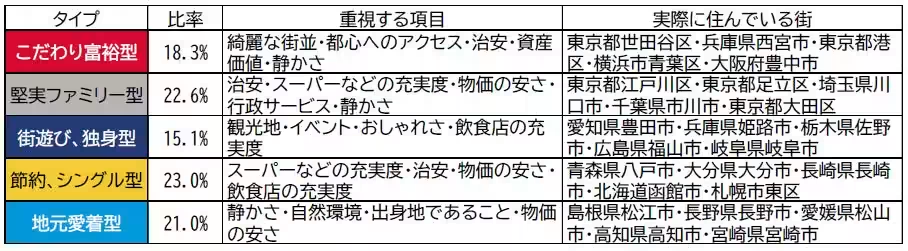
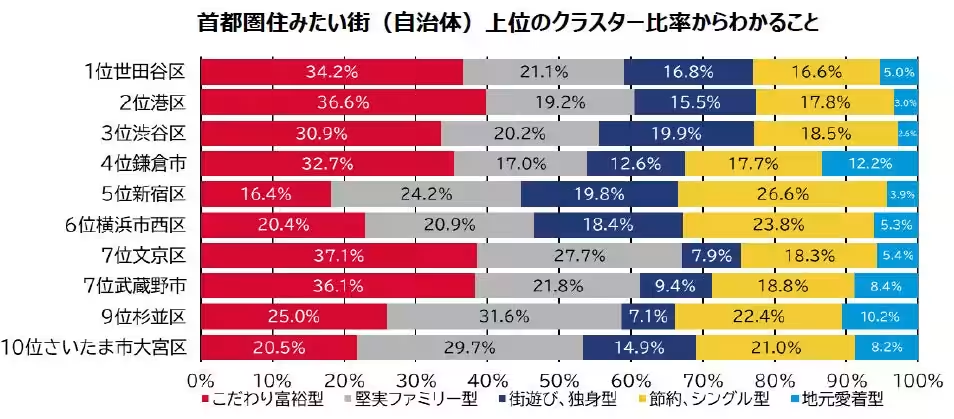
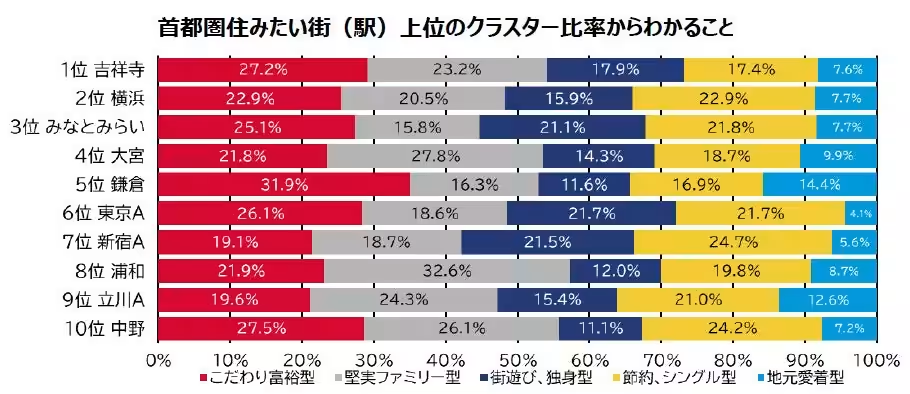
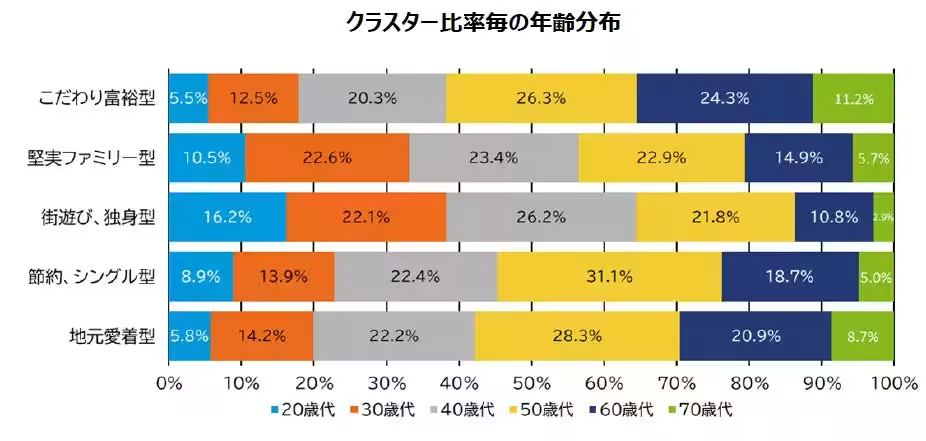
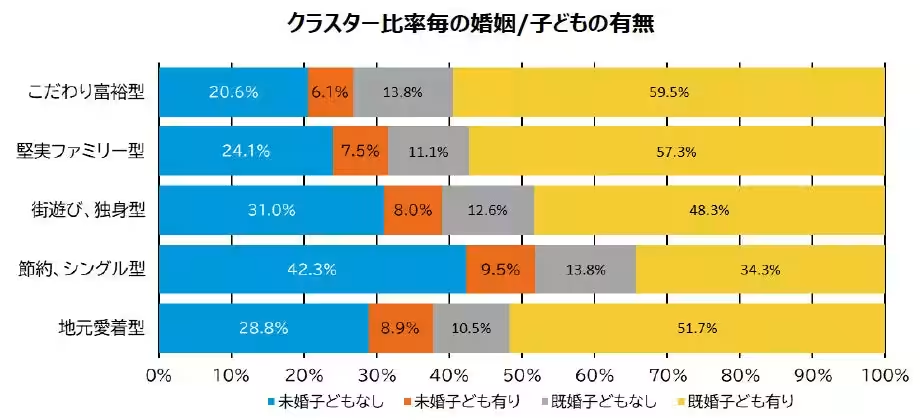
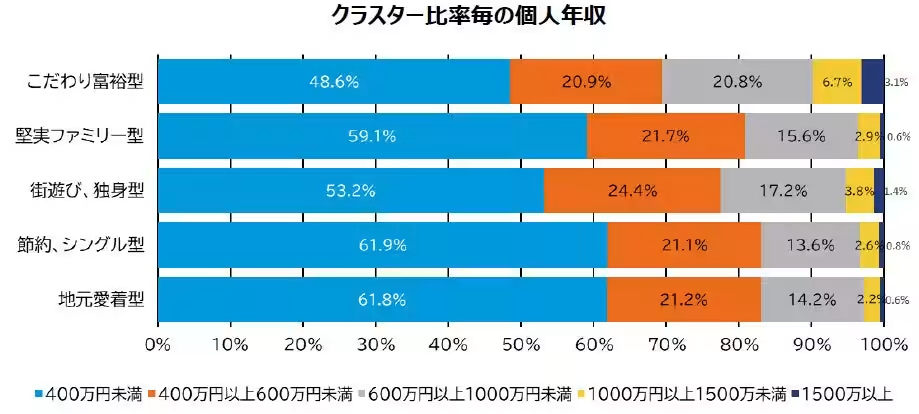
The survey featured questions to gauge what residents seek in their ideal neighborhoods, including options like "desirable neighborhoods with excellent public services and childcare support" or "trendy areas with a sense of status." Through cluster analysis, five distinct preference types emerged: Affluent Connoisseurs, Practical Families, Urban Singles, Frugal Singles, and Local Attachment Types.
2. Characteristics of the Five Preference Types
Each of these types carries unique characteristics, especially in terms of priorities for their ideal living situation, the persona associated with each type, and the actual neighborhoods where respondents currently reside. This understanding can significantly aid urban planners and developers in catering to diverse community needs.
3. Differing Desired Neighborhoods Among Preference Types
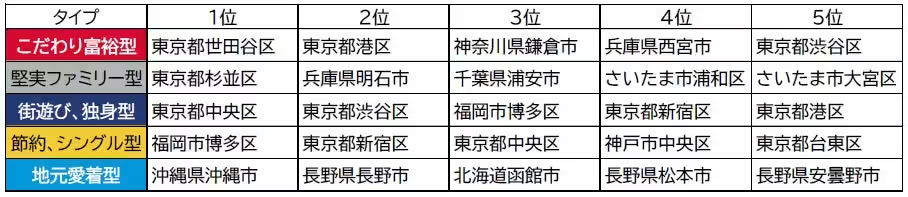
The top desired neighborhoods vary among the five preference types. For instance, Affluent Connoisseurs are likely to favor upscale areas, whereas Practical Families might opt for family-friendly neighborhoods. This ranking offers a glimpse into the preferences of different demographic segments and their inclinations toward certain areas.
Preference Type Distribution in the Metropolitan Area
The votes that form the desired neighborhood rankings reflect the preferences of non-residents as well as trends in voting patterns based on proximity. Below is a brief overview:
- - Affluent Connoisseurs mainly voted for areas like Bunkyo-ku and Minato-ku.
- - Practical Families prominently favored Suginami-ku and Omiya-ku in Saitama.
- - Urban Singles showed a preference for vibrant areas such as Shibuya and Shinjuku.
- - Frugal Singles often chose locations like Shinjuku and Yokohama.
- - Local Attachment Types preferred neighborhoods in Kamakura and Suginami.
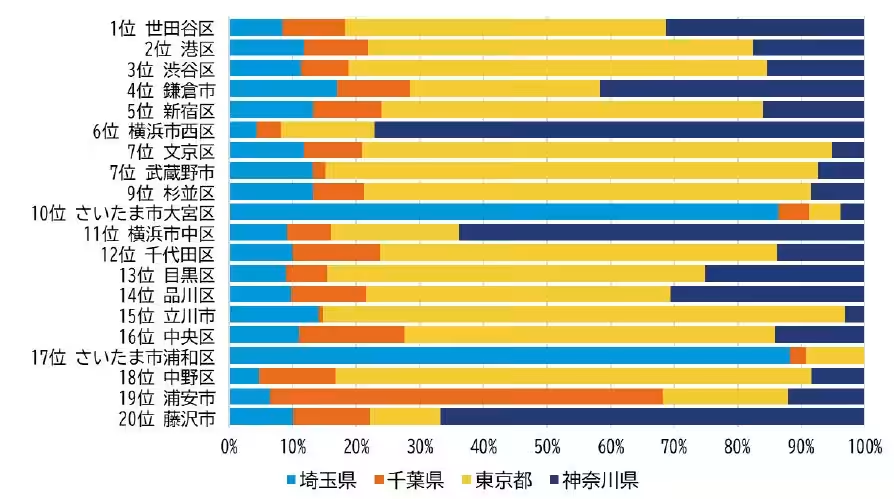
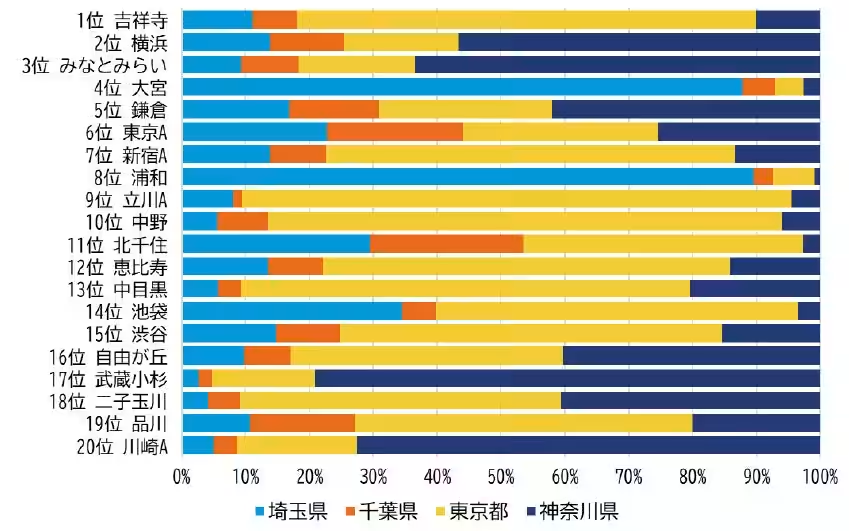
Surveys indicated that preferences are strongly influenced by how close one lives to these sought-after tweets, with responses notably higher among local residents.
Community Preference Insights
Within the rankings, neighborhoods like Omiya and Urawa garnered significant support (86% and 88% respectively) from residents in Saitama Prefecture. Similar trends were noted in Tokyo, where residents of cities like Tachikawa and Musashino frequently voted for their hometowns.
This analysis reveals a broader trend: individuals are more inclined to select neighborhoods where they regularly engage, and often where they envision settling down in the future. The report clearly demonstrates how closely consumer preferences align with their lived experiences and local interactions.
Additional Survey Details
The research, conducted by Macromill, involved online questionnaires distributed among registered panelists. The sample encompassed 20 years and older across Japan from 2021 to 2025, ensuring a broad demographic representation. Findings highlighted a balanced gender ratio and insights into marital status and family dynamics.
Daito Kentaku's ongoing commitment to understanding and enhancing living conditions is evident through the establishment of the "Rental Future Research Institute" in 2018, a hub for exploring and advocating for advancements in living standards.
As urban living continues to evolve, understanding these trends will be crucial for developers, policymakers, and residents alike, facilitating the creation of neighborhoods that resonate with the communities they serve.
For further information about the rankings and related research, be sure to visit the Good Room Network.
Topics People & Culture)

【About Using Articles】
You can freely use the title and article content by linking to the page where the article is posted.
※ Images cannot be used.
【About Links】
Links are free to use.