



Survey Reveals Vegetable Consumption Trends and Challenges Among Younger Generations
Survey Insights on Vegetable Consumption in Japan
In a recent survey conducted by Cross Marketing, insights on vegetable consumption trends and challenges were gathered from a nationally representative sample of people aged 20 to 69. This research sheds light on the relationship between health consciousness, vegetable prices, and the habits surrounding vegetable consumption.
Key Findings
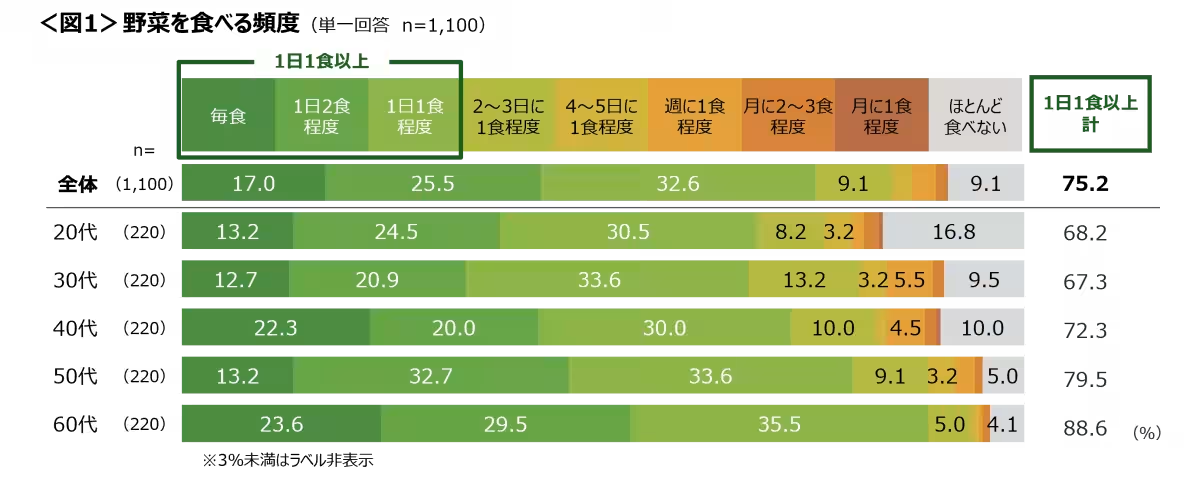
According to the data collected during the survey period from September 11 to September 13, 2026, a significant 75.2% of respondents indicated that they consume vegetables at least once a day. Notably, this frequency increases with age; 88.6% of respondents in their 60s reported consuming vegetables daily, compared to just 16.8% of those in their 20s who claimed to hardly eat any vegetables.
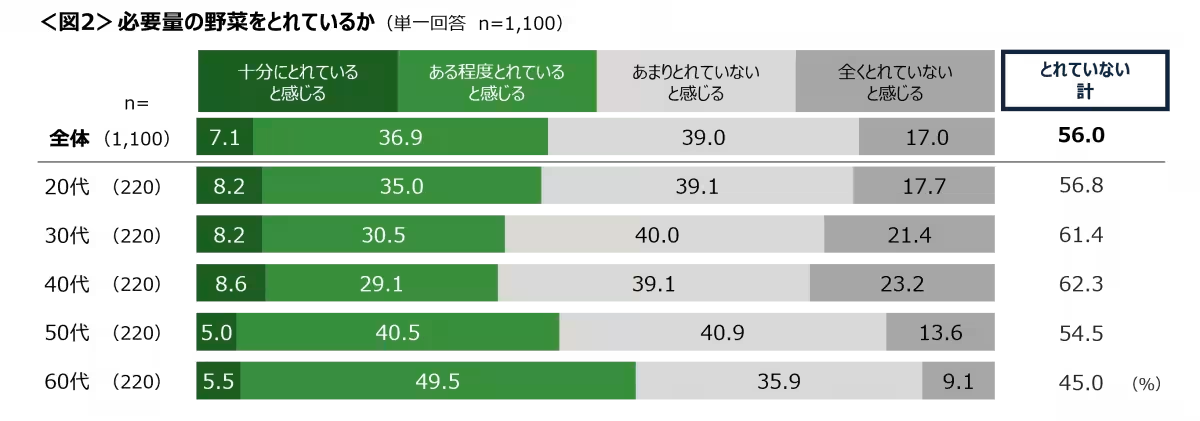
However, an alarming 56% of participants admitted they do not feel they are obtaining the necessary amount of vegetables in their diets. This concern was particularly prominent among people in their 30s and 40s, where over 60% expressed feelings of vegetable inadequacy.
Perceptions of Vegetables
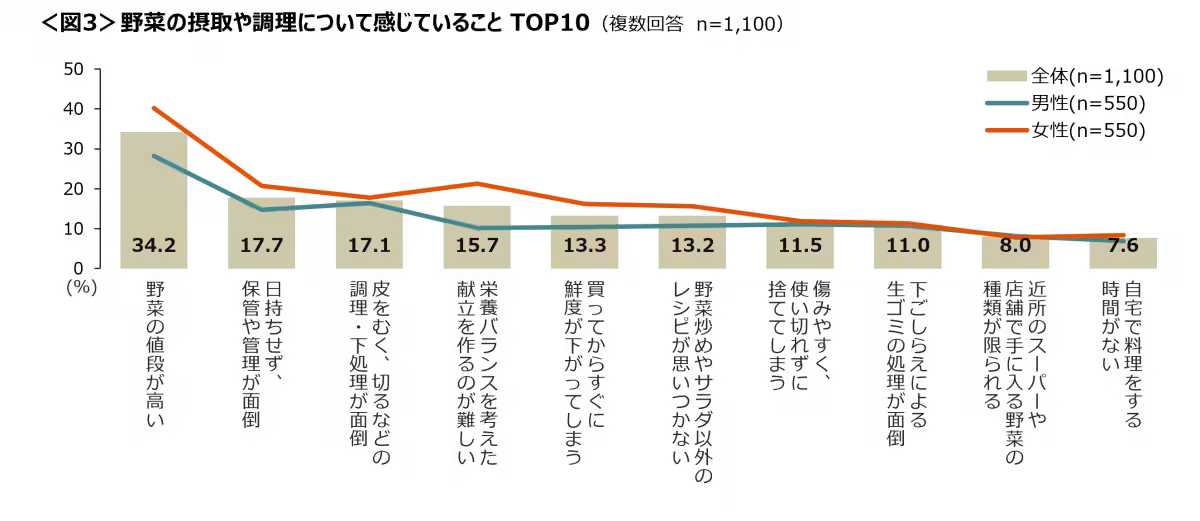
When addressing perceptions related to vegetable consumption and preparation, 34.2% of respondents cited high prices as the primary barrier. This was followed by concerns about perishability, complicated storage and management, and difficulties in meal planning for nutritional balance. Women, in particular, showed a higher tendency to express dissatisfaction regarding vegetable prices and planning balanced meals.
Buying Habits
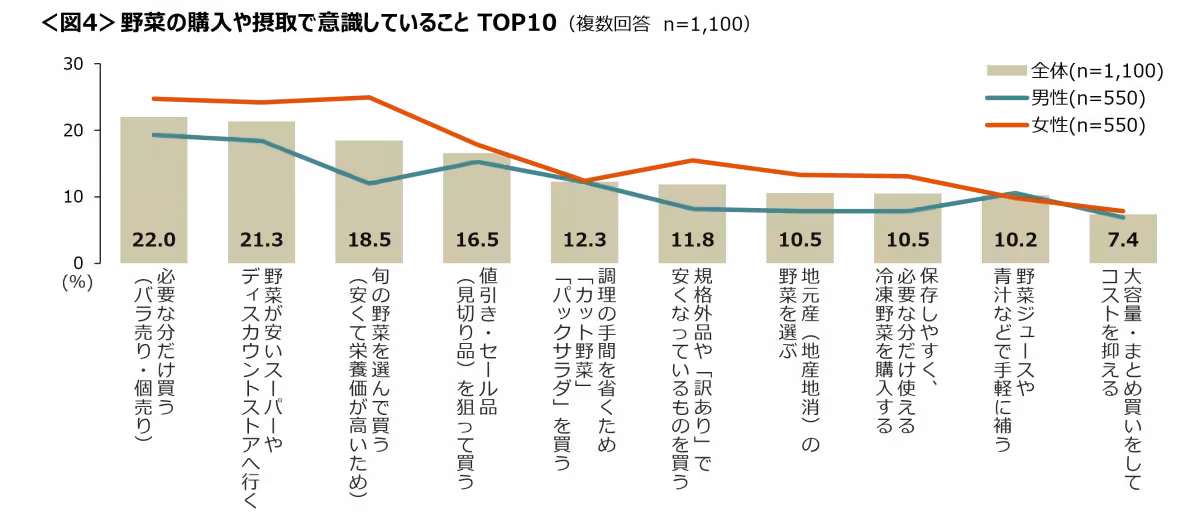
The survey also examined purchasing habits, revealing that the top priorities for consumers are buying only what they need, shopping at discount stores, and selecting seasonal vegetables. Remarkably, the preference for seasonal vegetables was predominantly expressed by women, with their responses exceeding those of men by more than double.
Nutritional Awareness
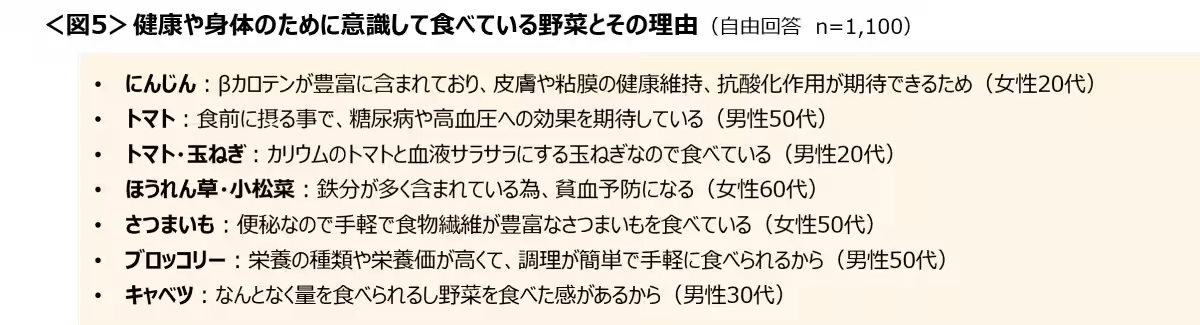
In terms of nutritional choices, vegetables such as carrots, tomatoes, spinach, and sweet potatoes were highlighted as popular choices due to their health benefits. Participants acknowledged the intake of vital nutrients like beta-carotene, lycopene, and iron, alongside the convenience of including these vegetables in their meals.
Conclusion
The findings from Cross Marketing emphasize a concerning gap in vegetable consumption, particularly among younger age groups. As awareness of health and nutrition continues to rise, addressing these barriers could play a crucial role in enhancing vegetable intake and improving public health across generations. The need for effective solutions to increase vegetable availability, affordability, and preparation ease is evident, especially as consumers strive for healthier diets.
For more in-depth insights, you may refer to the detailed report available at Cross Marketing's website.
- ---
Survey Methodology
The survey was conducted using an internet-based research method through Cross Marketing's self-service questionnaire tool, QiQUMO. A total of 1,100 valid responses were collected, providing a diverse view of consumer perceptions and habits regarding vegetables in Japan.
For more information about this survey or additional inquiries, please contact the marketing department at Cross Marketing.
Topics Consumer Products & Retail)



【About Using Articles】
You can freely use the title and article content by linking to the page where the article is posted.
※ Images cannot be used.
【About Links】
Links are free to use.