



The Risks of Self-Treating Sebaceous Cysts: A Study on Recurrence Rates
Understanding Sebaceous Cysts and Treatment Risks
Sebaceous cysts are benign tumors that can form under the skin, commonly known as epidermoid cysts. These cysts develop when a part of the skin transforms into a pouch that traps old keratin and sebum, gradually growing in size. They can appear anywhere on the body, but are particularly frequent on the face, neck, back, and behind the ears.
In a recent survey conducted by IC Clinic, which specializes in dermatological procedures, 300 individuals aged 20 to 60 who had experience with sebaceous cysts were evaluated regarding their treatment approaches. This investigation aimed to shed light on the realities of self-treating these cysts and the associated risks of recurrence.
Key Findings from the Survey
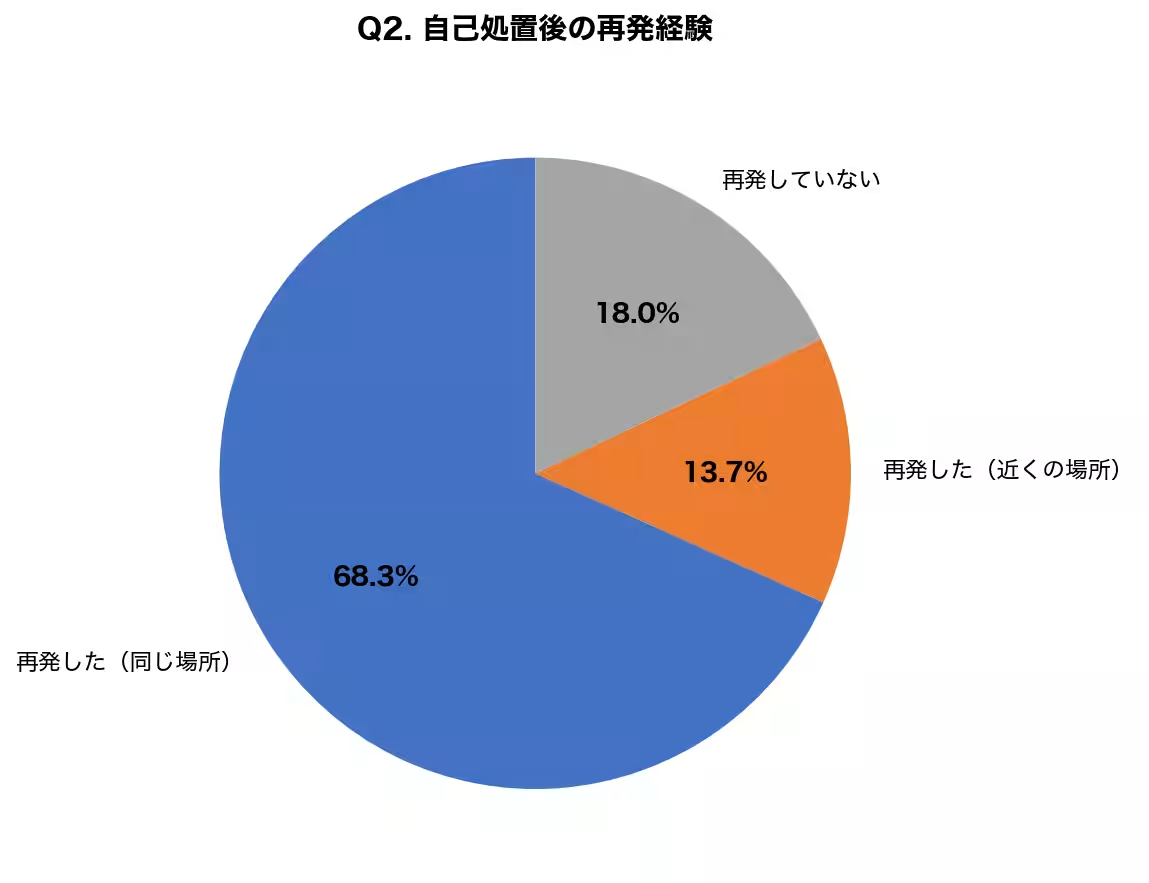
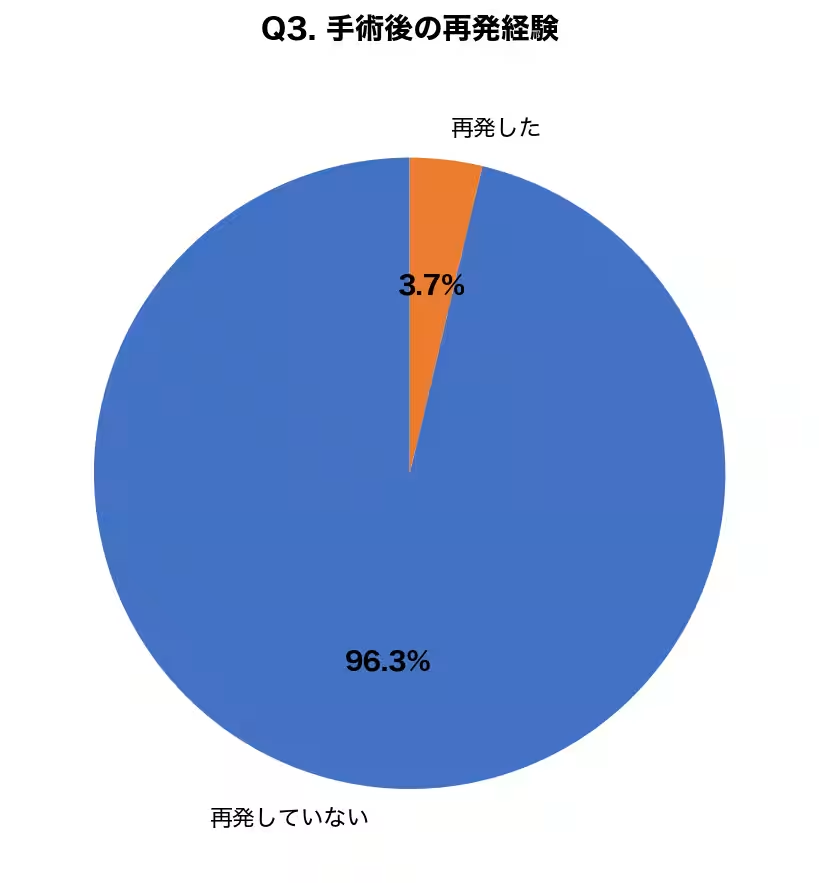
The findings were stark, indicating a significant disparity between self-treatment and professional medical intervention. A staggering 82% of those who attempted to self-treat their cysts reported experiencing recurrence. In contrast, individuals who underwent surgical procedures at medical facilities encountered a mere 3.7% recurrence rate. This highlights a crucial point: the complete removal of the cyst's structure is essential to prevent recurrence, which is only achievable through medical intervention.
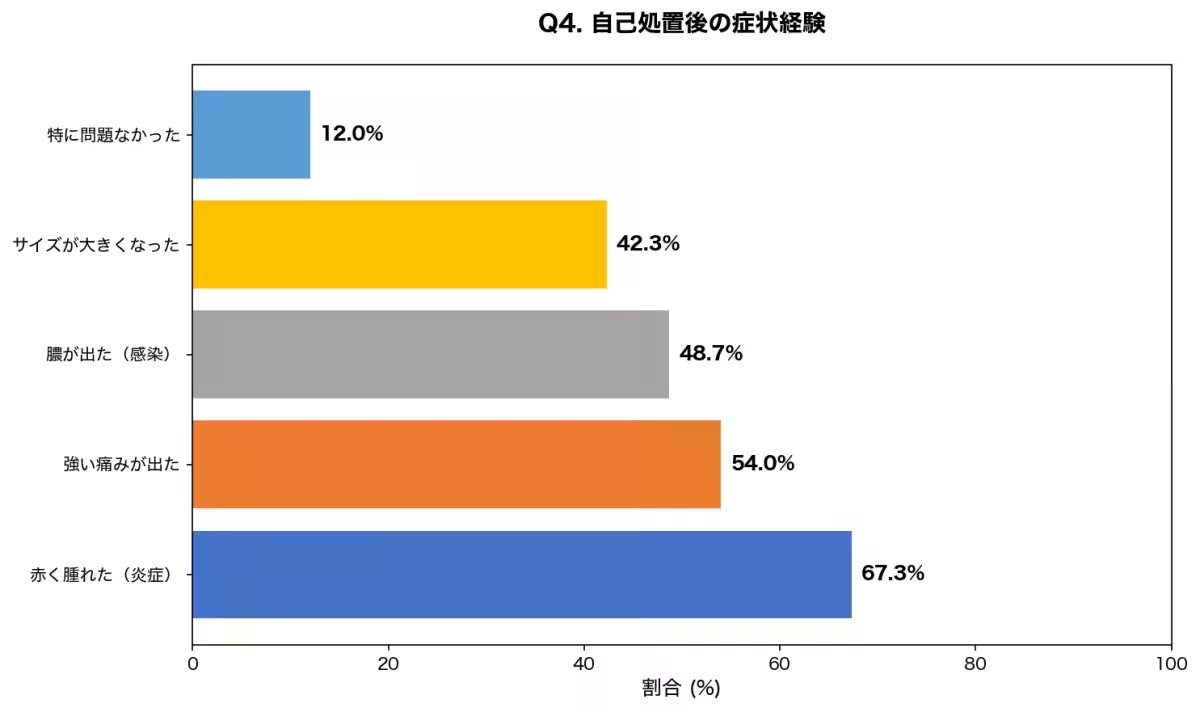
Further supporting evidence emerged from the survey, revealing that 67.3% of respondents who either ignored or self-treated their cysts experienced inflammation or infection. These complications are often triggered by improper handling of the cysts, leading to more severe issues.
The Dangers of Self-Treatment
Self-treating sebaceous cysts primarily involves attempting to squeeze or pop them, a practice that should be avoided at all costs. The body of the cyst remains inside the skin, ensuring that even if some contents are expelled, the risk of re-accumulation is high. This could result in further irritation, inflammation, and even the development of inflammatory cysts, which are characterized by redness, swelling, and pain.
Dr. Kanta Takakuwa, a seasoned specialist at IC Clinic, firmly states, "I highly recommend against self-treatment for sebaceous cysts. The high recurrence rate of 82% observed in our survey aligns with clinical observations and may even be conservative."
Treatment Options: Surgical Intervention vs. Self-Treatment
The traditional and effective method for treating sebaceous cysts is surgical excision. The excisional technique involves making a small incision to remove the entire cyst along with its sac, significantly reducing recurrence rates to around 3-5%. In contrast, the common misconception that popping the cyst will resolve the issue leads to persistent problems, including potential infections and complications requiring additional treatment.
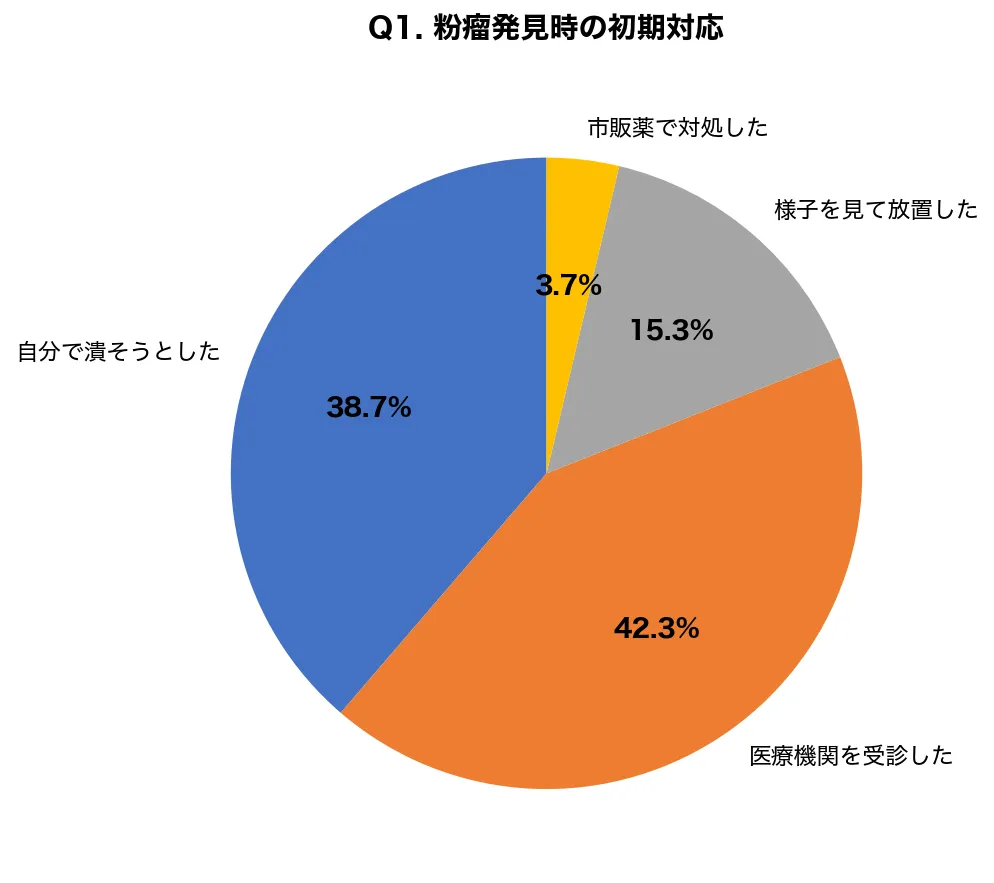
Surprisingly, the study revealed that nearly half of the respondents seeking treatment had initially attempted to manage their cysts independently before consulting a professional. The prevalence of misinformation about sebaceous cysts, such as the belief that they can simply be popped, contributes to this worrying trend.
Misconceptions and Treatment Awareness
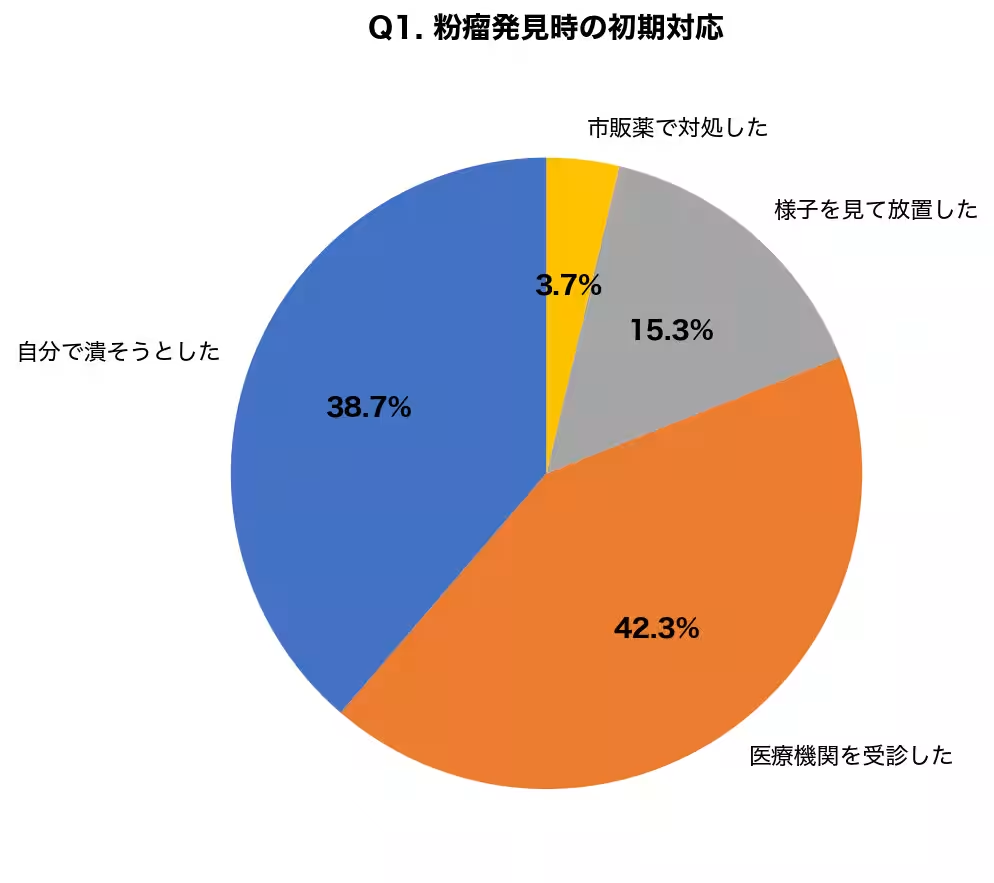
The misconception that self-treatment is an effective solution persists, largely fueled by anecdotal instances and misleading online content. As the survey showed, 38.7% of respondents attempted self-treatment, while only 42.3% sought professional medical advice for their cysts. This reflects a critical need for enhanced public awareness regarding the proper treatment of sebaceous cysts.
Addressing Common Fears About Surgical Treatment
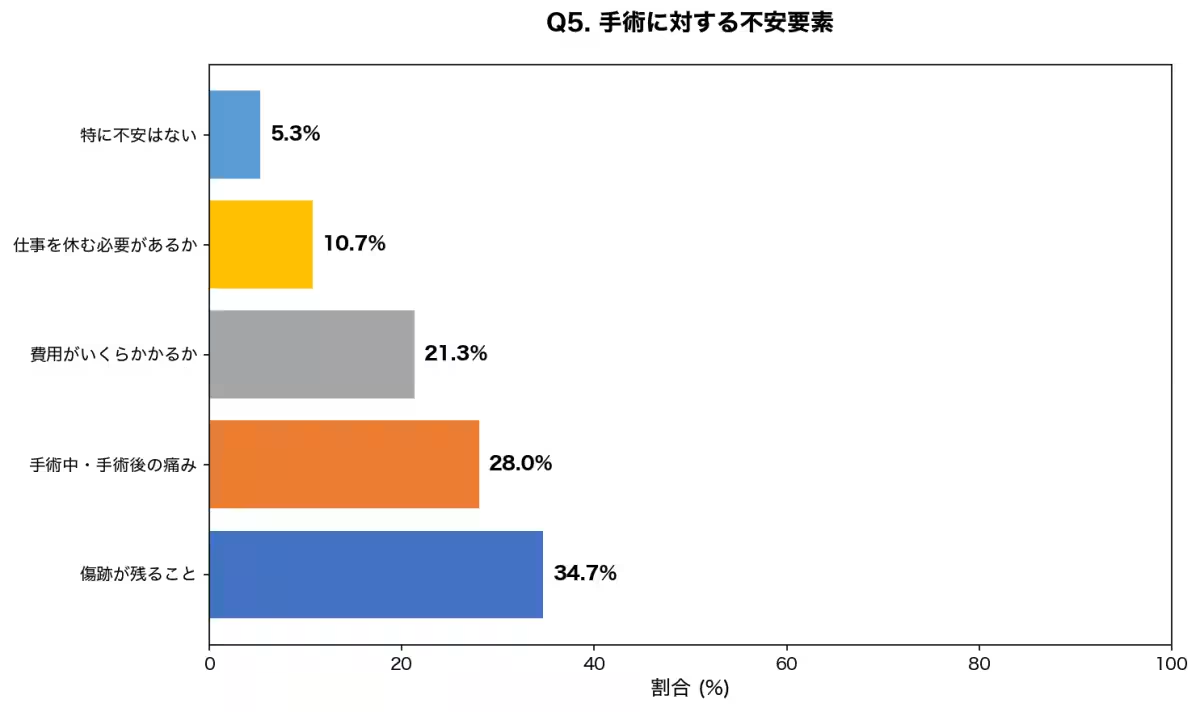
During the survey, the most common concern regarding surgical intervention was the potential scarring, with 34.7% of participants voicing this apprehension. However, the modern puncture and drain technique, which enables minimal invasiveness, typically results in scars that are usually small, measuring only 2-4mm.
Moreover, with local anesthesia and short procedure times, surgical interventions are generally conducted on an outpatient basis, allowing most patients to return home the same day. Costs, often a deterrent for many, are manageable, as most procedures are covered by health insurance, requiring only a fraction of the total cost out of pocket (approximately 4,000 to 15,000 yen depending on the cyst's size and location).
Conclusion
The survey concludes that self-treating sebaceous cysts poses an exceptionally high risk of recurrence and complications, urging immediate medical advice for anyone experiencing these skin irritations. Avoiding self-treatment not only minimizes unnecessary complications and worsening symptoms but also provides access to effective treatment options. With timely intervention, the chances of swift recovery with minimal scarring increase significantly, ultimately protecting long-term skin health.
Engaging with healthcare professionals for sebaceous cysts ensures proper diagnosis, management, and peace of mind against the risks associated with self-treatment. Prompt consultation is vital for maintaining skin integrity and preventing detrimental health outcomes.
Topics Health)
【About Using Articles】
You can freely use the title and article content by linking to the page where the article is posted.
※ Images cannot be used.
【About Links】
Links are free to use.