



Innovative Magnesium Alloy Processing Techniques Enhancing Medical Stent Development
Innovative Magnesium Alloy Processing Techniques
Makuru, a Japanese company located in Fujinomiya, Shizuoka, has announced a groundbreaking innovation in the processing of magnesium alloy pipes as a result of collaborative research with the University of Tokyo. This advancement comes at a critical time as the demand for superior medical devices, particularly biodegradable stents for dialysis patients, continues to rise.
Overview of the Innovation
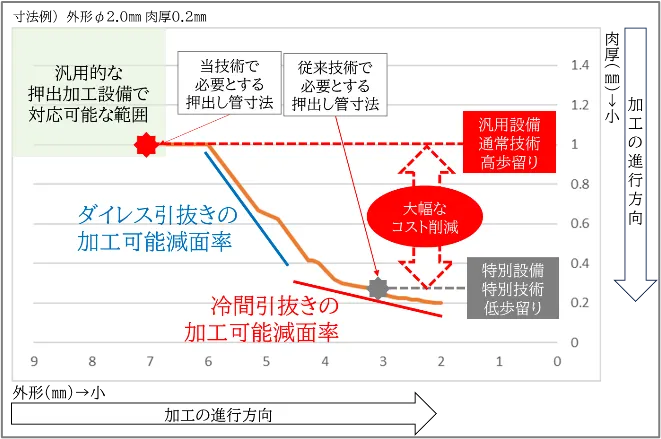
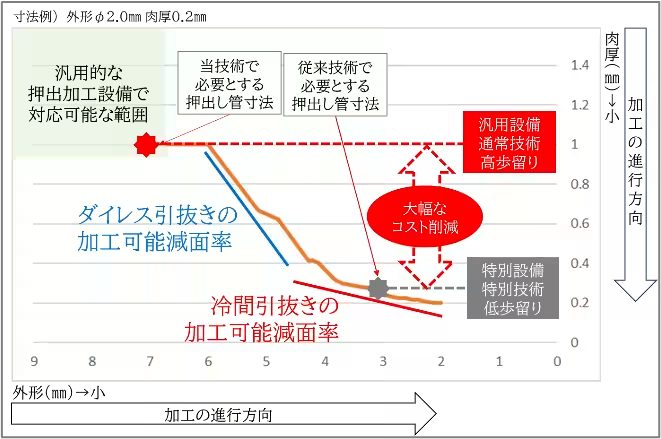
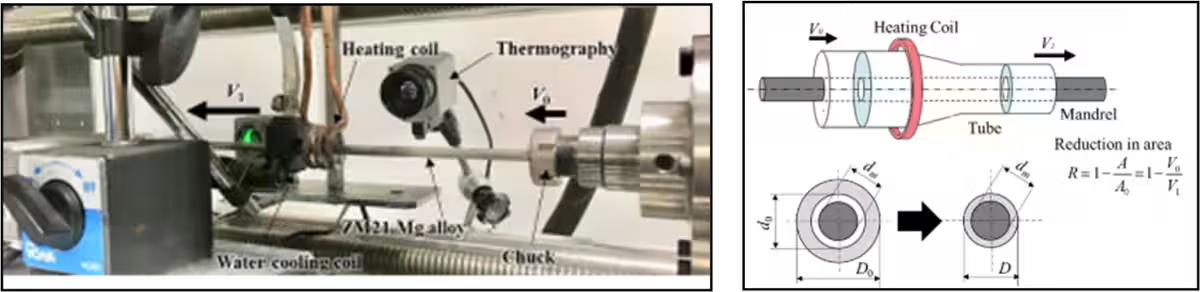
The new processing technique developed by Makuru combines die-less drawing (DL) and cold drawing methods, allowing for the creation of high-precision magnesium alloy pipes while maintaining economic feasibility. This hybrid process is essential for producing stents which require tubing with a diameter of less than 3mm, a challenging task due to the inherent properties of magnesium alloys.
The innovative technology streamlines operations by enabling the production of tubing in standard dimensions during the extrusion process without the typical difficulties associated with magnesium alloys. Once created, these tubes undergo significant reduction through the die-less process, allowing for both diameter and wall thickness to be decreased more robustly than conventional methods. Subsequently, the cold drawing process is employed to achieve the desired dimensional precision and surface finish, making the end product suitable for medical applications.
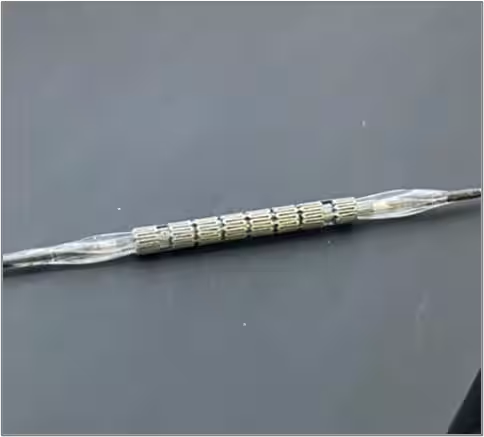
A significant milestone in this development is the provision of sample tubes to SG Biomedical, a Taiwanese company working to manufacture stents specifically tailored for dialysis treatments.
Importance in Medical Applications
Magnesium alloys are currently highly regarded materials for biodegradable medical devices owing to their favorable properties, including high specific strength, biodegradability, and biocompatibility. However, achieving a stable supply chain for these precision tubes has been problematic, particularly given the low reduction rates seen in cold drawing processes compared to other metals.
The collaborative research led by Makuru and the University of Tokyo's deformation processing lab has effectively tackled this issue. By leveraging the research achievements and expertise from the lab, Makuru was able to employ regional support through Shizuoka Prefecture’s medical device industry enhancement grant program.
This development not only addresses existing challenges in the field but also aims to enhance the surgical treatment outcomes for dialysis patients. SG Biomedical has set a target to increase the current surgical success rates from 50% to over 70% through the incorporation of these innovative stents.
Future Aspirations
With the successful integration of these magnesium alloy pipes into medicinal applications, Makuru seeks to expand its influence in the wider field of biodegradable medical devices. This includes plans for further advancements and collaborations with other institutions to foster innovation and improve patient outcomes. The company’s commitment to enhancing healthcare technology through sustainable materials demonstrates a forward-thinking approach towards the challenges faced in medical treatments today.
In summary, the groundbreaking work conducted by Makuru and its partners not only paves the way for advances in medical technology but also reinforces the growing importance of biodegradable materials in healthcare. As the demand for environmentally responsible medical solutions surges, innovations like these position Makuru at the forefront of such progress in the industry.
Topics Health)
【About Using Articles】
You can freely use the title and article content by linking to the page where the article is posted.
※ Images cannot be used.
【About Links】
Links are free to use.