



The Debate Over Over-the-Counter Emergency Contraceptives: Should Men Be Able to Buy Them?
The Debate Over Over-the-Counter Emergency Contraceptives: Should Men Be Able to Buy Them?
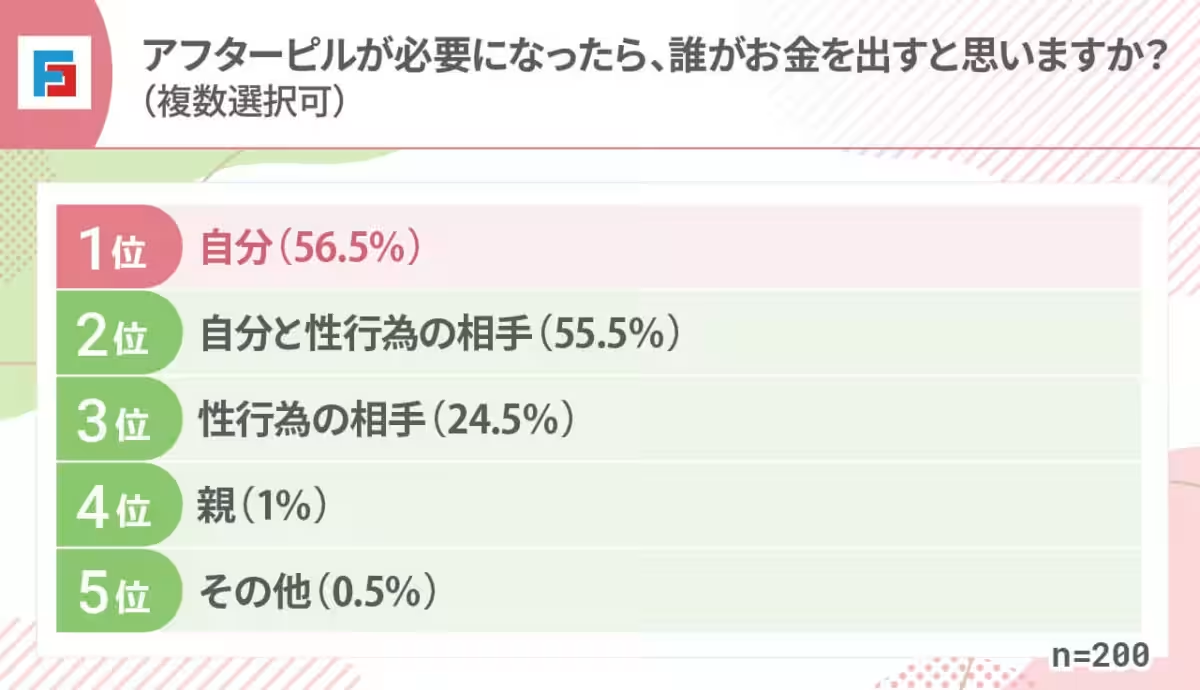
In recent months, the discussion around the availability of over-the-counter emergency contraceptive pills in Japan has gained momentum, fueled by a new survey conducted by the Fit Clinic in Shibuya, Tokyo. This survey involved 200 women and explored their opinions on whether men should be able to purchase these contraceptives, a matter that goes beyond individual choice to encompass shared responsibility in reproductive health.
Key Findings from the Survey
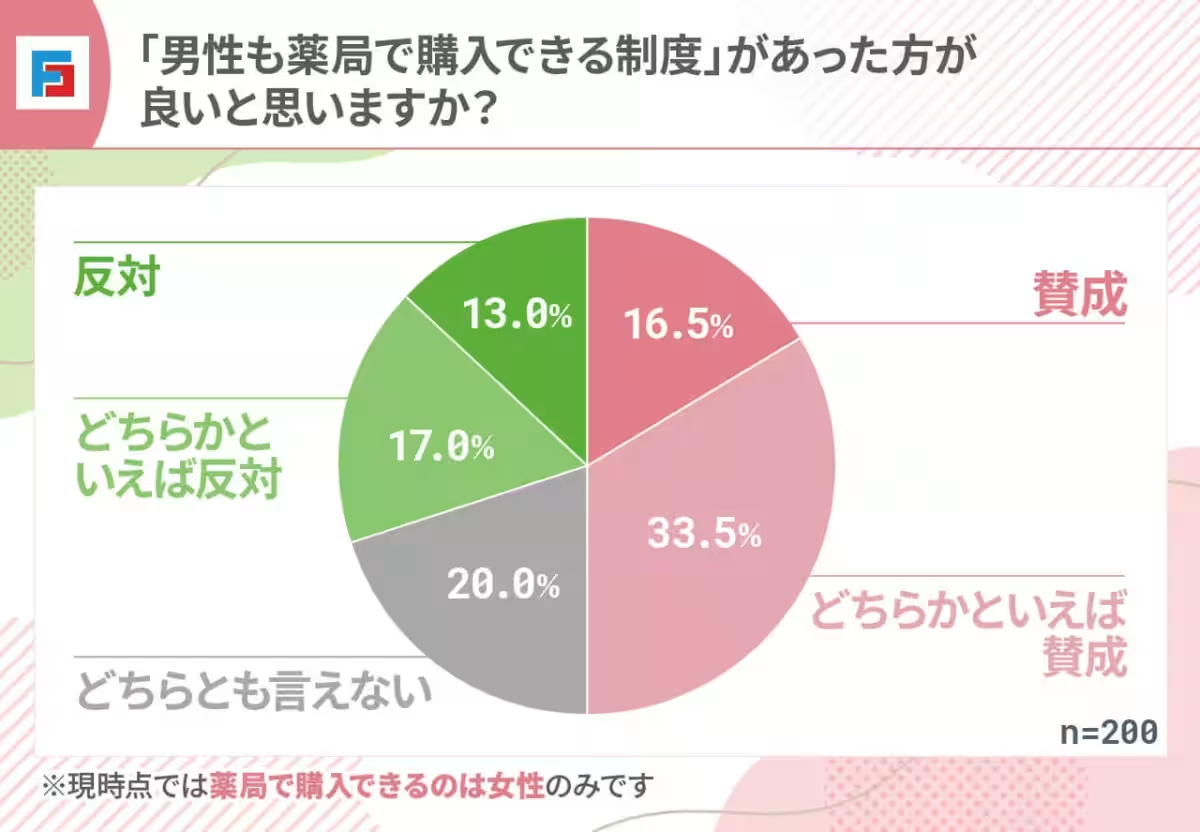
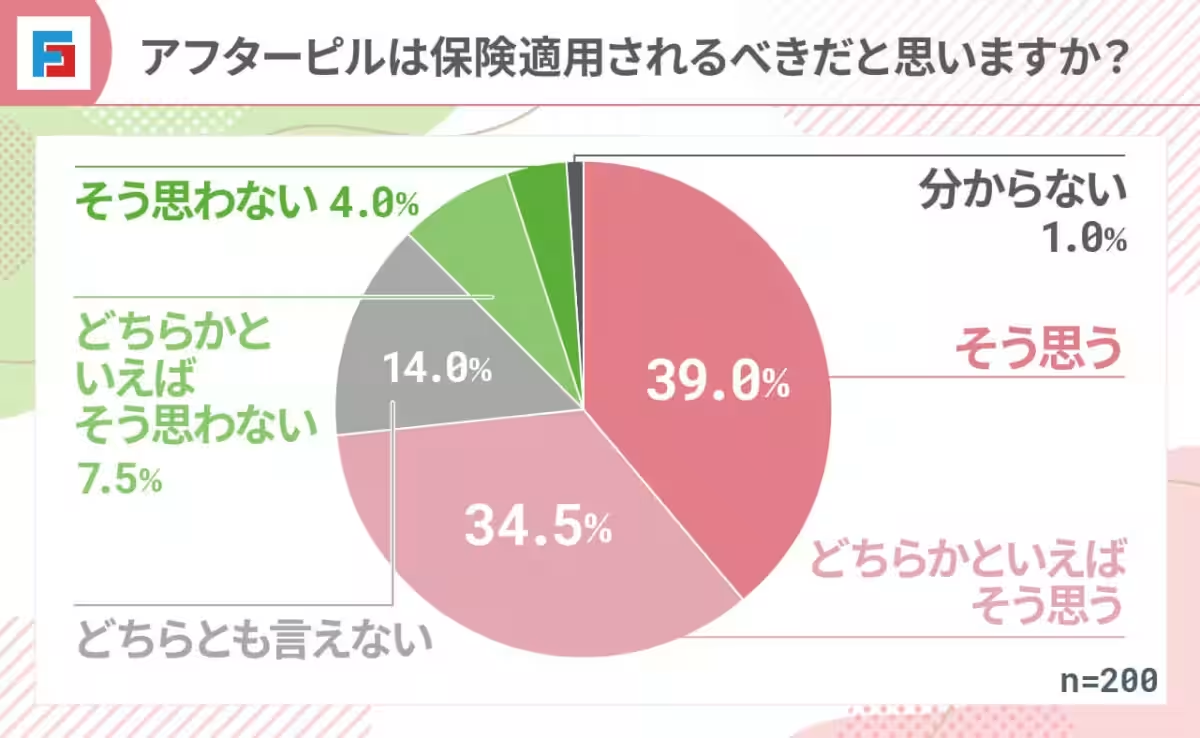
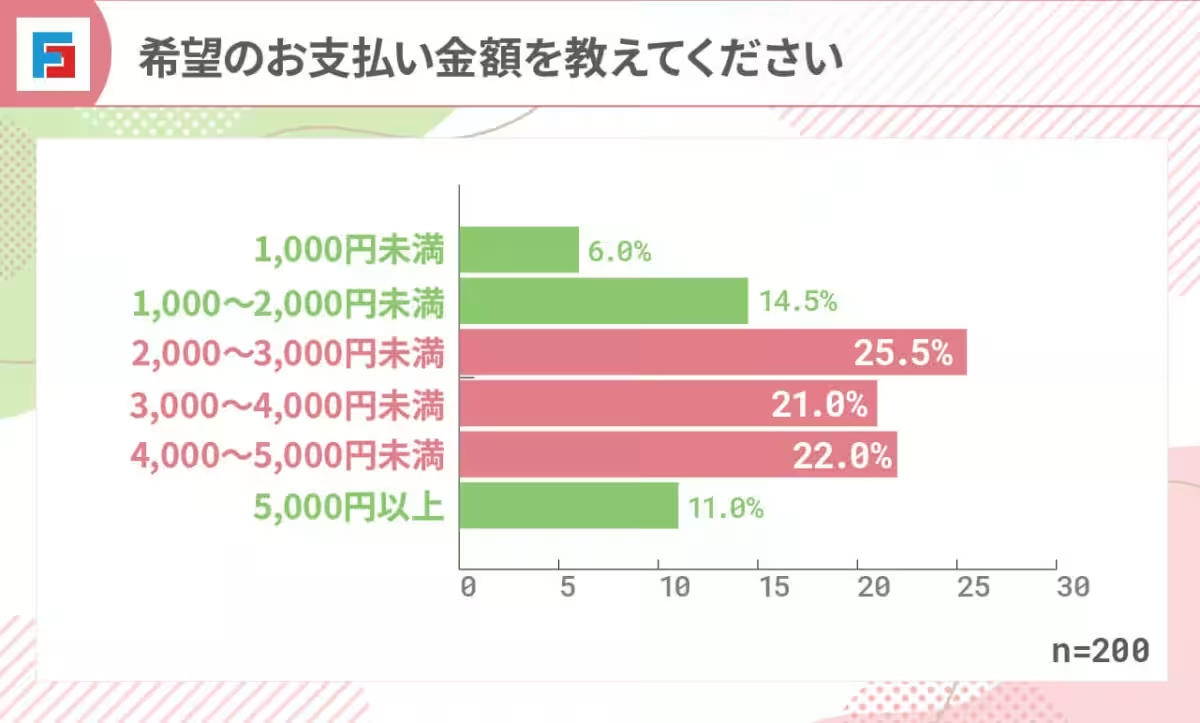
Half of the women surveyed (50%) expressed support for the idea that men should have access to purchase emergency contraceptives off the pharmacy shelves. Additionally, over 70% of the respondents believed that these pills should be covered by insurance, indicating a strong desire for financial accessibility in reproductive health services. Among the women, the most common preferred price point for the emergency pills was in the range of 2000 yen.
The Context of Emergency Contraceptive Pills in Japan
The public debate regarding the commercial availability of emergency contraceptive pills has been ongoing since 2017. Discussions have revolved around the necessity for improved access versus concerns about potential irresponsible use if these pills become too readily available.
In November 2023, a trial sale was conducted in select pharmacies, leading up to a formal application for commercialization by Asuka Pharmaceutical in June 2024, with approval from the Ministry of Health, Labour and Welfare set for August 2025.
Insights on Men's Access and Responsibilities
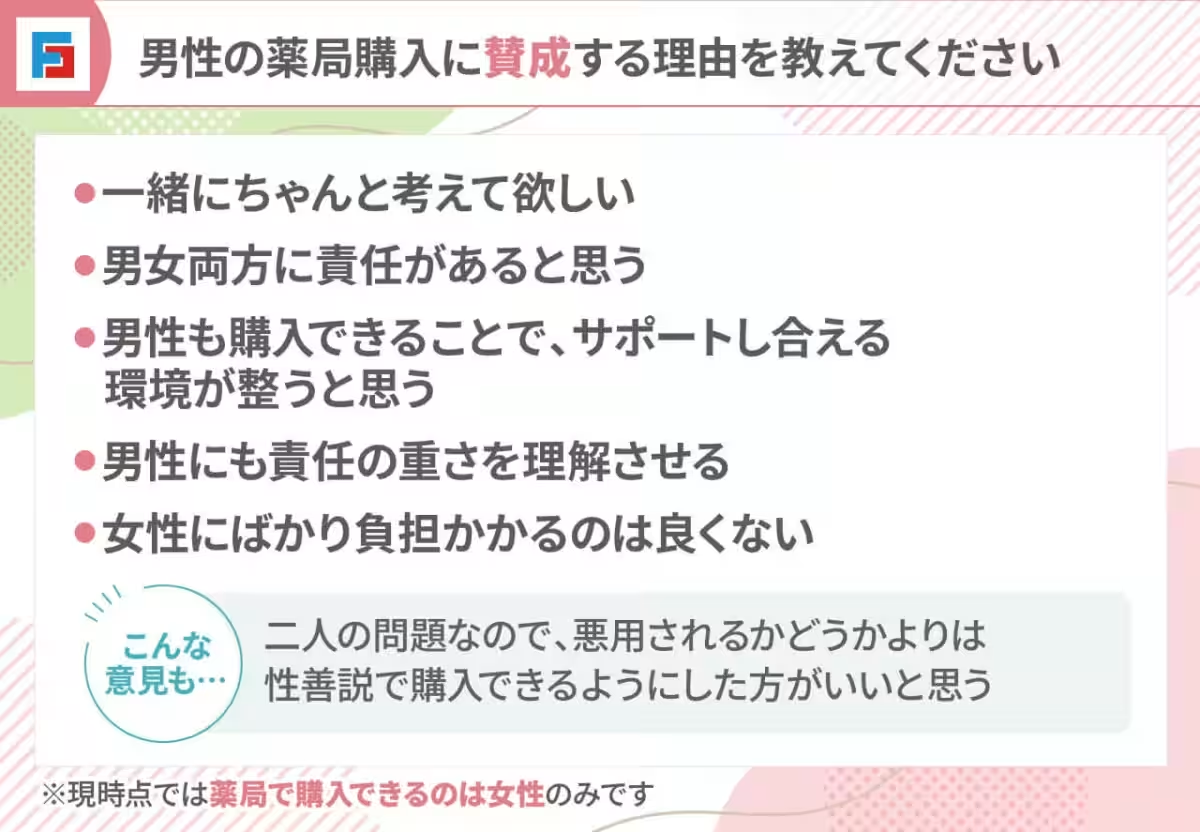
Among those who supported men’s access to emergency contraceptives, the predominant sentiments included a call for shared responsibility in sexual health and the belief that both genders should actively participate in family planning decisions. Some comments emphasized the importance of a supportive environment where both men and women can approach reproductive health without stigma.
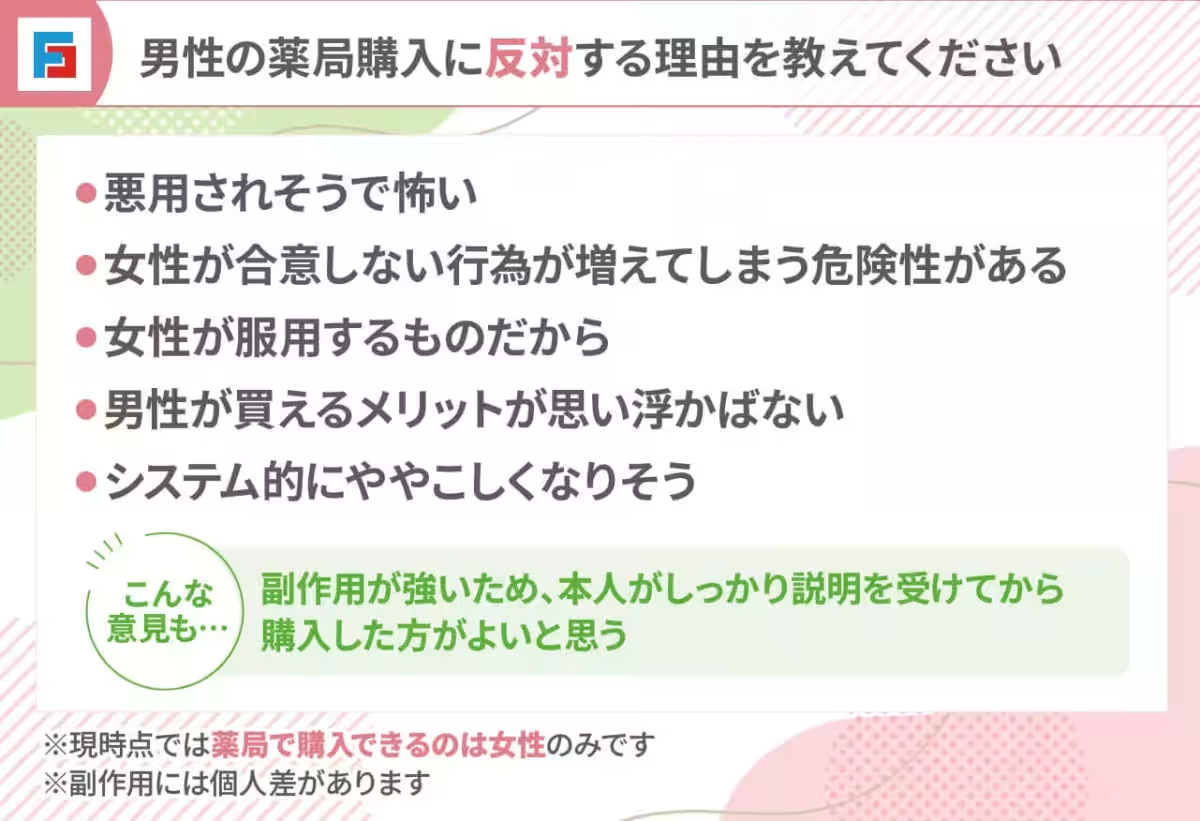
Conversely, concerns were raised regarding the potential for misuse if men could easily access these pills. Some women expressed that allowing men to purchase the contraceptives could lead to an increase in coercive sexual behavior or diminish the decision-making authority of women regarding their own bodies. Responses highlighted a strong preference for prioritizing female safety and respect.
The Importance of Insurance Coverage
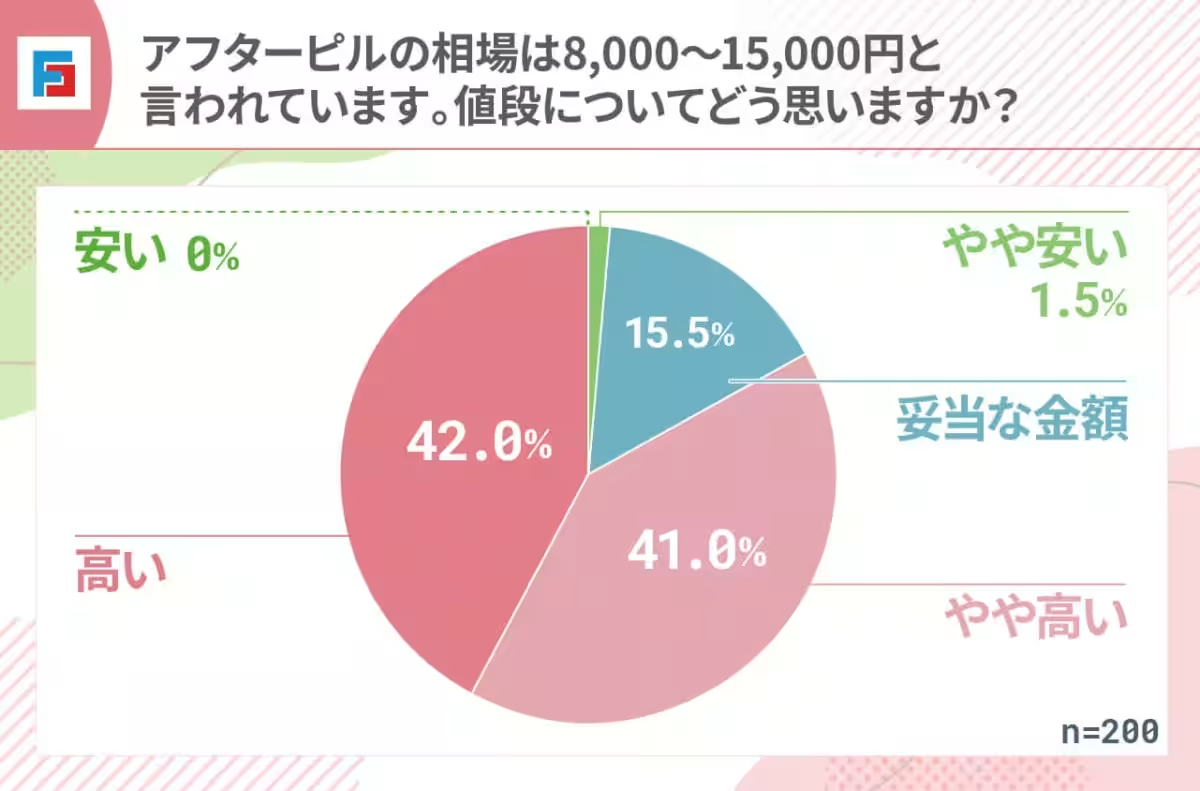
When prompted about insurance coverage for emergency contraceptives, an impressive 73.5% of participants supported the idea, indicating a perceived high barrier to access at current prices, which typically range from 8,000 to 15,000 yen in medical settings. Such responses underline the need for societal changes regarding reproductive health costs and supportive policies for women.
Behavior Around Pricing of Emergency Contraceptives
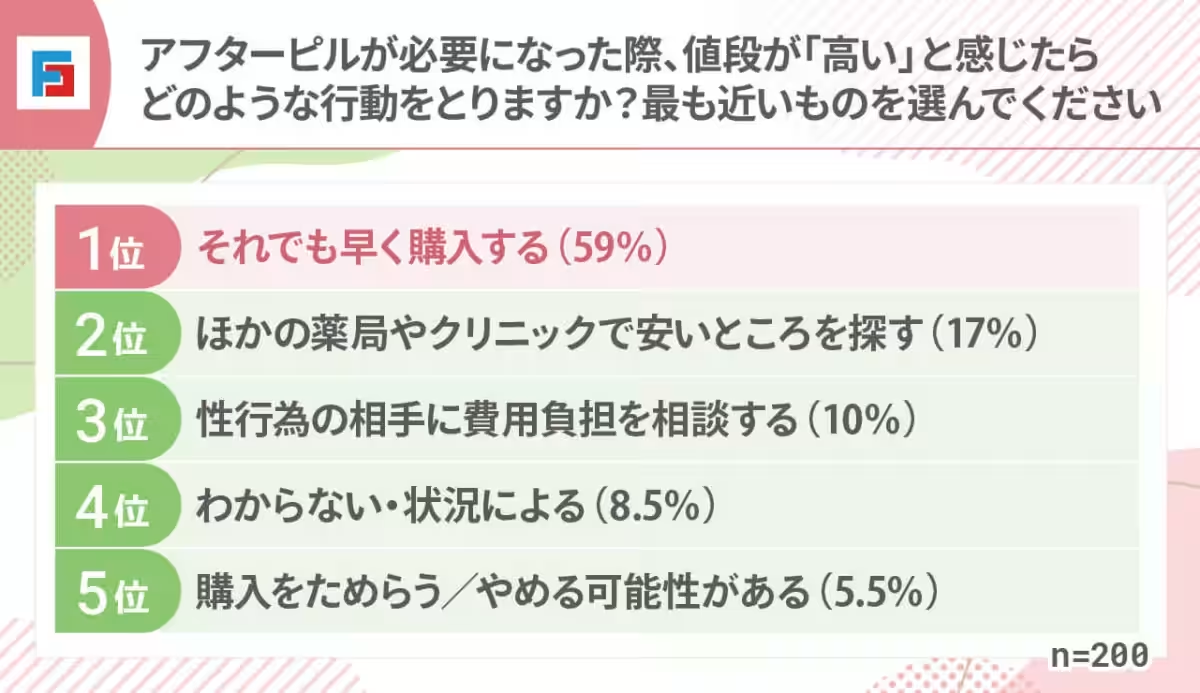
Exploring how women behave when faced with high prices for necessary contraceptives, the majority stated they would prioritize swift acquisition despite costs. However, a notable portion indicated they might hesitate or abstain from purchasing if prices remain elevated, underscoring the necessity for an affordable pricing model.
The Sentiment on Public Accessibility
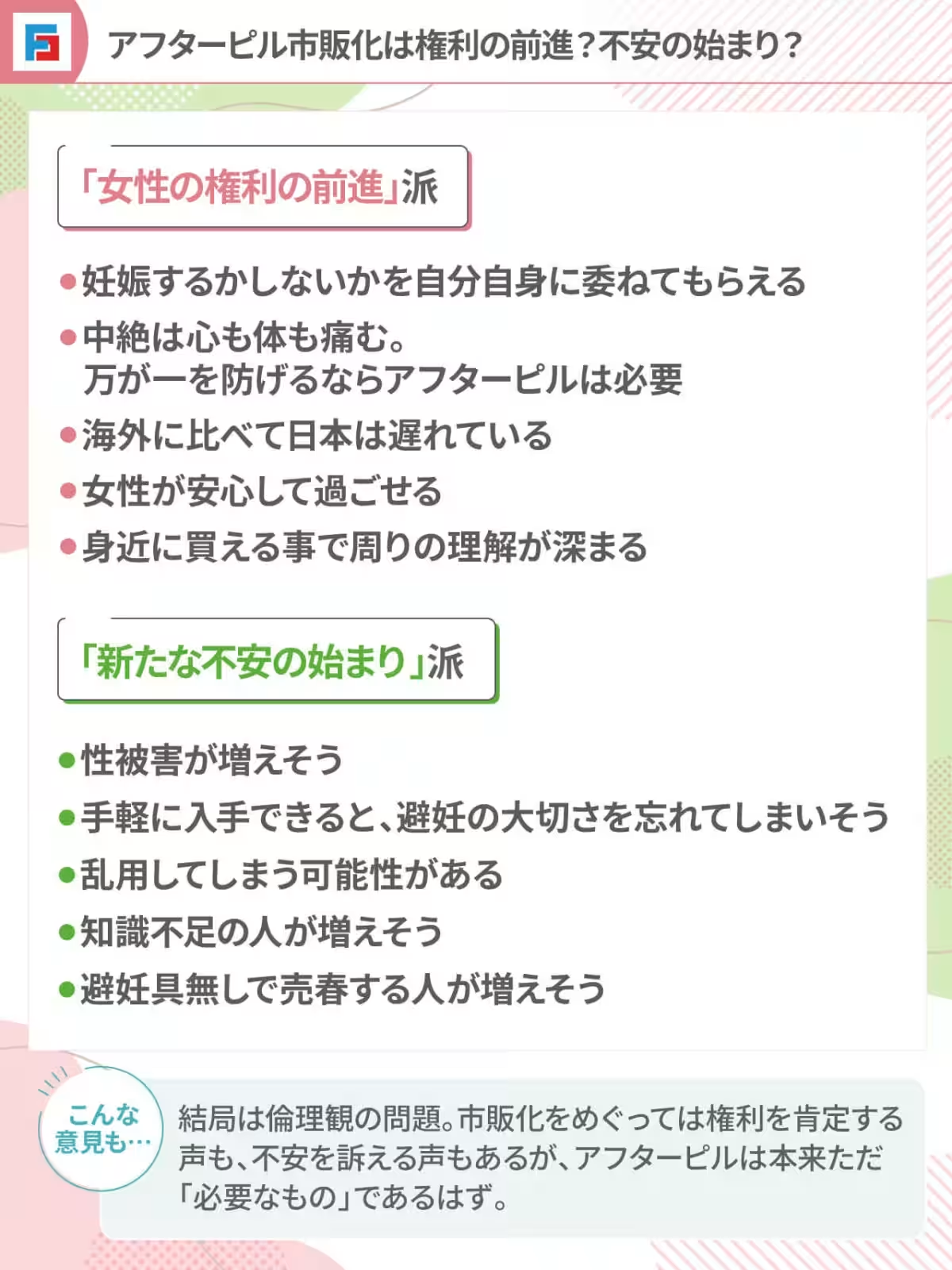
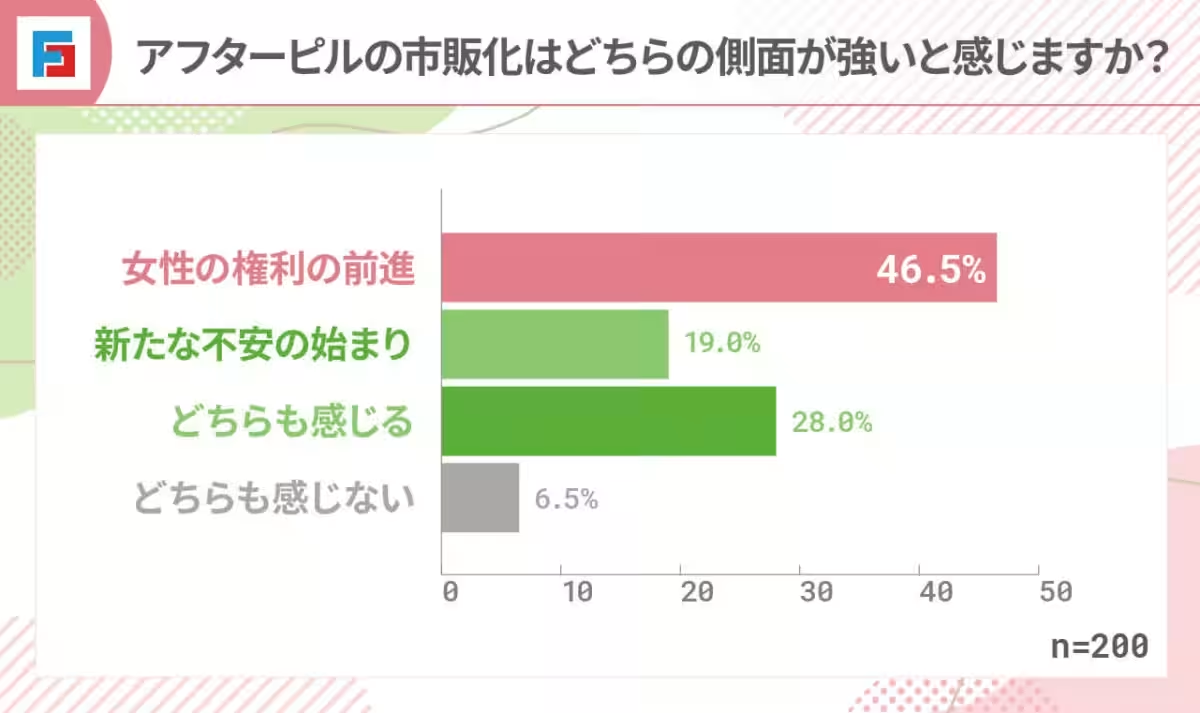
Regarding public access to emergency contraceptives, responses showed a marked split, with some praising the development as a progression in women's rights, while others expressed trepidation about potential negative social implications. Many women articulated that having access to emergency contraceptives means greater autonomy over their reproductive choices, a point made evident by diverse perspectives gathered during the survey.
Privacy Considerations
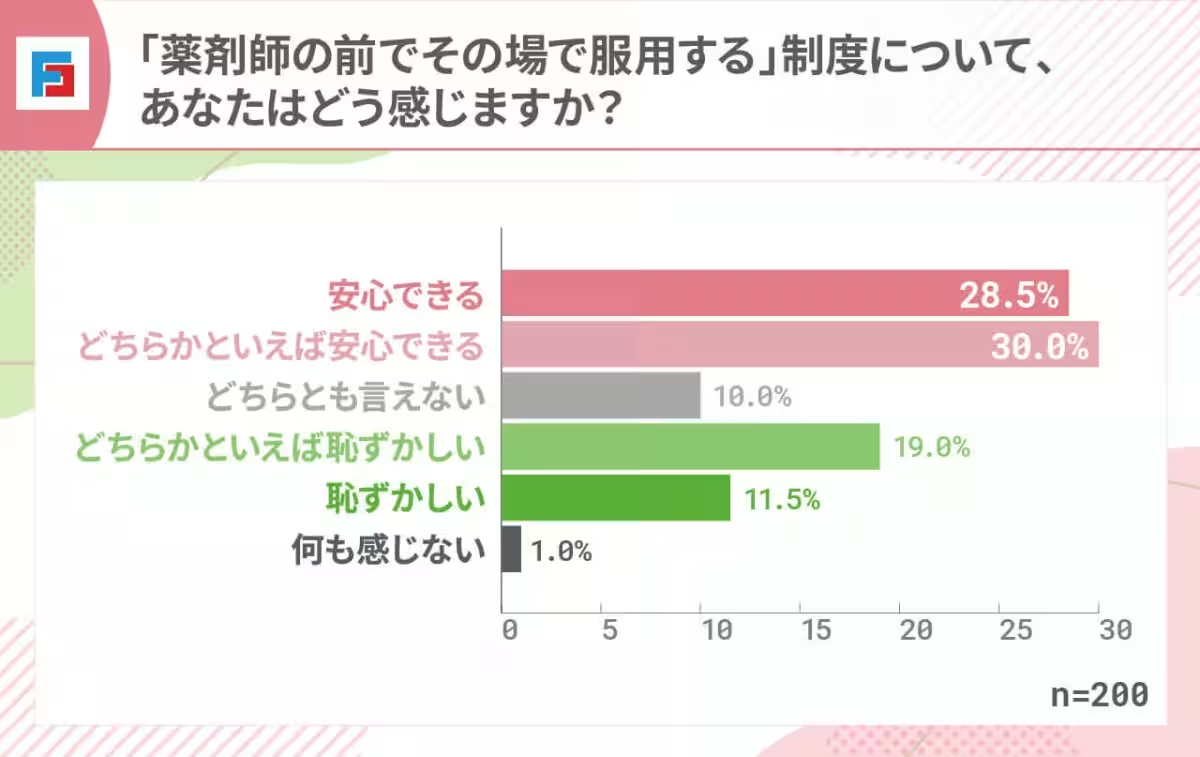
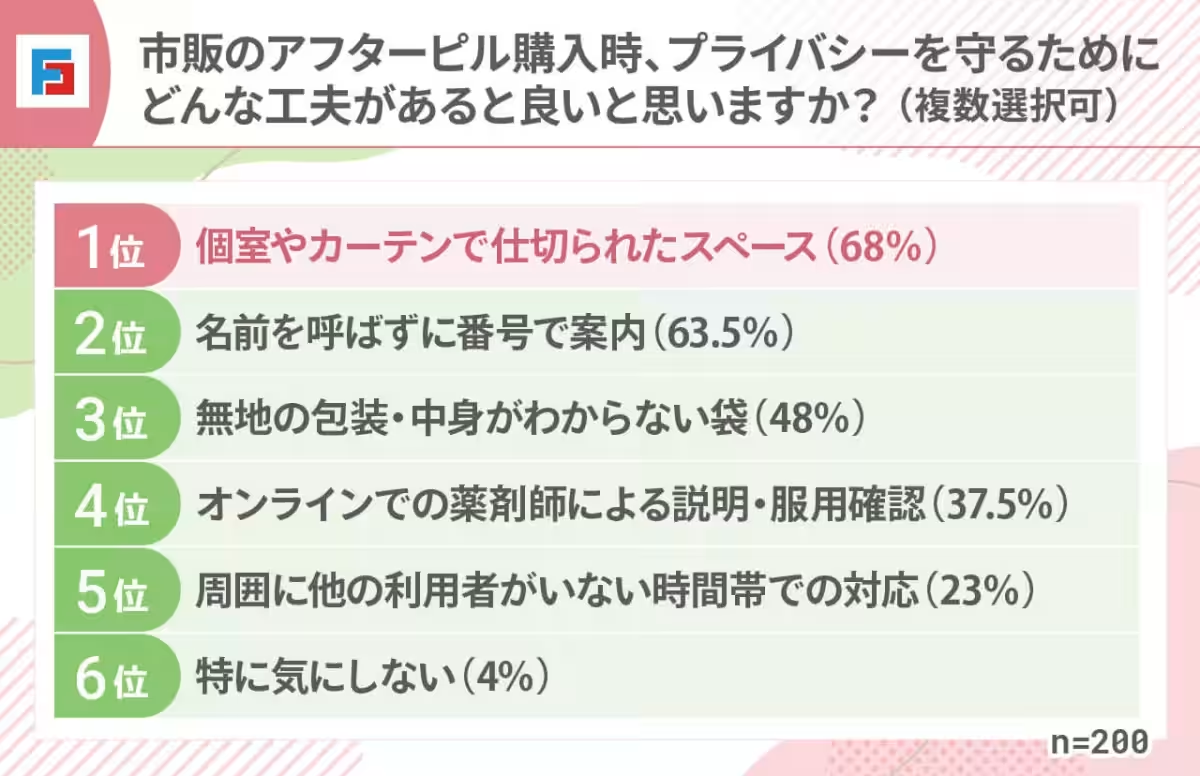
The survey did reveal significant concerns about privacy during the purchasing process. About 68% favored discrete purchasing conditions, such as private spaces and anonymous transactions, suggesting that the retail environment needs to be accommodating to protect user dignity while purchasing sensitive health products.
The insights collected from the Fit Clinic survey reflect a evolving dialogue on responsibilities tied to contraceptive access and the rights of women. With ongoing changes to the availability of emergency contraceptives in Japan, it's vital to ensure that policies are inclusive and supportive of both men and women and prioritize women's health and safety. As this conversation continues, health professionals and policymakers alike must listen to these voices to create a balanced and respectful approach to reproductive health in society.
Conclusion
In summary, this survey highlights the complexities surrounding emergency contraceptive pills and suggests that both societal attitudes and healthcare access policies must evolve to consider the shared responsibilities of men and women in reproductive health, ensuring safety, accessibility, and respect for all individuals involved.



Topics People & Culture)
【About Using Articles】
You can freely use the title and article content by linking to the page where the article is posted.
※ Images cannot be used.
【About Links】
Links are free to use.