



Japan Green Investment Corp. Finances Solar Energy Projects for Decarbonization
Japan Green Investment Corp. Finances Solar Energy Projects for Decarbonization
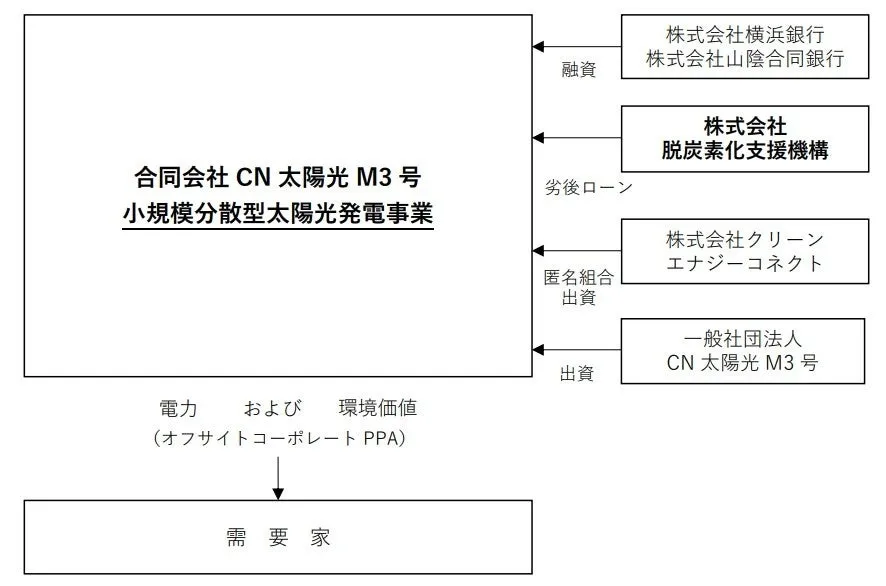
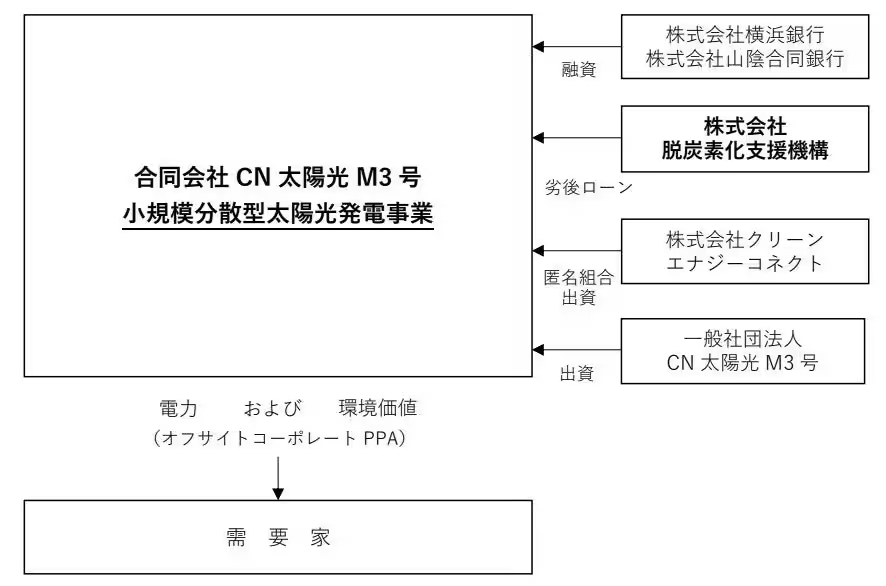
In a significant move towards promoting renewable energy in Japan, the Japan Green Investment Corp. for Carbon Neutrality (JICN), led by President Yoshihiko Tayoshi, has successfully executed financing to support various solar energy projects spearheaded by Clean Energy Connect. This collaboration aims to implement low-pressure solar power generation initiatives that will significantly contribute towards greenhouse gas emission reduction.
Overview of the Project
The primary project is launched by CN Solar M3 LLC, specifically created for this purpose, and is expected to bring forth around 300 low-pressure solar power plants across Japan, with an aggregate capacity of 25 megawatts. The electricity generated from these facilities will be provided to multiple off-site corporate Power Purchase Agreements (PPAs) without relying on the Feed-in Tariff (FIT) system. This innovative approach not only supports businesses seeking to procure green energy but also aligns with the global RE100 initiative, which aims for 100% renewable energy consumption among corporate entities.
Clean Energy Connect, established on April 22, 2020 and headquartered in Tokyo’s Chiyoda Ward, is at the forefront of this initiative. Under the leadership of CEO Teppei Uchida, the company has emerged as a vital venture in facilitating corporate access to green energy and environmental value metrics.
Key Details of JICN’s Support
Nature of Support
- - Financing Type: Subordinated Loan
- - Total Loan Amount: ¥330 million (approximately 3.3 million USD)
Policy Significance of Support Decision
1. Reducing and Absorbing Greenhouse Gas Emissions
This ambitious project sets to install approximately 300 low-pressure solar power stations, which is poised to significantly curb emissions associated with power generation by promoting the adoption of renewable energy sources.
Additionally, a comprehensive evaluation will be conducted on the overall CO2 reduction impacts that will encompass emissions related to the construction of the solar facilities and land use.
2. Fostering a Symbiotic Relationship Between Economy and Environment
The initiative promises to take strides in bolstering the growth of the renewable energy sector while simultaneously ensuring the energy security of Japan as a transition from fossil fuels takes place.
- The project aims to secure sustainable growth for startups engaged in renewable energy through financial support tailored to their needs.
- By providing timely access to environmental value options for consumers, it seeks to cultivate an awareness of decarbonization strategies.
- The expansion of renewable energy generation via solar power is sure to replace fossil fuel usage in electricity generation, thus decreasing Japan’s dependence on imported fuel.
Local Economic and Environmental Impact
Through partnerships with local municipalities and small enterprises, the project is expected to invigorate the regional socio-economic landscape. The development of the solar power stations hinges on effective collaboration and consensus-building with local stakeholders, ensuring that the project aligns well with the surrounding natural and living environments.
To maximize the benefits for local economies, small businesses will be engaged in the construction processes of these facilities. Furthermore, these solar power stations will be utilized as emergency power sources, bolstering energy resilience in respective regions.
This financing marks the fourth support provided by JICN to Clean Energy Connect. The company has been active in employing diverse financial strategies, including project finance, to encourage the proliferation of corporate PPAs within Japan. As a supporter of innovative startups, JICN remains committed to fostering the growth of various enterprises through sustained funding efforts, sharing of expertise, and connection of diverse ideas and technologies that contribute to a rich and sustainable future.
Additional Information
For those looking to delve deeper into the initiative, more details can be explored on the respective websites of JICN and Clean Energy Connect, where updates on the progress and impacts of these vital solar energy projects will be regularly published.
References:

Topics Other)
【About Using Articles】
You can freely use the title and article content by linking to the page where the article is posted.
※ Images cannot be used.
【About Links】
Links are free to use.