



Understanding the Gap: Young Employees' True Reasons for Leaving Small Businesses
The Dilemma Facing Small Businesses
In the context of a persisting labor shortage, understanding why young employees leave their jobs has become an essential concern for companies, especially small and medium-sized enterprises (SMEs). A recent survey conducted by JinJib, targeting business leaders from SMEs and young employees who have left their jobs within the last five years, aimed to uncover the gap between the stated reasons for leaving and the underlying issues that prompt these decisions.
Survey Insights
The survey, which took place from March 13 to March 17, 2026, collected responses from over 1,000 participants, including 508 business leaders and 510 young employees. This research delves deep into the often-misunderstood motivations behind employee resignations and highlights the structural challenges that SMEs face in retaining talent.
Leaders' Perspectives
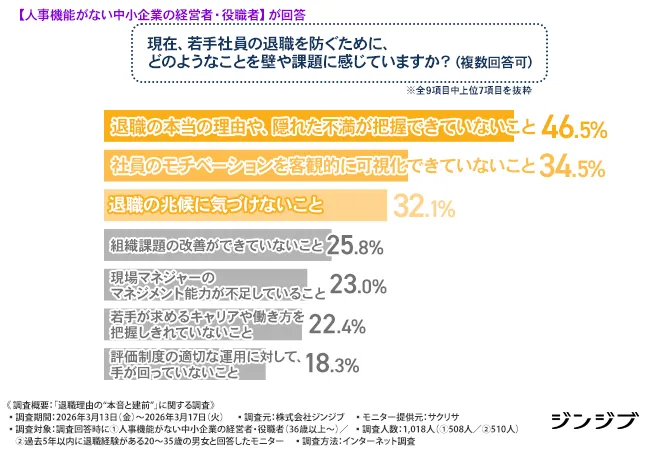
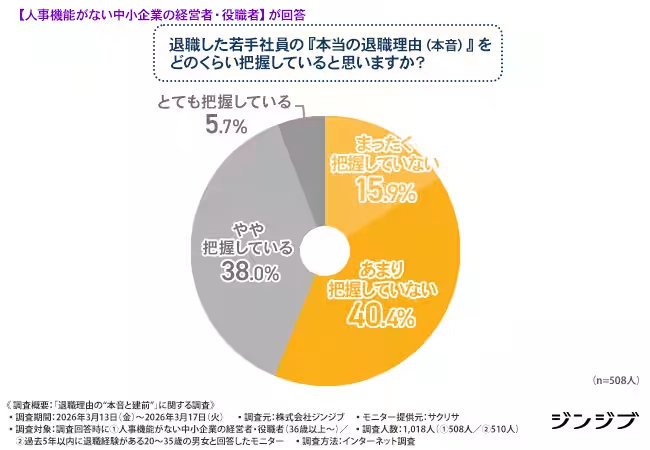
Among the surveyed business leaders aged 36 and above, approximately 60% indicated that they struggle to understand the genuine reasons behind employee resignations. When asked about their perceived barriers to preventing young employees from leaving, a significant 46.5% noted that they lacked knowledge of the true motivations and hidden grievances of their staff. This lack of insight into the emotions and motivations of younger employees signifies serious deficiencies in communication between management and staff.
The Disconnect
It is particularly concerning that many leaders admitted to being largely unaware of the true reasons their younger staff members departed. Around 56.3% acknowledged having little to no understanding of their former employees' genuine reasons for leaving their positions. The surveys indicated that superficial reasons were often shared during resignations, leading to critical areas for improvement being overlooked in the companies’ operations.
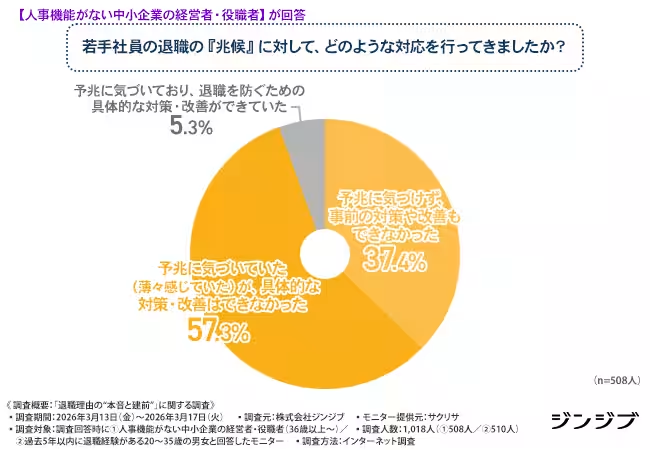
In further questioning, it became clear that the leaders often failed to recognize the signs of impending resignations. Over 90% of respondents reported that they either missed indicators of resignation altogether or failed to take preventative actions despite having an inkling of discontent among their employees. This highlights a destructive cycle where management remains oblivious to dissatisfaction until it culminates in a resignation letter.
Employees’ Perspectives
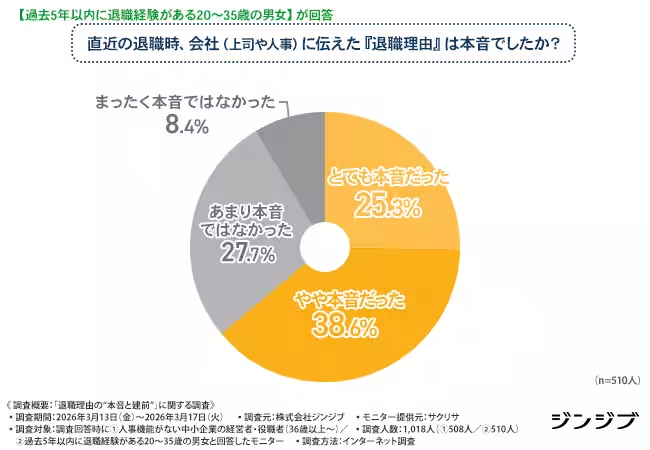
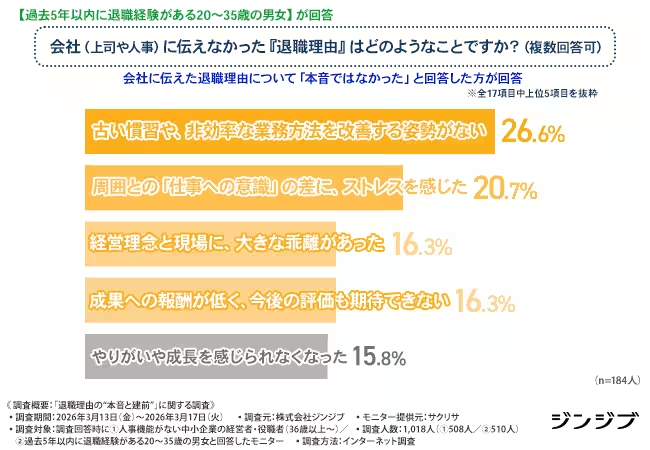
Contrarily, the young employees who responded to the survey offered a stark juxtaposition to the leaders’ views. About 64% confirmed that they had shared their true reasons for leaving with their employers. Various motivations were reported, but frequently cited was a desire for a fresh and more suitable work environment. Many expressed a need for better organizational practices and incentive structures, revealing their frustration about existing workflows.
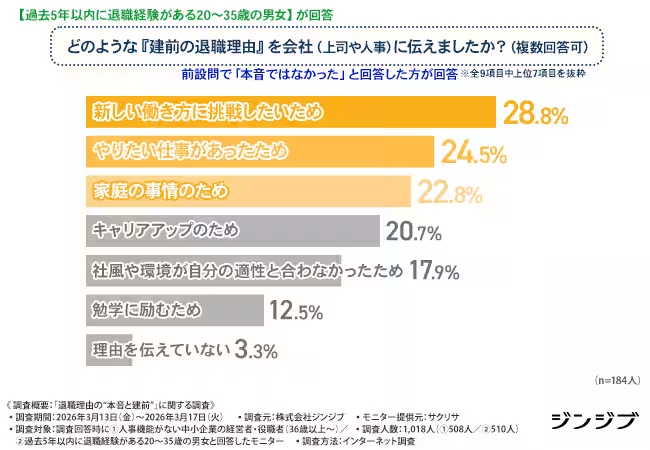
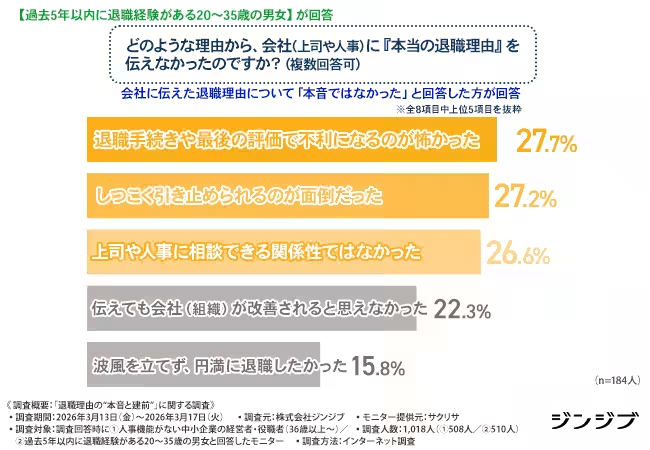
Interestingly, during the exit conversation, employees also reported a tendency to present "polite" reasons for their departure, such as seeking new challenges, rather than disclosing critical feedback about their workplace conditions. The top reasons they did not share their genuine opinions included fears of backlash affecting their final evaluation or being subjected to persistent counteroffers.
Addressing the Issues
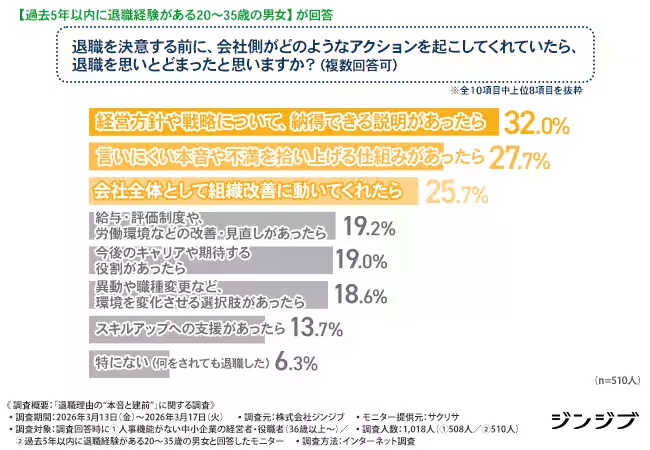
When asked what measures could have persuaded them to remain in their positions, the employees pointed out that clearer communication regarding company strategies and management’s commitment to improving work environments could have made a difference. Remarkably, over 90% indicated that they might have reconsidered their decisions had businesses been more proactive in soliciting input on genuine frustrations and adopting organizational improvements.
Conclusion
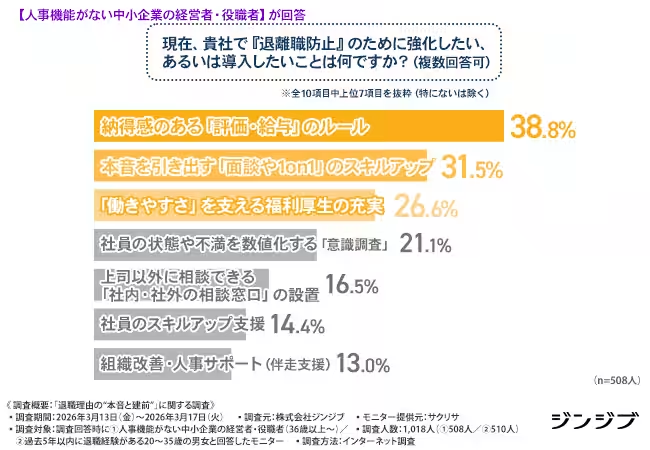
This survey underscores significant gaps in understanding between business leaders and their young employees which lead to resignations. For SMEs, addressing these gaps is crucial, not just to retain talented workers but also to foster long-term employee engagement and satisfaction. By actively initiating open dialogues, improving evaluation procedures, and creating a learning-oriented culture, these organizations can build a more resilient workforce. JinJib’s initiative to aid in developing structured HR practices can be a vital step in addressing these ongoing challenges, providing businesses with the tools necessary to retain their young workforce effectively.
In conclusion, while the issues surrounding employee turnover may appear overwhelming, adopting a strategic approach and viewing feedback as an opportunity for growth will enable small businesses to cultivate an environment where young talent thrives. Revisiting organizational culture and processes with professional support could enhance job satisfaction, making the workplace a more welcoming and engaging environment for future generations of employees.

Topics Business Technology)



【About Using Articles】
You can freely use the title and article content by linking to the page where the article is posted.
※ Images cannot be used.
【About Links】
Links are free to use.