



Bridging the Data Gap: The Struggle for Effective Data Utilization in Companies
Bridging the Data Gap: The Struggle for Effective Data Utilization in Companies
In today’s data-driven business landscape, the effective utilization of data has become paramount for organizational success. However, a recent survey conducted by Keywalker, a renowned company based in Minato, Tokyo, reveals that a staggering 90% of firms confront considerable challenges in optimizing their data usage. The survey, which targeted executives and employees involved in digital transformation (DX), data utilization, and information systems, aims to shed light on the contrasting perceptions held by management and staff in the context of data infrastructure development and application.
Survey Overview
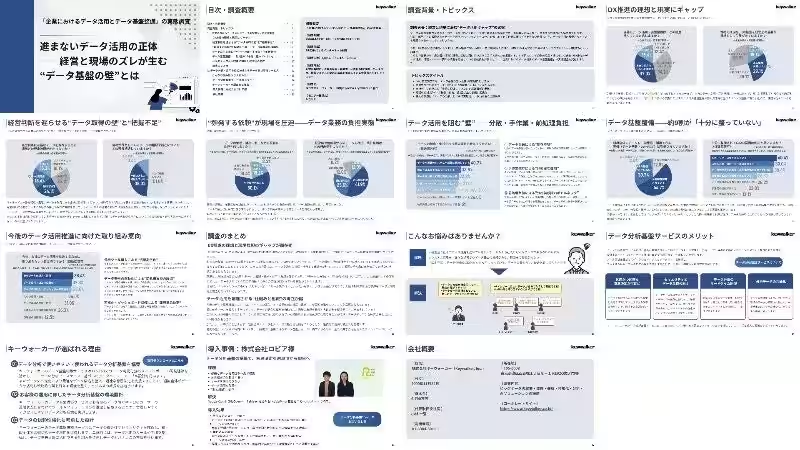
The survey, titled "Actual Conditions of Data Utilization and Infrastructure Development in Companies," was conducted from April 23 to April 24, 2026. Utilizing an internet survey methodology through PRIZMA, a total of 1,005 individuals participated, comprising 614 executives and 391 employees engaged in DX initiatives and data management. In light of the growing importance of data utilization, the survey aims to explore the gap between executive views and ground realities in companies regarding their data management strategies.
Time to Access Necessary Data
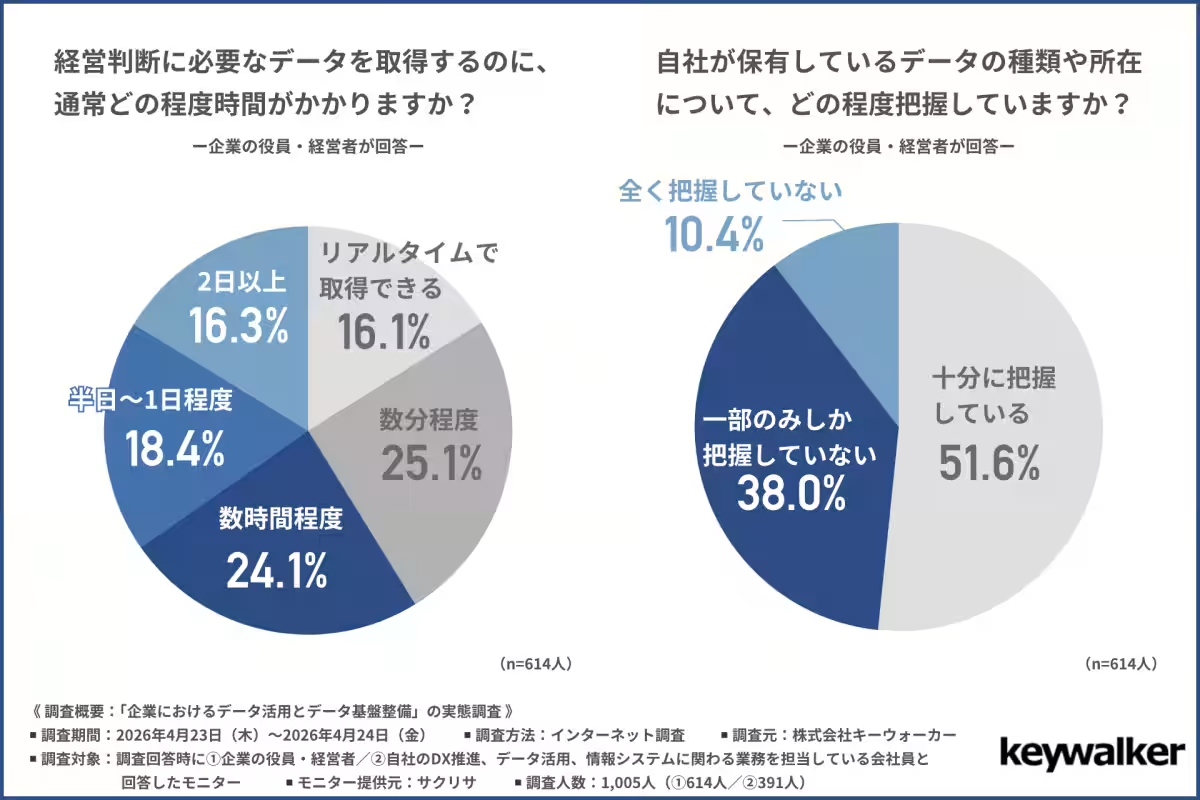
The first question posed to respondents was aimed at understanding how long it takes to obtain data crucial for business decisions. The results highlighted a concerning trend: only 40% of companies can obtain data in real-time or within a few minutes, while a significant 60% require several hours to over two days for data acquisition. This delay poses a barrier to swift decision-making, which can ultimately lead to missed opportunities in an increasingly competitive market.
Awareness of Data Types and Locations
When asked about their awareness of the types and locations of the data owned by their organizations, only 51.6% of executives claimed to have a thorough understanding, indicating that a considerable portion lacks insight into their organizational data landscape. This is crucial as the first step in utilizing data effectively hinges on knowing what data is available and where it resides.
Ground-Level Challenges with Data Management
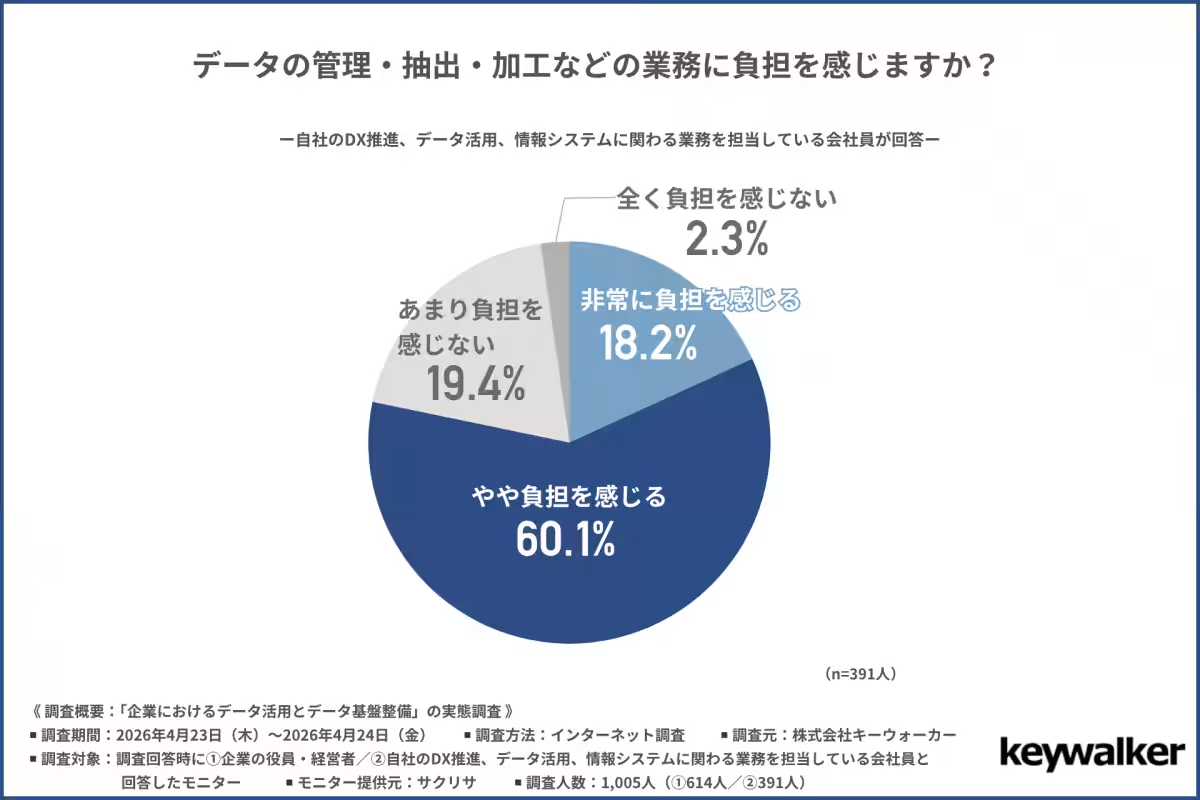
Approximately 80% of employees involved in data handling reported feeling burdened by tasks related to data management, extraction, and processing. The extraction of data often necessitates specialized skills, making it a strenuous task for many employees. The need to segregate efficient data from the vast amounts of information they deal with every day adds to this burden.
Issues in Data Extraction and Coordination
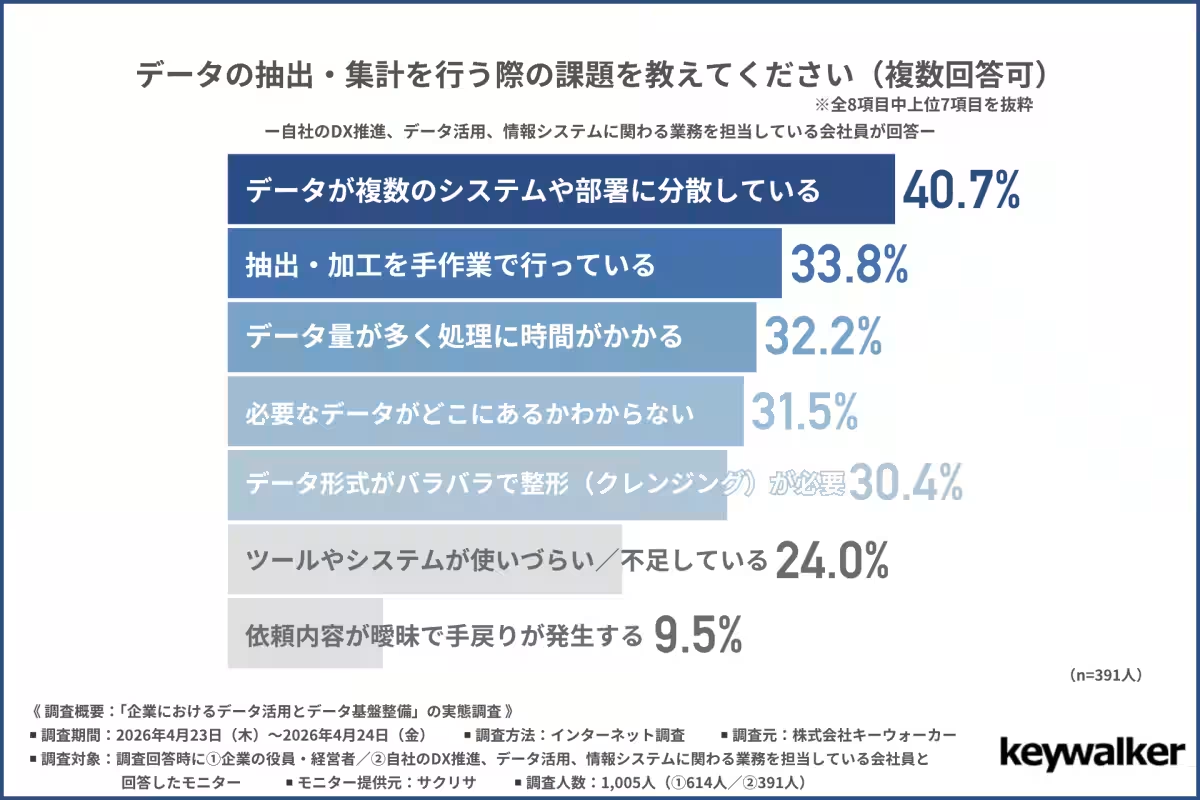
The survey further delves into specific issues employees face when it comes to data extraction and analysis. The most common challenges identified include data being distributed across multiple systems and departments (40.7%), manual extraction processes (33.8%), and data quantity hindering efficiency (32.2%). Such fragmentation underscores the lack of a cohesive data infrastructure within organizations, impeding efforts to perform meaningful data analysis.
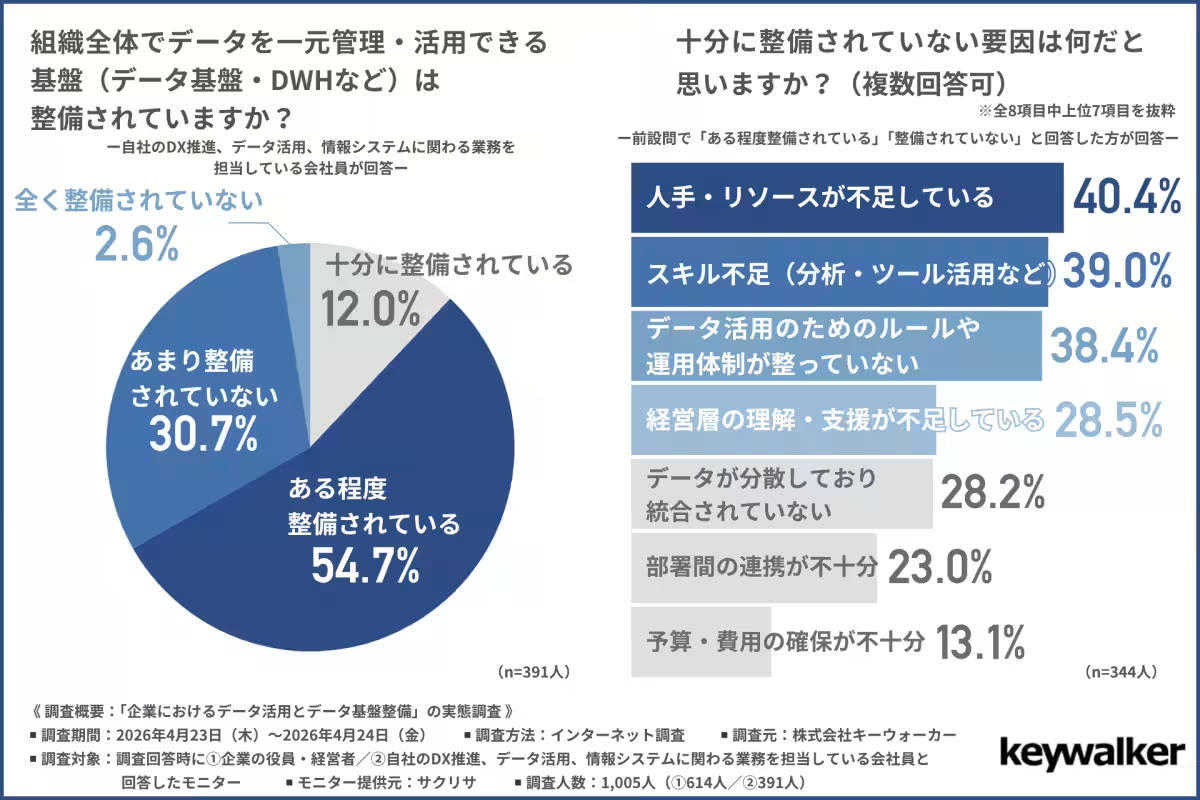
Additionally, a significant majority of respondents reported that their organizations lack well-established data management systems, with only 12% confirming that their data infrastructure is adequately developed. The results illuminate a worrying trend: nearly 90% of organizations are not equipped with sufficient systems for centralized data management.
Identifying Barriers to Development
When the respondents who admitted their data systems are not adequately managed were asked about the reasons for this, over 40% cited a lack of personnel and resources as the primary barrier. This was followed closely by insufficient skills (39%), lack of operational rules for data utilization (38.4%), and inadequate executive support (28.5%). These insights reveal that organizations face not only systemic challenges but also cultural hurdles hindering effective data management.
Future Approaches to Data Utilization
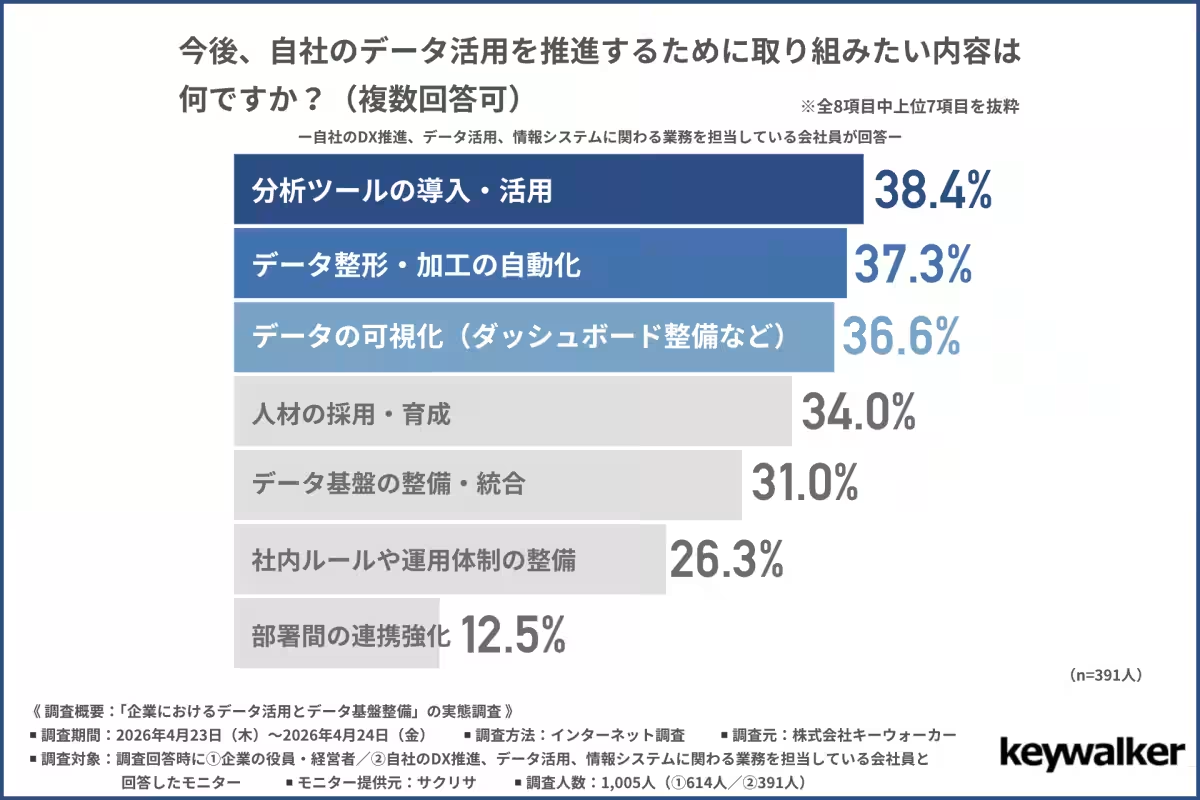
In contemplating how to advance their data utilization strategies, survey participants expressed a strong interest in implementing analysis tools (38.4%), automating data processing (37.3%), and enhancing data visualization (36.6%). This trend indicates a palpable desire for more streamlined processes that can alleviate the burden on employees and raise operational efficiency in data usage.
Conclusion: The Necessity for a Holistic Data Strategy
The survey results highlight a critical disconnect between executive expectations and the realities faced by staff regarding data extraction and analysis. With around 60% of respondents indicating they take several hours to obtain data, and only a tiny fraction of companies having well-established data infrastructures, the obstacles to effective data utilization pose significant challenges.
Moving forward, organizations must not only invest in upgrading their analytical tools but also focus on establishing a holistic data governance strategy that includes personnel training, implementation of efficient systems, and fostering a culture of data-driven decision-making. By addressing these foundational issues, companies can enhance their data utilization capabilities, facilitating better strategic decisions and maintaining competitiveness in a fast-evolving business environment.
For a deeper dive into the survey findings, including insights on executives' perspectives on data utilization progress and the frequency of data extraction requests, please refer to the available white paper.
About Keywalker
Keywalker is a prominent player in the data analytics service market, specializing in integrating scattered corporate data into a cohesive analysis framework. Their data analysis platform service ensures that users have access to easily navigable, organized data, streamlining the decision-making process. To learn more about their services or download relevant material, visit Keywalker.

Topics Business Technology)
【About Using Articles】
You can freely use the title and article content by linking to the page where the article is posted.
※ Images cannot be used.
【About Links】
Links are free to use.