




Getty Images Spotlights Importance of Inclusive Visuals for the Deaflympics
Celebrating Inclusivity: The Role of Visuals in Marketing
Getty Images, one of the world's premier stock photo sites, is spearheading a new initiative to enhance the representation of individuals with disabilities in visual media. As the inauguration of the Deaflympics in Japan approaches on November 15, this dialogue becomes increasingly pertinent. Despite Japan showcasing its first Deaflympics, awareness remains low; only 39% of the population recognizes the event compared to the Paralympics, which stands at 96%. This discrepancy reveals the challenges faced due to limited media exposure and a broader societal understanding of disability.
Insights from VisualGPS Survey
In collaboration with MarketCast, Getty Images undertook a consumer awareness survey called VisualGPS, exploring market needs and trends regarding visuals. The survey revealed that nearly 70% of Japanese consumers believe that individuals with disabilities should be represented equally in the media. Furthermore, 87% assert that equal opportunities should be afforded to people with disabilities. However, the harsh reality is that visuals depicting people with disabilities in advertising and marketing remain underrepresented, accounting for less than 1% of the total.
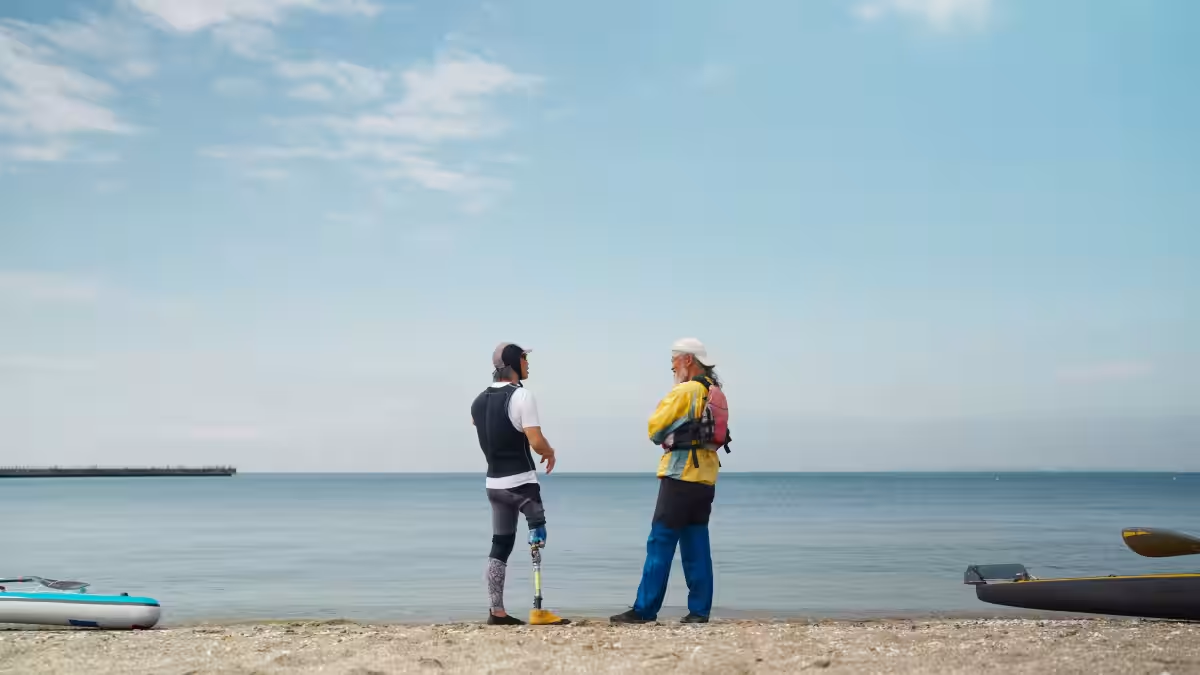
What adds to this concern is that most existing visuals tend to focus on visible disabilities, such as those requiring wheelchairs or prosthetics. Invisible disabilities, including hearing impairments or mental health issues, are rarely depicted, despite their significance in enhancing overall representation.
Marketing Trends: Emotional Representation
A closer examination of the types of visuals favored by companies reveals recurring themes of ‘hope’, ‘support’, ‘pain’, and ‘care’. Marketing imagery typically casts individuals with disabilities in contexts that emphasize aid, support, and the diffusion of pain, consequently providing a limited narrative. While these visuals generally convey a positive and nurturing message, they often fail to showcase independence and the realities of daily life for people with disabilities.
Top Five Visual Themes in Disability Representation
a. Hope: Rendering individuals in wheelchairs within scenic natural landscapes, brands emphasize a future filled with optimism. However, such imagery can inadvertently convey that disabled individuals depend on others for progress.
b. Support: Visuals that highlight physical connections, such as holding hands or arm links, aim to portray compassion and community. Yet, they often underline the dependency of individuals needing support.
c. Stress: Illustrations depicting stress frequently involve individuals hiding their faces or appearing isolated, primarily reflecting the young demographic struggling with mental health issues. Such portrayals inadequately encapsulate the diverse experiences of individuals living with mental disabilities.
d. Pain: Imagery focusing on discomfort often emphasizes temporary physical ailments, reinforcing the notion of disability as a state of suffering rather than a part of everyday life.
e. Care: Scenes depicting caregivers assisting individuals in healthcare settings raise a positive image of support. Nevertheless, they predominantly emphasize dependence rather than showcasing diverse lifestyles.
Towards Genuine Representation
Analysis reveals notably that brand imagery often reflects extremes—either showcasing the plight of young people grappling with pain or older individuals needing assistance while neglecting the portrayal of disabled people in the intermediate life stages. The VisualGPS findings suggest that 83% of Japanese respondents seldom see visuals that depict people with disabilities in everyday scenarios. Conversely, a significant 60% expressed a desire to see more such imagery.
Additionally, 68% of consumers agree that increased representation of individuals with diverse abilities in media and advertisements fosters mutual understanding. Therefore, crafting visuals that inclusively and realistically depict people with disabilities can help brands build trust and rapport with consumers while benefiting corporate social responsibility and sustainability efforts.
Strategic Points for Visual Representation
If brands aim to incorporate people with disabilities into their visual narratives, several points should be considered:
1. Depict Everyday Life and Connections: Extend beyond scenarios of rehabilitation and illness. Show joyful moments among family and friends, thereby enriching the visual narrative with a sense of daily life.
2. Diversify Age and Activities: Portray younger individuals with disabilities enjoying mainstream life activities such as gaming, fashion, or arts, to normalize disabilities as a part of life rather than as an anomaly.
3. Authentically Illustrate Hope and Positivity: Shift the focus from dependency towards showcasing self-sufficiency, progress, and achievements in everyday settings—whether in workouts, workplace contributions, or community events.
Conclusion
As the Deaflympics heralds a new era for athletes with hearing disabilities in Japan, it serves as a reminder of the critical need for inclusive and realistic visual representation. By addressing the gaps in representation, brands can not only align themselves with social good but also resonate deeply with consumers, fostering an inclusive narrative that celebrates diversity in all forms. The upcoming Deaflympics is an opportune moment for organizations to rethink their visual strategies in embracing disability inclusivity, ultimately paving the way for better understanding and acceptance in society.










Topics People & Culture)


【About Using Articles】
You can freely use the title and article content by linking to the page where the article is posted.
※ Images cannot be used.
【About Links】
Links are free to use.