



Unveiling the Reality of 'Smoking Outside the Designated Areas' in Shibuya
Tackling Shibuya's Smoking Issues: Insights from Recent Surveys
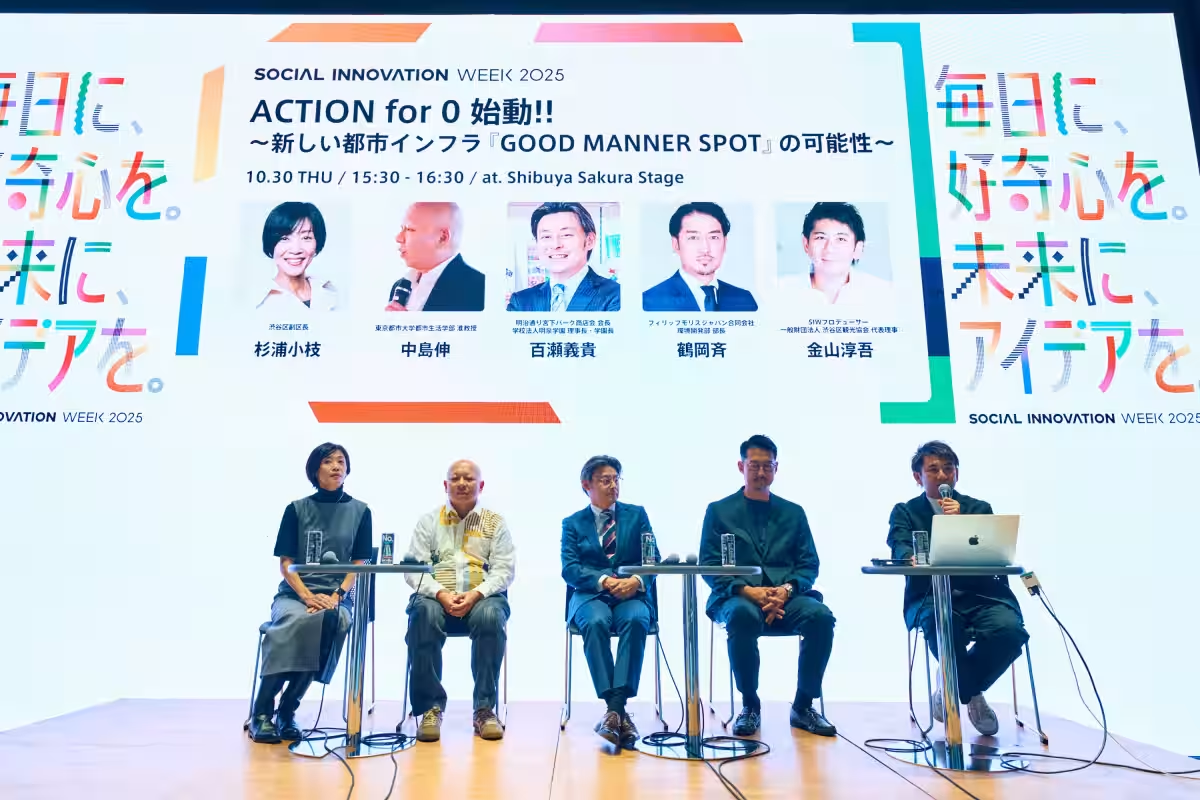
On October 30, 2025, Philip Morris Japan (PMJ) and the Shibuya Future Design organization held a significant talk session during the SOCIAL INNOVATION WEEK 2025. This event focused on the urban environment of smoking in Shibuya, highlighting the project's aim to improve smoking areas—particularly through their innovative initiative, "Action for 0."
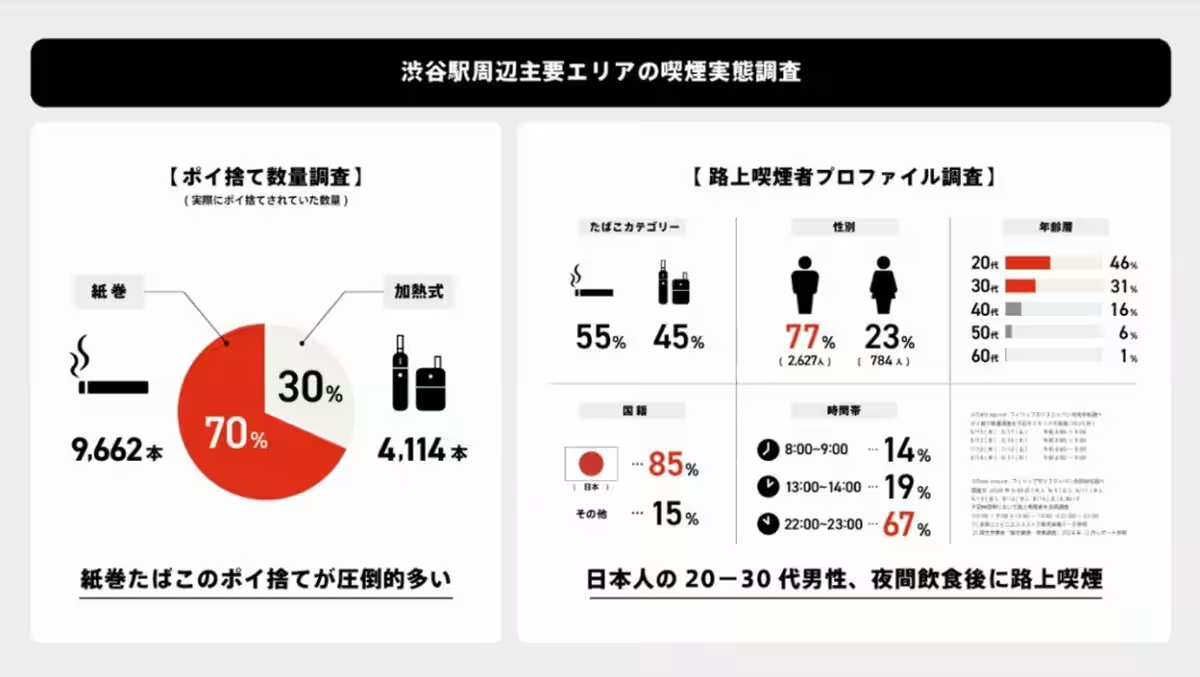
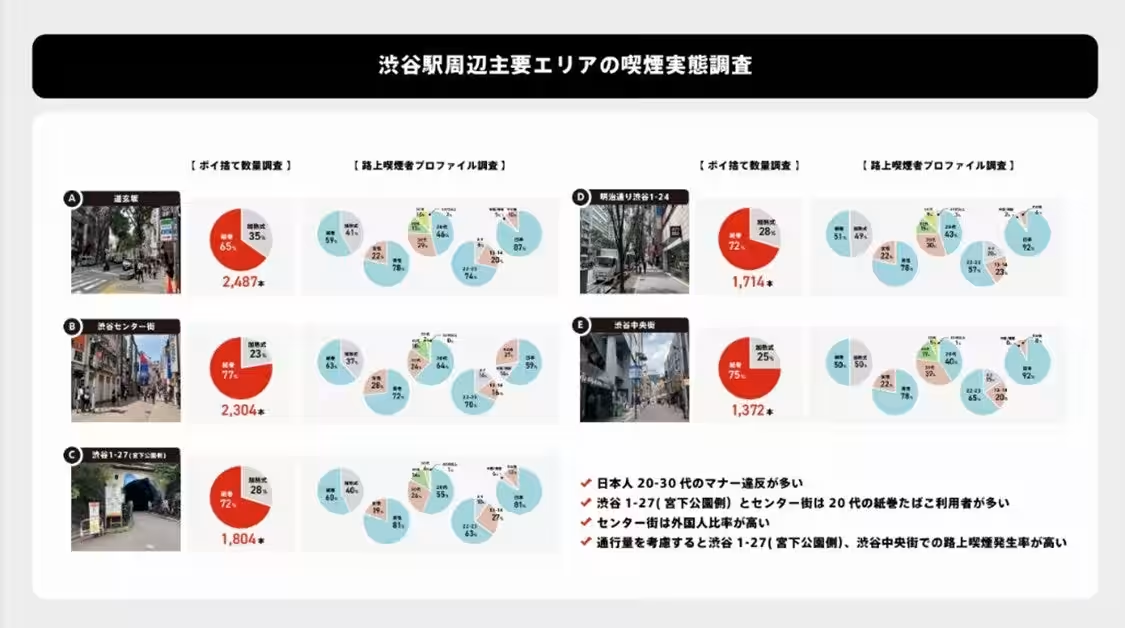
Over a five-month period, a comprehensive survey was conducted around Shibuya Station, examining the realities of smoking behaviors, particularly focusing on issues like smoking in prohibited areas and littering. The findings revealed stark evidence that a lack of awareness and insufficient designated smoking areas are major contributors to the ongoing problem of public smoking and littering in Shibuya’s vibrant neighborhoods.
Background: A Collaboration for Cleaner Urban Spaces
Shibuya Ward has been grappling with various public nuisance issues, especially during high-traffic periods like Halloween and New Year's celebrations. This prompted local authorities to implement stricter regulations concerning public drinking. However, the challenges posed by on-street littering and smoking persist, prompting feedback from the community urging for improvements.
In response, PMJ and Shibuya Future Design launched the "Action for 0" initiative in April 2025 as part of the broader Shibuya Good Manner Project. This initiative strives to address the issues beyond mere education on etiquette; it's aimed at fundamentally improving the urban smoking landscape based on thorough survey results. The first step was the detailed study conducted between April and August 2025.
Event Highlights: Unpacking Survey Findings
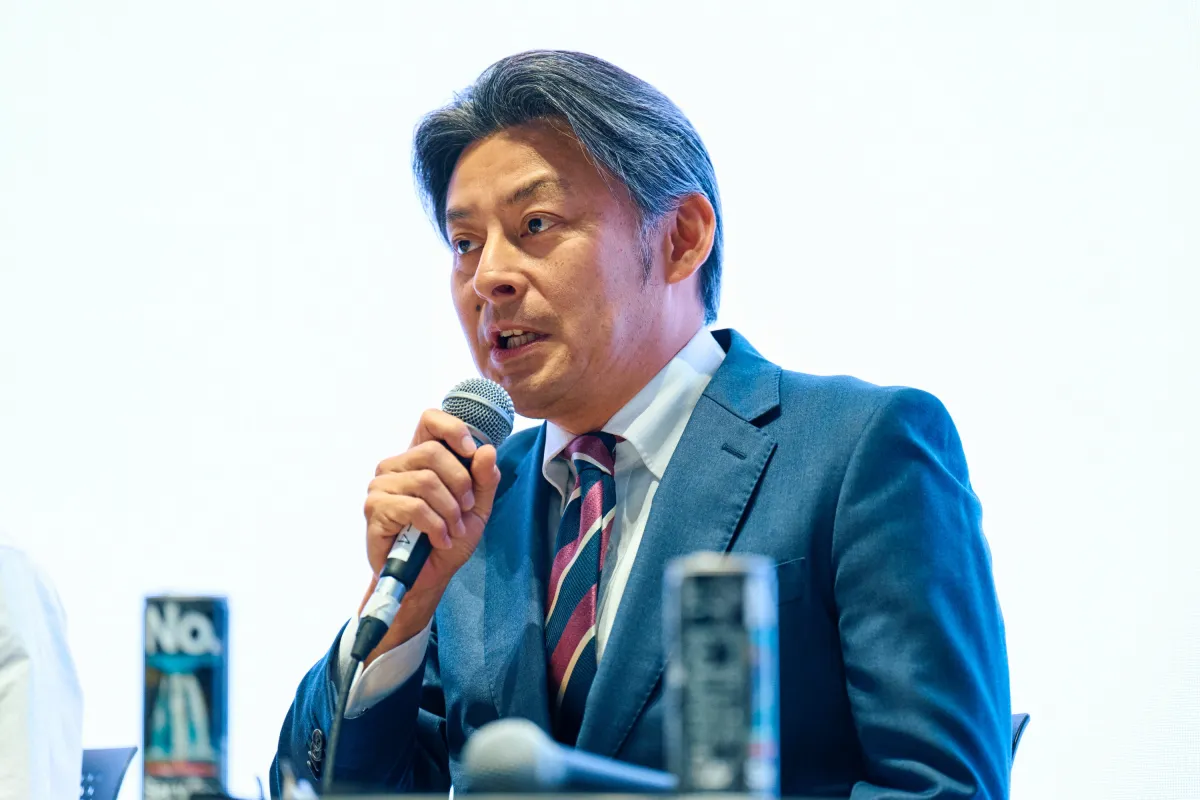
The session showcased insights from several prominent figures, including Shibuya Ward's Deputy Mayor, Koeda Sugiura, and Associate Professor Nobu Nakajima from Tokyo City University. A pivotal component of the discussion revolved around the survey findings regarding smoking in and around designated areas.
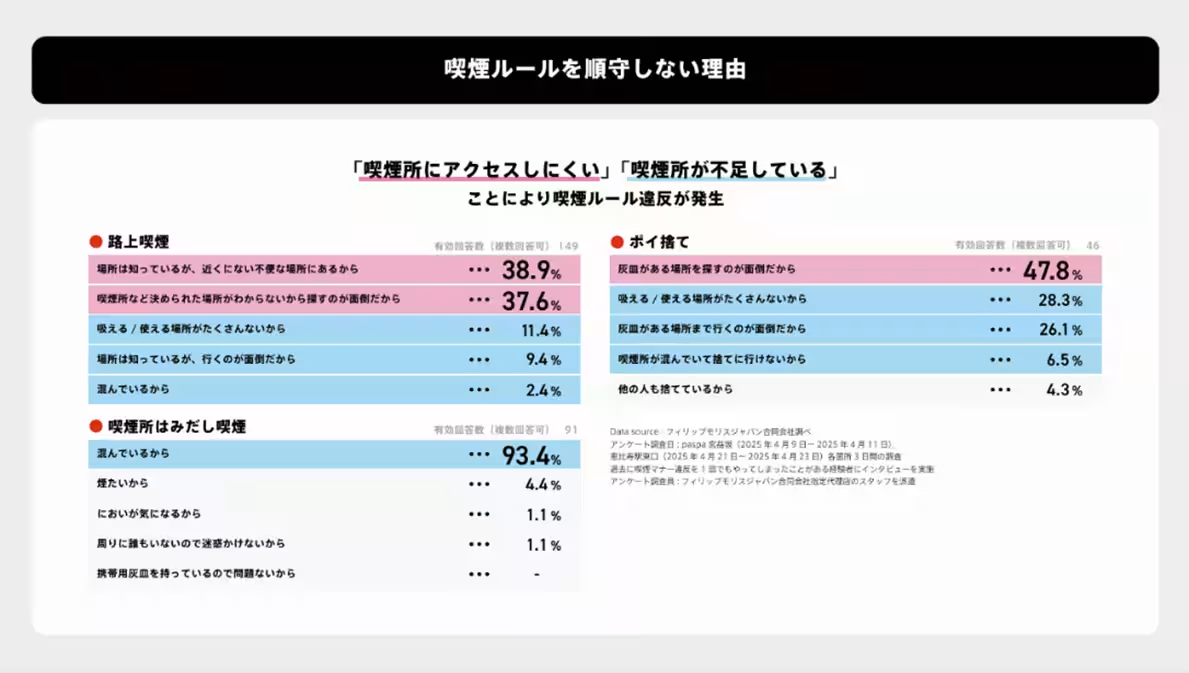
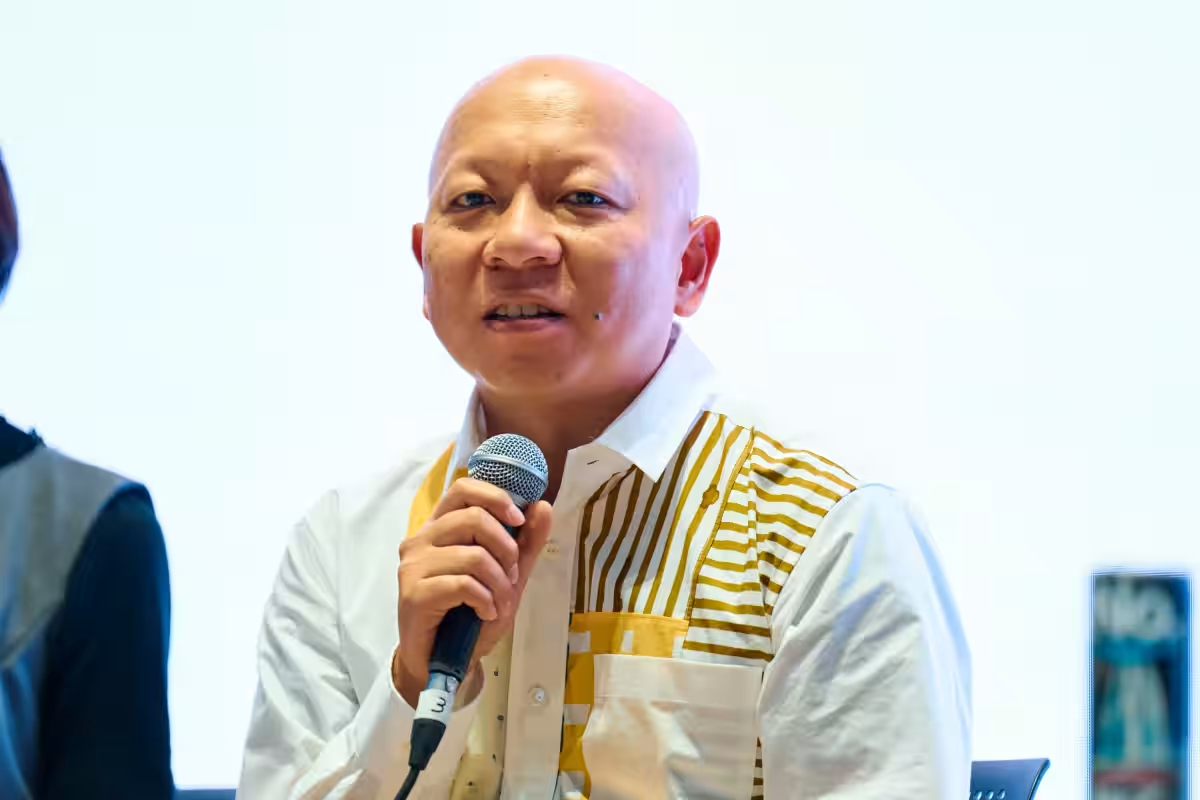
Turuoka, head of PMJ's environmental development department, reported the survey's shocking results, pinpointing problems like the difficulty in locating available smoking areas and the overcrowding that deters smokers from adhering to designated spaces. "We discovered that the issue of smoking is not merely about manners; it is inherently linked to urban infrastructure,” he stated.
Significantly, the survey introduced the term "overflow smoking"—a behavior where individuals stand outside of crowded designated smoking areas due to congestion. Findings indicated that a staggering 93.4% of surveyed smokers had engaged in this behavior because of overcrowding.
Analyzing Urban Challenges: Macro and Micro Perspectives
Associate Professor Nakajima highlighted the importance of utilizing both macro and micro analyses for effective urban solutions. "Addressing urban challenges within a framework of specific times and locations allows for tailored responses reflective of the area's characteristics," he remarked. The study unveiled clear differences in demographics across various sectors—one area had a significant concentration of younger individuals and international visitors, while another showed a predominance of Japanese locals seeking dining experiences.
Community Perspectives and Expectations
Despite the logistical obstacles, Deputy Mayor Sugiura stressed the urgency of addressing the challenges arising from the influx of visitors post-pandemic. He expressed optimism that closer collaboration between public and private sectors could create effective solutions to develop a more accommodating smoking environment, aligning with Shibuya's values of inclusivity.
Meanwhile, local merchant association president Yoshitaka Momose voiced his concerns regarding litter and smoking, emphasizing a commitment to creating welcoming environments for all customers, including smokers.
Innovative Solutions: Global Examples and Local Adaptation
The conversation broadened to explore practical solutions modeled after successful initiatives in cities like Osaka, where heated tobacco and smoking areas have decreased public smoking incidents. Turuoka mentioned PMJ’s role in introducing dedicated smoking facilities that cater to both heated and traditional tobacco users, showcasing their adaptability based on location needs.
The Quest for “Good Manner Spots”: A Vision for the Future
Ultimately, the dialogue culminated in discussions about the concept of "GOOD MANNER SPOT"—a forward-thinking initiative aimed at creating sustainable spaces for both smokers and non-smokers. This concept aims to design infrastructure with accessibility in mind while minimizing public exposure to smoke and litter.
Kanayama, a producer with Shibuya Future Design, iterated the importance of crafting a contemporary urban design that incorporates smoking spaces while addressing existing nuisance problems. Looking ahead, PMJ and Shibuya Future Design plan to launch a pilot project to establish designated areas that allow for a positive coexistence between different community members.
"Shibuya is currently undergoing significant redevelopment, offering a prime opportunity to rethink our urban environment and solve smoking issues at their roots," Kanayama concluded, highlighting the project’s long-term commitment to improving the area's smoking culture.
Conclusion
The 'Action for 0' endeavor is not just about promoting better manners but about a fundamental transformation in Shibuya’s smoking environment. As the city evolves, the focus remains on creating spaces where all community members can coexist harmoniously, addressing major urban challenges with innovative strategies and strong collaborative efforts.




Topics People & Culture)
【About Using Articles】
You can freely use the title and article content by linking to the page where the article is posted.
※ Images cannot be used.
【About Links】
Links are free to use.