



Innovative New Year's Greetings Leading to Charitable Donations in Japan
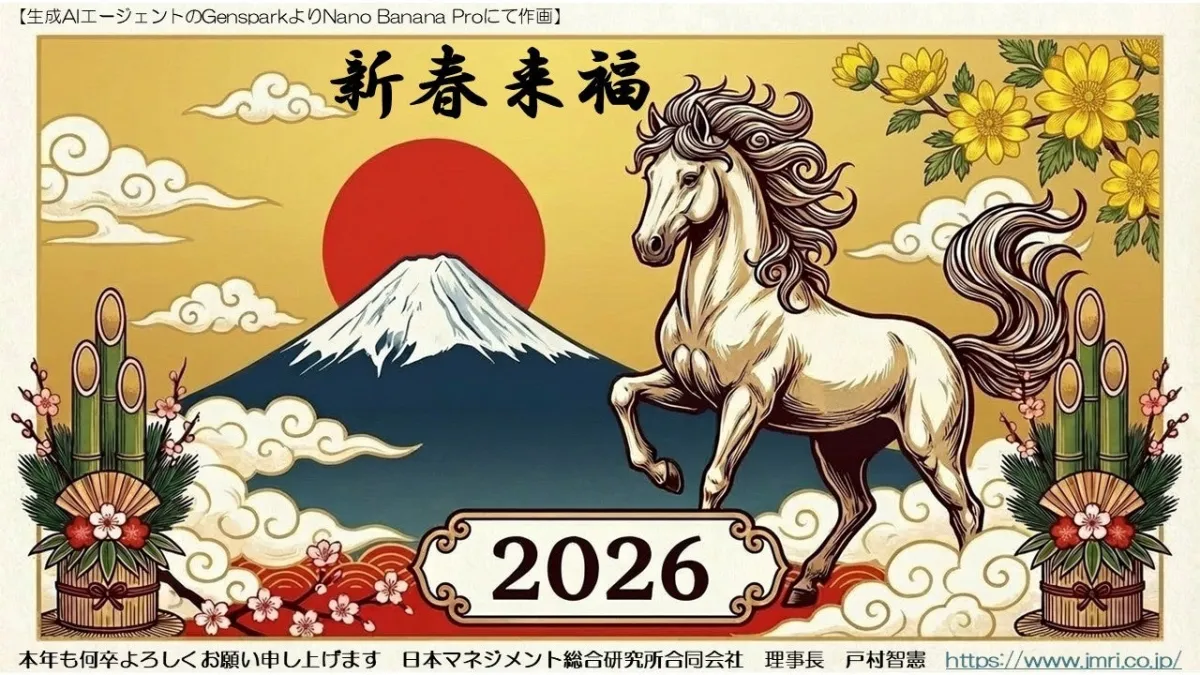
In a remarkable initiative, the Japan Management Institute, under the leadership of its chairman Tomonori Tomura, has innovatively used artificial intelligence to create New Year's greetings instead of traditional New Year's cards. This move not only represents a technological advancement but also showcases the spirit of giving back to society in a time of need.
On January 1, 2026, Mr. Tomura announced this unique approach, which involves the generation of personalized greetings via an AI agent. The decision was made to cut costs associated with printing and sending physical cards during a period when charitable contributions are especially vital. The savings from this initiative enabled Mr. Tomura to personally donate to the Japanese Red Cross Society, an organization dedicated to providing relief during various crises, including natural disasters, violence, and health emergencies.
This philanthropic act is combined with the holiday greetings, where Mr. Tomura created AI-generated artwork and videos portraying New Year messages. The donation aims to support the families affected by disasters, enhancing their well-being and underscoring the importance of community solidarity and compassion during difficult times. The Japanese Red Cross is a well-respected organization known for its humanitarian efforts and disaster relief work across the nation.
The total amount donated can be traced through a publicly accessible link, ensuring transparency and accountability. This not only reflects the generosity of Mr. Tomura but also sets a precedent for how modern technology can be harnessed for social good and charitable endeavors.
In a broader context, such actions exemplify a growing trend of using digital solutions to foster communication and give back to the community. As technology continues to advance, it is essential to find innovative channels to support those in need, especially during the seasons that emphasize reflection and generosity, such as the New Year.
The initiative aligns with various related activities, notably the campaign known as the "2026 Eco New Year's Message," further pushing the boundaries of traditional communication and greetings. As Mr. Tomura fully employs AI in the creation of these messages, it highlights a creative intersection between technology and human empathy in a context where traditional practices meet modern innovation.
This approach to greetings and donations has garnered attention and approval, signaling a shift in how individuals and businesses can leverage technology in philanthropy. The Japan Management Institute’s move could inspire other organizations to consider alternative approaches to holiday greetings and charitable giving, making the act of kindness more impactful and more relevant in today’s technologically driven society.
In conclusion, as the New Year approaches, Mr. Tomura's initiative not only rejuvenates a traditional form of communication but also champions the critical need for compassionate social responsibility. The Japan Management Institute demonstrates how blending creativity, technology, and emotional intelligence can produce commendable outcomes for society.
On January 1, 2026, Mr. Tomura announced this unique approach, which involves the generation of personalized greetings via an AI agent. The decision was made to cut costs associated with printing and sending physical cards during a period when charitable contributions are especially vital. The savings from this initiative enabled Mr. Tomura to personally donate to the Japanese Red Cross Society, an organization dedicated to providing relief during various crises, including natural disasters, violence, and health emergencies.
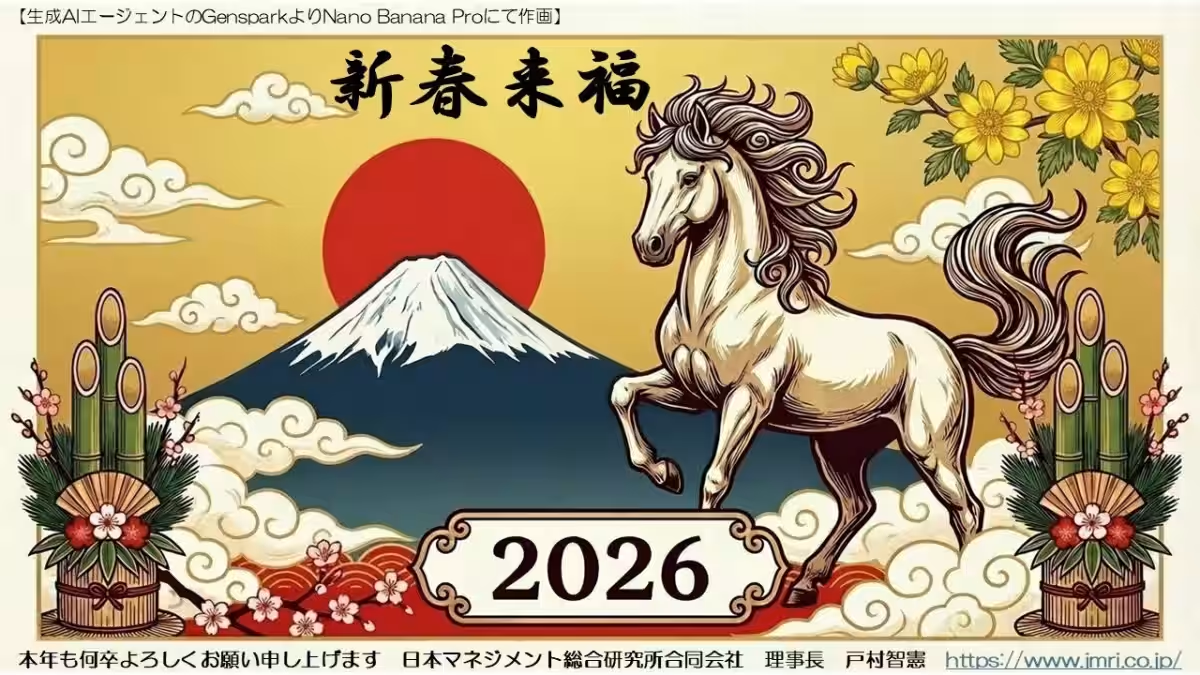
This philanthropic act is combined with the holiday greetings, where Mr. Tomura created AI-generated artwork and videos portraying New Year messages. The donation aims to support the families affected by disasters, enhancing their well-being and underscoring the importance of community solidarity and compassion during difficult times. The Japanese Red Cross is a well-respected organization known for its humanitarian efforts and disaster relief work across the nation.
The total amount donated can be traced through a publicly accessible link, ensuring transparency and accountability. This not only reflects the generosity of Mr. Tomura but also sets a precedent for how modern technology can be harnessed for social good and charitable endeavors.
In a broader context, such actions exemplify a growing trend of using digital solutions to foster communication and give back to the community. As technology continues to advance, it is essential to find innovative channels to support those in need, especially during the seasons that emphasize reflection and generosity, such as the New Year.
The initiative aligns with various related activities, notably the campaign known as the "2026 Eco New Year's Message," further pushing the boundaries of traditional communication and greetings. As Mr. Tomura fully employs AI in the creation of these messages, it highlights a creative intersection between technology and human empathy in a context where traditional practices meet modern innovation.
This approach to greetings and donations has garnered attention and approval, signaling a shift in how individuals and businesses can leverage technology in philanthropy. The Japan Management Institute’s move could inspire other organizations to consider alternative approaches to holiday greetings and charitable giving, making the act of kindness more impactful and more relevant in today’s technologically driven society.
In conclusion, as the New Year approaches, Mr. Tomura's initiative not only rejuvenates a traditional form of communication but also champions the critical need for compassionate social responsibility. The Japan Management Institute demonstrates how blending creativity, technology, and emotional intelligence can produce commendable outcomes for society.
Topics People & Culture)



【About Using Articles】
You can freely use the title and article content by linking to the page where the article is posted.
※ Images cannot be used.
【About Links】
Links are free to use.