



New Insights on Beta Testing Trends for Mobile Games Released in 2025
Examination of Beta Testing Trends in 2025 Mobile Games
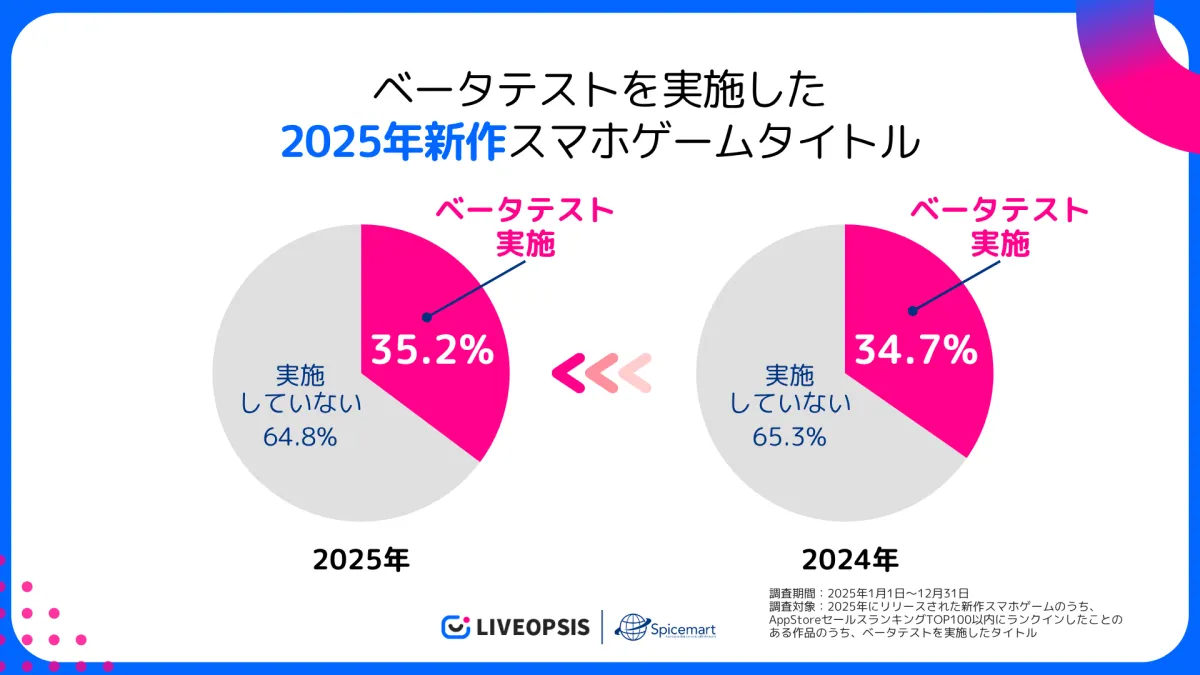
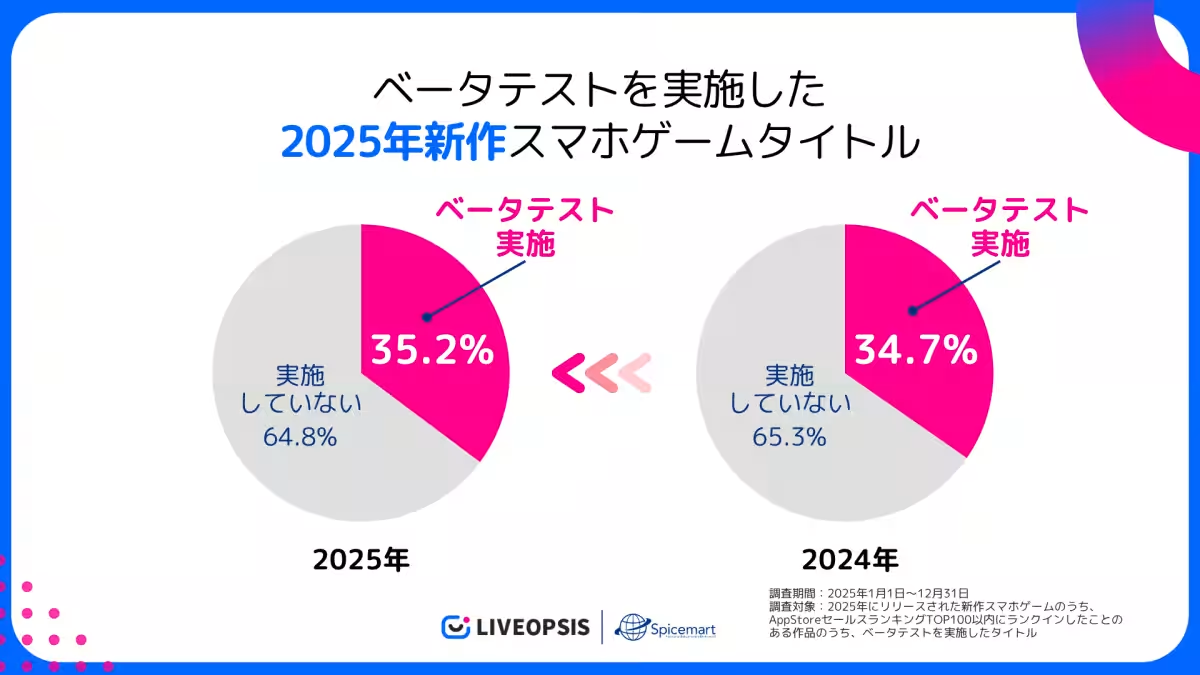
In a recent study conducted by Spice Smart, the beta testing trends for mobile games launched in 2025 were analyzed, highlighting a testing rate of 35.2%. This report, part of Spice Smart's ongoing research initiative, points to a continued interest in beta testing as a key component of mobile game development.
Overview of the Survey
The research was carried out from January 1 to December 31, 2025, focusing on new mobile games that made it to the top 100 sales rankings in the App Store. Out of the 88 titles analyzed, 31 conducted a beta test—indicating that approximately 35.2% of new releases participated in this vital development phase. This figure remains consistent with the previous year's data, where the beta testing rate stood at 34.7%.
Moreover, when looking strictly at the annual sales ranking of the top 100 games, only 37.5% of the 16 titles that performed beta testing were represented within the testing rates overall, showing no stark contrast in trends.
Development and Participation
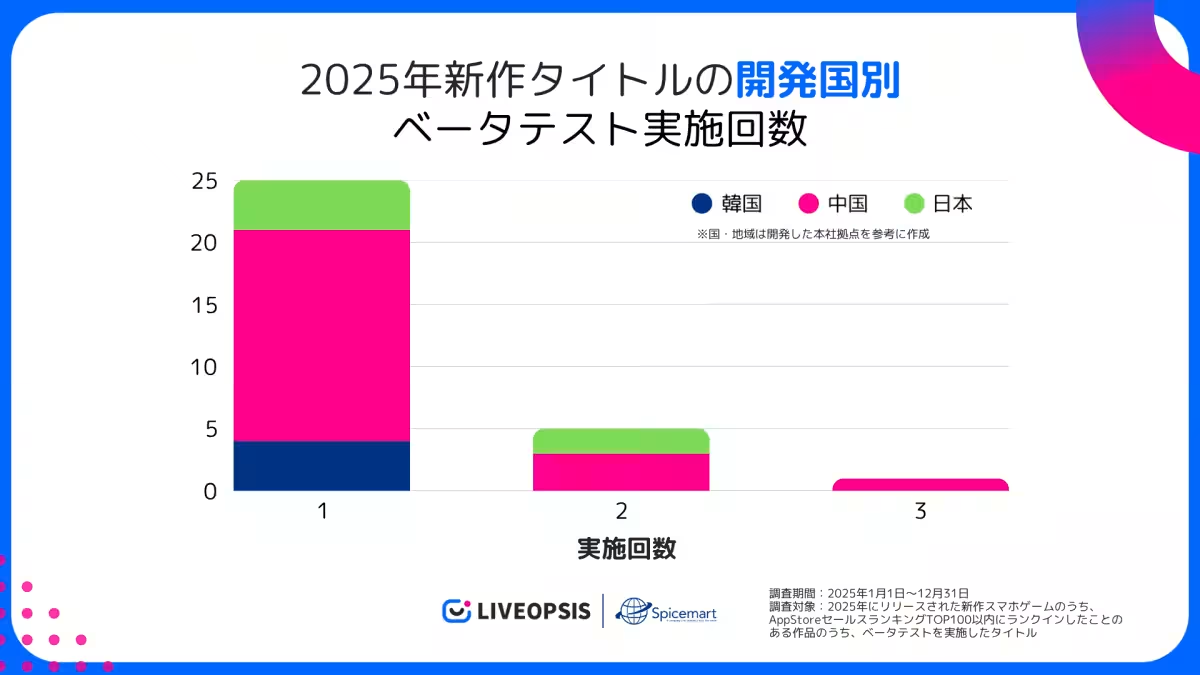
A significant takeaway from the research is the predominance of overseas development, with 80.6% of the titles that underwent beta testing being developed outside Japan. Specifically, 25 of the 31 titles came from international developers. The practice of conducting multiple beta tests was mostly observed among these overseas titles, with 7 games running tests more than once, primarily from Chinese developers.
Testing Formats and Release Timing
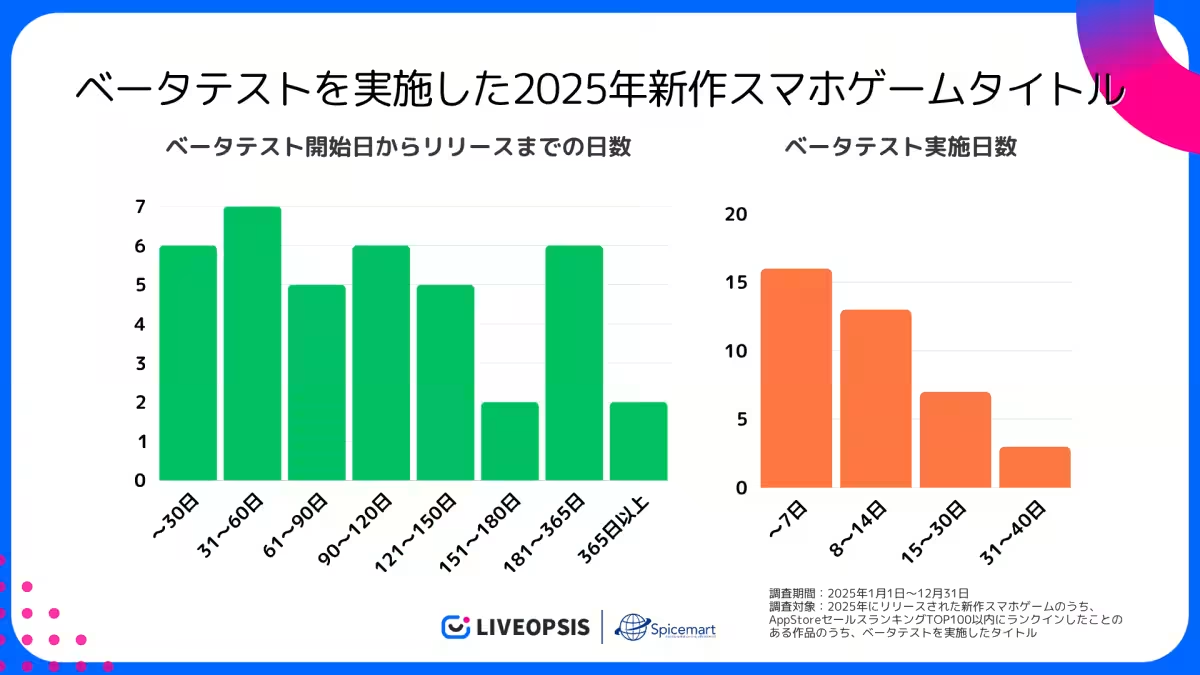
The survey documented a total of 39 beta testing sessions across the participating games, predominantly utilizing a closed beta testing (CBT) format rather than an open beta (OBT). Interesting to note, all testing durations were kept under 40 days, with the typical testing period being as short as 7 days. This trend reflects a desire among developers to quicken the feedback loop and implement necessary adjustments rapidly.
Additionally, an impressive 94.8% of test launches resulted in game releases within a year, with the most frequent time frame being 1 to 2 months following beta testing commencement.
User Engagement Strategies
The beta testing process was not just about game validations; it also included various user engagement campaigns. Titles such as Unveil the World and Star Savior encouraged user feedback through their official Discord channels, while others like Duet Night Abyss and Nobunaga’s Ambition: True Battle hosted social media campaigns that incentivized players to share their experiences online.
Moreover, some beta participants received in-game items to be utilized during the official release, and for a few titles, such as The Legend of Staff and Sword, a system was instituted allowing players to receive rebates on their spending during the beta upon the game's formal launch.
Conclusion
This report only scratches the surface of the full findings, which aggregate promotional details and multiple aspects of beta testing across all 31 titles involved. The entire dataset is currently being distributed to clients of Spice Smart's operational solution, LIVEOPSIS. For any inquiries about LIVEOPSIS, potential clients can reach out for more information.
Spice Smart aims to facilitate further growth in the mobile gaming market with their empirical insights and dedicated services. By continuously adapting their approaches, they provide valuable support to developers navigating the complexities of mobile game launches.
About Spice Smart
Founded in July 2015 and based in Shibuya, Tokyo, Spice Smart is focused on research and analysis within the mobile game industry. They provide comprehensive data solutions to their clients and offer support for collaborations involving Japanese IPs.
For more information, visit: Spice Smart
Topics Entertainment & Media)
【About Using Articles】
You can freely use the title and article content by linking to the page where the article is posted.
※ Images cannot be used.
【About Links】
Links are free to use.