



A Deep Dive into New Graduate Hiring Strategies in the Age of Generative AI
A Deep Dive Into New Graduate Hiring Strategies in the Age of Generative AI
Overview of the Research
A recent survey conducted by Akari Group, which supports the career development of highly skilled professionals, including graduate students, examines the implications of generative AI on new graduate hiring strategies. With 112 HR personnel from companies actively leveraging generative AI for recruitment, the findings highlight significant shifts in strategies, requirements, and expectations within the hiring landscape.
Key Findings
1. Reevaluation of Hiring Strategies
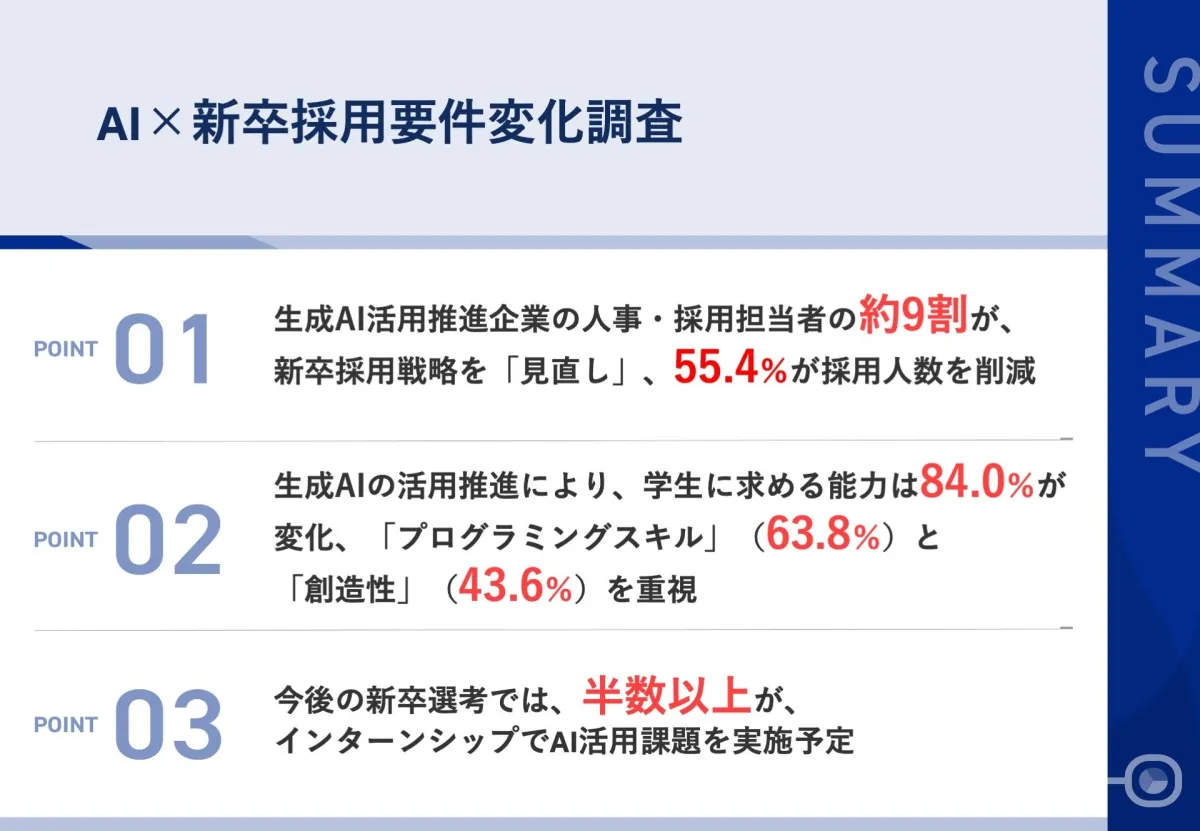
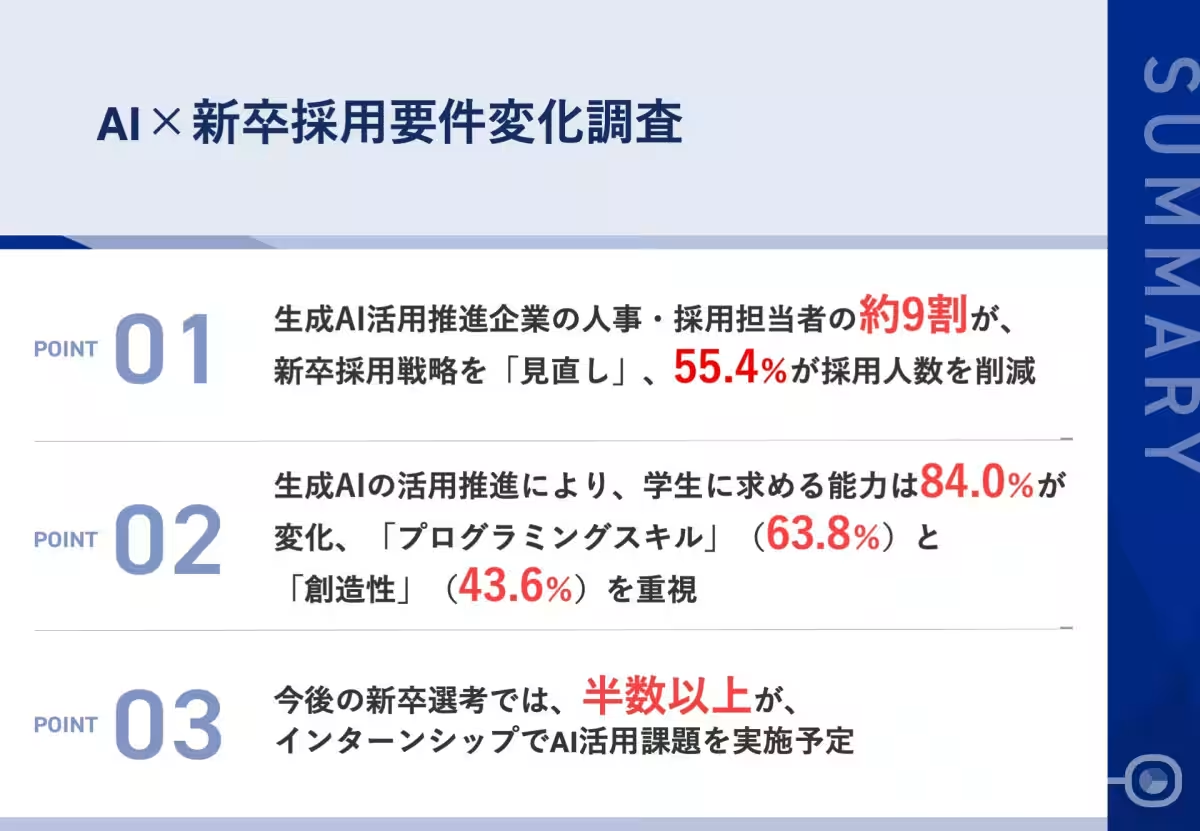
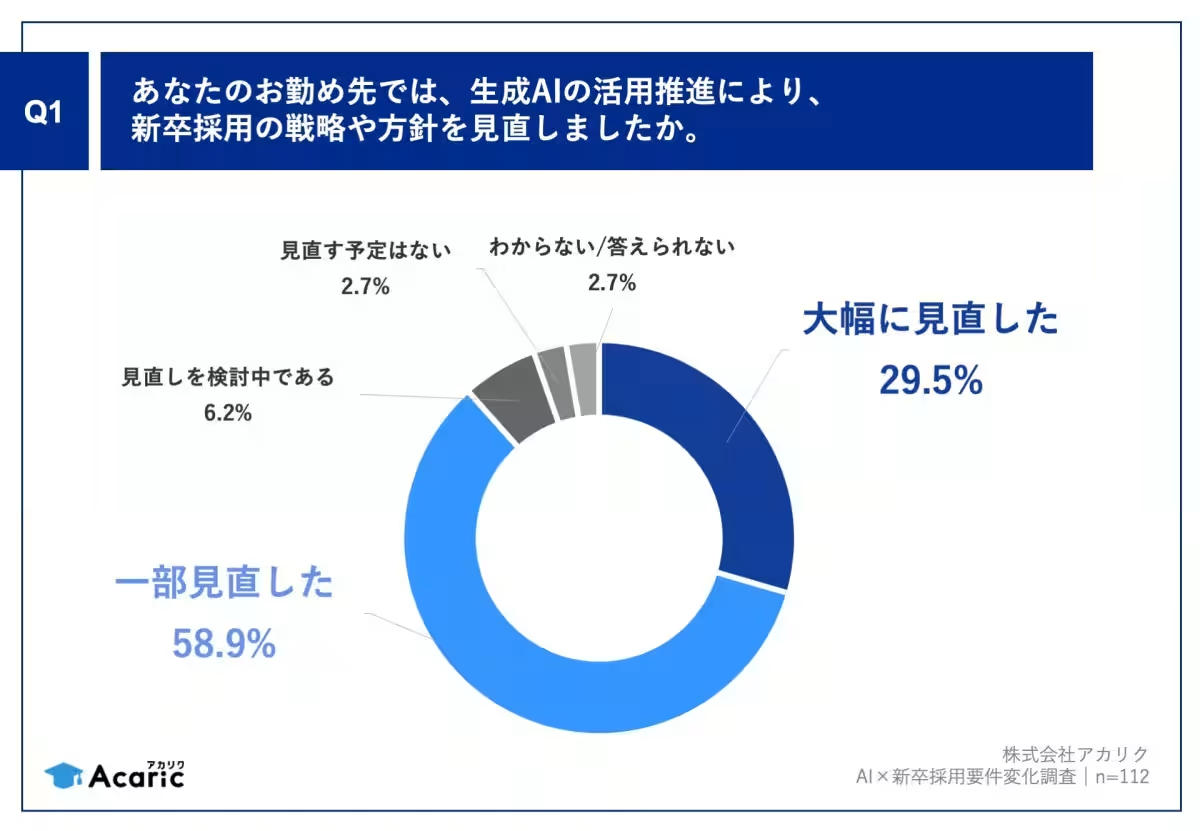
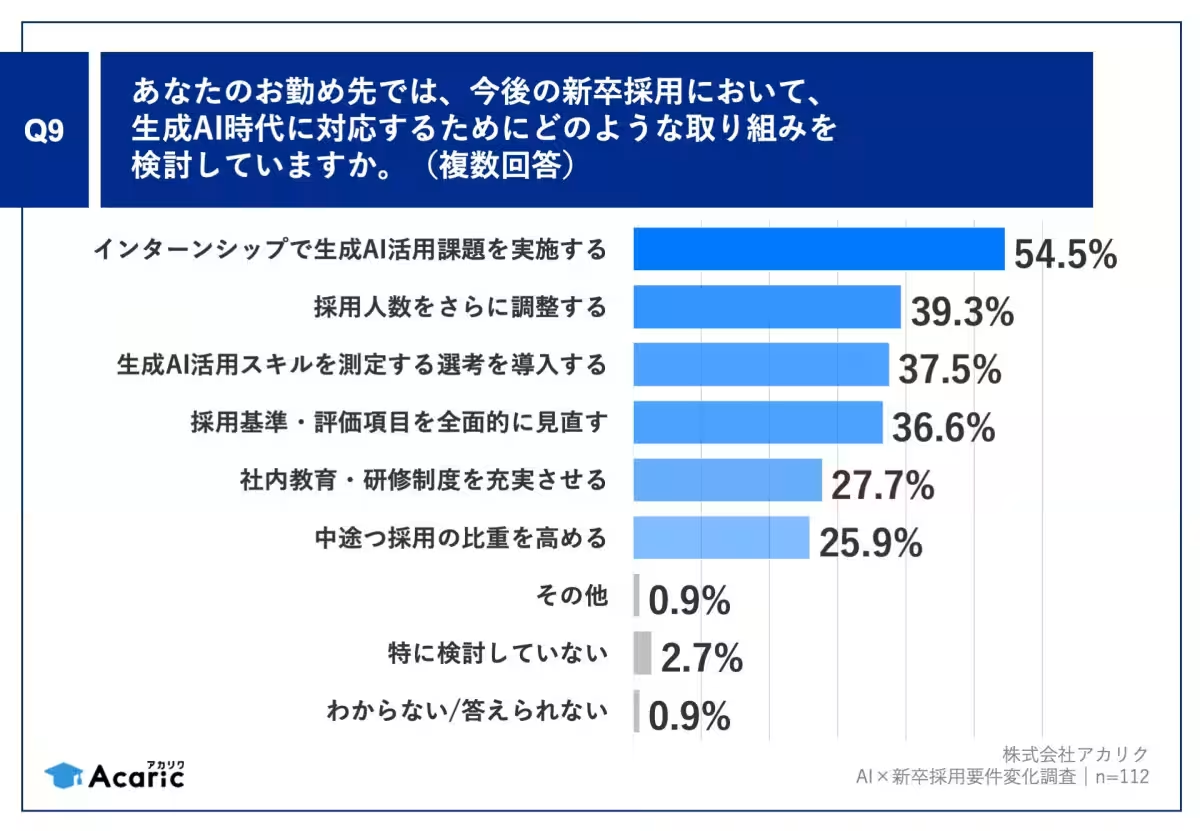
A staggering 89% of the surveyed HR professionals reported that their organizations have reconsidered their recruitment strategies in light of generative AI advancements. Specifically, 29.5% indicated a substantial overhaul of their approach, while 58.9% stated they made partial adjustments. This reflects a broader trend towards adapting to the rapidly changing job market—prompting a significant shift in the criteria for evaluating potential candidates.
2. Shifting Skill Requirements
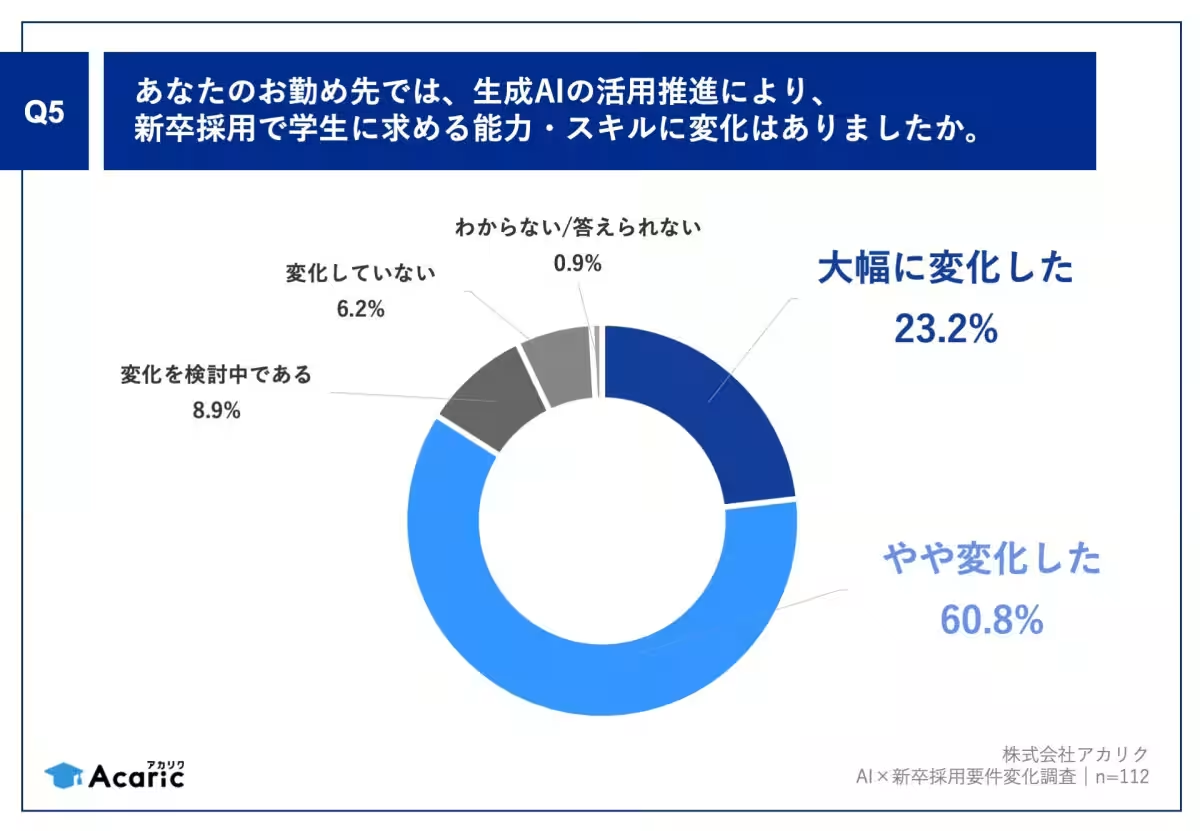
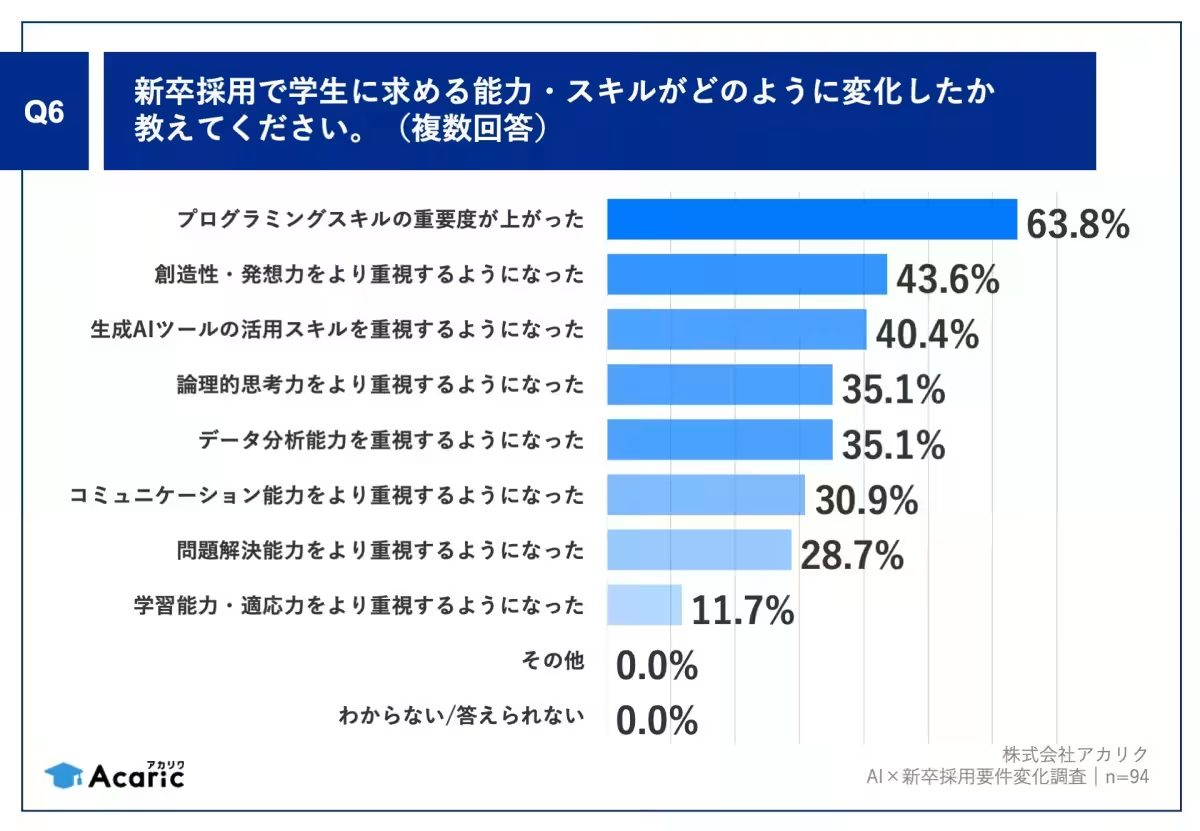
In the wake of these changes, 84% of the respondents noted a shift in the skills they seek in candidates. The emphasis has notably increased on programming skills (63.8%) and creativity (43.6%). This shift indicates an urgent need for candidates who can not only leverage new technologies but can creatively solve problems in this evolving landscape.
3. Reduction in Hiring Numbers
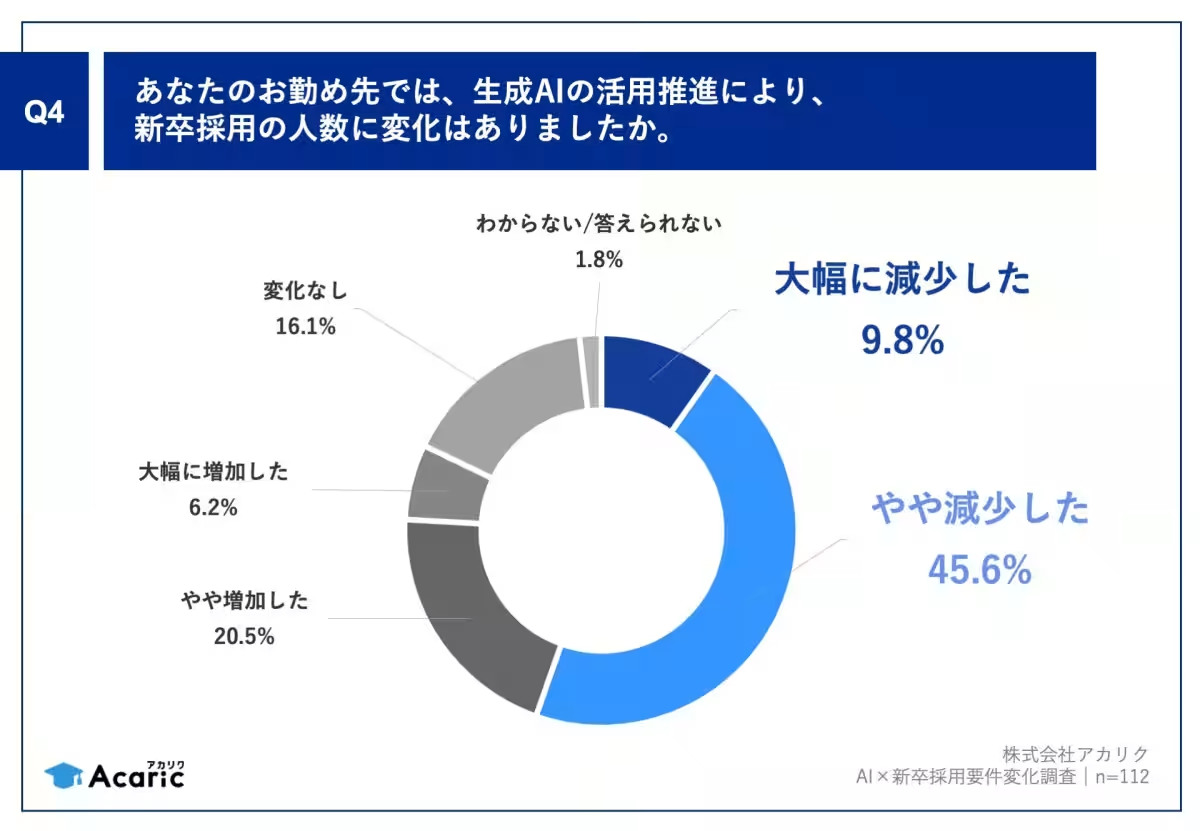
Furthermore, more than half (55.4%) of respondents mentioned a reduction in the number of new graduates they plan to hire. This raises questions about the impact of generative AI on the overall workforce requirements, with many organizations citing improved efficiency leading to decreasing staffing needs.
Additional Insights
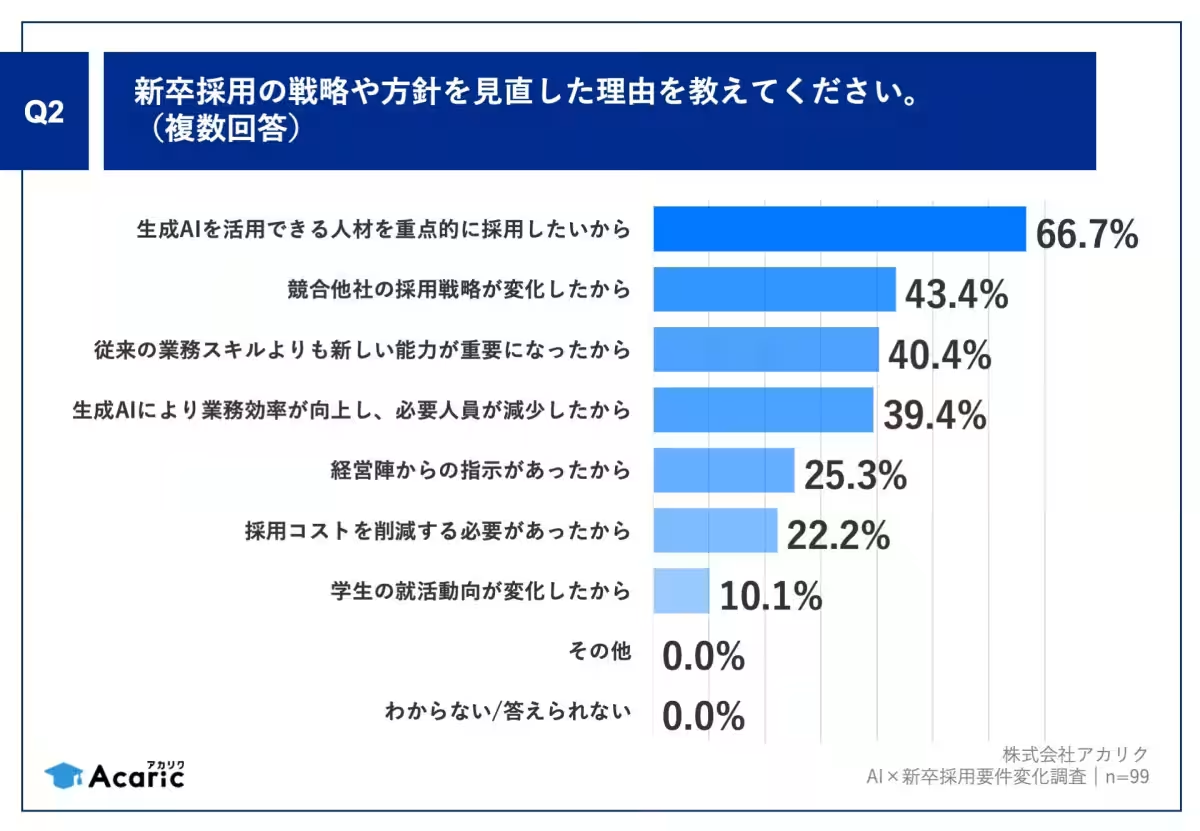
- - When asked why their hiring strategies were reassessed, many HR professionals indicated the desire to focus on candidates adept at utilizing generative AI technologies. This underscores a broader industry recognition that harnessing AI’s capabilities is vital in maintaining competitive advantage.
- - The responses also highlighted adaptive qualities desirable in potential candidates, such as flexibility in learning new tools and methodologies, alongside traditional capabilities.
4. Changing Evaluations of Candidate Experiences
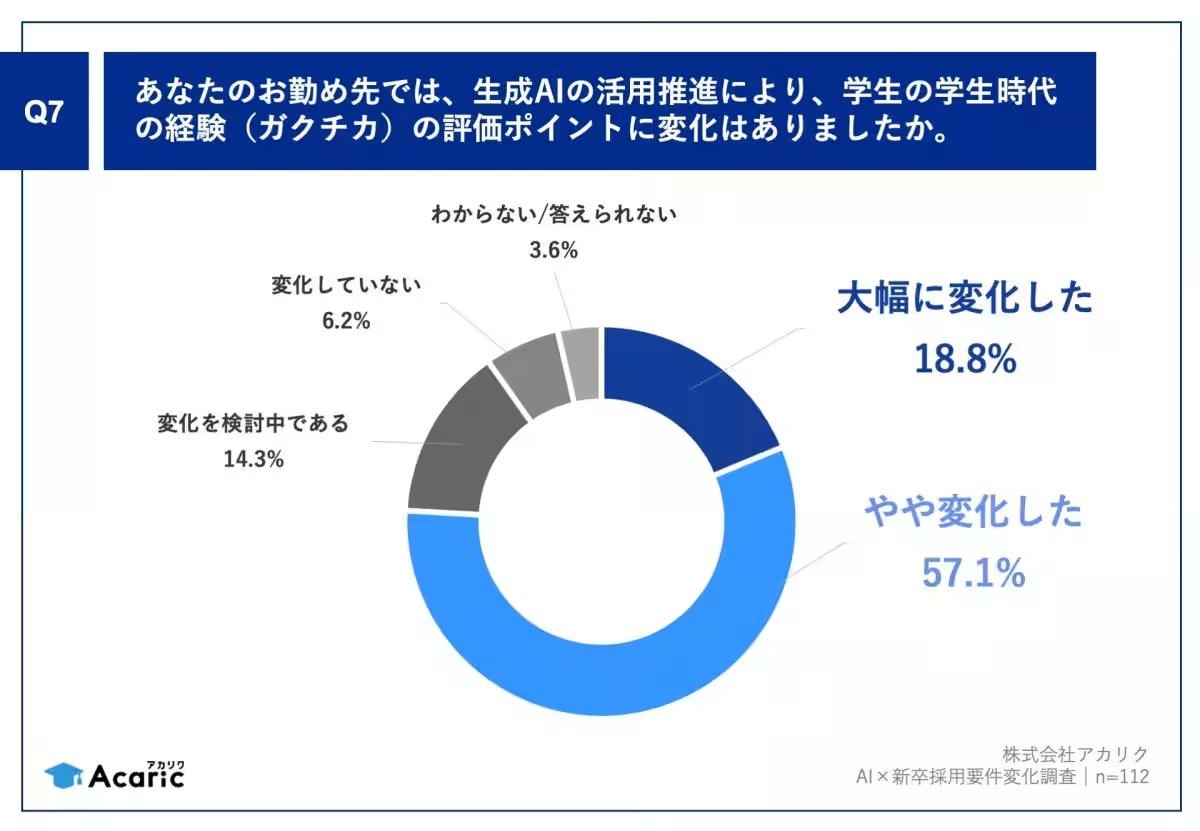
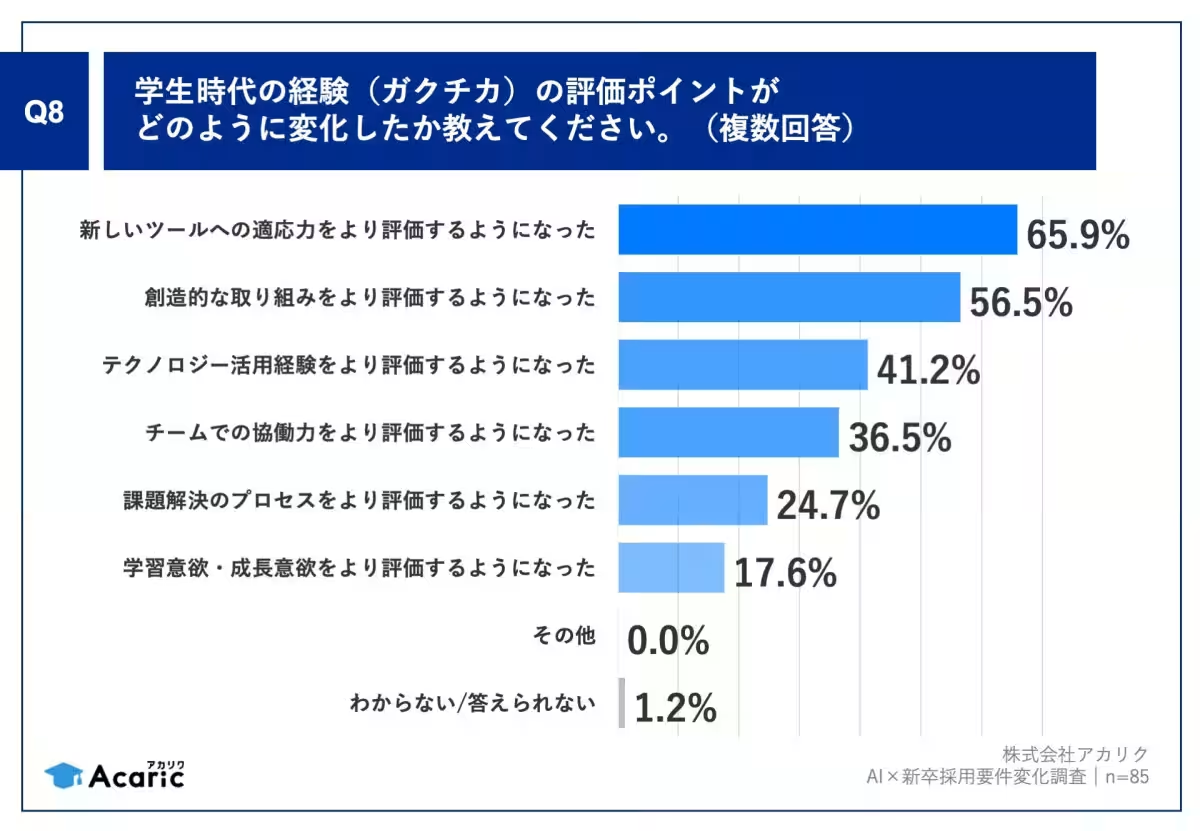
Interestingly, there has been a shift in how HR evaluates candidates' experiences—or
Topics People & Culture)
【About Using Articles】
You can freely use the title and article content by linking to the page where the article is posted.
※ Images cannot be used.
【About Links】
Links are free to use.