



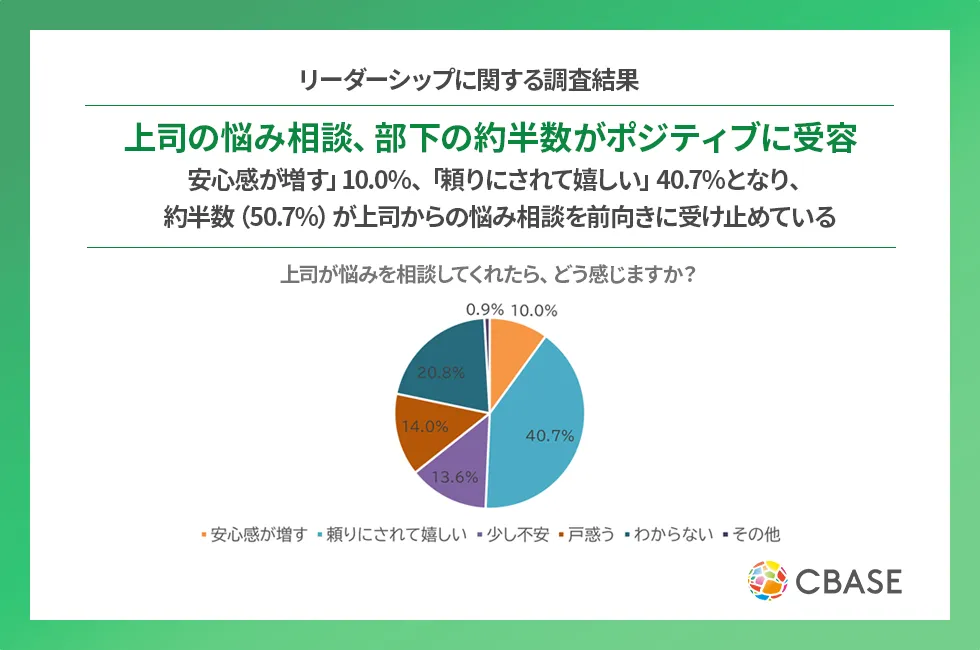
How Employees Perceive Their Managers' Troubles: Insights from CBASE Survey
Understanding Employees' Responses to Managers' Concerns
In today’s corporate environment, leaders often find themselves juggling multiple responsibilities, including handling their teams’ dynamics and navigating organizational challenges. A recent survey conducted by CBASE, a prominent HR cloud service company based in Shinjuku, Tokyo, sheds light on how employees perceive their managers when they seek help regarding their professional worries. This analysis marks the second phase of a broader study aimed at examining leadership dynamics and communication within workplaces.
Survey Insights
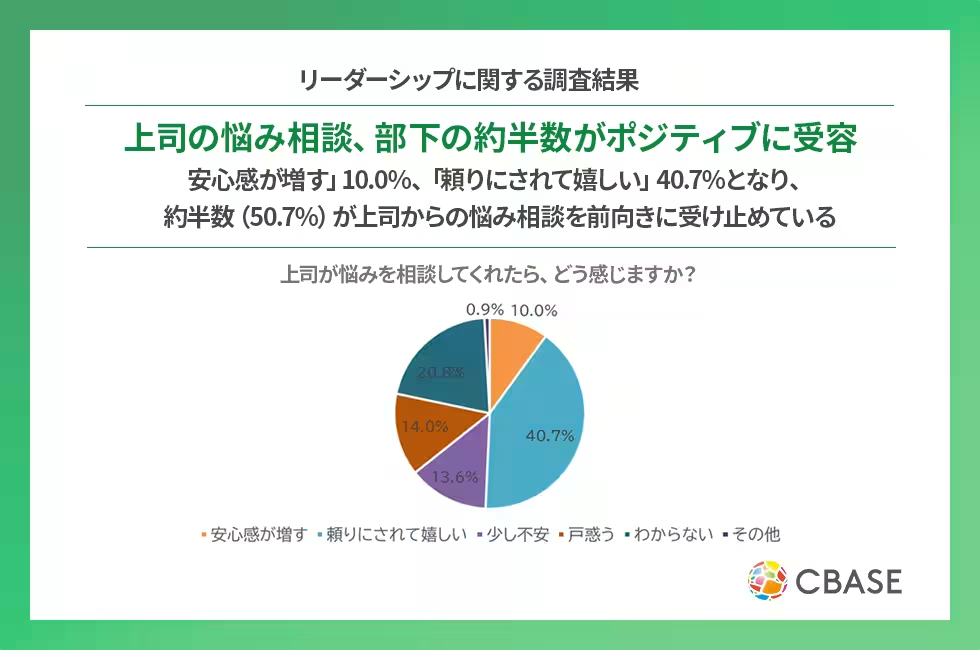
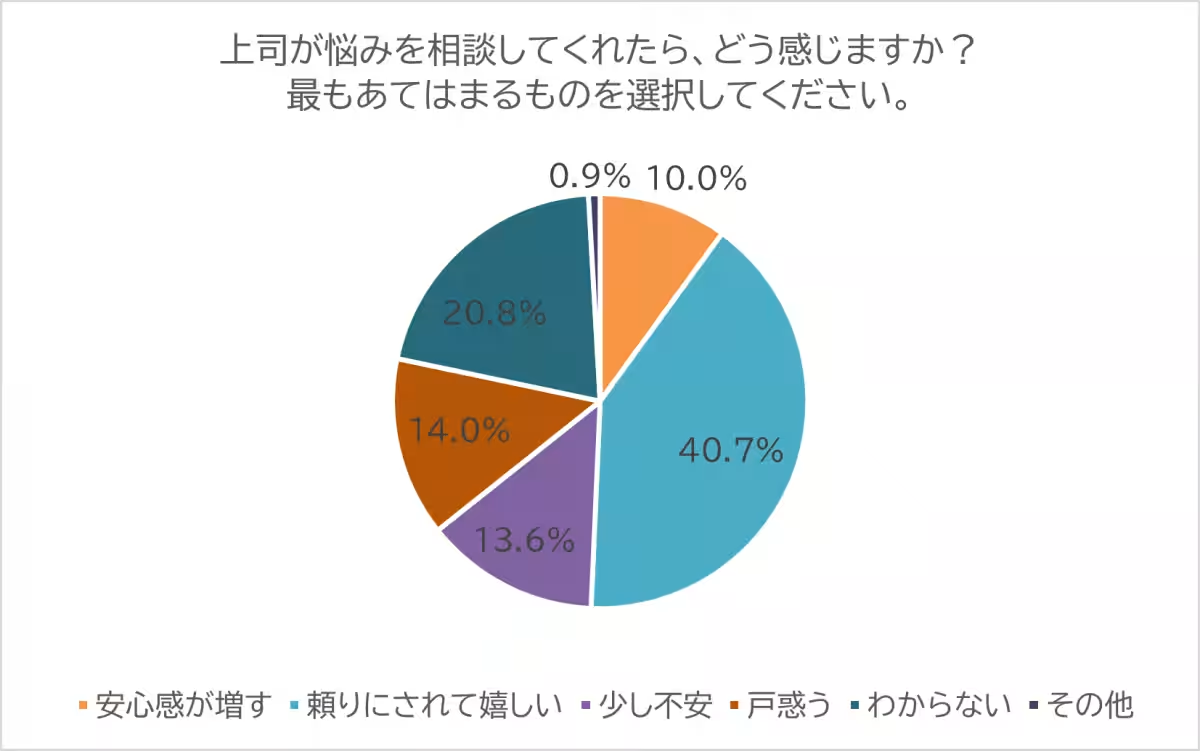
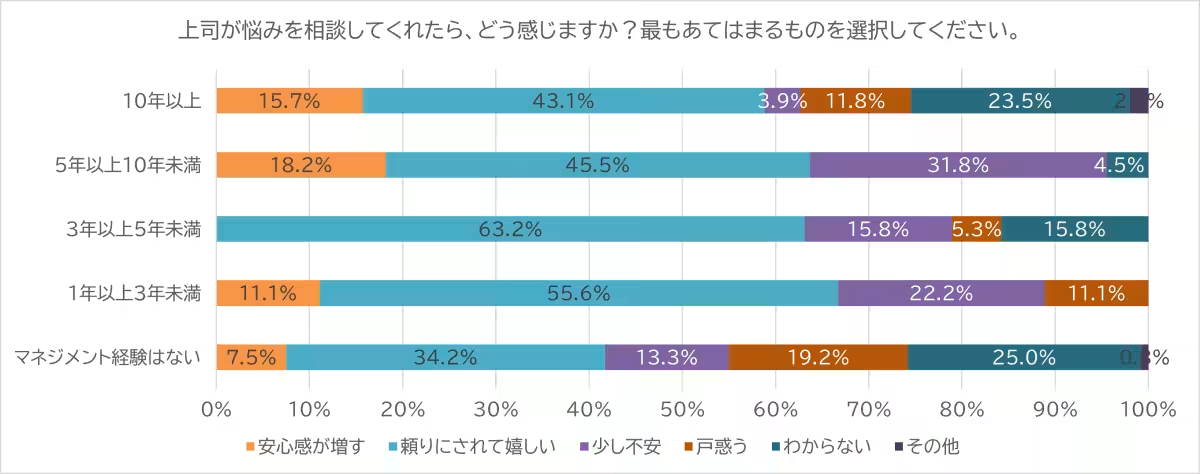
The survey revealed that a significant portion of employees, about 50.7%, responded positively to their managers' consultations regarding work-related issues. Specifically, 40.7% of participants reported feeling pleased when their managers consulted with them, indicating a sense of being relied upon. Additionally, 10.0% felt a growing sense of reassurance from these discussions. However, it is crucial to note that 27.6% of employees expressed varying degrees of negative responses, indicating that not all interaction is seen positively.
Age-based Analysis
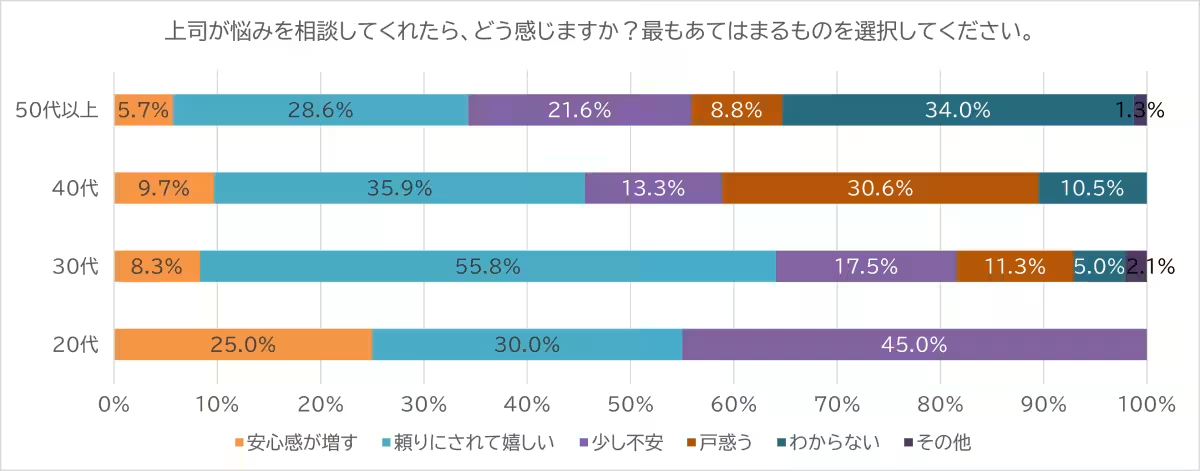
Delving deeper into age demographics, the survey found that employees in their 30s exhibited the most favorable responses; a total of 61.8% of this group expressed positive sentiments towards their managers’ consultations. Notably, 50.0% of them stated they felt honored to be counted on, suggesting that younger employees may view these conversations as affirmations of their capabilities. Conversely, the feedback from individuals aged 50 and above indicated an increasing uncertainty, particularly the response category 'I don’t know,' which suggests a generational divide in accepting managerial support and communication.
Experience Level Perspectives
When categorizing responses based on managerial experience, employees without management backgrounds reported lower positivity at 41.7%. In contrast, employees with managerial experience exhibited a more confident perspective, with over 60% conveying positive receptions. This discrepancy highlights the potential challenges inexperienced employees face in interpreting managerial consultations in a constructive light. It suggests that fostering early management opportunities could enable younger employees to internalize discussions with superiors as collaborative rather than burdensome.
Frequency of Consultation
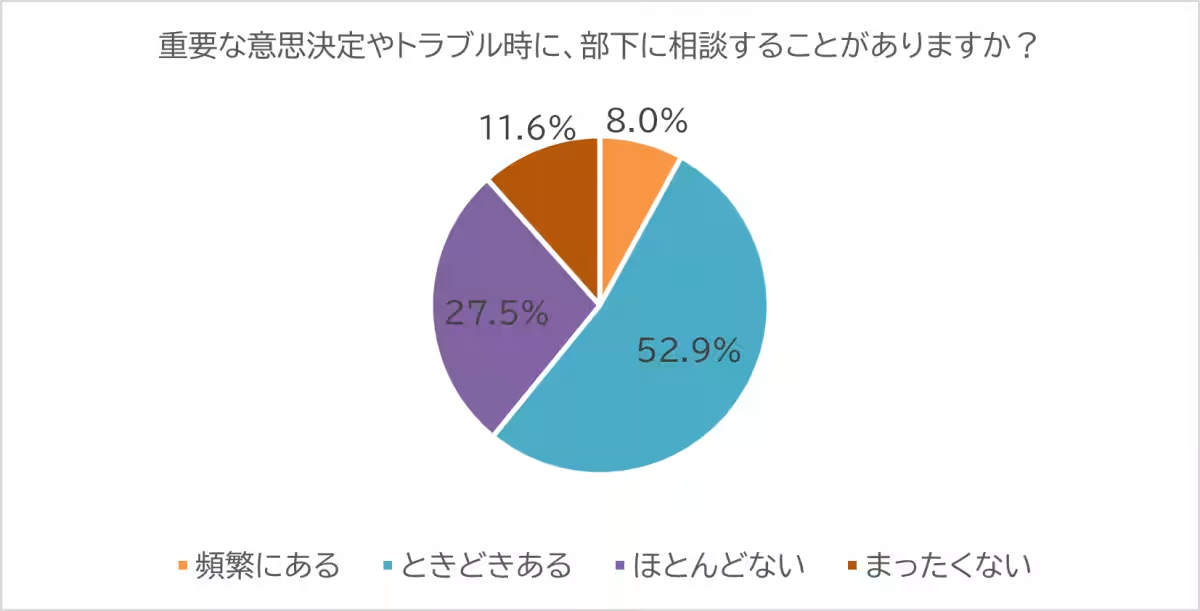
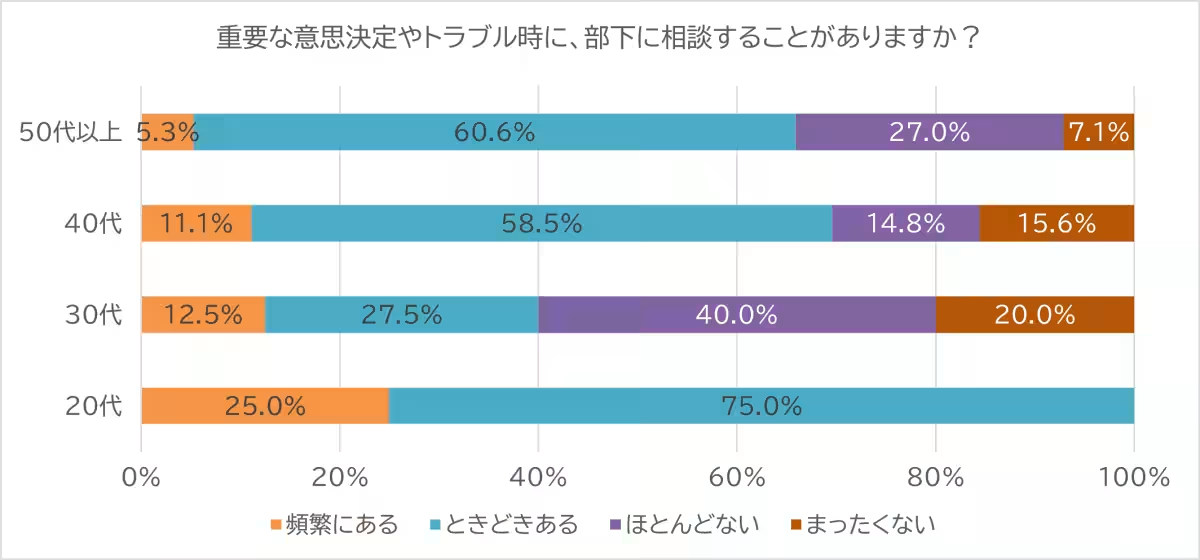
The survey also explored the frequency of manager consultations regarding significant decisions or issues. Approximately 60.9% of managers indicated that they occasionally seek their teams' input during critical moments. Nonetheless, 39.1% voiced that such consultations were rare, revealing a substantial gap in engagement that could impact team dynamics. This highlights the necessity for improvement in communication practices amongst leaders.
Learning from Leadership Styles
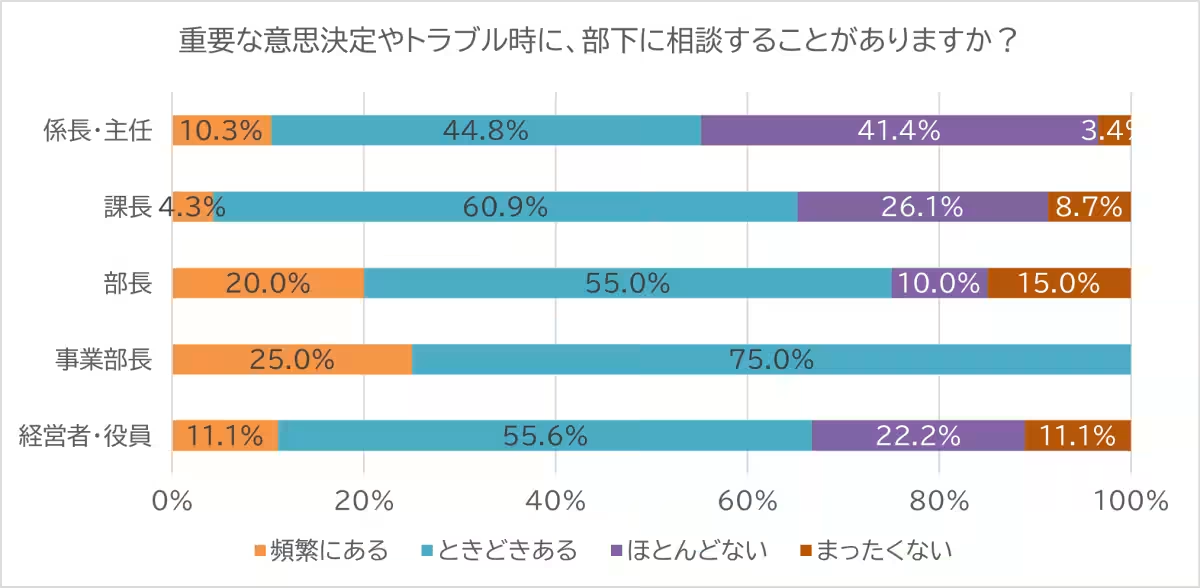
Interestingly, the survey found variances in consultation rates across different management levels; while nearly 70% of department heads reported frequent consultation with their teams, only 40% of those in management roles reported similar engagement with their subordinates. This suggests that senior managers might better understand the importance of collaboration and trust-building, whereas mid-level managers struggle to allocate time amidst their pressing duties.
Concluding Thoughts
In light of the findings, it is clear that a large segment of employees appreciates the opportunity to engage in dialogues about their managers’ concerns. Yet, it remains essential for businesses to prioritize clear communication about the purpose and intent behind these consultations. To transform managers’ concerns into opportunities for team collaboration and trust-building, organizations must foster environments that encourage open dialogue. The evolving workplace, marked by increasing complexity and diversity, necessitates leadership that not only seeks input but also values employee voices in decision-making processes.
Topics People & Culture)



【About Using Articles】
You can freely use the title and article content by linking to the page where the article is posted.
※ Images cannot be used.
【About Links】
Links are free to use.