



Examining the Current State of Reskilling Initiatives in Japanese Companies: Insights from Reskilling Camp
Examining the Current State of Reskilling Initiatives in Japanese Companies
The concept of reskilling has gained significant traction in recent years, especially as industries adapt to rapid technological advancements. In this context, Reskilling Camp, a support service managed by Persol Innovation Co., Ltd., has conducted a comprehensive survey focused on the implementation of reskilling initiatives in Japanese companies. This article will unpack the key insights from their 2025 report.
Overview of the Survey
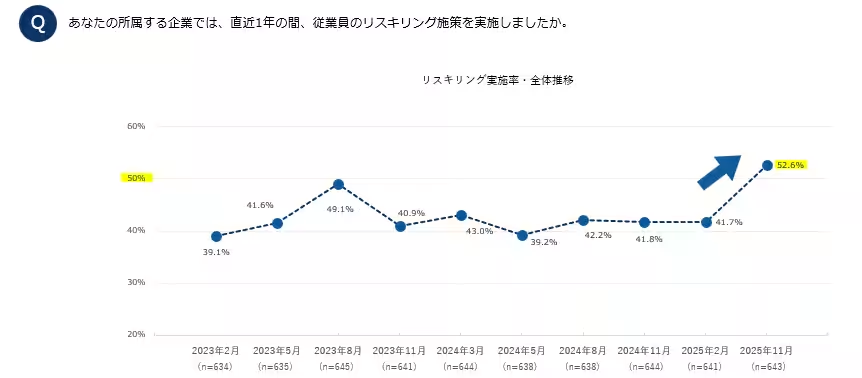
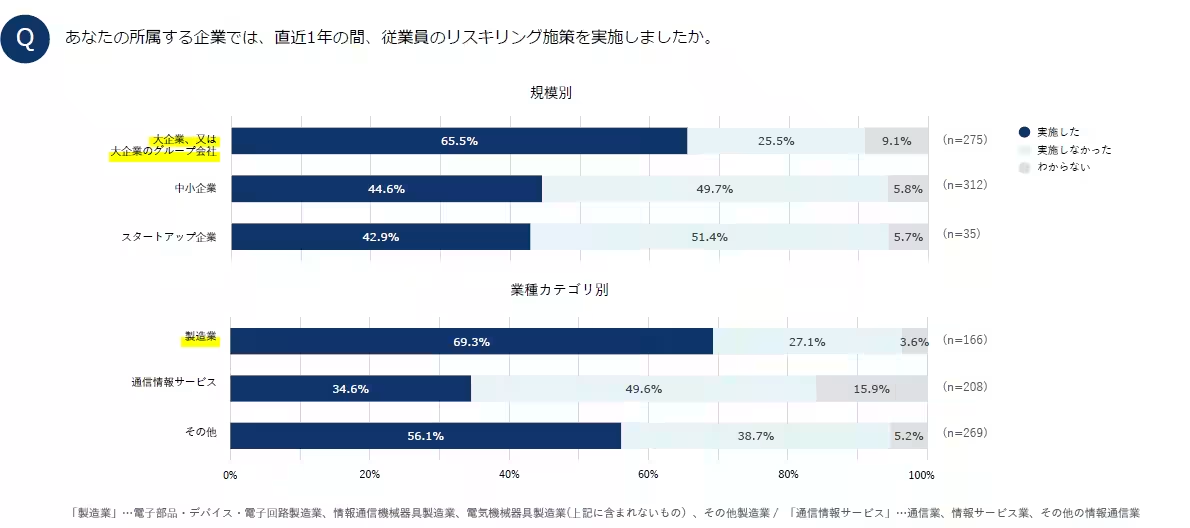
Persol Innovation's Reskilling Camp has been collecting data quarterly from employees across various companies in Japan regarding their respective companies’ reskilling efforts. For the 12th iteration of the survey, conducted in December 2025, a fascinating trend emerged: the proportion of companies implementing reskilling has officially surpassed 50% for the first time, reaching 52.6%. This is particularly noteworthy as it indicates a growing recognition among businesses that adapting their workforce is no longer optional but essential.
The survey defined reskilling as the process of acquiring new skills necessary to adapt to a significant change in one’s current job or to transition into a new occupation.
Key Findings
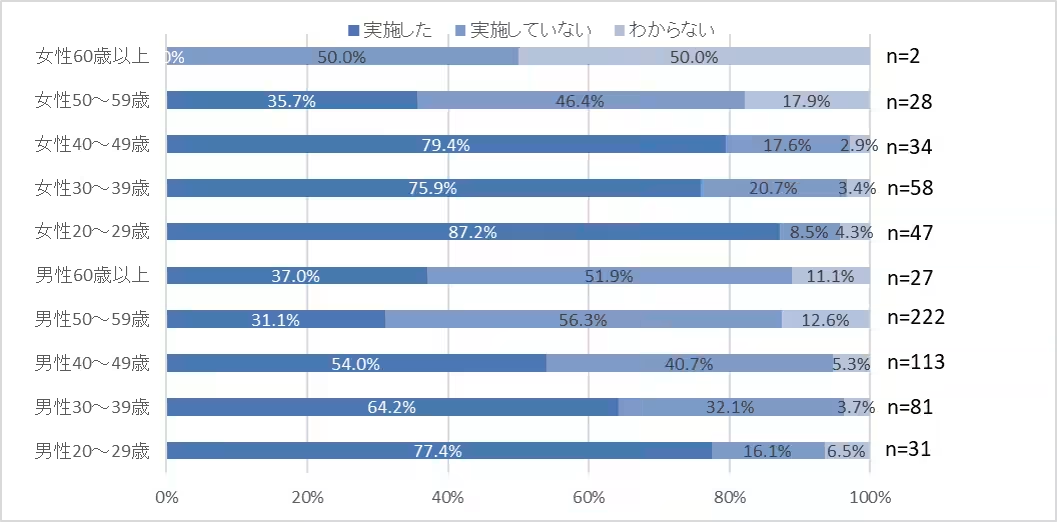
1. Growing Implementation of Reskilling: The survey results indicate that the highest rates of reskilling are seen in manufacturing sectors, with a notable 69.3% of manufacturing companies having implemented such initiatives. Additionally, older employees, particularly those in their 40s, are more likely to engage in reskilling activities compared to their younger counterparts.
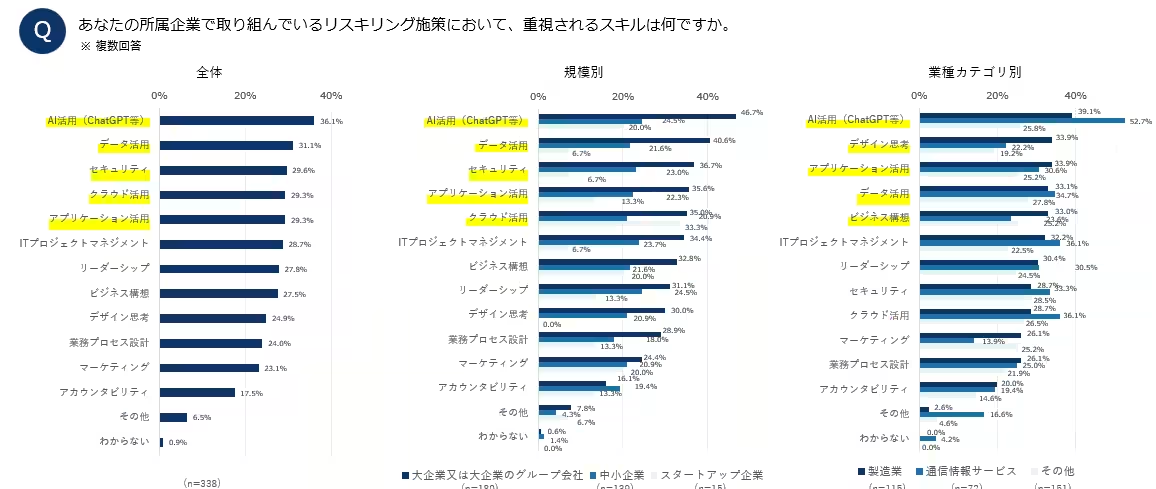
2. Focus on AI and Data Skills: Respondents indicated that the most prioritized areas for reskilling include AI utilization, data handling, and security skills. Specifically, 36.1% of companies highlighted AI application (e.g., utilizing ChatGPT) as a primary focus, reflecting the ongoing digital transformation across all sectors.
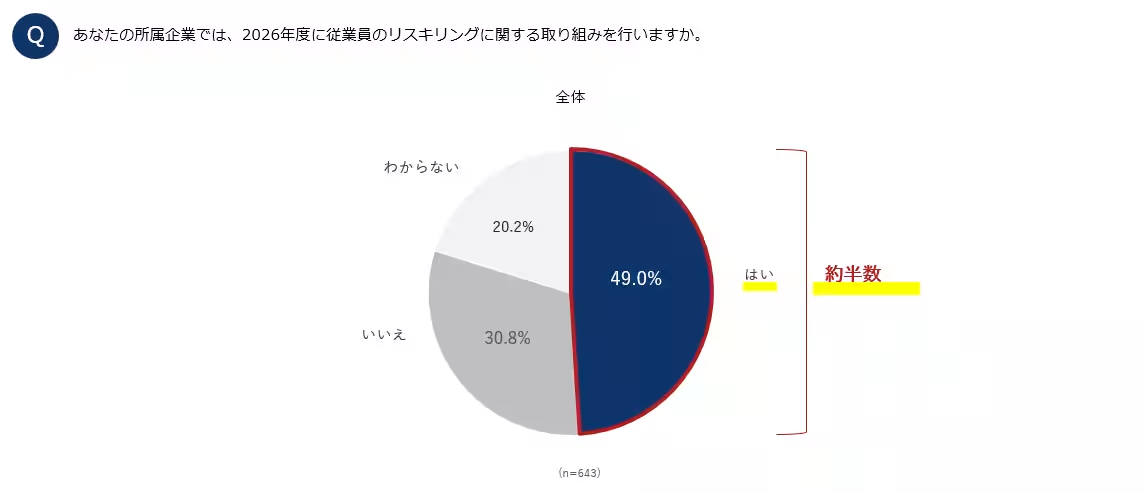
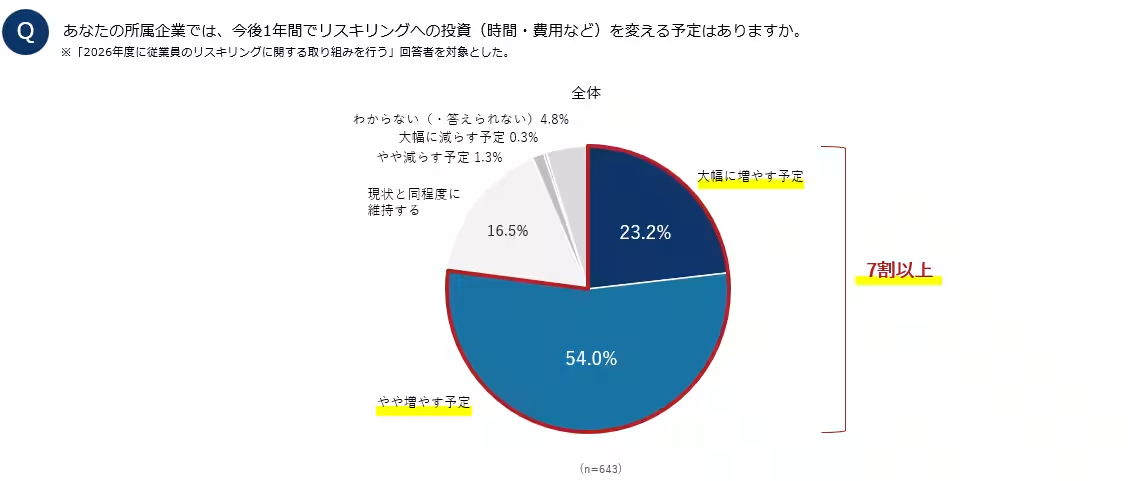
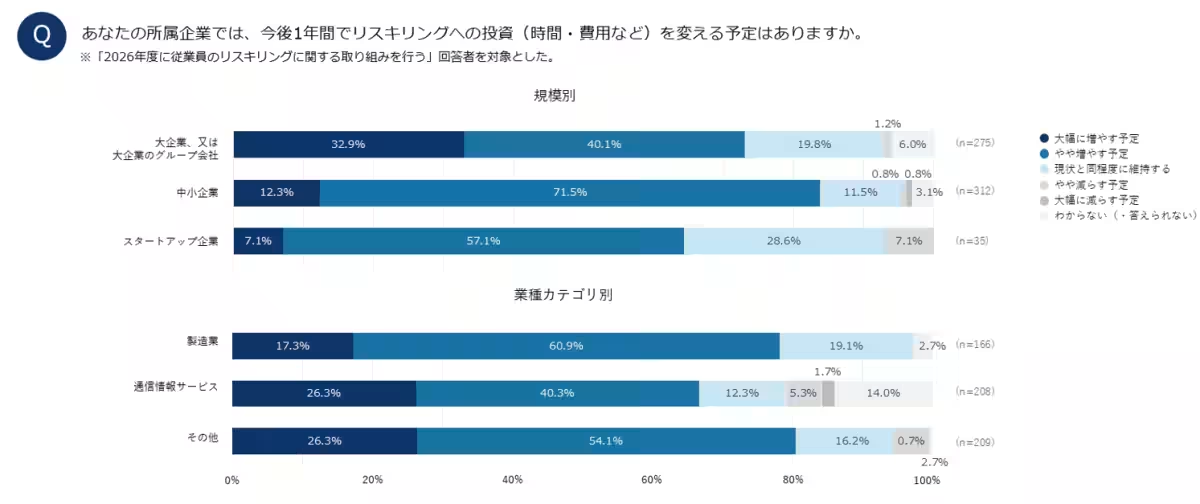
3. Investment Plans for 2026: Approximately 49% of companies plan to continue their reskilling initiatives into 2026, with more than 70% indicating plans to increase investment in reskilling efforts. This investment will vary according to company size, with larger companies showing a stronger commitment.
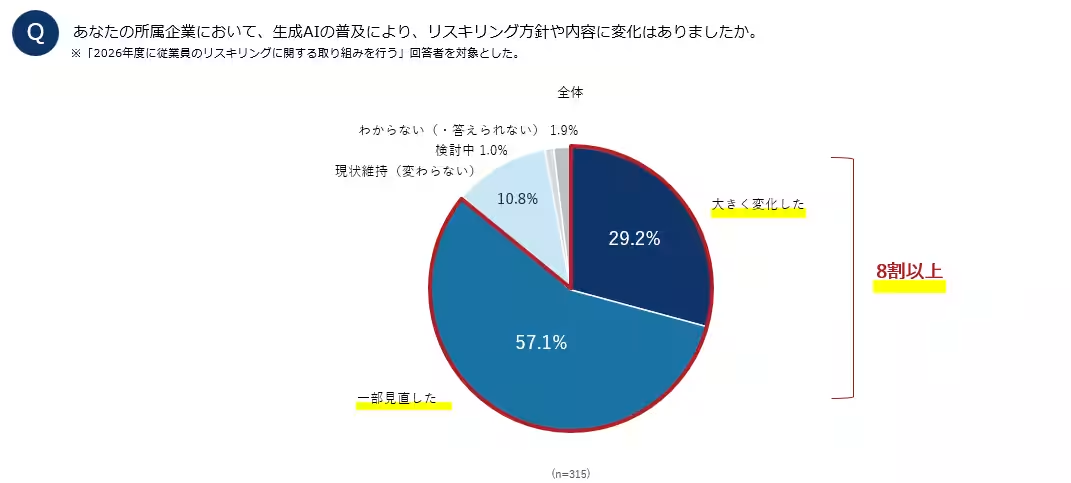
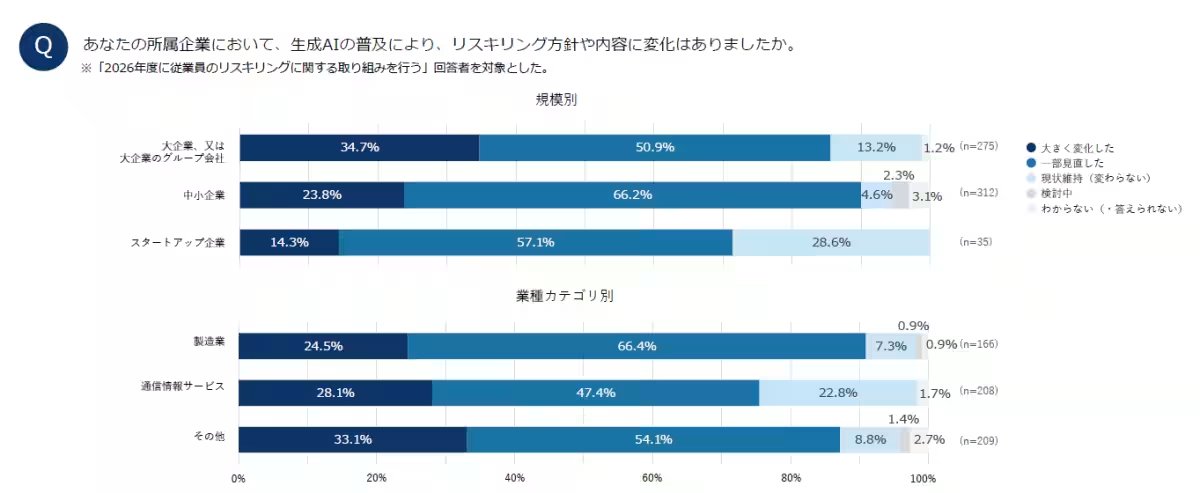
4. Influence of Generative AI: There is a notable impact of generative AI technologies on reskilling strategies. Over 80% of participants felt that their companies’ reskilling policies had changed due to the rise of these technologies, prompting a shift in focus towards AI-driven skills.
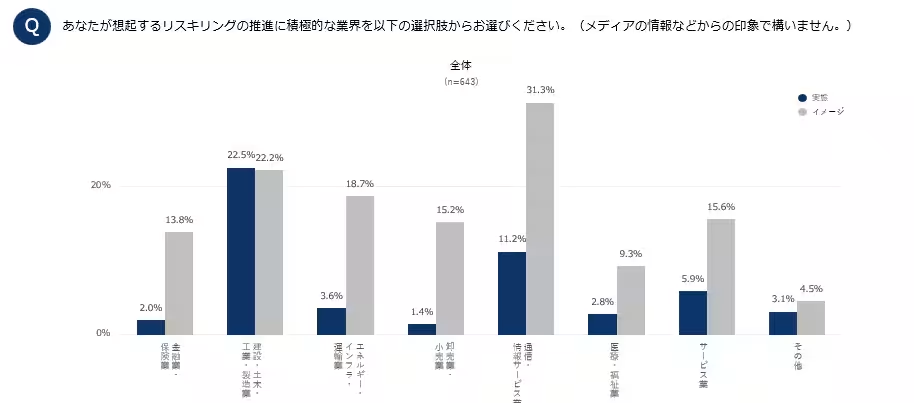
5. Industry Perception vs. Reality: Companies in the communication and information services sectors hold a perception of being leaders in reskilling initiatives. However, the actual implementation rates suggest there is a significant gap between perception and reality, especially in certain sectors.
Detailed Insights
In the detailed survey analysis, firms are seen to be evolving from simply deciding whether or not to implement reskilling measures to determining which themes to focus on and the extent of their investments. The Persistent increase in interest towards AI-related abilities shows a pivotal shift in workforce training. Additionally, with the realization that generative AI is here to stay, many firms are reconsidering their training programs to align with these advancements.
The report also pointed out that while large firms are significantly more likely to implement reskilling initiatives, smaller businesses are gradually catching up, though often with a more cautious investment approach. This demonstrates a diverse landscape where the approach to reskilling is tailored to the specific business goals and circumstances of each organization.
Conclusion
As organizations look toward 2026 and beyond, the emphasis will not merely be on reskilling but also on adapting to the demands of a technology-driven environment. Leveraging AI and data skills will become increasingly integral to employee development strategies. Persol Innovation’s Reskilling Camp recognizes this shift and aims to foster effective reskilling frameworks that can be deployed across various sectors. The survey findings underscore a vibrant and evolving conversation about workforce readiness and the skills of tomorrow.
For further details and comprehensive data, you can download the complete report from the official website of Reskilling Camp.
This continuous cycle of learning and adaptation is undoubtedly critical for organizations looking to thrive in an ever-evolving marketplace.



Topics Business Technology)
【About Using Articles】
You can freely use the title and article content by linking to the page where the article is posted.
※ Images cannot be used.
【About Links】
Links are free to use.