



The Growing Presence of Security Cameras: Insights from ALSOK's Survey
Understanding the Rise of Security Cameras in Japan
In recent years, the integration of security cameras in urban and residential environments has become a significant topic of discussion. To delve deeper into this evolving issue, ALSOK conducted its third awareness survey on security cameras from July 11 to 15, 2025. The survey involved 600 respondents from various demographics living in Japan, including individuals aged 20 to over 70.
Survey Highlights
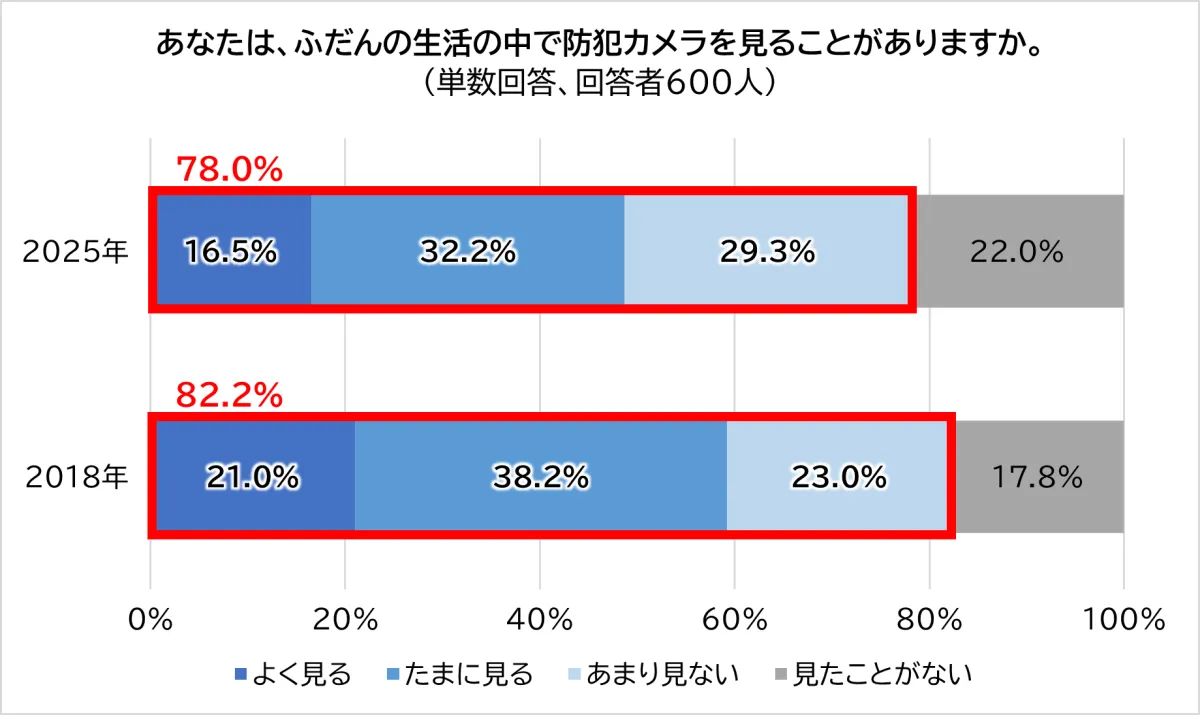
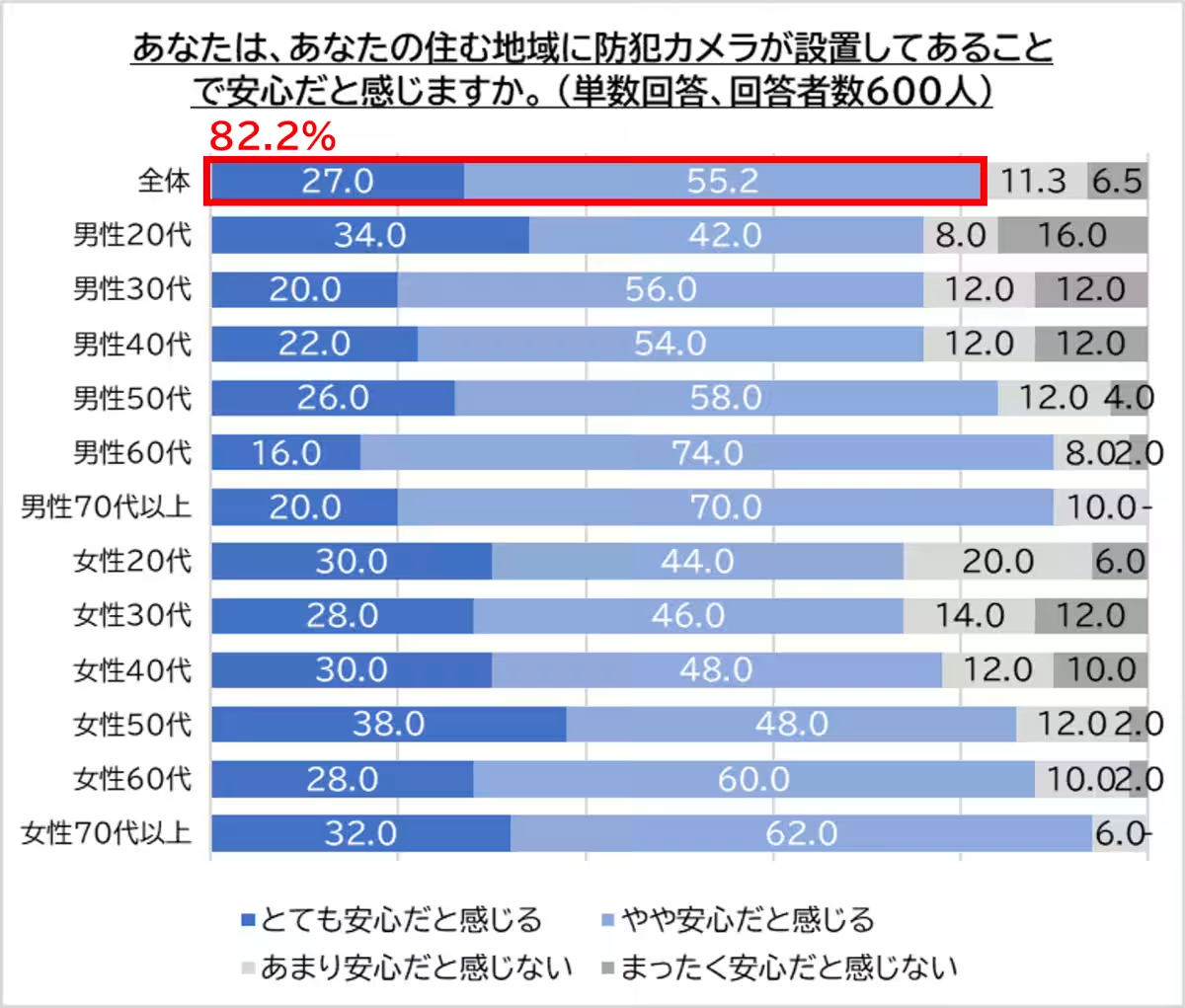
The survey revealed some surprising statistics regarding the presence and perception of security cameras in daily life. Approximately 78% of those surveyed reported regularly encountering security cameras in various environments. This aligns with the growing recognition of the role that security cameras play in preventing crime, helping apprehend culprits, and safeguarding vulnerable groups such as children and the elderly. A significant 82.2% of respondents felt a sense of security due to the installation of these cameras, indicating a societal shift towards embracing surveillance technology as a means of enhancing safety.
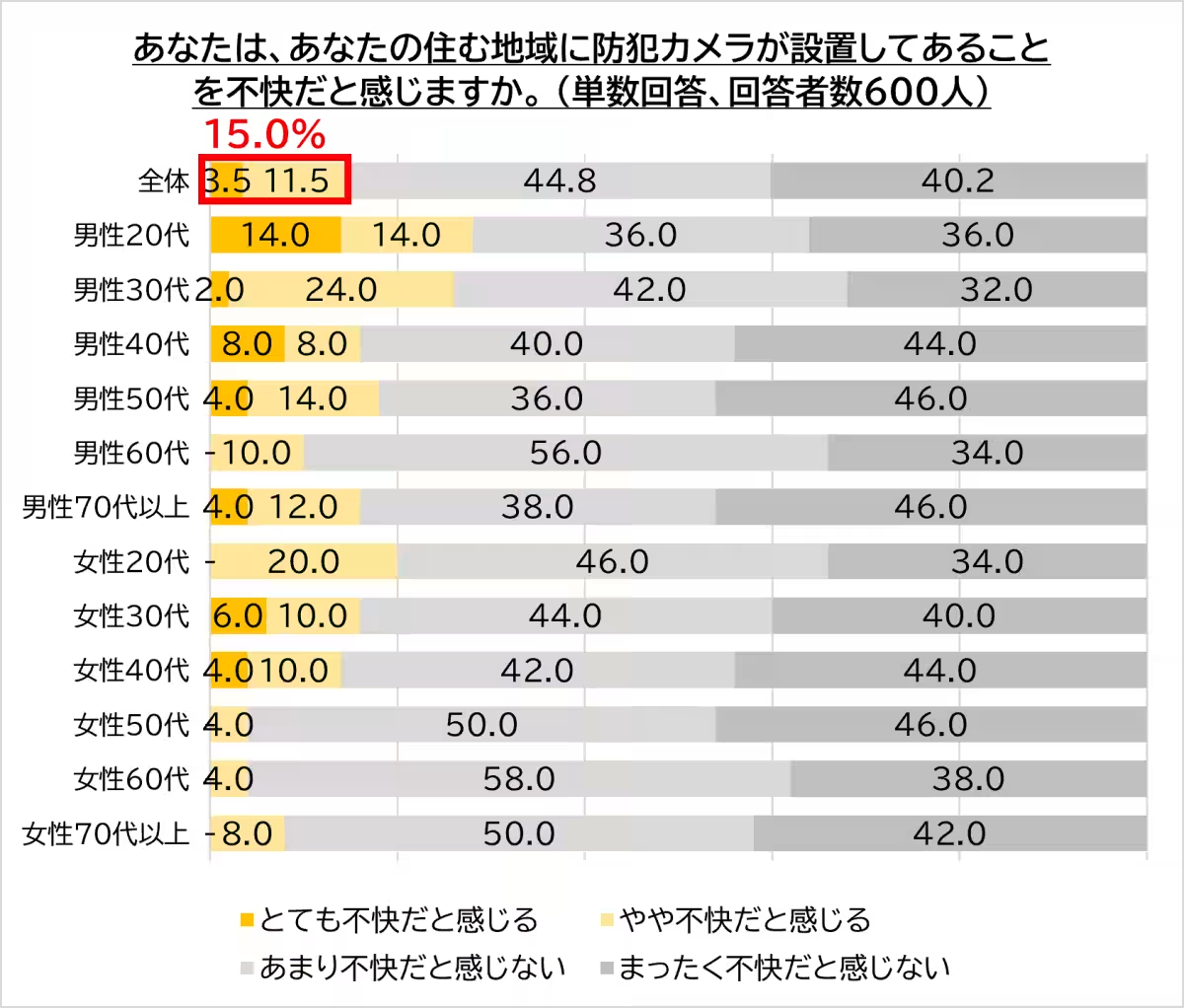
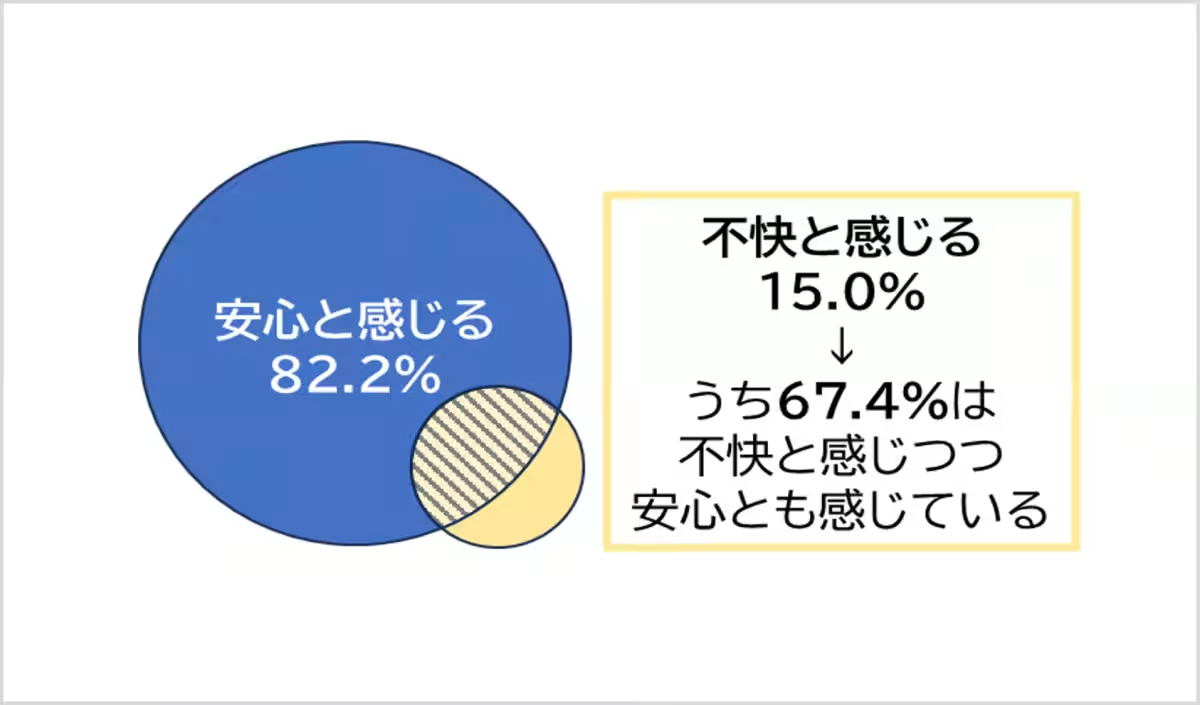
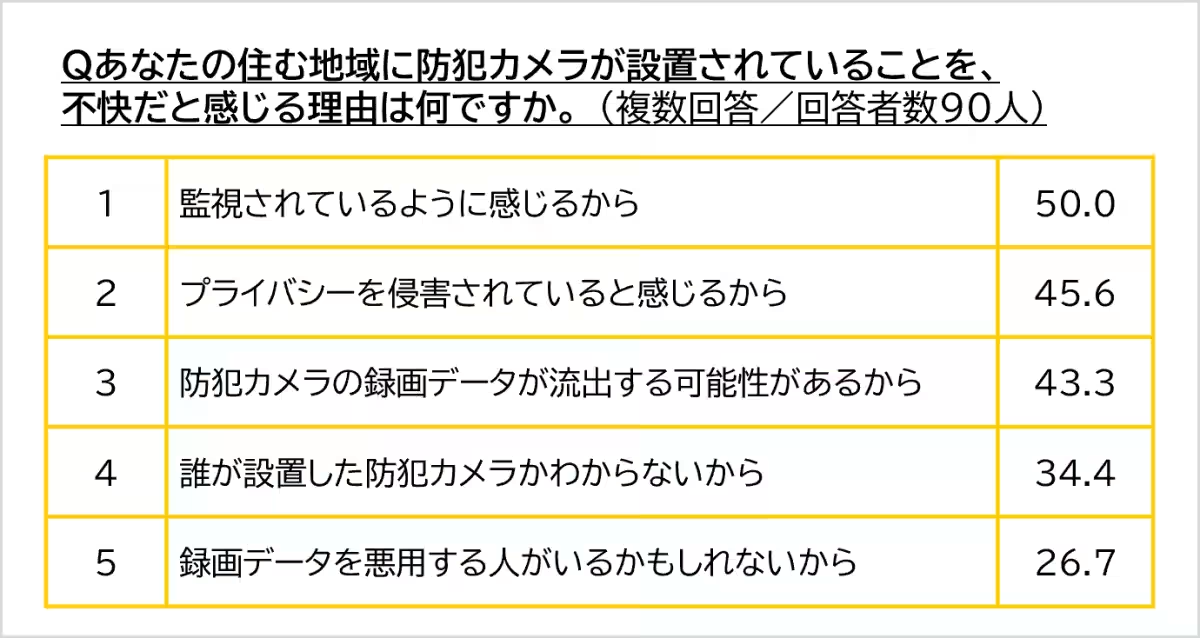
In sharp contrast, the survey also uncovered that 15% of the respondents reported feeling discomfort towards the presence of security cameras. Notably, this discomfort was predominantly expressed by younger individuals. It highlights a complex relationship where, despite the unease, many still derive a sense of safety from the contribution of these cameras in deterring crime.
Trends in Security Camera Utilization
ALSOK's survey was complemented by a study conducted by the Yano Research Institute, which projects a significant rise in the usage of cloud camera services in Japan. By 2025, the number of operational cloud cameras is anticipated to reach approximately 670,000, doubling to around 1.31 million by 2029. This surge in numbers indicates a growing reliance on technology for maintaining public safety.
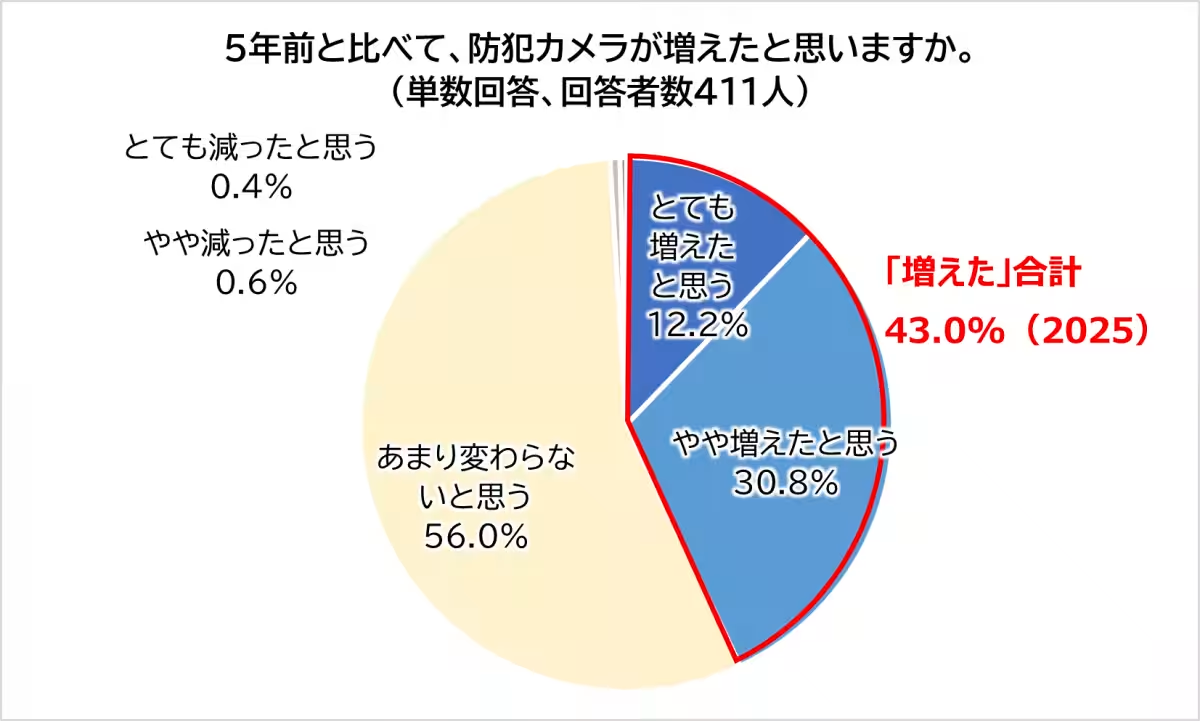
The survey explored participants' perceptions of the increase in security camera installations over the past five years. Only 43% of respondents felt there were more cameras now than before, while 56% believed the number remained relatively stable. This may suggest that the ubiquitous nature of security cameras has led to a normalization of their presence in everyday life, causing individuals to overlook them amid their diminishing size and visibility.
Addressing Crime and Enhancing Safety
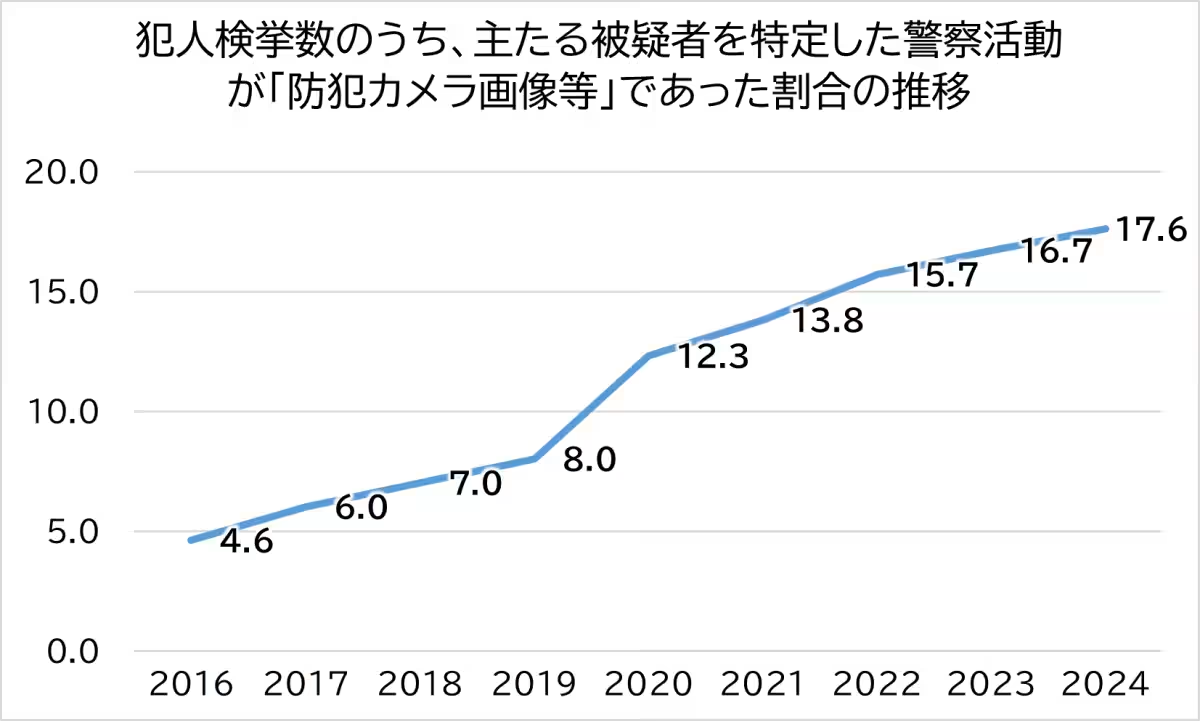
The presence of security cameras has been invaluable in assisting law enforcement agencies. The Japanese police reported an increase in cases where suspects were identified through surveillance footage. Furthermore, regulations have been established requiring the installation of security cameras on new train cars in densely populated urban areas, enhancing safety measures significantly.
Additionally, in response to recent natural disasters, there has been a surge in security camera installations in affected areas. Local authorities have taken proactive measures to address safety concerns, installing over 1,000 cameras in evacuation shelters and areas where many residents are temporarily displaced. Reports from the community indicate that these installations have fostered a feeling of security among residents.
The Mixed Emotions Surrounding Surveillance
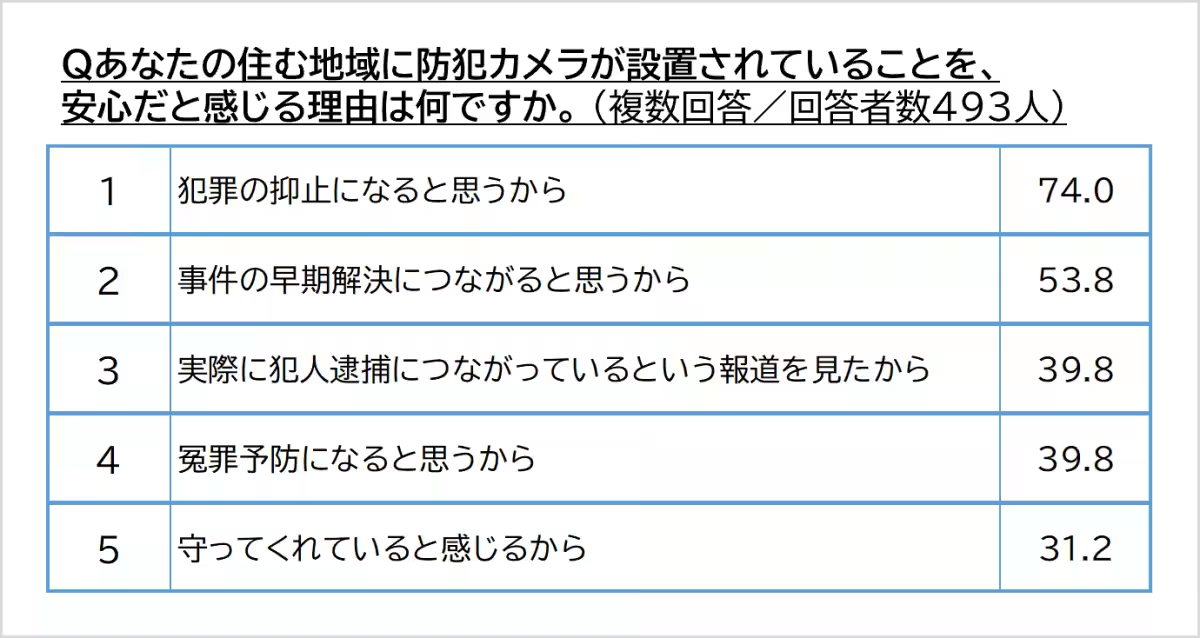
Despite the positive sentiment surrounding security cameras, the survey also explored the reasons behind participants' discomfort. Close to 74% of those who reported feeling secure attributed it to the belief that surveillance deters crime and aids in quicker resolution of incidents. On the other hand, the discomfort arose from feelings of being constantly monitored, suggesting a dichotomy in public perception.
Home Security Trends
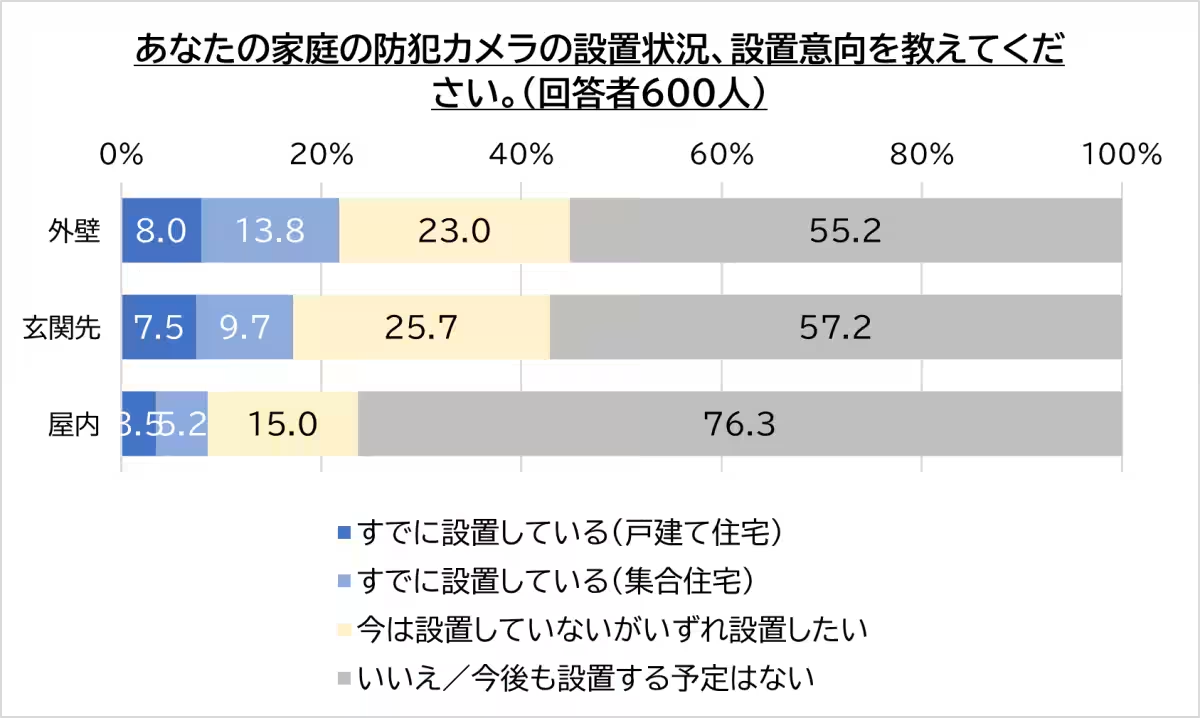
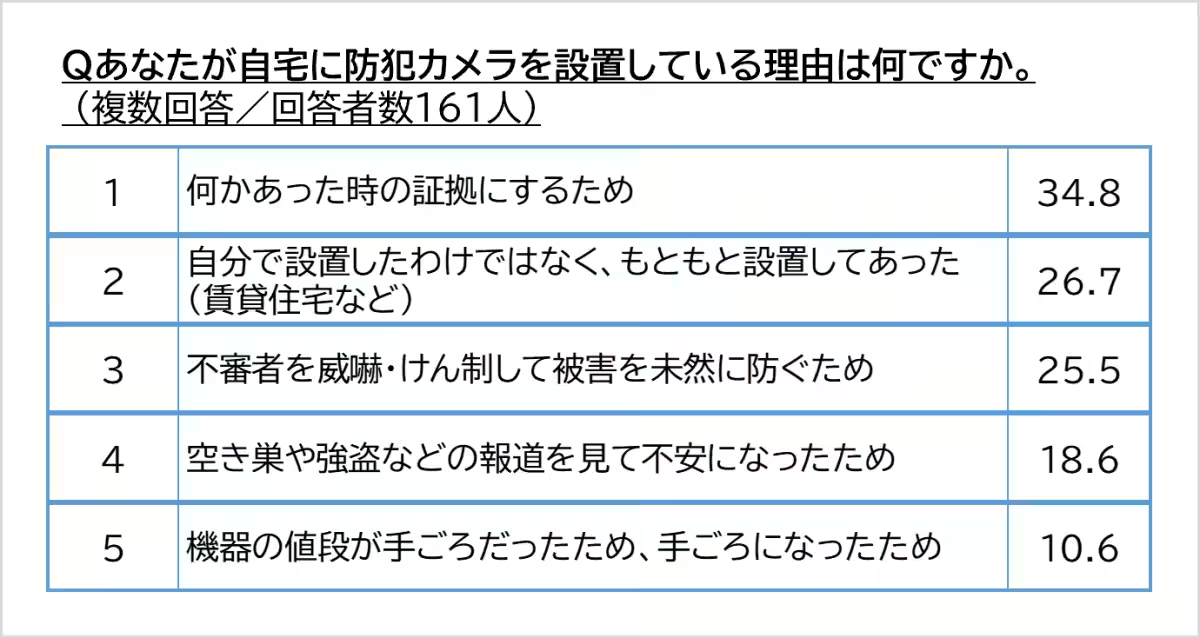
Interestingly, around 26.8% of respondents indicated they currently have security cameras installed at their residences. Moreover, one in four individuals expressed intentions to install a security camera in their homes, reflecting a growing trend in personal security measures. The reasons for these installations varied, with many individuals citing the importance of having evidence in the event of an incident as their primary motivation.
As public awareness of safety becomes increasingly pronounced, local government bodies, such as the Tokyo Metropolitan Government, are implementing subsidy programs to support individuals looking to enhance their home security. This initiative underscores the community's investment in advancing public safety.
Conclusion
The insights gathered from ALSOK's survey highlight the complexities surrounding the public's perception of security cameras in Japan. While many perceive them as essential tools for enhancing safety, there remains a significant portion of the population grappling with feelings of surveillance. As technology continues to evolve, balancing security with privacy will remain a pertinent issue for society at large. The findings underscore a collective need to address these concerns while simultaneously fostering a safer living environment through responsible surveillance practices.
Topics Policy & Public Interest)

【About Using Articles】
You can freely use the title and article content by linking to the page where the article is posted.
※ Images cannot be used.
【About Links】
Links are free to use.