


The Disparity Between Personal AI Usage and Organizational Integration in HR
The Disparity Between Personal AI Usage and Organizational Integration in HR
The advancements of Artificial Intelligence (AI) are transforming the landscape of many industries, and Human Resources (HR) is no exception. However, a comprehensive survey conducted by CORNER, a boutique HR consultancy based in Shibuya, Tokyo, indicates that while personal AI utilization is on the rise, organizational AI integration, particularly in HR, remains significantly behind. In this article, we delve into the findings of the AI Era HR and Organization Survey, shedding light on the current state of AI usage across individuals and organizations.
Overview of the Survey
CORNER's recent survey, which targeted 259 HR professionals, aimed to explore the realities of AI in workplaces, focusing on individual, departmental, and organizational levels of AI adoption. The survey was conducted from December 2 to December 8, 2025, utilizing a web questionnaire format. The results offer a mixed bag of insights into how different organizations are approaching AI integration, particularly in HR functions.
Personal vs. Organizational AI Usage
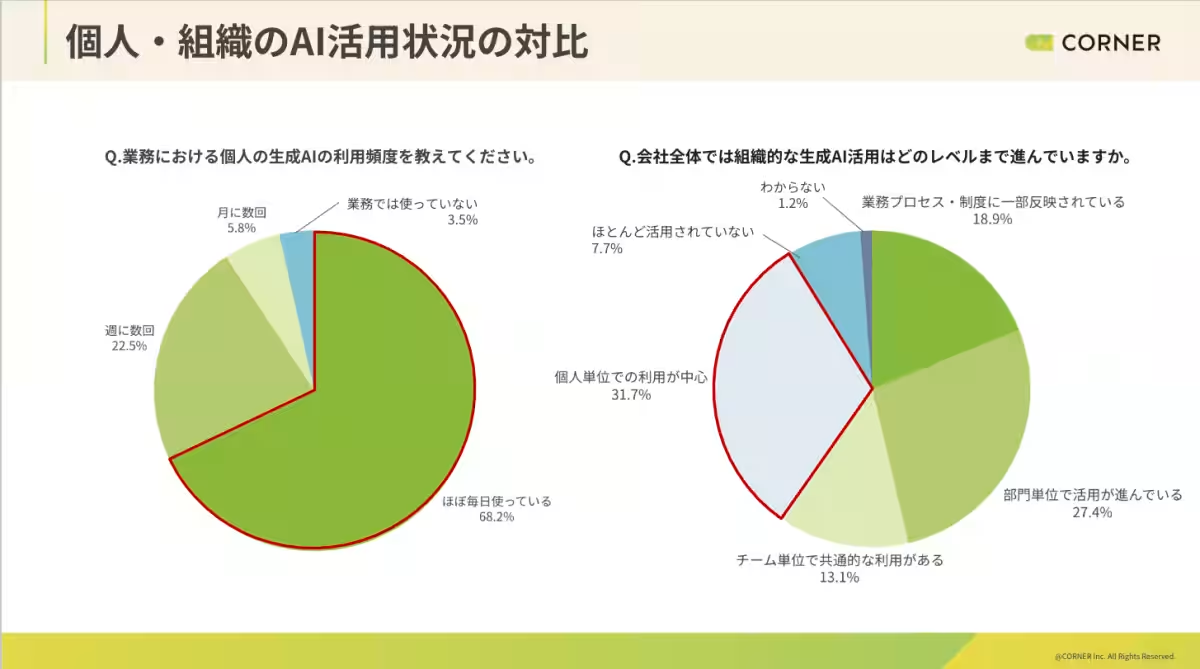
One of the most striking findings of the survey was the stark contrast between individual and organizational AI usage. A remarkable 68.2% of respondents reported that they use AI tools almost daily in their personal workflows. However, when it comes to organizational utilization, only 31.7% indicated that AI is employed primarily at the individual level, with another 27.4% reporting limited use at the departmental level. Notably, less than 20% of organizations have successfully integrated AI into their operational processes and decision-making frameworks. This disconnection illustrates that while individual employees are embracing AI technologies, many organizations are struggling to embed these tools into their core practices effectively.
The Role of AI in HR
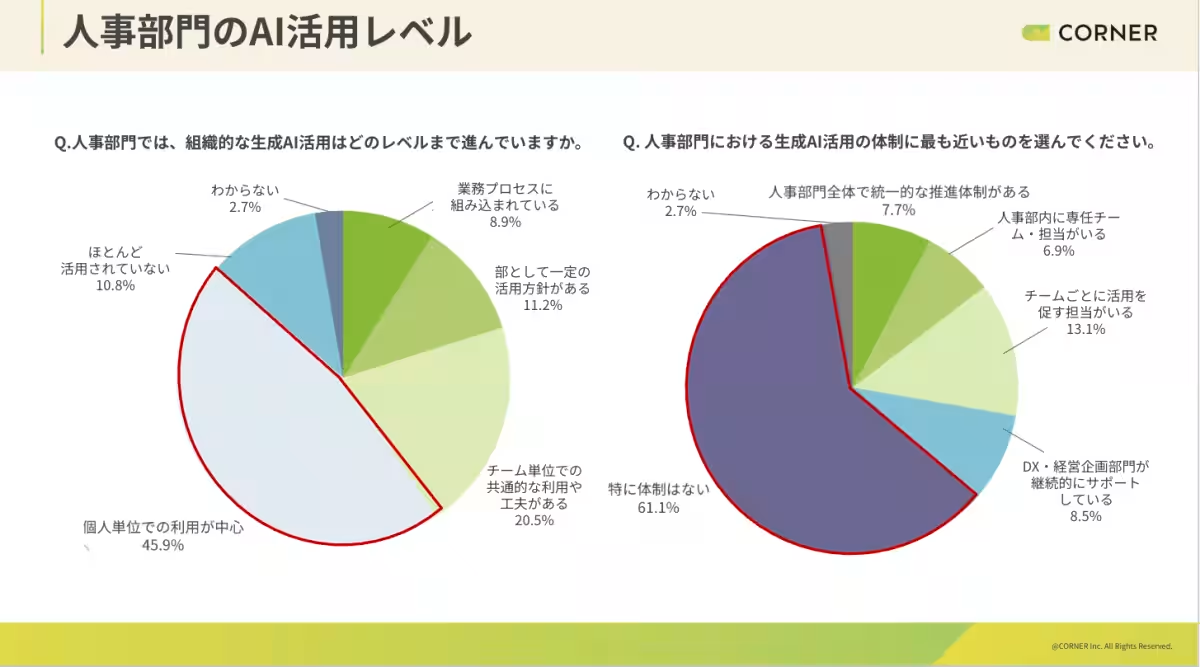
Within HR departments, the trend mirrors the overall findings. Although personal usage dominates — with nearly 46% utilizing AI for individual tasks — the integration of AI into broader HR processes remains paltry, with less than 10% indicating that AI tools are incorporated into the decision-making frameworks. Compounding this issue is the lack of established initiatives to promote AI usage across departments, as over 61% noted the absence of any structured support for utilizing AI in HR functions.
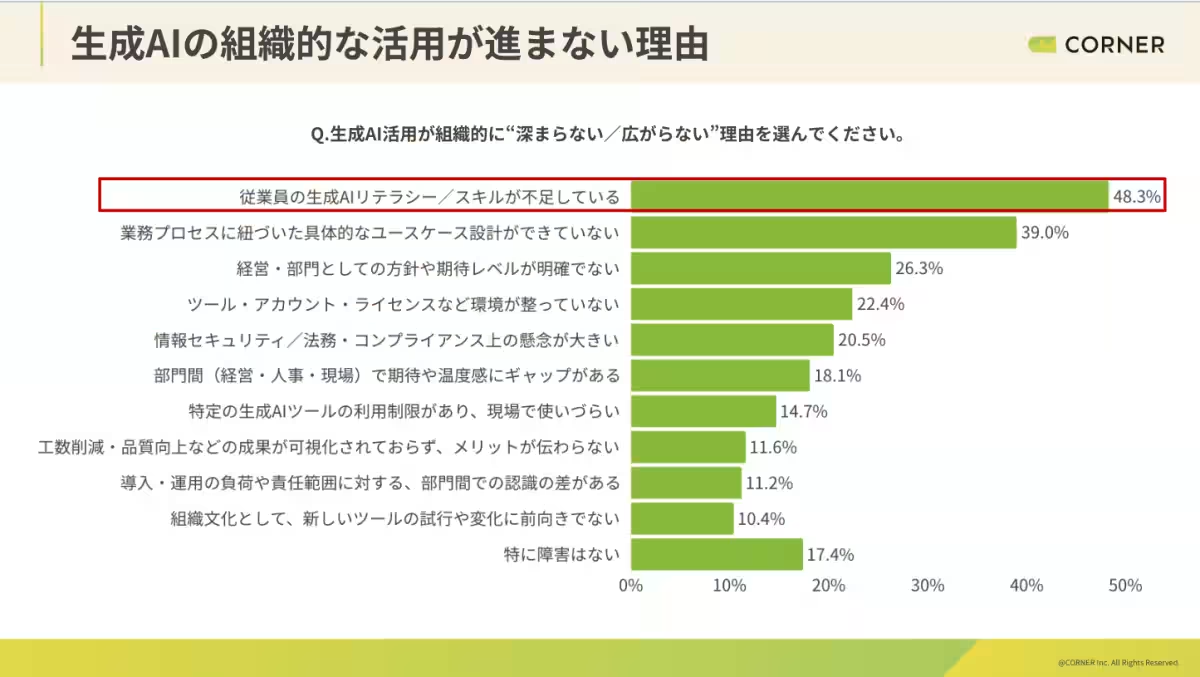
As we look toward the near future, the question arises: why is the transition from individual use cases to organizational integration proving so arduous? The survey indicates several key obstacles. For instance, 48.1% of respondents identified a lack of employee literacy and skills as major barriers to effective AI utilization. Following closely is the challenge of crafting specific use cases that link AI directly to business processes, cited by 39% of respondents. Furthermore, the absence of strong organizational designs, including governance frameworks and guidelines, hampers broader AI integration.
Addressing the Challenges
According to Takahiro Monma, CHRO and founder of CORNER, the disparities in AI utilization highlight a crucial need for organizations to reassess their fundamental design principles. He suggests that merely implementing AI technologies will not suffice; organizations must also rework their operational processes and assessment criteria to support integrated AI solutions fully. The findings suggest a pressing need for companies to focus on the underlying structures governing AI implementation, as well as to enhance employee engagement through improved training and resources.
Looking Ahead
As 2025 unfolds, it is critical for organizations to recognize that simply adopting AI technologies is not enough to drive meaningful change. The focus should not solely be on the tools themselves but rather on how to design workflow and organizational structures that can embrace AI effectively. CORNER aims to continue advocating for sustainable AI integration into HR practices, emphasizing the importance of proactive, well-structured environments that foster ongoing adaptation and growth.
Conclusion
In summary, while the personal AI usage trend seems encouraging, it highlights a challenging road ahead for organizations attempting to keep pace. The CORNER survey serves as a vital reminder that without addressing fundamental organizational structures and fostering a culture of learning and adaptation, AI in HR might remain a tool at the individual level, rather than an organizational advantage. The necessity to evolve will dictate the success of AI integration in the years to come.

Topics People & Culture)




【About Using Articles】
You can freely use the title and article content by linking to the page where the article is posted.
※ Images cannot be used.
【About Links】
Links are free to use.