



Discovering the Culinary Delights of Kumamoto Through Open Data Analysis
Unveiling Kumamoto's Culinary Allure through Open Data
In the wake of the devastating earthquake in Kumamoto, our thoughts are with those who lost their lives, and we extend our heartfelt condolences to all affected by the disaster. We hope for a swift recovery and rebuilding of the cherished communities.
As part of our efforts to support Kumamoto, Review Co., Ltd. from Osaka has decided to share our extensive dataset of the region's dining establishments. We believe that showcasing the culinary appeal of Kumamoto through data can be one way to extend our assistance.
In conjunction with this initiative, we conducted an analysis of 13,116 restaurants in Kumamoto and are making all 13,723 related datasets publicly available at no cost, now including takeaway and delivery information. Our hope is that these datasets will inform visitors about Kumamoto's culinary treasures and help stimulate tourism, community revitalization, and various support projects.
The Diversity of Kumamoto's Food Culture
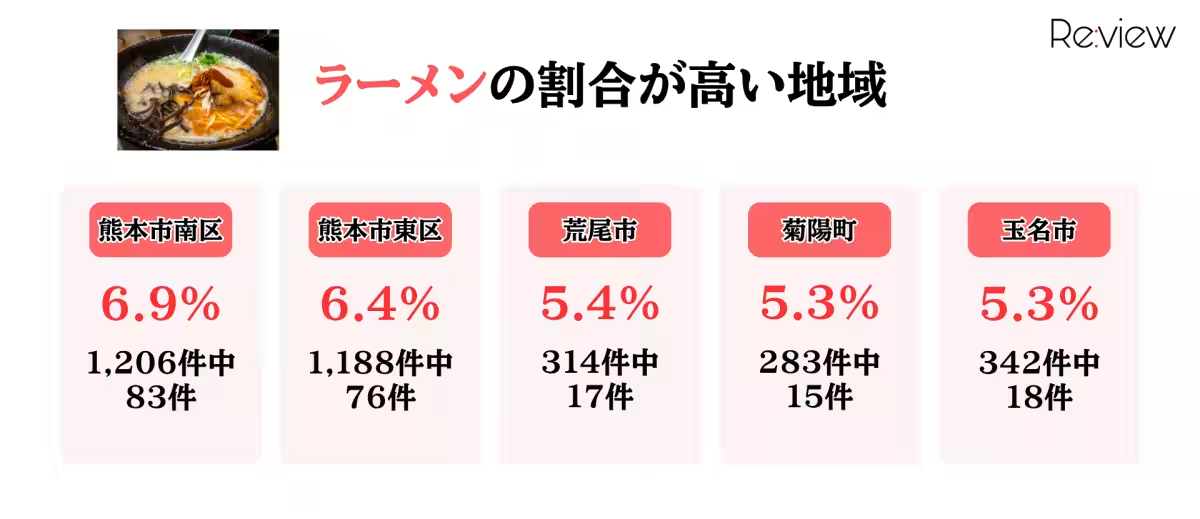
Kumamoto is famous not only for its regional dishes but also for its renowned Kumamoto ramen. The data reveals a plethora of dining options rooted deeply in the community.
Upon examining the data by region and genre, we discovered unique characteristics associated with different areas. Some regions boast a higher number of cafes, while others are known for their traditional Japanese cuisine or ramen shops.
Our motivation behind this project is to showcase Kumamoto's culinary beauty through real data, moving beyond mere imagery to reveal the rich tapestry of actual dining venues available.
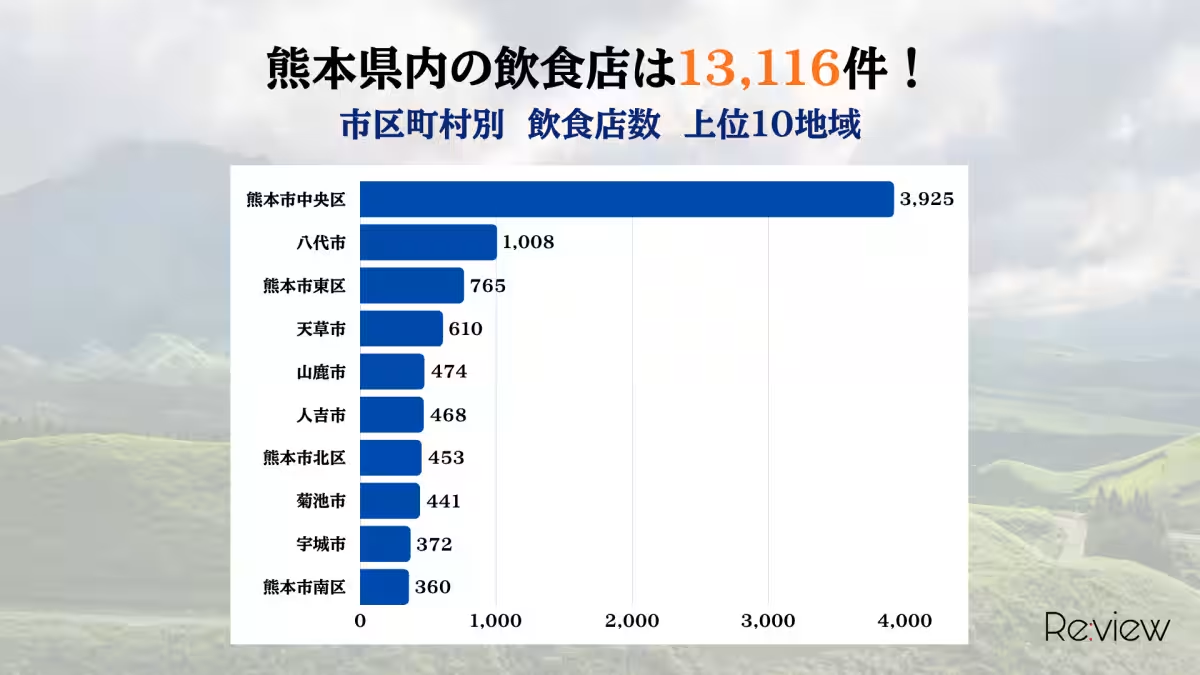
Out of the 13,116 recorded dining establishments, the majority are located in Kumamoto City Central District, with 3,925 restaurants. Other populous areas include Yatsushiro, Kumamoto City East District, and Amakusa, illustrating that dining options are plentiful across the prefecture.
Café Culture and Regional Dining Trends
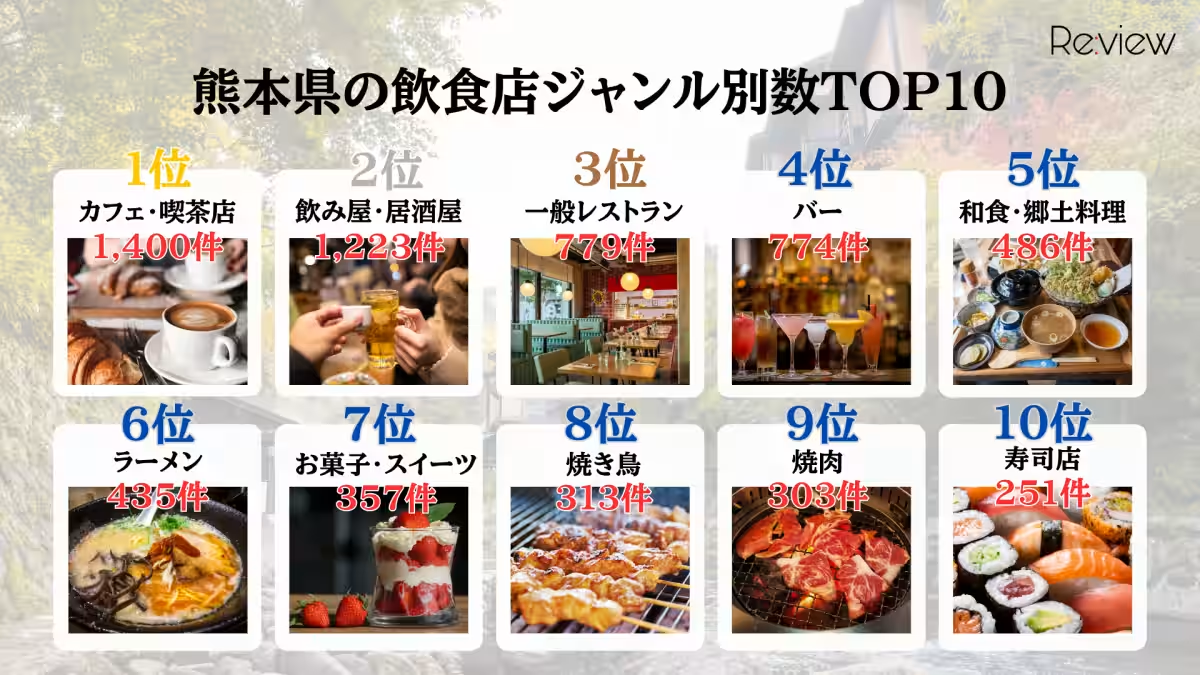
Interestingly, the largest category of dining establishments in Kumamoto comprises cafes and coffee shops, totaling 1,400, which accounts for 10.7% of the overall figure. The breakdown also shows 1,223 izakayas, 779 general restaurants, 486 traditional eateries, and 435 ramen shops.
This analysis confirms that Kumamoto's culinary scene is not solely dependent on famous dishes but is also upheld by a variety of establishments frequented daily by locals. While traditional favorites like Kumamoto ramen capture attention, the day-to-day dining experiences at cafes and restaurants play a crucial role in the food culture.
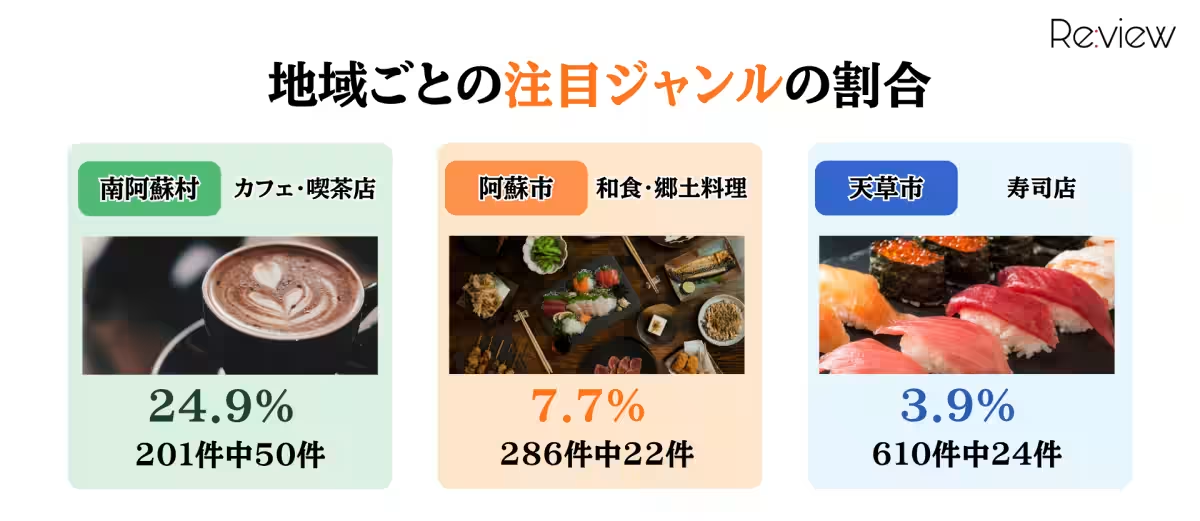
In South Aso Village, approximately 24.9% of restaurants are cafes, a striking statistic that highlights the area's unique dining landscape. Meanwhile, in Aso City, 7.7% of its 286 restaurants serve traditional cuisine, and in Amakusa City, sushi establishments make up 3.9% of 610 dining options.
A Call to Action: Utilize the Open Data
The data released not only includes the vast array of restaurants but aims to encourage local businesses toward recovery and revitalization efforts. It outlines establishments in Uto and Hikawa Town, where 372 and 44 restaurants respectively have been identified—critical nodes for community engagement and economic support following recent adversities.
We believe information about local dining options can serve as a foundation for regional analysis, community development, and business assistance in Kumamoto. Rather than ending our investigation with mere findings, we are committed to ensuring that the data analyzed is accessible and can be applied innovatively across various uses, from tourist guides to urban development projects.
By opening our data to public access through YOROZU DATA, we hope to inspire fresh discoveries of Kumamoto's hidden culinary gems, extending our support beyond the surface to foster deeper connections within the community.
As part of our initiative, we invite entrepreneurs, researchers, and local organizations to leverage this dataset in ways we may not yet fully imagine, leading to exciting new approaches in promoting Kumamoto's vibrant dining culture. We seek to assist Kumamoto's recovery and future growth alongside its remarkable culinary heritage.
Conclusion
In conclusion, we stand by Kumamoto, realizing that every dataset holds a story waiting to be told. Please visit the YOROZU DATA platform to access the full dataset and further explore what Kumamoto has to offer.
For complete access to the Kumamoto food-related datasets, visit YOROZU DATA.
Through our combined efforts, may we discover the best of Kumamoto and support its growth through renewed interest in its food culture.


Topics Consumer Products & Retail)









【About Using Articles】
You can freely use the title and article content by linking to the page where the article is posted.
※ Images cannot be used.
【About Links】
Links are free to use.