



New Insights on the Popularity of 'Oshi' Culture Among Women Over 50 in 2025
Insights into ‘Oshi’ Culture Among Women Over 50
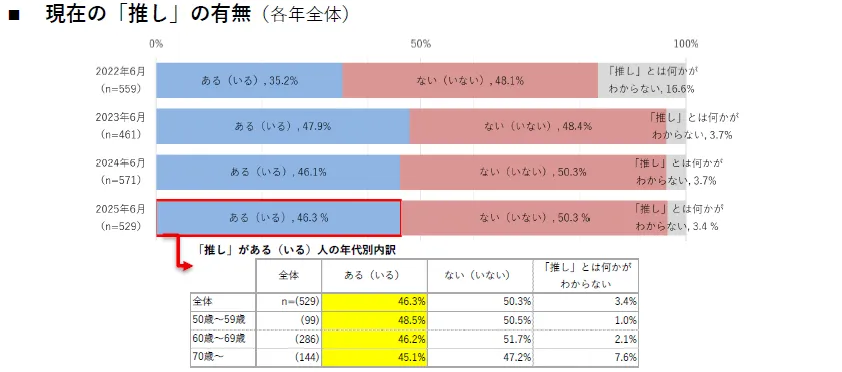
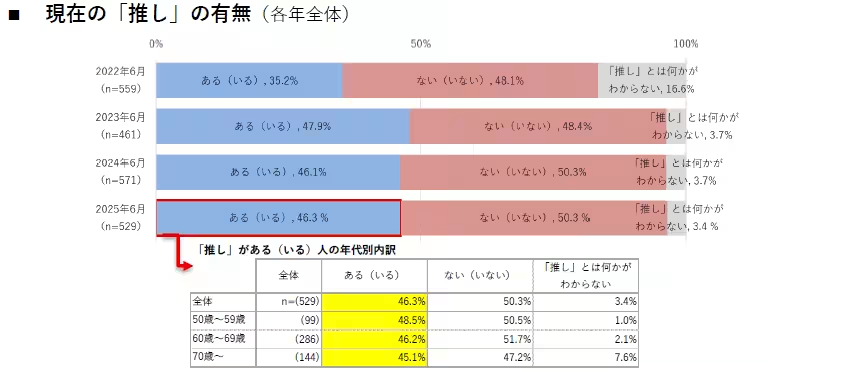
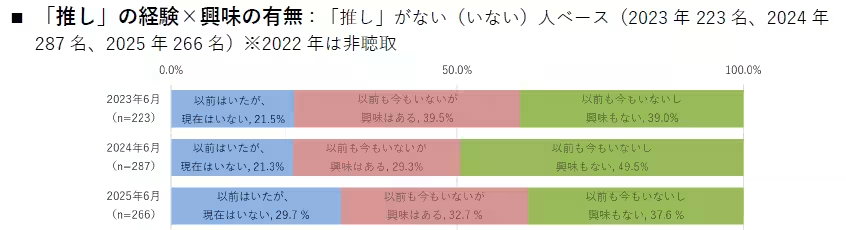
In 2025, the HalmeKu Life Skills Research Institute conducted an insightful survey focusing on women aged 50 to 88, uncovering important trends regarding their 'oshi' (favorite) culture. The results show that 46.3% of respondents have an 'oshi', maintaining similar levels to previous years. Interestingly, there was an 8.4% increase in individuals who previously had an 'oshi' but no longer do, indicating fluctuating interests or changes in fandom.
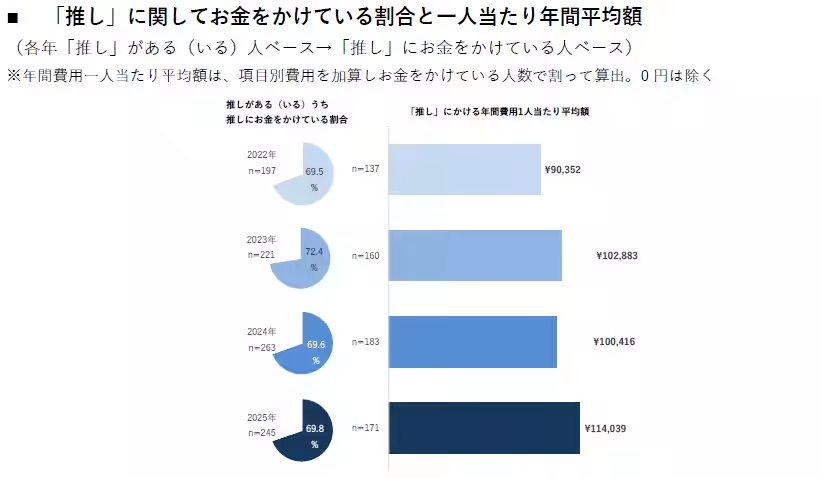
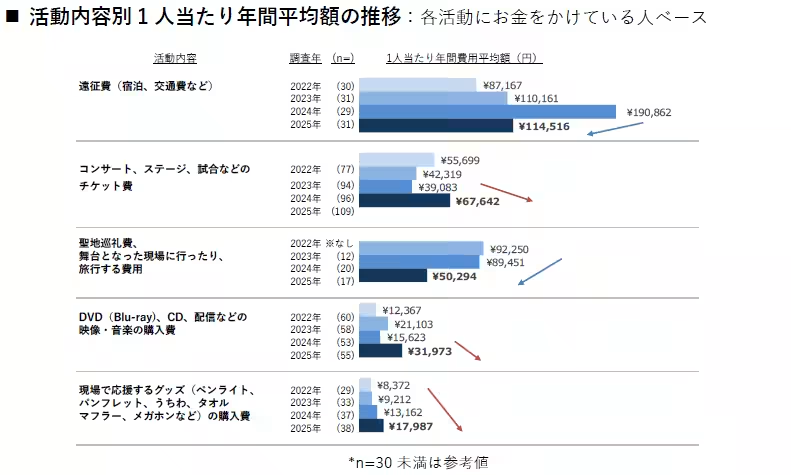
Money spent on 'oshi' activities averaged 114,039 yen, up from the previous year despite rising costs affecting many aspects of life. Notably, while spending on travel and pilgrimage costs decreased, expenses related to ticket purchases, music, and merchandise saw an increase, reflecting changing dynamics in what fans prioritize in their engagement with their interests.
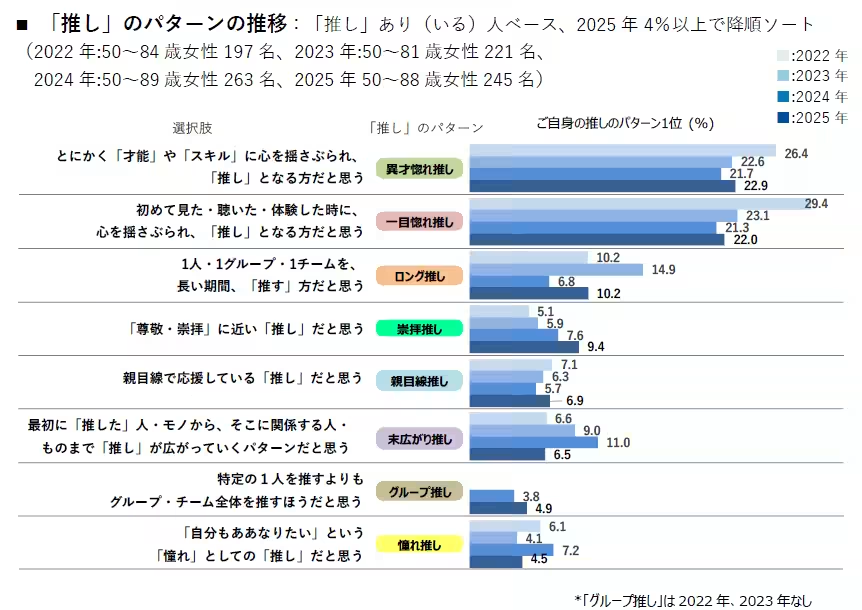
Over the past four years, the types of fandom have shown interesting patterns. Categories like 'talent crushes' and 'love at first sight' have continually been favored, both seen in over 22% of respondents. Although 'long-term fans' (or 'long oshis') had seen a decline, they’ve made a comeback, now making up more than 10% of the surveyed population.
Survey Overview
The survey, executed through a web questionnaire from June 10 to June 16, 2025, gathered responses from 529 women across Japan who are part of the HalmeKu monitor organization. The questionnaire aimed to discern how the ongoing economic climate, such as ongoing inflation, has influenced the lifestyles and priorities of women in this age bracket when it comes to their 'oshi' activities.
Key Findings on Spending Habits
Among those with an 'oshi', a solid 69.8% reported spending money on related activities. Interestingly, the average annual expenditure has surpassing 114,000 yen, indicating a consistent passion among fans regardless of other financial pressures. Major areas of spending included tickets, music purchases, and fan merchandise. Interestingly, expenses related to travel to events are decreasing, possibly due to rising travel costs or changing preferences.
The Community Aspect
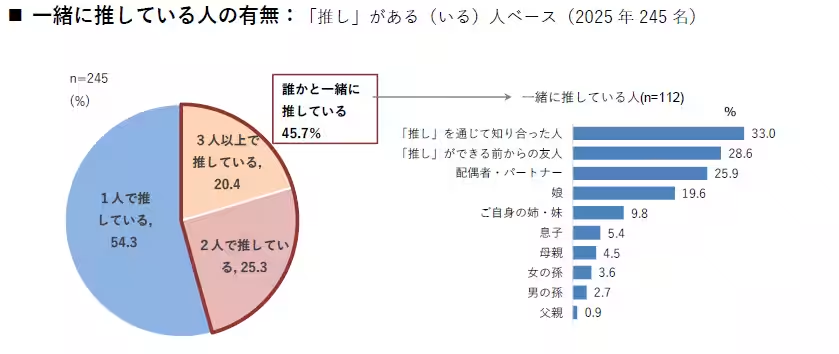
The survey also explored whether fans engage in 'oshi' activities solo or with others. A significant 54.3% prefer indulging in their passion alone, while 33% enjoy the company of fellow fans met through their shared interests. This highlights the social connections that arise through fandom, showing how it enriches lives and encourages interpersonal interactions.
Recent Trends and Observations
Between the years, trends around what constitutes a favorite have fluctuated. For instance, the initial decline in 'long oshis' is noteworthy. However, this year has shown a rebound in responses favoring long-term engagements. The overall average engagement in 'oshi' culture has now surpassed 14 years, indicating that for many, this passion has become a substantial part of their lives.
Reflections from Participants
Feedback from respondents revealed varied sentiments regarding their 'oshi'. One noted how their admiration for a certain musician creates enjoyable, shared experiences with others, regardless of their age. Others expressed a cycle of shifting interests—some moved on from previous favorites while still holding onto the joy brought by current obsessions.
Furthermore, many participants found that discussing their 'oshi' with friends and family deepened their connections, allowing for shared dialogues that enriched their everyday life. One respondent even mentioned how engaging with her 'oshi' led to more enriching conversations with her husband, reinforcing the power of fandom to foster greater relationships.
Conclusion
In analyzing the spending and emotional engagement this year, it’s apparent that 'oshi' culture is not just a youthful trend, but rather an integral aspect of life for many women over 50. This ongoing dedication showcases how personal interests contribute not only to individual satisfaction but also enhance social interactions and relationships. As we move forward, it will be fascinating to continue observing how these trends evolve in the context of changing economic landscapes and societal norms.

Topics People & Culture)
【About Using Articles】
You can freely use the title and article content by linking to the page where the article is posted.
※ Images cannot be used.
【About Links】
Links are free to use.