



Bridging the Gap: Understanding 1on1 Meetings in Business Environments
Bridging the Gap: Understanding 1on1 Meetings in Business Environments
In recent years, the implementation of 1on1 meetings in business settings has gained popularity as a means to foster employee growth and address their concerns. However, a study conducted by MENTAGRAPH Co., Ltd. has revealed significant discrepancies between the realities faced by managers and the ideals held by employees regarding these meetings. The analysis was based on responses from 724 business professionals across Japan, including 300 in management roles and 424 in non-management positions.
Frequency and Structure of 1on1 Meetings
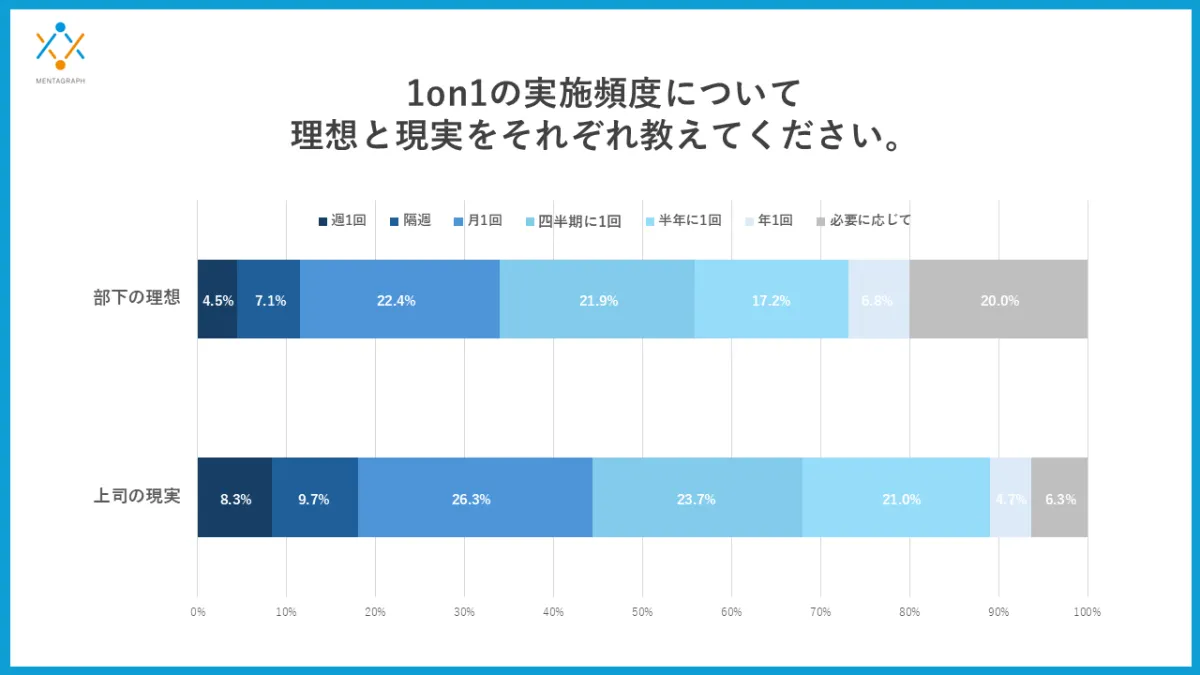
One of the most striking findings of the survey was the gap in expectations for the frequency of 1on1 meetings. While only 6.3% of managers indicated that they would prefer these meetings to occur as needed, 20% of employees voiced the same sentiment. This indicates a 13.7% difference, revealing that employees prefer a less rigid approach to these meetings.
Instead of adhering to a pre-scheduled frequency such as weekly or monthly sessions, employees appear to favor the flexibility to engage in discussions when issues arise. This underscores a shift in how team members perceive the purpose of these meetings—they seek timely and relevant interactions rather than routine check-ins that may lack substance.
Ideal Duration for Meetings
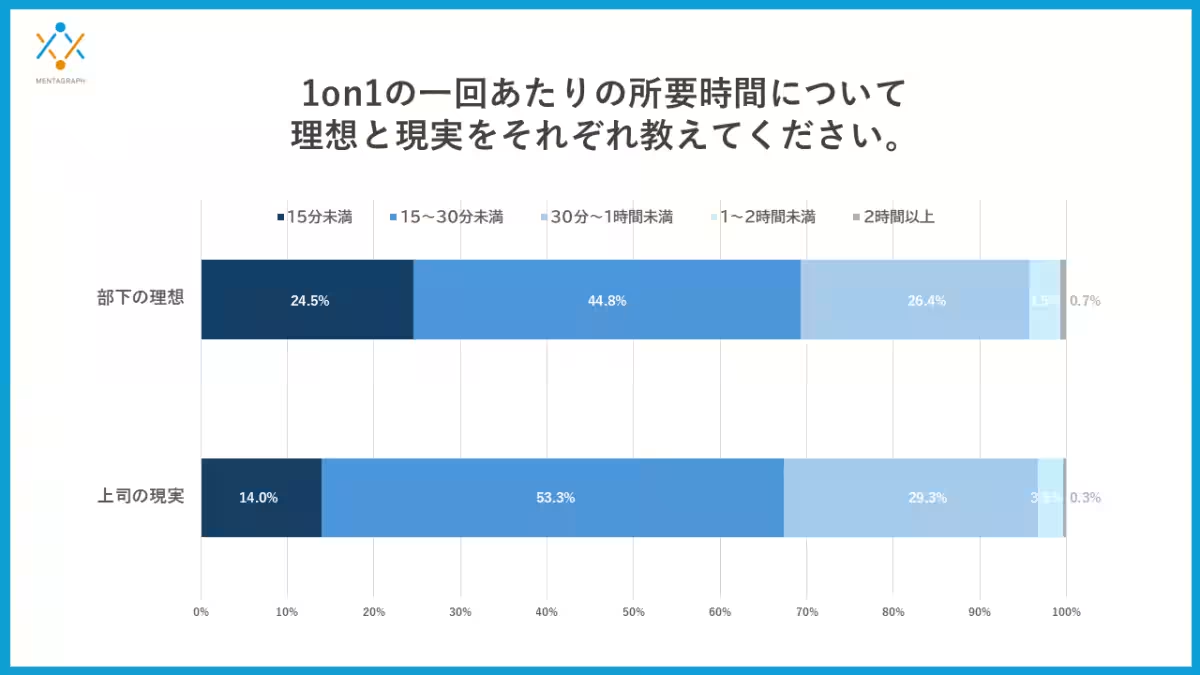
The ideal duration for these meetings further highlights the mismatch in expectations. When queried about the optimal time for a 1on1 meeting, 24.5% of employees expressed a preference for sessions lasting less than 15 minutes. In contrast, only 14% of managers matched this preference, resulting in a 10.5% gap. On the other hand, when it comes to meetings lasting between 15 and 30 minutes, the reality for managers (53.3%) surpasses employees' ideal (44.8%) by 8.5%.
This indicates a clear inclination from employees towards shorter, more intensive discussions, suggesting they value efficiency over lengthy elaborations.
Moving Towards Proactive Goals
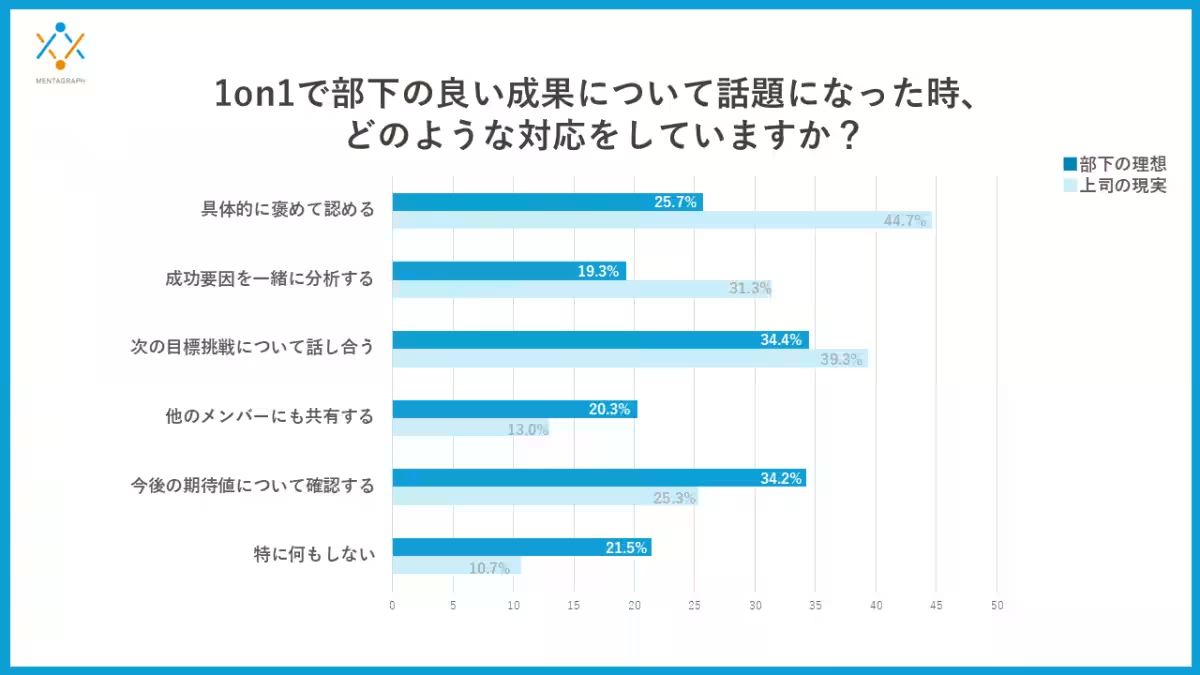
When discussing outcomes from these sessions, employees who expressed their ideals showed a stronger desire for actionable plans compared to the upper management's approach. For instance, 34.2% of employees wanted to confirm future expectations against just 25.3% from managers, resulting in an 8.9% gap. Additionally, discussions around future objectives were preferred by 46% of employees compared to 39.3% of managers.
Interestingly, a segment of employees (21.5%) feels that sometimes it is better to take no action at all, which contrasts sharply with the managers' preference to maintain an ongoing dialogue.
Handling Challenges and Failures
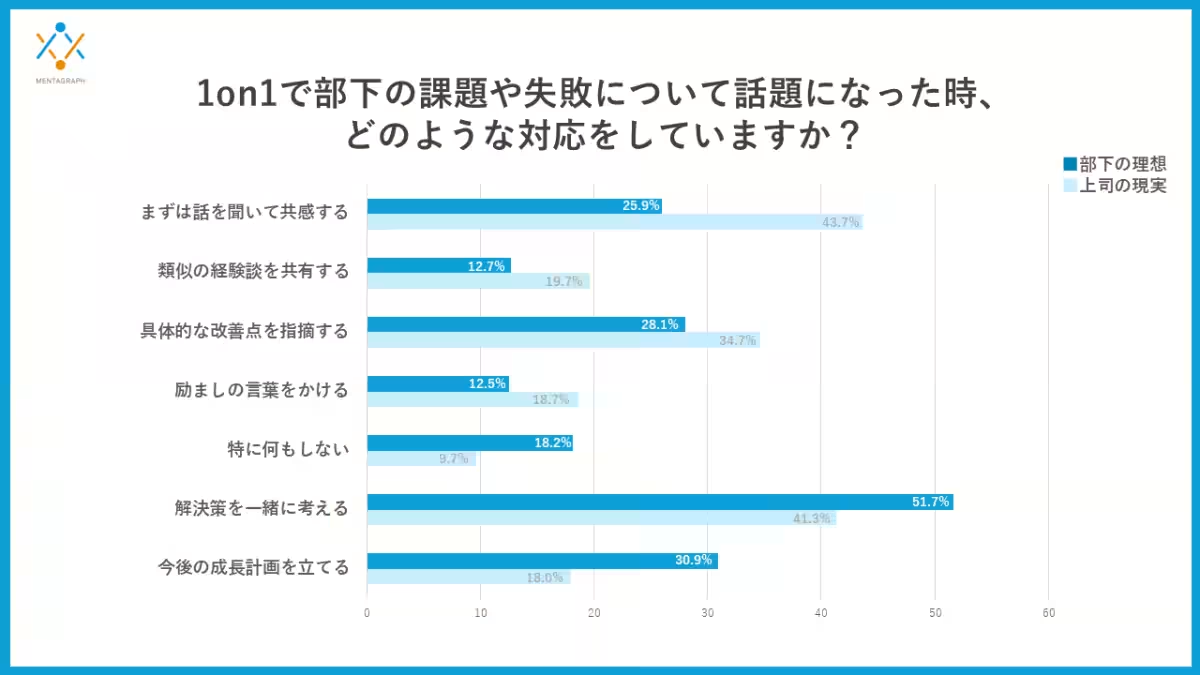
The responses also highlighted the employees' expectations for constructive support during discussions of challenges or failures. While 51.7% of employees expressed a desire for collaborative problem-solving, only 41.3% of managers shared this perspective. Moreover, 30.9% of employees wanted to lay out future growth plans, significantly higher than the 18.0% of managers who echoed this sentiment.
Conclusion: Aligning Expectations
These findings underscore the persistent gap between the expectations and realities of 1on1 meetings within organizations. Employees are looking for flexible, concise discussions that lead to concrete actions, whereas managers seem inclined to stick with structured and elongated formats focused on observation and listening.
To enhance the effectiveness of 1on1 meetings, it is crucial for both managers and employees to align their expectations and approaches. By doing so, 1on1 meetings can become dynamic exchanges that drive progress rather than mere procedural obligations. MENTAGRAPH aims to facilitate this transformation in workplace communication and overall organizational performance, paving the way for a more engaging and productive environment.
Topics People & Culture)

【About Using Articles】
You can freely use the title and article content by linking to the page where the article is posted.
※ Images cannot be used.
【About Links】
Links are free to use.