



Fractal Workout Launches Program to Enhance Understanding of Anemia in Employees
Understanding Anemia: A Professional Program Initiative
Fractal Workout, headquartered in Shibuya, Tokyo, has recently launched a specialized program aimed at enhancing the understanding of health conditions related to anemia among employees. This initiative is particularly directed at organizations where low red blood cell counts and hemoglobin levels are prevalent, providing tailored support through collaboration between registered dietitians and public health nurses. In this article, we will explore how this program functions and its importance in workplace health management.
Program Overview
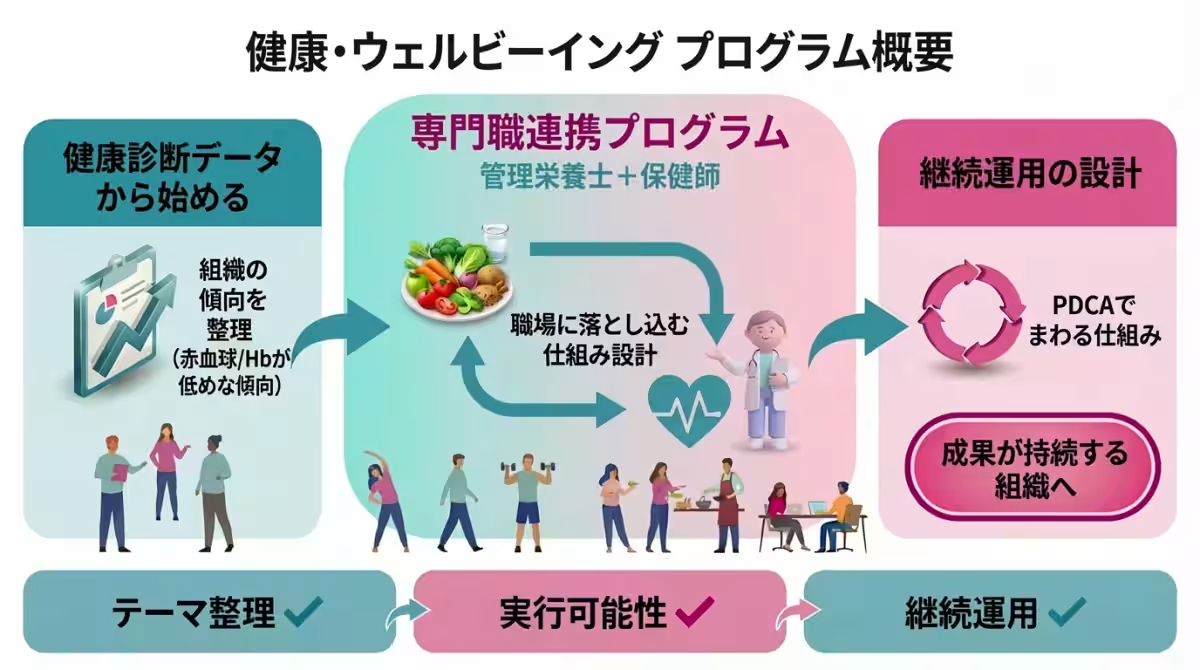
The Anemia Support Professional Collaboration Program is built upon health check data, particularly focusing on employees who exhibit lower than average values for red blood cells and hemoglobin. The main objectives of this initiative are to:
- - Establish a clear approach to understanding and addressing anemia as a workplace theme.
- - Foster collaboration between dietitians and health nurses to deliver easily digestible information and practical daily health tips.
- - Ensure that communication and participation are sustained over time, rather than relying on one-off informational sessions.
Defining Key Terms
To comprehend the program better, it’s crucial to define a few key terms:
- - Health Check Data: This refers to health examination results collected by corporations to understand broader trends within their workforce.
- - Red Blood Cell (RBC) / Hemoglobin (Hb): These are critical health indicators used to assess overall wellness and can provide insight into necessary lifestyle modifications.
- - Professional Collaboration Program: An innovative structure that enables health professionals to define shared responsibilities and workflows to implement actionable strategies within organizations.
- - BODY PALETTE: Fractal Workout's corporate health support service designed to enhance wellness in the workplace.
Background and Context
Efforts in corporate health management often begin with compliance with regulations, communication of health information, or single-event workshops. However, after a period of time, these initiatives can face several challenges:
- - There may be a lack of prioritization of themes resulting in delayed information dissemination.
- - The terminology used might not align across the organization, leading to misunderstandings related to feedback or evaluations.
- - Despite the capability to provide information, there can be difficulties in establishing a continuous dialogue around health understanding.
- - Organizations may struggle to take decisive next steps based on the data collected.
Anemia, particularly characterized by low RBC and Hb levels, is influenced by individual health, lifestyle, and background. Thus, understanding how to communicate about anemia sensitively is paramount to ensure that it does not evolve into personal criticism or misinterpretation of health evaluations. Therefore, it is critical for employers to organize this information as a collective learning experience on health management rather than navigating back to medical judgments and personalized advice.
Common Challenges in Organizations
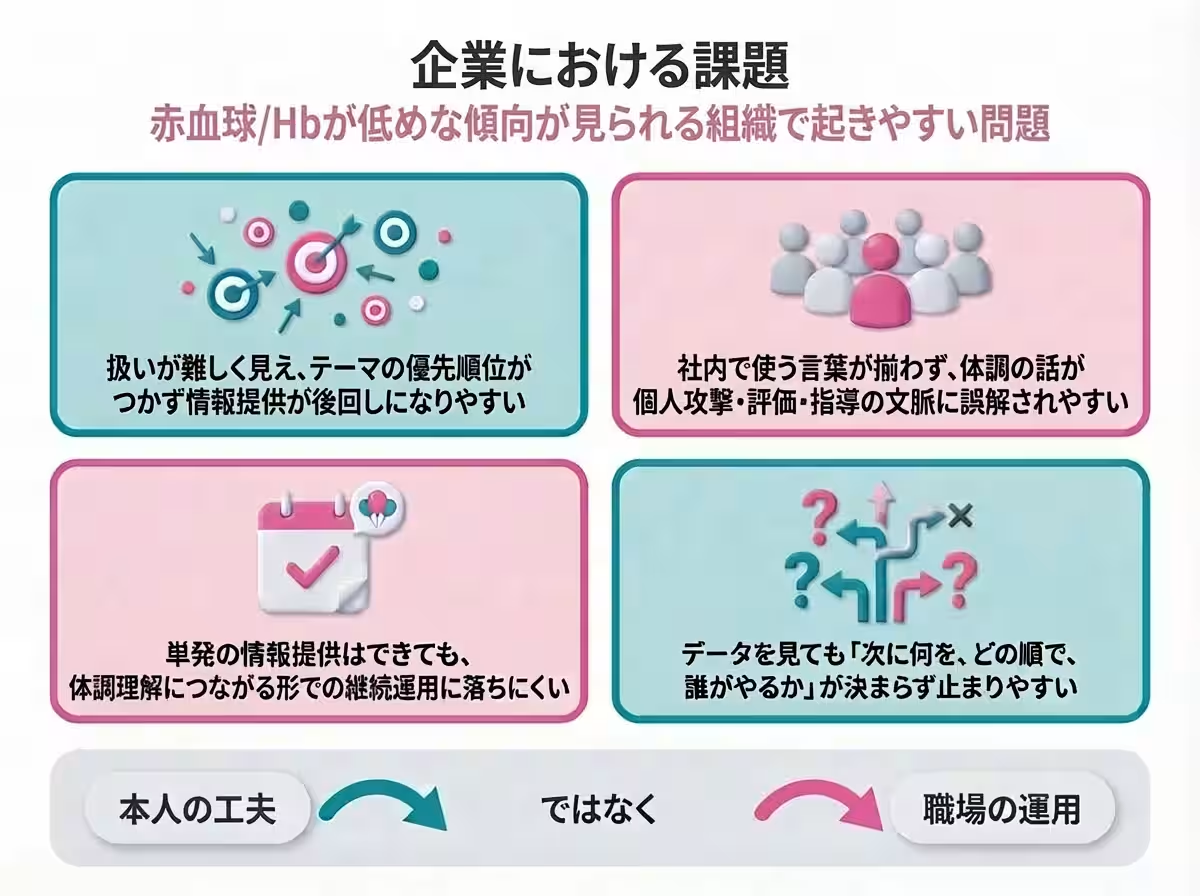
Organizations facing trends of low RBC/Hb levels may encounter several challenges:
- - The complexity of the topic can hinder the prioritization of anemia-related initiatives, often sidelining information sharing.
- - The lack of standardized language leads to confusion, which complicates conversations around health matters.
- - While single informational sessions can occur, there is often a failure in sustaining ongoing discussions that deepen health understanding.
- - Data interpretations may stagnate due to uncertainties regarding the subsequent actions, timelines, and responsibilities.
Details of the Professional Collaboration Program
For organizations facing low RBC/Hb trends, the collaboration program will anchor its approach on two main pillars:
1. Transition from Personal Judgments to Workplace Common Language
- - Communication will be crafted to avoid misunderstandings related to evaluation and guidance.
- - The design will encompass how information is disseminated, how participation is facilitated, and how often activities are conducted.
- - The aim is to unify the understanding within the organization rather than leave it open to individualized interpretation.
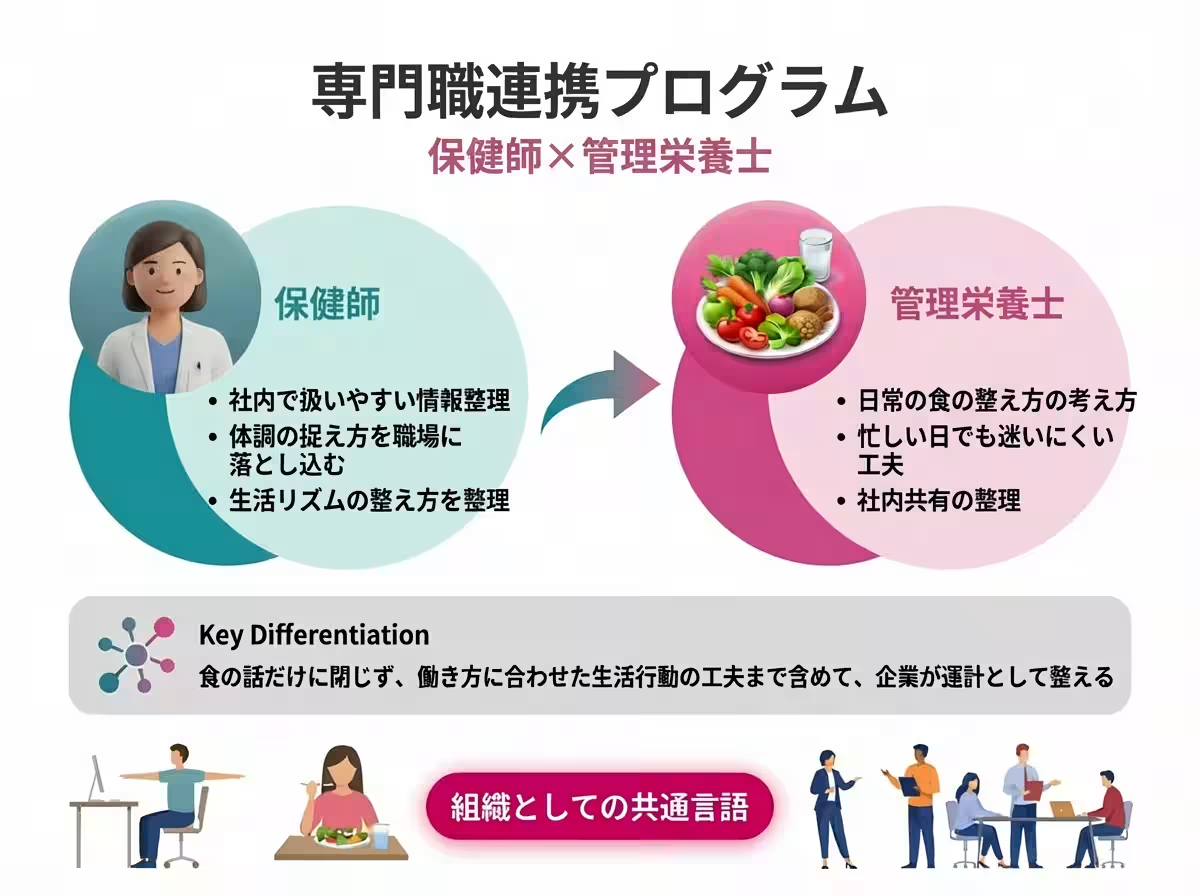
2. Unifying Information from Dietitians and Health Nurses
- - Dietitians will share strategies for meal planning and healthy eating that are practical for busy schedules, streamlining shared knowledge.
- - Health Nurses will address lifestyle adjustments, helping employees recognize and manage their health in an approachable manner.
This integrative design will unite nutritional and lifestyle information, ensuring ease of implementation within the corporate structure.
Implementing the Program within Organizations
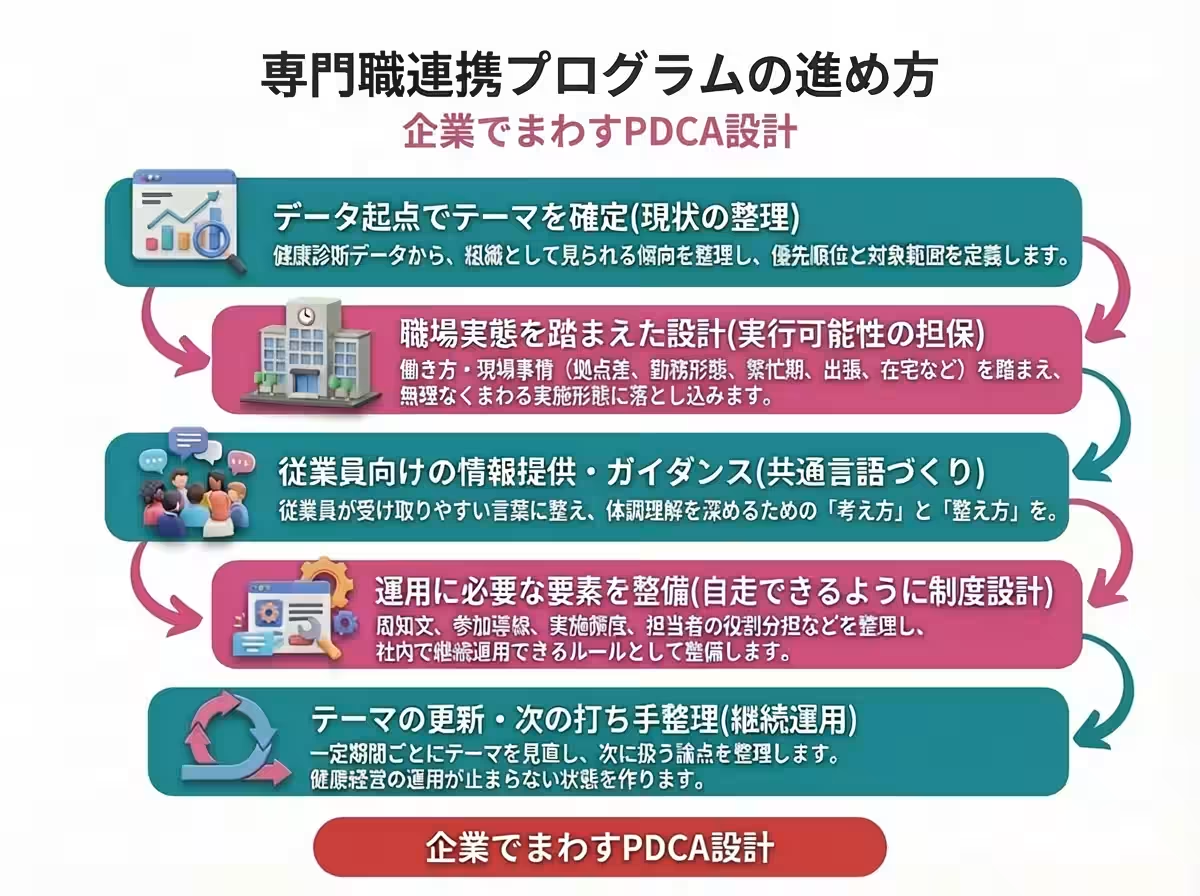
To ensure that the initiative does not remain a fleeting project, Fractal Workout has structured the program into a PDCA (Plan-Do-Check-Act) cycle to promote ongoing operation and engagement:
1. Data-Driven Theme Definition: Analyze health check data to clarify trending issues and determine relevant priorities.
2. Design with Workplace Considerations: Tailor execution plans that incorporate working styles, location variances, and seasonal demands of employees.
3. Communication and Guidance for Employees: Convey information in accessible terms, allowing for a deeper understanding of health perspectives and practical advice.
4. Framework for Operationalizing: Establish clear rules for participation, communication methods, and role distribution to promote sustainable practices.
5. Review and Evolution: Periodically update themes and identify new focal points to ensure continuous engagement in health management.
Conclusion for Company Representatives
Addressing the topic of low RBC/Hb can often seem challenging; however, with proper language and information design, it can transform into a manageable issue for organizations. The core principle lies in utilizing health examination data to structure the relevant themes and prioritize engagement, aligning the roles of dietitians and health nurses, and embedding health understanding initiatives within the workplace culture. This article aims to shift focus from whether health management practices were simply implemented to whether they are structured for sustainable and ongoing operation.
Topics Health)

【About Using Articles】
You can freely use the title and article content by linking to the page where the article is posted.
※ Images cannot be used.
【About Links】
Links are free to use.