



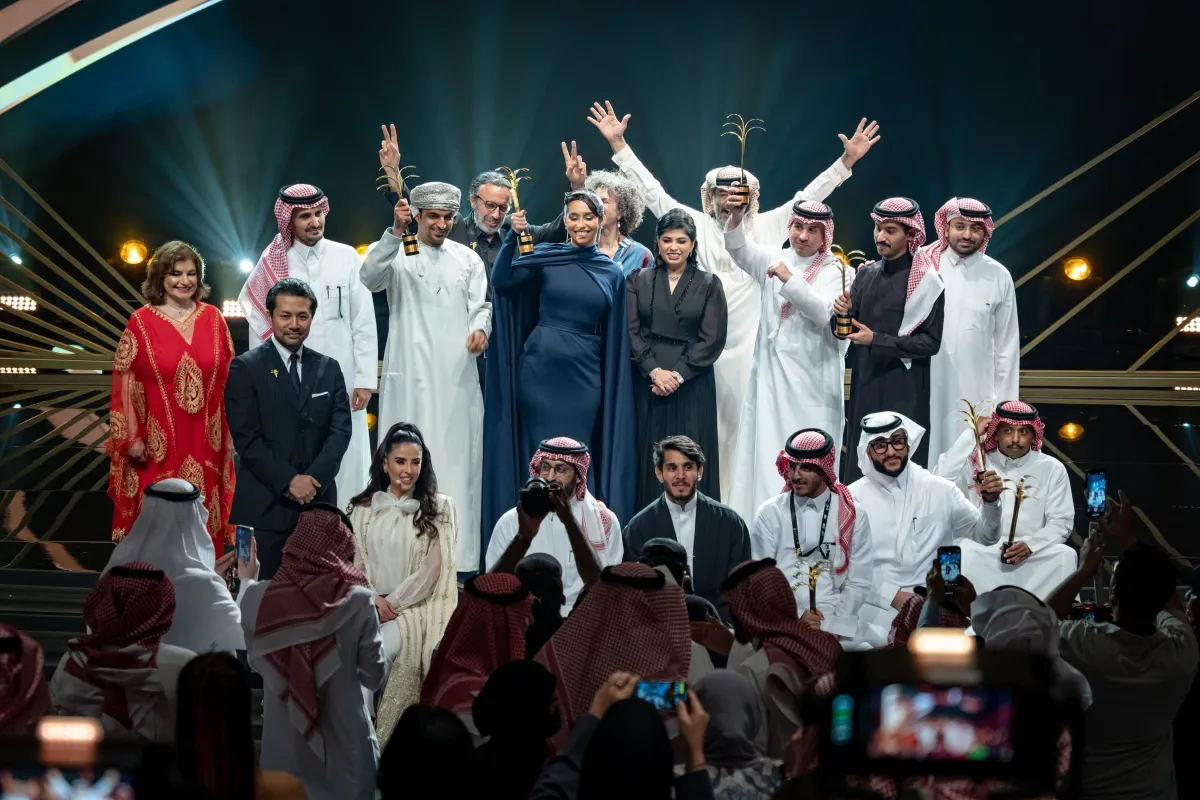
Saudi Arabia Film Festival Celebrates Cultural Ties with Japan in Grand Finale
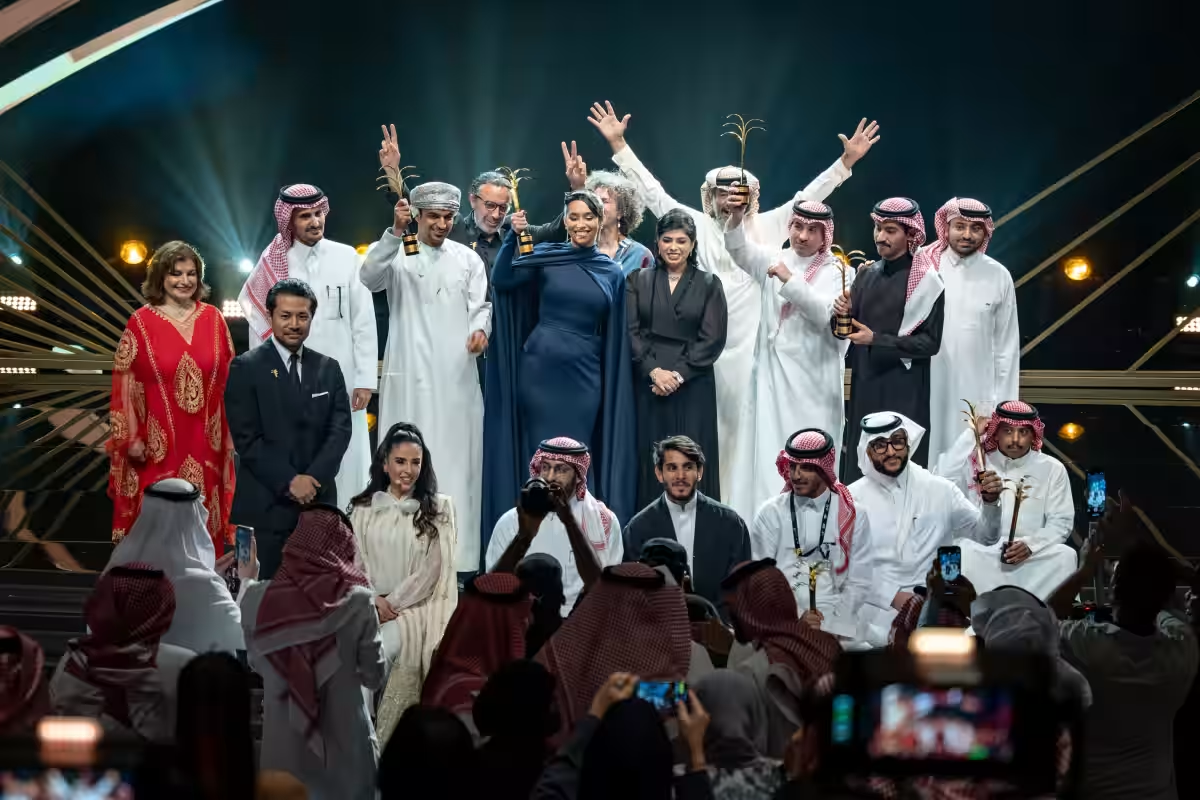
The Closing of the 11th Saudi Arabia Film Festival
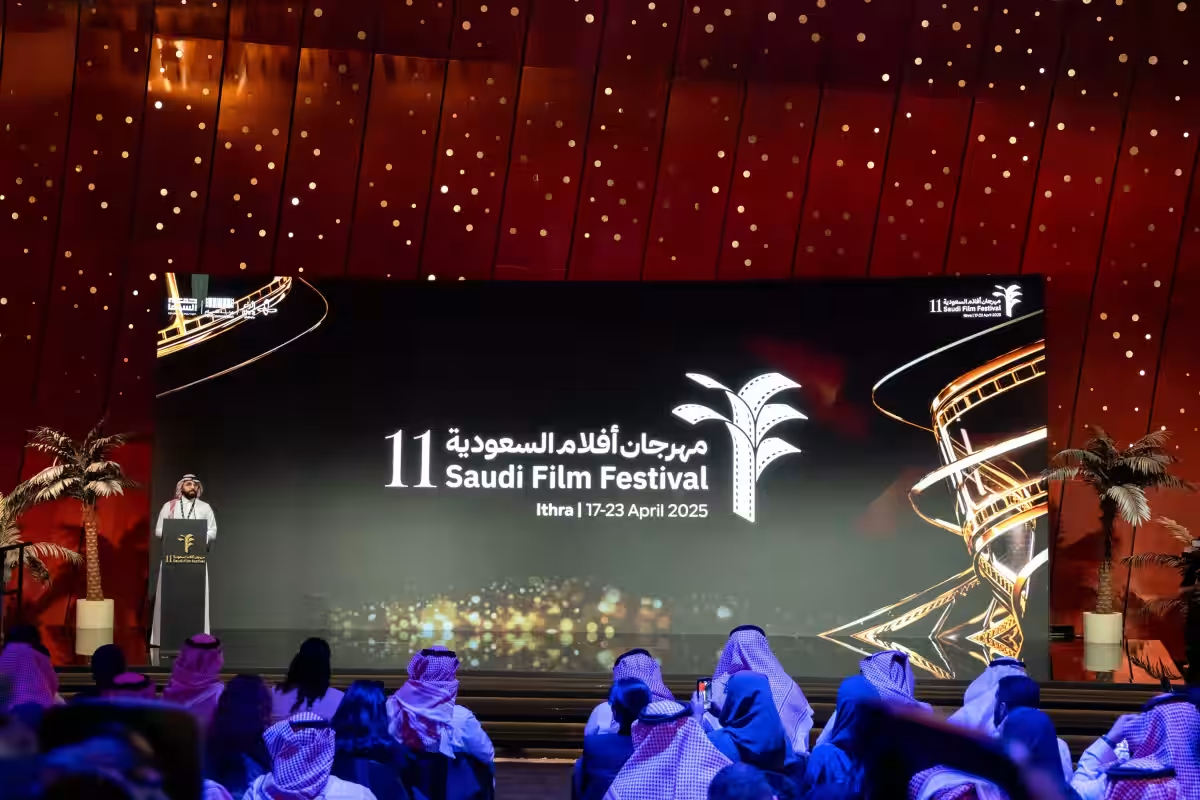
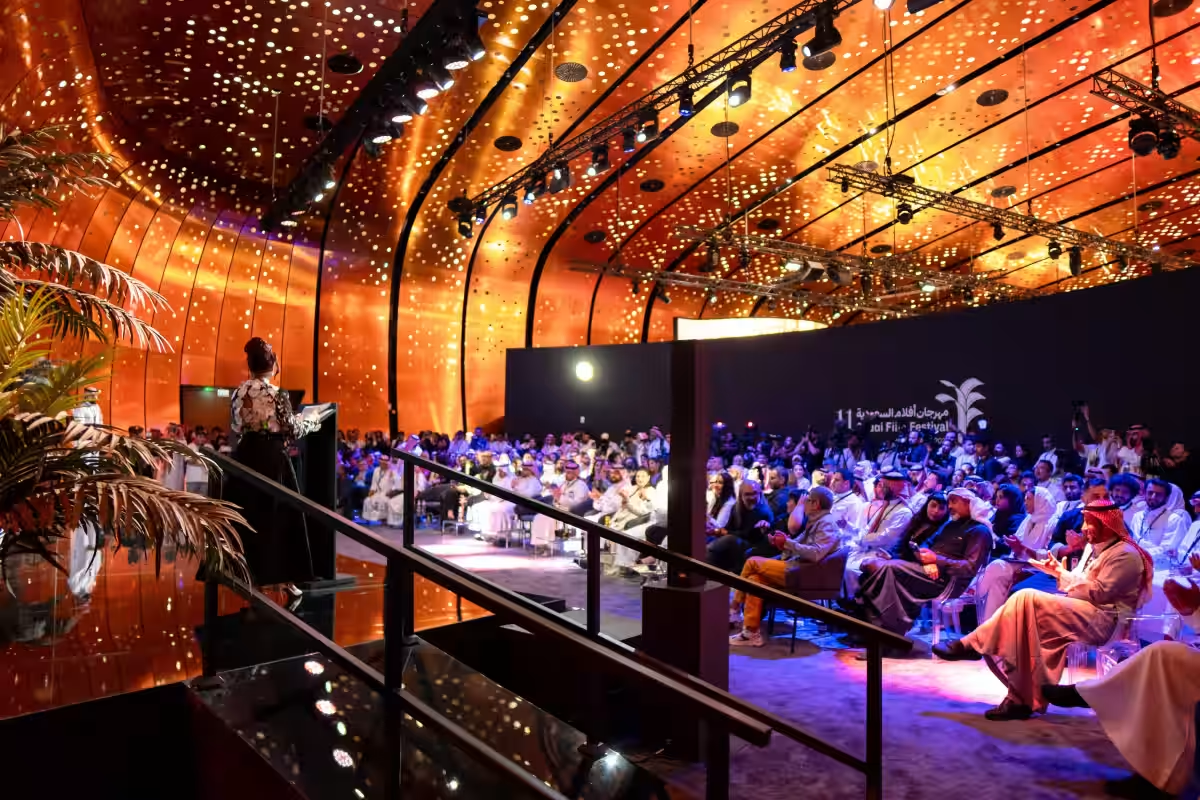
The 11th Saudi Arabia Film Festival, held from April 17 to 23, 2025, in the city of Dammam, concluded with a splendid closing ceremony. This festival, which has been celebrated since 2008, is the longest-running and most prestigious film event in Saudi Arabia, organized by the Saudi Film Association in strategic partnership with the King Abdulaziz Center for World Culture (Ithra), and supported by the film committee of the country's Ministry of Culture.
As a pivotal event for the Saudi film industry, the festival featured a spectrum of programs over a week. Among these, the "Japanese Film Special," realized in collaboration with the Short Shorts Film Festival & Asia 2025, gained special attention as a symbol of dialogue and exchange fostered by film. Movie storytelling transcends cultural boundaries, uniting people through a universal language. Thus, this year's festival focused on the importance of narrative in conveying diverse cultural expressions and unique perspectives.
Showcase of Japanese Cinema
A total of eight films, both long and short, by Japanese directors were presented, four of which were showcased thanks to the collaboration with the Short Shorts Film Festival & Asia 2025. All of these screenings marked their Saudi Arabian premiere.
The screened films included:
- - Masakazu Kaneko's "River Returns" (2024)
- - Ken Ochiai's "Uzumasa Lime Light" (2014)
- - Koji Yamamura's "Atama-yama" (2002) and "Very Short" (2024)
- - Hiroyuki Nishiyama's "Aoi to Shiro" (2022)
- - Yohei Nagabe's "TOMA#2" (2023)
- - Tomomi Muraguchi's "The New World" (2023)
- - Riisa Naka's "KABURAGI" (2024)
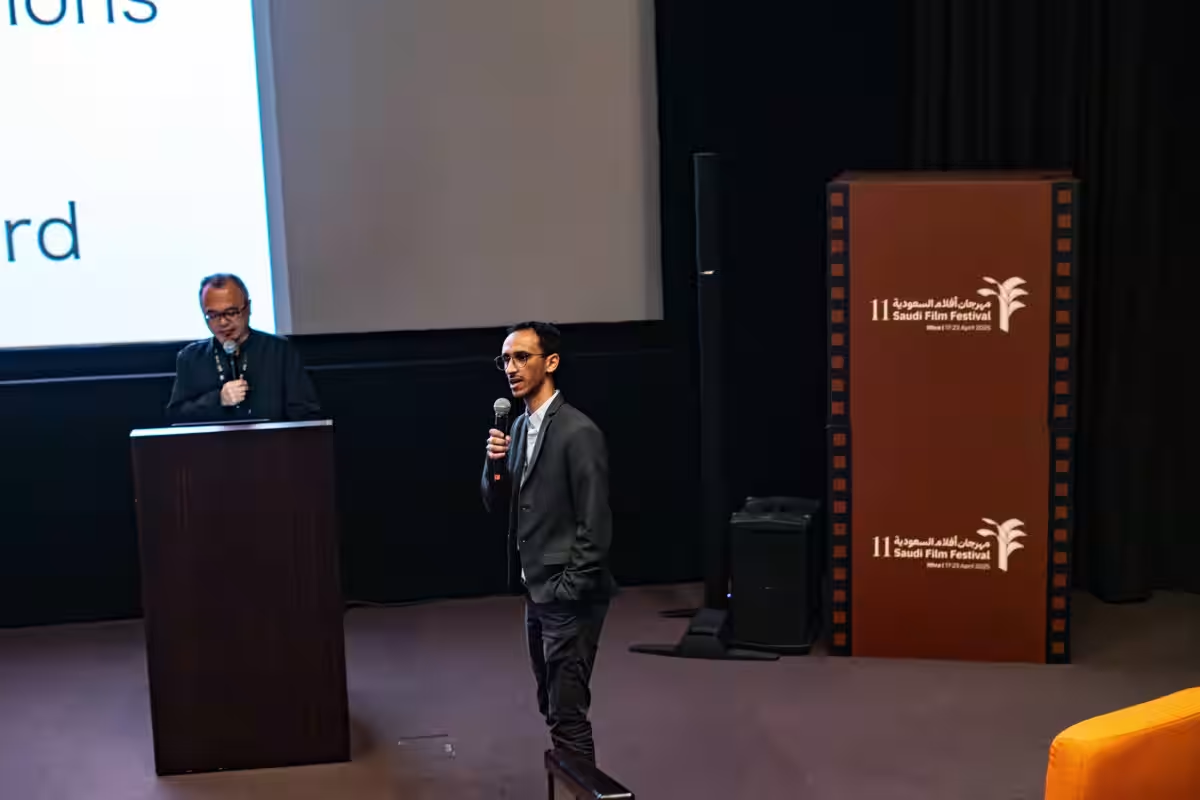
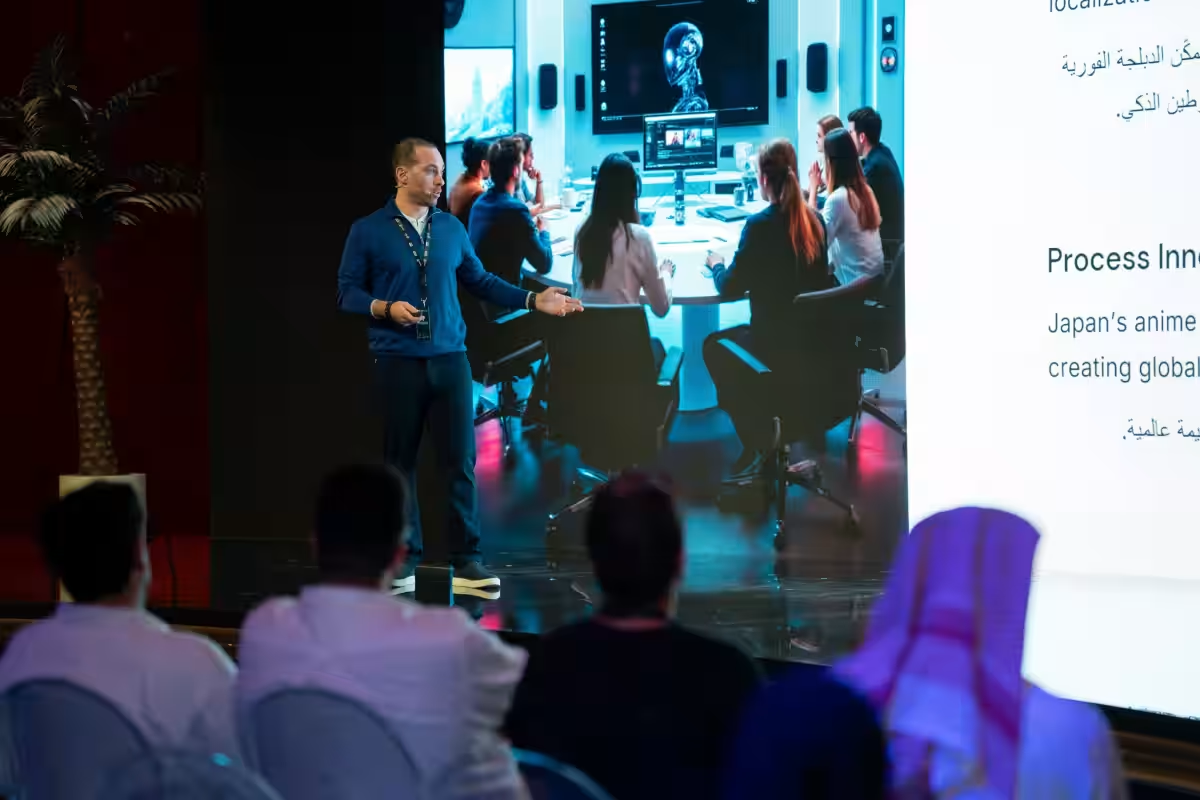
The "Japanese Film Special" was not solely about screenings. It included vibrant events such as panel discussions, master classes, and cultural symposiums that ran over two days on April 19 and 20. The discussions highlighted the shared cultural theme of cinema as a vessel for storytelling, resonating deeply with the festival's main theme of "Identity in Film."
Japanese animation films have become immensely popular; however, Japanese cinema, which emphasizes storytelling, has garnered many fans in Saudi Arabia as well. Panel discussions featured a lineup of film experts, including Ken Ochiai, who is based in America, acclaimed animation director Koji Yamamura, Zofra Ait Eljamal from Hi-Jameel Cinema, and Saudi film expert Majed Z. Salman, engaging audiences in passionate dialogues about the storytelling techniques common to both nations.
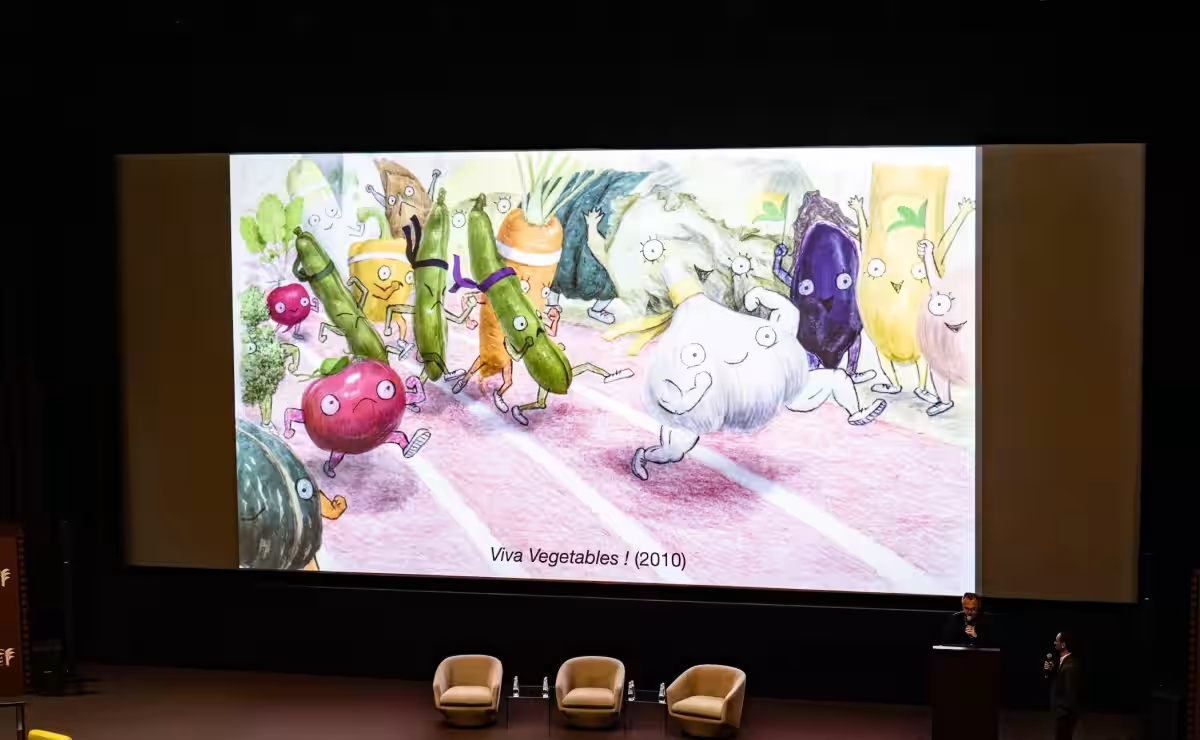
Additionally, Koji Yamamura conducted a master class on animation production, focusing on "Giving Shape to the Invisible Light." He discussed his iconic work "Atama-yama" and shared insights from over 40 years of experience in filmmaking, emphasizing how he draws inspiration from traditional tales, adding unique dimensions to familiar stories.
Yamamura remarked, "This event has been a fantastic opportunity to meet dedicated filmmakers and curators, revealing vast potential for future collaborations between creators from Japan and Saudi Arabia."
Mansour Al-Badlan, Vice President of the Saudi Film Festival, also emphasized the significance of the Japanese Film Special, stating, "This is a wonderful example of collaboration gained through culture. Participants experienced high-level storytelling techniques in Japanese cinema, opening new doors for creative collaboration between filmmakers from both nations."
With around 70% of its population under the age of 30, the success of the "Japanese Film Special" in Saudi Arabia holds great implications for the future development of the Japanese film industry. Through such cultural exchanges, both Japan and Saudi Arabia can cultivate deeper ties and explore the boundless possibilities of storytelling in cinema.
Topics Entertainment & Media)
【About Using Articles】
You can freely use the title and article content by linking to the page where the article is posted.
※ Images cannot be used.
【About Links】
Links are free to use.