



Exploring the Future of Human Capital Management: SHIFT's Use of AI in Business
Understanding the AI-Driven Human Capital Management at SHIFT
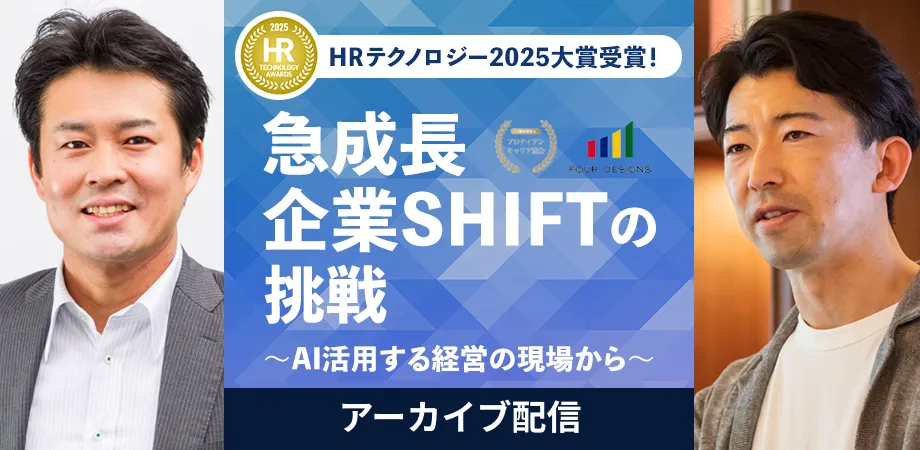
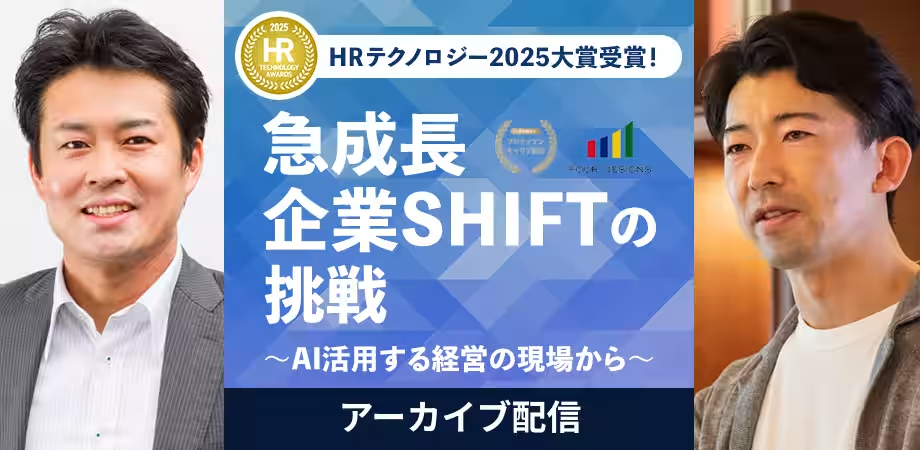
In a rapidly evolving business landscape, Human Capital Management (HCM) has gained momentum, especially among fast-growing companies like SHIFT. This innovative firm has effectively leveraged Artificial Intelligence (AI) to optimize its HCM strategies. The recent seminar titled "The Challenges of Rapidly Growing Company SHIFT: Insights from AI-Powered Management" provided a platform to discuss these advancements, diving into the unique practices deployed by SHIFT's leadership.
The Role of the Protian Career Association
Hosted by the Protian Career Association, a prominent organization dedicated to fostering better relationships between companies and their employees, the seminar aimed to showcase how strategic HCM approaches can fuel organizational growth. Professor Kensuke Tanaka, a leading figure in career design education, and Taka Ueoka, SHIFT’s Vice President of Human Resources, shared their insights into the transformative power of AI in organizational settings.
Seminar Overview
The seminar commenced with greetings from the hosts, followed by a conversation between Professor Tanaka and Ueoka, where they emphasized the importance of an innovative approach to HCM. A significant feature of the discussion was the focus on how SHIFT defines and implements its unique interpretation of lifetime value (LTV) in the realm of human capital.
Addressing Japan's Social Issues
Ueoka highlighted the pressing issue of Japan's declining working-age population and the scarcity of IT professionals. SHIFT's strategy to combat these challenges includes aggressive recruitment of digital transformation talents and improved working conditions for engineers. This approach, termed "Town Management" metaphorically, focuses on maximizing employee retention and engagement while promoting continuous value creation through work and personal development.
Defining Life Time Value (LTV)
At the core of SHIFT's HCM philosophy lies its unique definition of LTV, which is calculated as:
LTV = Number of Engineers × Duration of Employment × Value Creation per Employee.
This innovative metric allows SHIFT to quantify the impact of various HR metrics, including turnover rates and employee satisfaction, on overall organizational success. For instance, the company projected that its investment of ¥6.9 billion in human capital would eventually yield an increase of ¥104.3 billion in LTV.
Visualizing the Three Differentiators
Ueoka outlined three key processes vital to maximizing LTV, emphasizing the need for awareness and focus:
1. Hitolog (Talent Management Tool): This proprietary tool manages extensive data for all 15,000 employees, capturing 450 data points including skills, attendance, and participation in company events, promoting centralized management.
2. Evaluation Meetings: These discussions are held approximately every six months, where senior management dedicates around 1,200 hours to evaluating performance using Hitolog data. This extensive review helps to ensure optimal employee placement and growth.
3. HR Initiatives: By analyzing employee data, SHIFT gains insights into the diverse concerns of its workforce, such as caregiving and education, allowing for tailored human resource policies and support initiatives.
AI in Staffing and Human Resource Processes
SHIFT’s ambition to become an AI-native SI company also extends to its HR processes. Ueoka explained various AI tools utilized to enhance recruitment and onboarding experiences:
- - The AI Resume Analysis tool, 'Resumiru', has decreased resume review time from 15 to 8 minutes.
- - The AI Offer Letter generator, 'kitene', creates appealing offers to candidates, improving acceptance rates by 10 points.
- - An AI employee support agent, 'Mentai', assists employees in addressing personal concerns, facilitating communication that clients may find difficult to express directly to their managers.
Embracing Modern Career Strategies
In his opening remarks, Takashi Mori from the Protian Career Association emphasized equipping societies with strategies for psychological success in careers. He discussed how modern career paradigms have shifted from retrospective assessments to forward-looking career strategies, which promote future-oriented planning and a proactive approach to personal growth.
The seminar not only facilitated a deeper understanding of innovative HCM practices but also encouraged dialogue between various stakeholders, ensuring a platform for knowledge sharing and inspiration. As SHIFT continues to implement its strategies, it reaffirms the integral role of human capital in achieving sustainable business success.
Upcoming Seminars
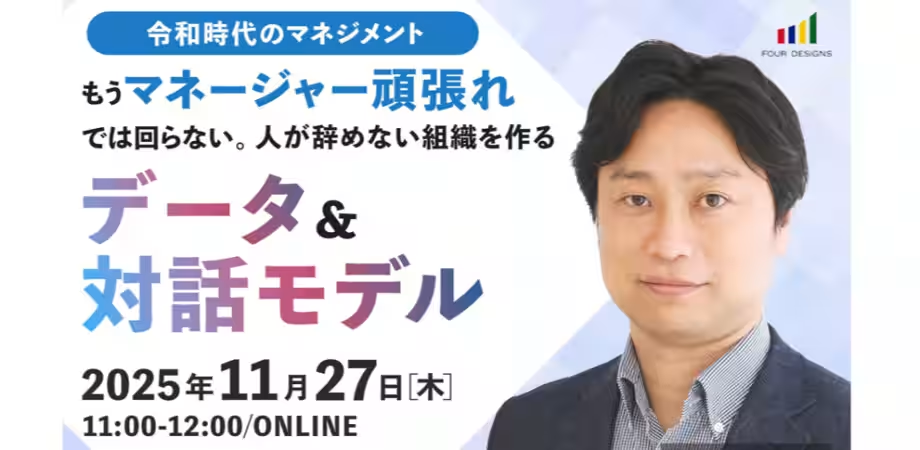
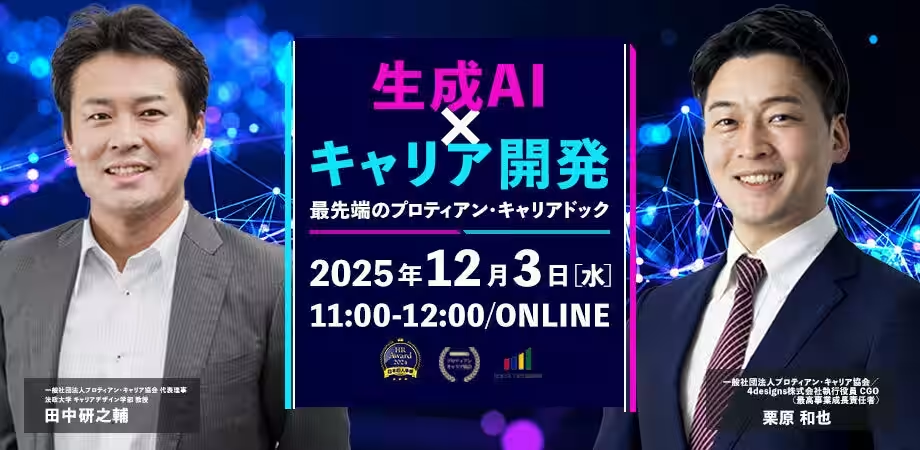
The Protian Career Association plans to host several online seminars focusing on AI-driven career development and support for management roles. One forthcoming seminar is scheduled for November 27, 2025, aimed at presenting data-driven solutions for improving organizational health and management effectiveness.
To explore these next steps in career development and AI integration, please refer to the related links provided in the article.


Topics People & Culture)

【About Using Articles】
You can freely use the title and article content by linking to the page where the article is posted.
※ Images cannot be used.
【About Links】
Links are free to use.