



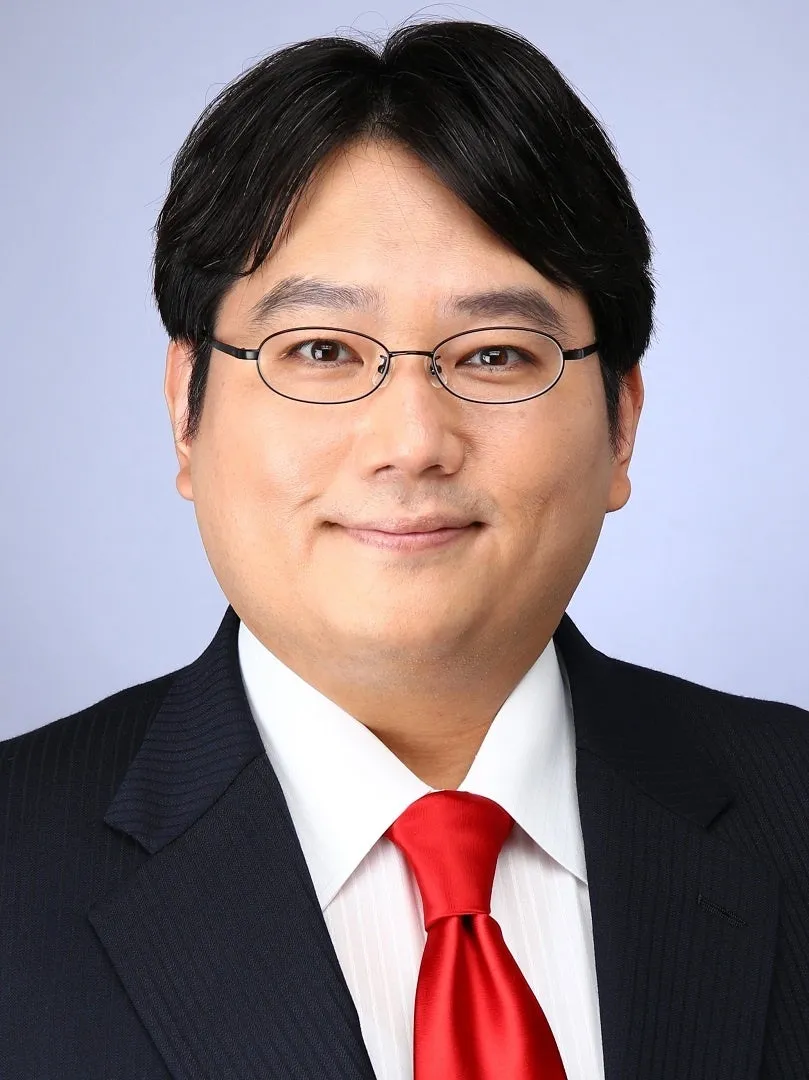
Empowering Insights from the Toxic Parent Lab with New Columns from Tomonori Tomura
The Vibrant Expansion of the Toxic Parent Lab
The world of human rights advocacy has taken a significant leap forward with the latest enhancements to the Toxic Parent Lab, helmed by Tomonori Tomura, the chairman of the Japan Management Research Institute. This initiative, designed to shed light on the often-overlooked issues surrounding toxic parenting, now includes an impressive collection of 18 new columns as of November 30, 2025.
The Toxic Parent Lab originated as a platform for educating and empowering individuals who might be grappling with the effects of toxic parenting. It aims to provide a reflective space where personal experiences can be articulated, understood, and analyzed with a scientific approach. With over five decades of personal and professional experience, Tomonori Tomura transforms his life into a case study, exploring the multifaceted impacts of toxic parenting on both individuals and families.
Core Themes of the Lab
Each of the 18 columns addresses a unique aspect of toxic parenting, setting a comprehensive framework for understanding and dealing with the issues at hand. Here's a brief overview of some pivotal topics:
1. What is Toxic Parenting? - Establishes a practical definition while incorporating Tomura's interpretations and experiences.
2. Recognizing Abuse Patterns - This segment accurately identifies various forms of abuse, reinforcing the notion that some behaviors traditionally overlooked must be classified as abusive.
3. Understanding Dysfunctional Families - Encourages readers to reflect on their family dynamics and recognize possible dysfunctions.
4. Unconditional versus Conditional Love - Discusses the impact of conditional love in familial relationships and its long-term implications on emotional growth.
5. Shared Humanity and Rights - Emphasizes that children and parents alike have inherent rights, encouraging healthier interactions within families.
6. Power Dynamics in Families - This column critiques the abuse of power that can arise within family structures, advocating for respect and acceptance of each member’s individuality.
7. Historical Acceptance of Abuse - Delves into how past societal norms contribute to ongoing cycles of abuse, challenging readers to reconsider what is acceptable behavior within the family.
8. Domestic Violence Issues - Draws parallels between domestic relations and how violence is overlooked differently depending on the relationships involved.
9. Conversations Around Harassment - Challenges societal norms regarding parental relationships as compared to commercial interactions, fostering dialogue on rights and violence.
10. Reproductive Cycles of Toxicity - Explains the 'toxic parent reproduction loop' and offers insights on how victims can inadvertently become perpetuators.
11. The Importance of Distance and Respect - Affirms the necessity of creating healthy distances in relationships that allow for mutual respect and understanding.
12. Support for Aging Parents - Questions the willingness to accept negative behaviors from parents in later stages of life, fostering discussions on compassion and boundaries.
13. Historical Grievances as Justification - Critiques the idea that parental suffering can justify passing on trauma to the next generation.
14. Survival Strategies - Provides practical advice on how to navigate toxic home environments, focusing on escaping, seeking help, and establishing boundaries.
15. Acknowledgment of Social Inequities - Encourages an understanding of social injustices as real barriers to well-being that must be accepted and challenged positively.
16. Constructing Happiness Together - Reframes the concept of happiness from a transactional perspective to one of collaborative creation.
17. Toxic Parent Rights Versus Child Rights - Discusses the balance of rights between toxic parents and their children, aiming for mutual happiness without harm.
18. Tomonori's Reflections - Punctuates the columns with personal quotes and experiences that encapsulate the essence of healing and resilience.
The Future of the Toxic Parent Lab
As the Toxic Parent Lab grows, so does its potential to influence the conversation surrounding toxic familial structures. Through these columns, Tomonori Tomura not only shares his journey but also offers critical resources for those in need. Furthermore, the Lab serves as a reference point for seeking help and understanding complexities within toxic parent-child dynamics.
For readers looking to dive deeper into these topics, the Toxic Parent Lab website here is an invaluable resource.
The initiative not only provides a refuge for those affected by toxic familial relationships but also advocates for a broader understanding of human rights in family contexts. Tomura’s work exemplifies the power of personal narrative in advocacy, helping to pave the way for a more understanding and compassionate society.
Topics People & Culture)


【About Using Articles】
You can freely use the title and article content by linking to the page where the article is posted.
※ Images cannot be used.
【About Links】
Links are free to use.